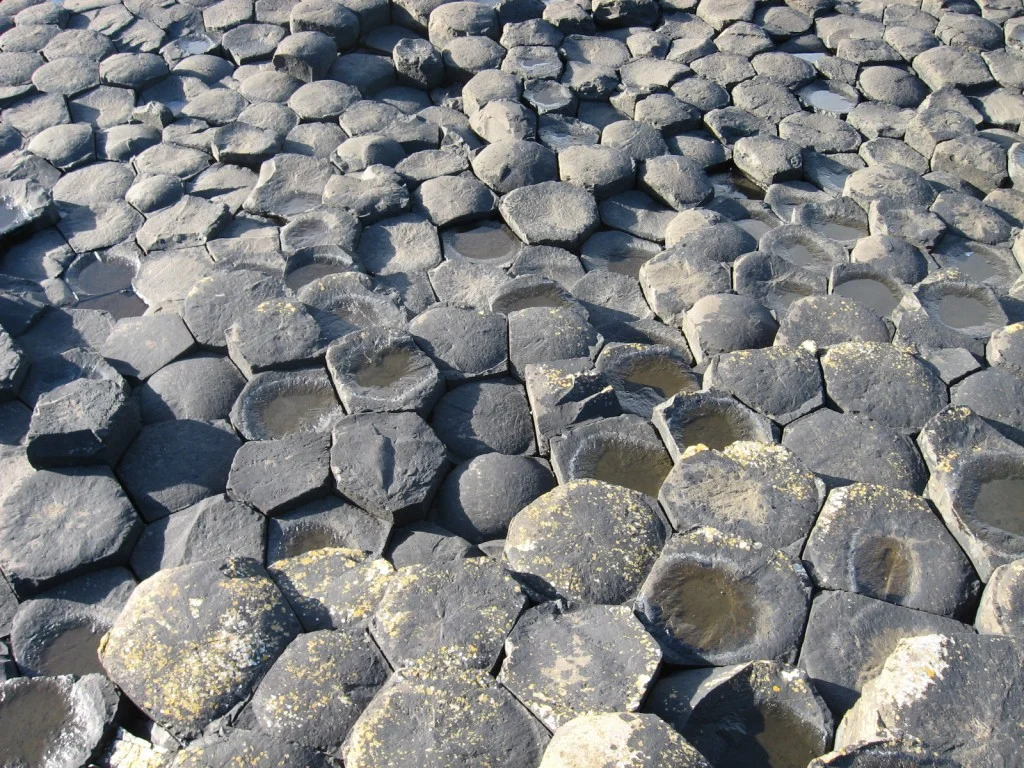
Since its discovery back in the late 1600s the origin of the spectacular polygonal columns of the Giants Causeway, located on a headland along the northern coast of Ireland, has been heavily debated. Early theories for its origin ranged from being sculpted by men with picks and chisels, to the action of giants, through to …[Read More]
Regular Features
GeoEd: How do we make climate predictions – An idea for an outreach activity
This month’s GeoEd post is brought to you by Dr. Mirjam S. Glessmer. Mirjam is a physical oceanographer, who during her PhD at GEOMAR Kiel, Germany, became more and more interested in understanding how people learn and hence did a Masters of Higher Education in parallel to her PhD. During her PostDoc at the University …[Read More]
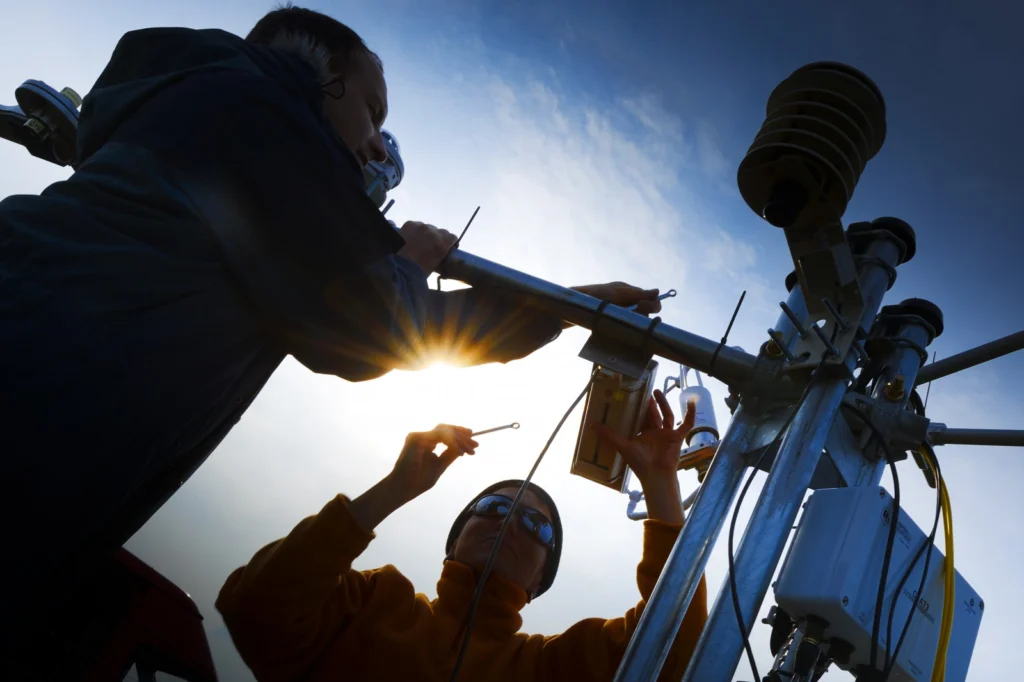
Imaggeo on Mondays: Science in action – how will climate change affect Central Europe?
The effects of a warming climate are expected to be far reaching. Sea-level rise, and how it will affect costal settlements make regular headlines, and not without reason. However, climate change may have other less obvious but equally dangerous impacts; for example, take a look at this recent piece highlighting the increased risk of storms …[Read More]
Geosciences Column: Earthquakes and depleted gas reservoirs; what comes first?
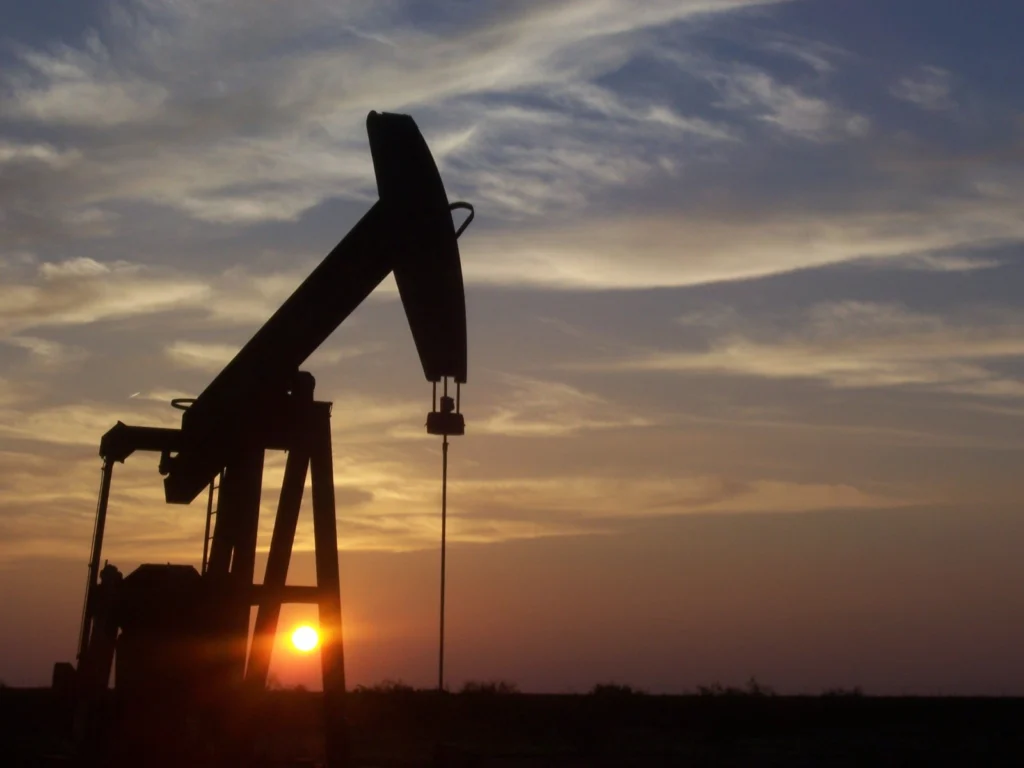
An ever growing population means the requirement for resources to fuel our modern lifestyles grows too. Be it in mining, oil/gas extraction or the improvement of renewable technologies, the boundaries of where and how we access resources are constantly being pushed. Previously inaccessible resources become viable prospects as demand increases and our technological know-how advances. …[Read More]
Imaggeo on Mondays: Drilling a landslide
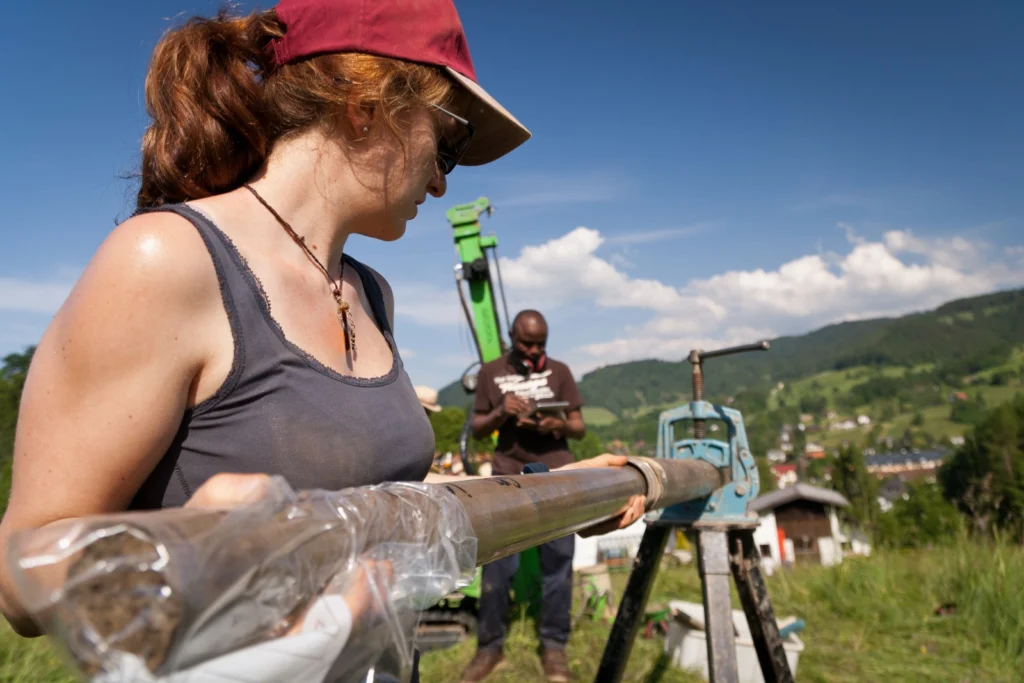
That landslides are hazardous goes without saying; the risk posed by them will largely depend on where they occur and their exact characteristics, which makes understanding the mechanisms which trigger them, as well as predicting when they might happen, extremely difficult. Today’s Imaggeo on Mondays image, brought to you by Ekrem Canli, a PhD student …[Read More]
GeoPolicy: EGU sciences on debate at the European Parliament
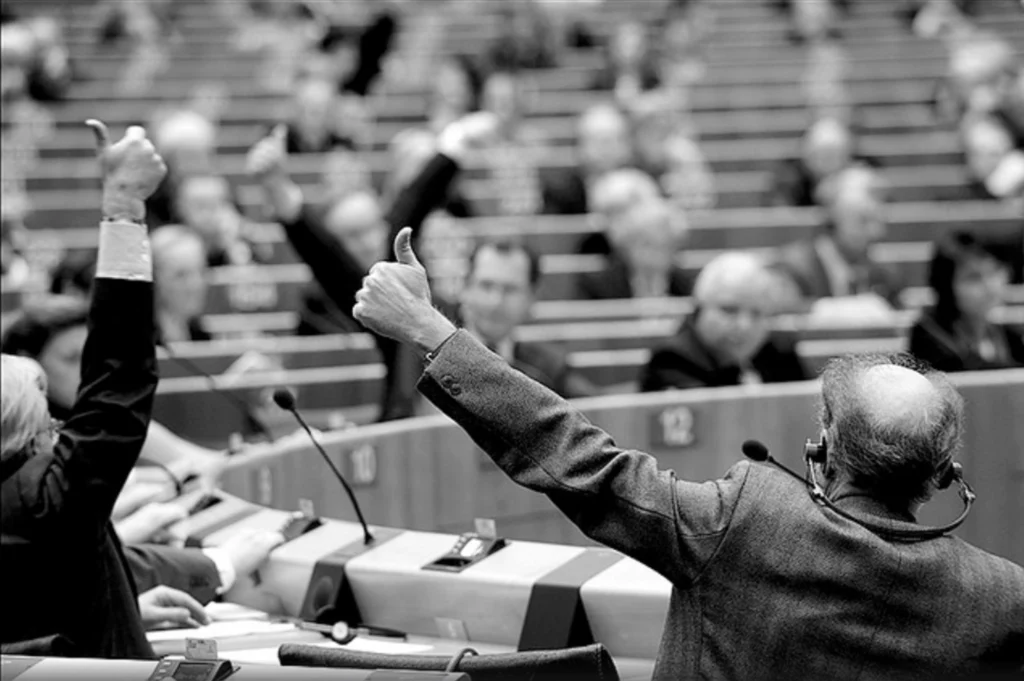
The adoption of legislation within the European Union (EU) is a complex process involving many steps. In my first blog post in this GeoPolicy series I highlighted an example of this process. Several draft legislation pieces are currently being assessed within the European Parliament (EP) and Council of Ministers (Council) that have been influenced by EGU-related …[Read More]
Imaggeo on Mondays: Icy seasmoke
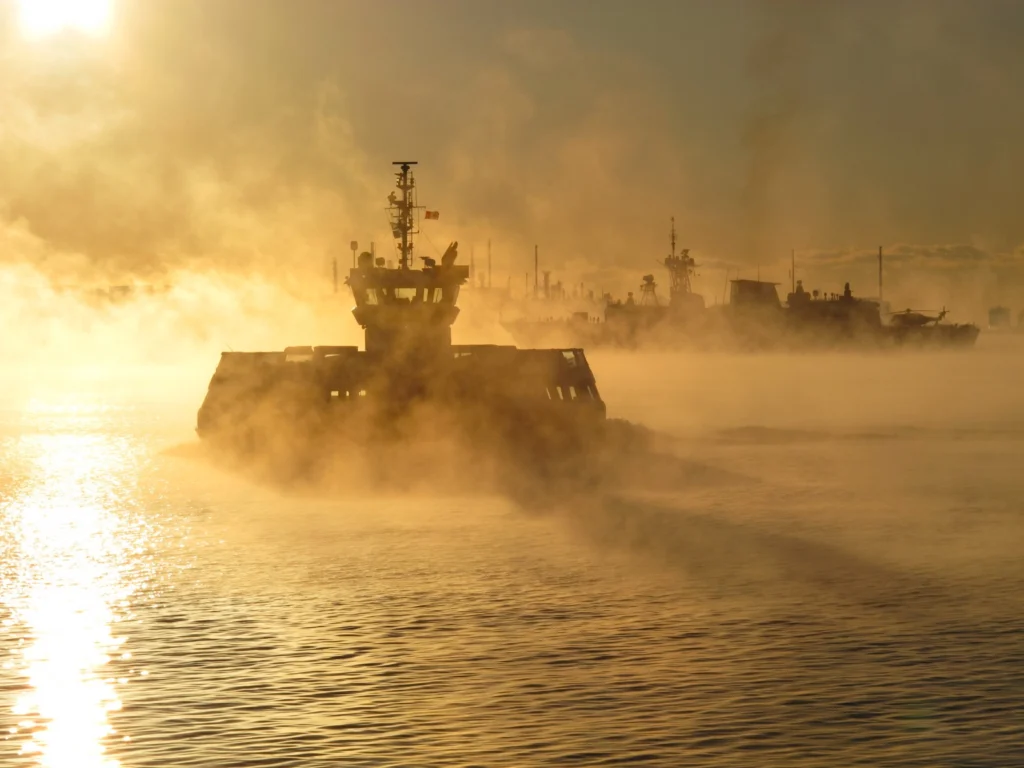
Today’s Imaggeo on Mondays image captures the eerie mood at Halifax Harbour, in Nova Scotia, Canada, on a sunny early morning. “The photograph captures rather unusual seasmoke surrounding a local commuter ferry with a number of other naval vessels in the background”, explains Helmuth Thomas, Professor at Dalhousie University (Canada) who took the snap back …[Read More]
GeoTalk: Anne Pluymakers, Early Career Scientist Representative
In addition to the usual GeoTalk interviews, where we highlight the work and achievements of early career researchers, over the next few months we’ll be introducing the Division early career scientist representatives (ECS). They are responsible for ensuring that the voice of EGU ECS membership is heard. From organising short courses during the General Assembly, …[Read More]
Imaggeo on Mondays: The world’s narrowest fjord
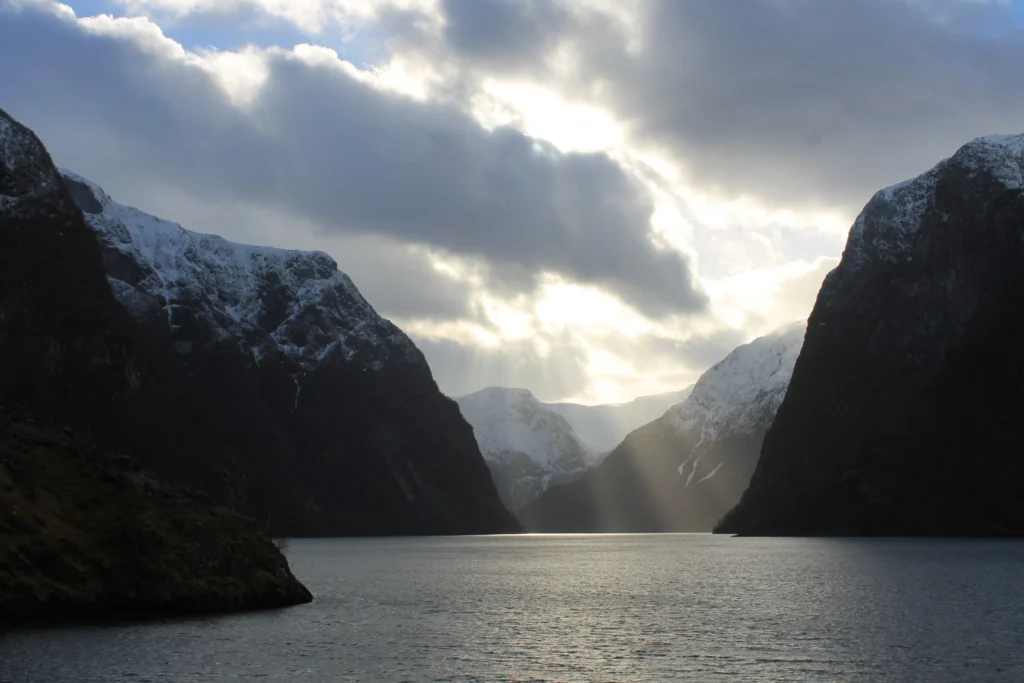
Feast your eyes on this Scandinavia scenic shot by Sarah Connors, the EGU Policy Fellow. While visiting Norway, Sarah, took a trip along the world famous fjords and was able to snap the epic beauty of this glacier shaped landscape. To find out more about how she captured the shot and the forces of nature …[Read More]
GeoEd: Geoscience teaching resources
Engaging students (regardless of age) during lessons can be difficult with a whole host of factors influencing their disposition to listen and learn. The same is true when carrying out public outreach and engagement activities. In both instances the key is to captivate the full attention of the audience and make the subject you are …[Read More]