GeoLog

Regular Features

GeoPolicy: What science policy & the European Union mean to EGU members

GeoPolicy: What science policy & the European Union mean to EGU members

Since joining the EGU over a month ago as the Union’s Policy Fellow, Sarah Connors, has been hard at work getting to grips with the political landscape of the European Union and the role Earth scientists and EGU members at large can play in policy making. This is post the first of the new GeoPolicy Column. During her one year term Sarah will regularly contribute content to GeoLog on all things pol ...[Read More]

Imaggeo on Mondays: The Grand Canyon and celebrating Earth Science Week

Imaggeo on Mondays: The Grand Canyon and celebrating Earth Science Week

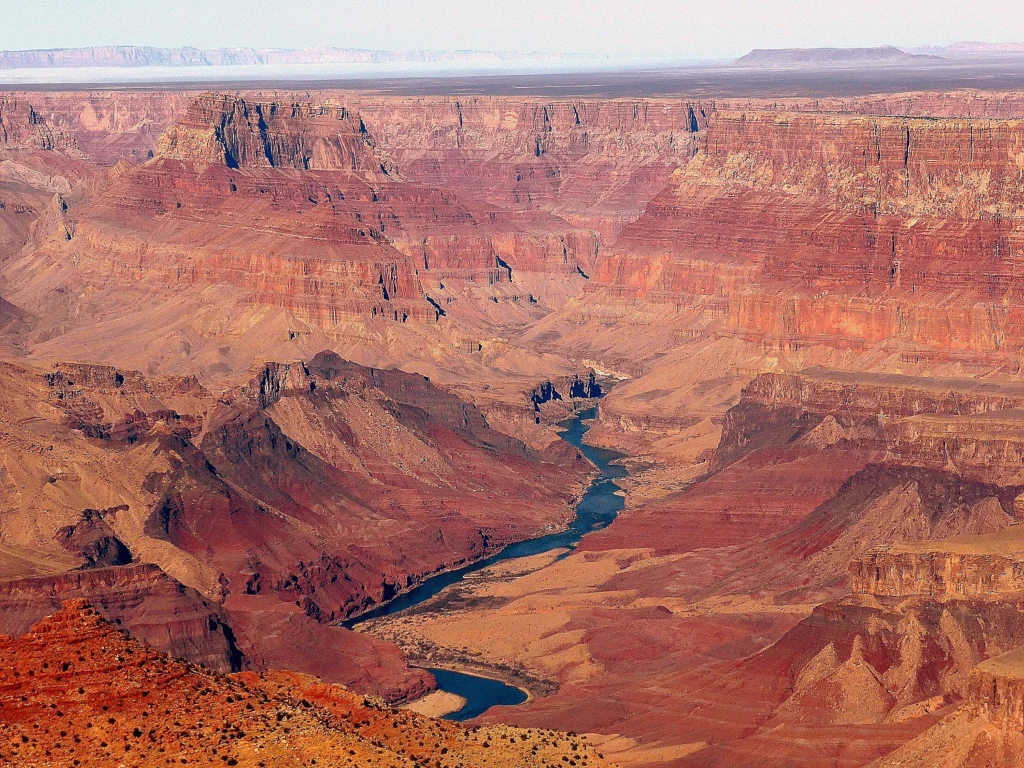
Today marks the start of Earth Science Week – a yearly international event which aims to help the public gain a better understanding and appreciation for the Earth Sciences. The event is promoted by the American Geosciences Institute and the Geological Society of London, amongst others, so be sure to head to their websites to find out more. Our Imaggeo on Monday’s image celebrates Earth Science We ...[Read More]

Imaggeo on Mondays: Mount Etna

Imaggeo on Mondays: Mount Etna

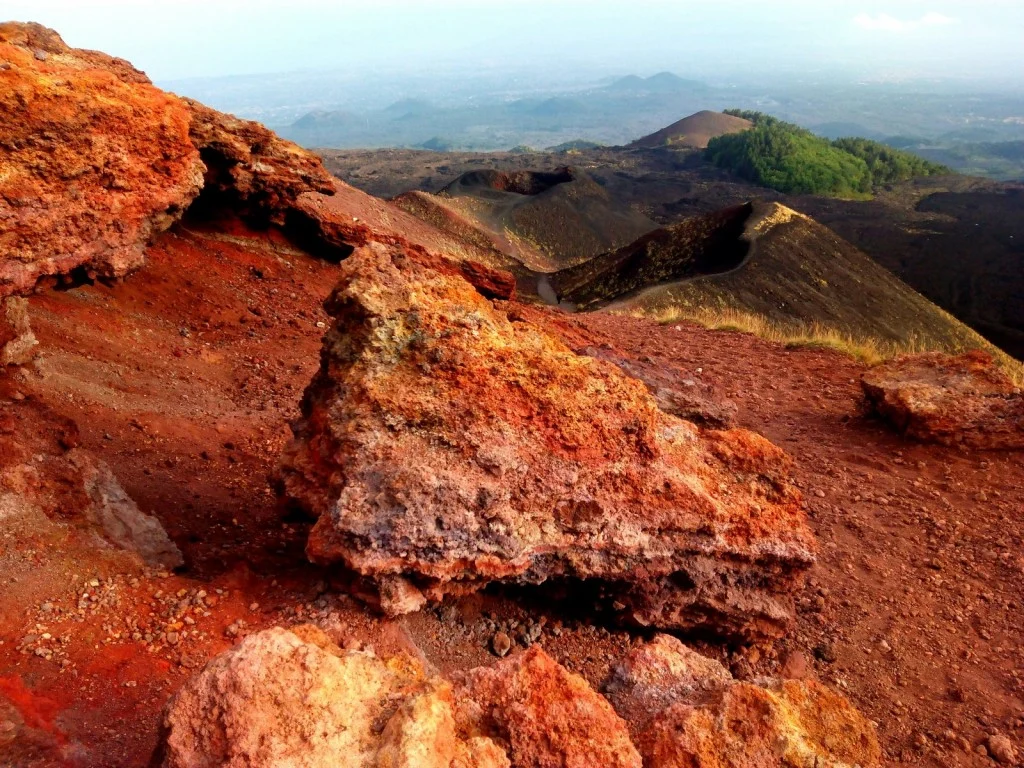
In this week’s Imaggeo on Monday’s image an almost Martian looking landscape, with ombre coloured soils, gives way to gently rolling hills, covered in luscious woods and vegetation. Were it not for the trees in the distance, you would be forgiven for thinking this image had been captured by a Mars rover. In truth, it is an entirely more earthly landscape: welcome to the slopes of Mt. Etna! Keep on ...[Read More]

Imaggeo on Mondays: Moulin on the Athabasca Glacier

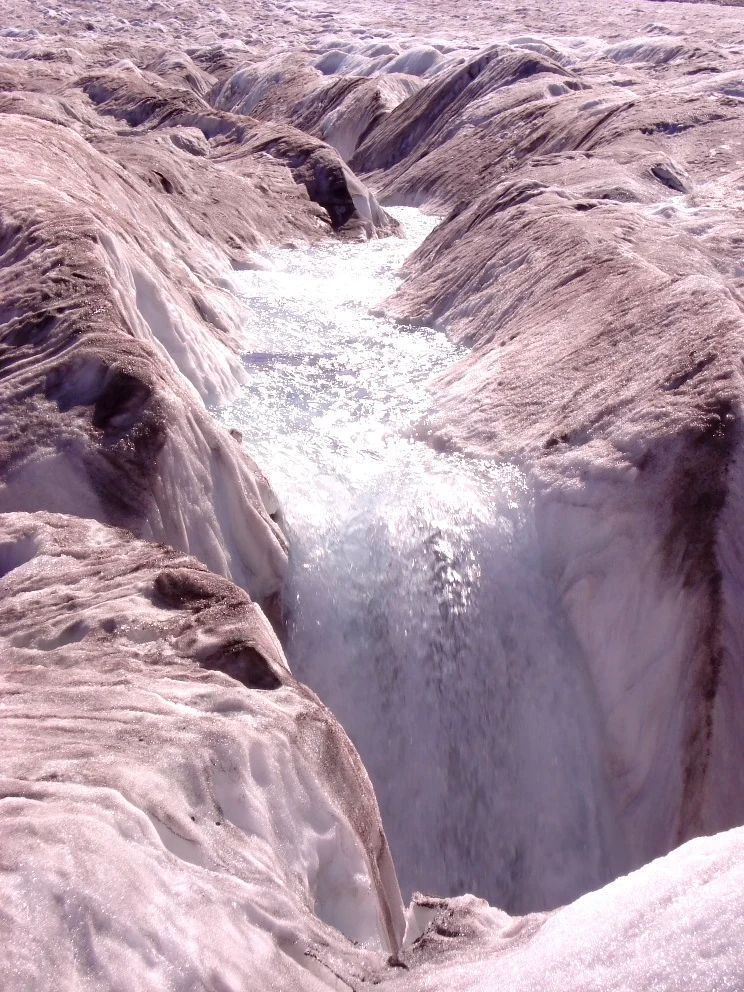
The Athabasca Glacier is located in Jasper National Park, in the Canadian Rockies. It is the largest of seven named distributary glaciers carrying ice away from the Columbia Icefield, the largest icefield in the Rocky Mountains. This picture shows a summer meltwater stream running on the surface of the ice disappear in a moulin – a vertical shaft forming part of the glacier’s internal plumbing sys ...[Read More]

GeoTalk: Talking about ‘ocean burps’ with James Rae

GeoTalk: Talking about ‘ocean burps’ with James Rae

Trying to understand the reasons behind the global warming of our climate is a never ending quest for scientists across the geosciences. Scientists often rely on deciphering past change to help us understand, and perhaps predict, what might happen in the future. Many will be familiar with the common saying ‘the past is the key to the future’. This is exactly what James Rae, a research fellow at th ...[Read More]

Imaggeo on Mondays: The organisation of a river system

Imaggeo on Mondays: The organisation of a river system

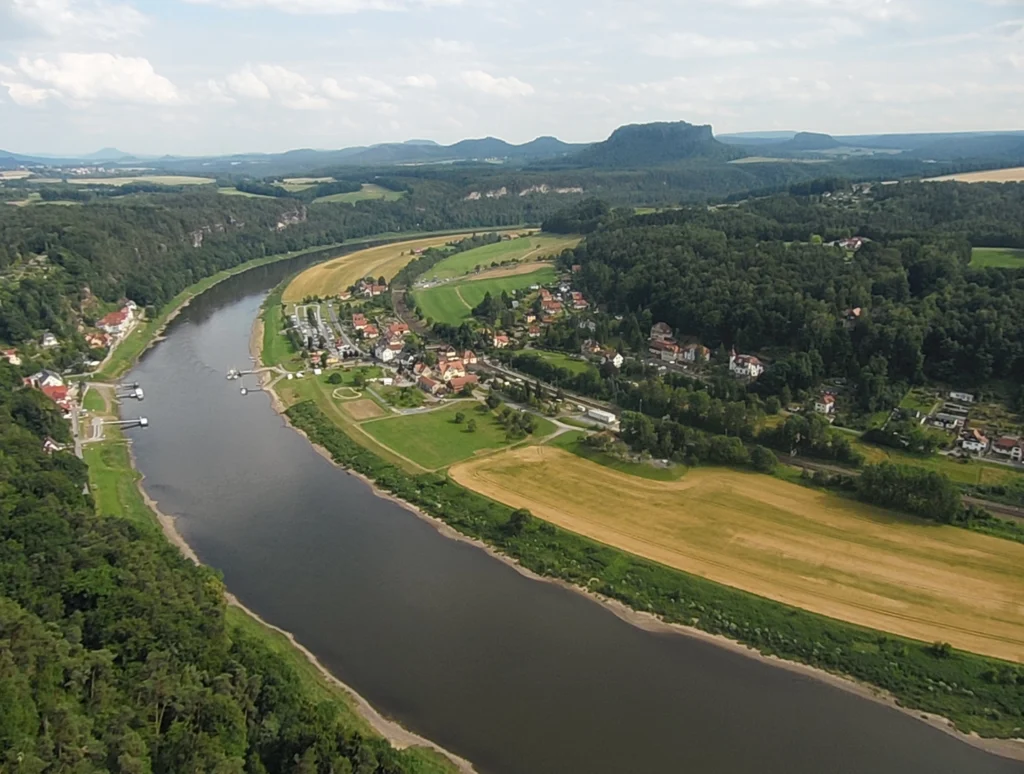
The picture shows the Elbe Rivervalley, one of the major rivers of Central Europe. It was taken from the Bastei Bridge close to Rathen, which towers 194 meters above the Elbe River in the state of Saxony in the south-eastern Germany. This region belongs to the national park known as Saxon Switzerland. Together with the Bohemian Switzerland in the Czech Republic, the Saxon Switzerland National Park ...[Read More]

Imaggeo on Mondays: Tombstones Mountains

Imaggeo on Mondays: Tombstones Mountains

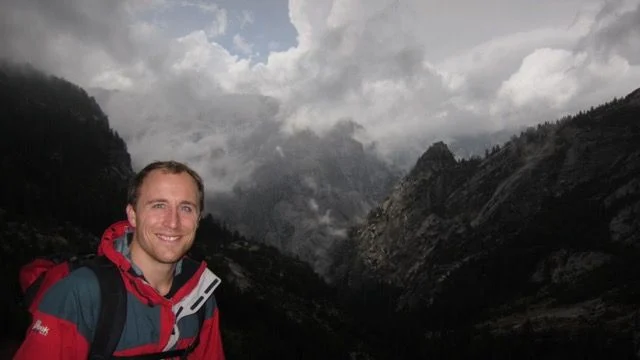
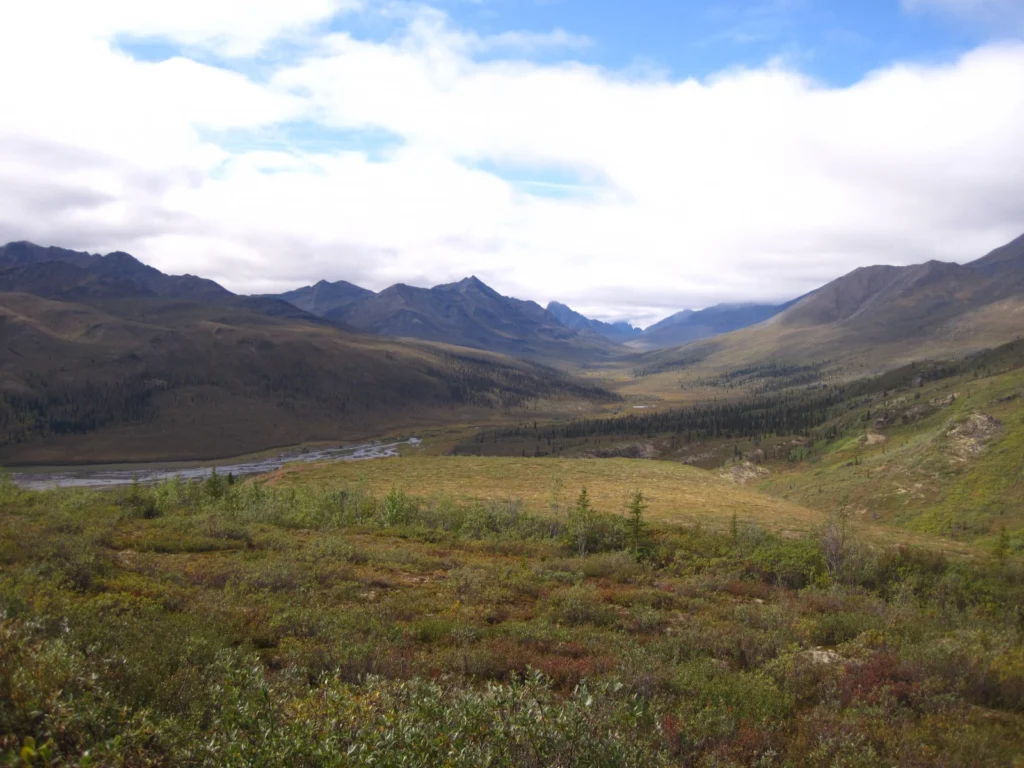
This week’s Imaggeo image is brought to you by one of our network bloggers, Matt Herod. Of the image, Matt said ” this particular one is one of my all time favourites. I have even blown it up and hung it on my wall at home,” and we couldn’t agree more; this Canadian landscape is breathtaking. Dive into this post and let Matt take you on a tour of the hydrology, archaeology ...[Read More]

Imaggeo on Mondays: Electron cloud gone wrong

Imaggeo on Mondays: Electron cloud gone wrong

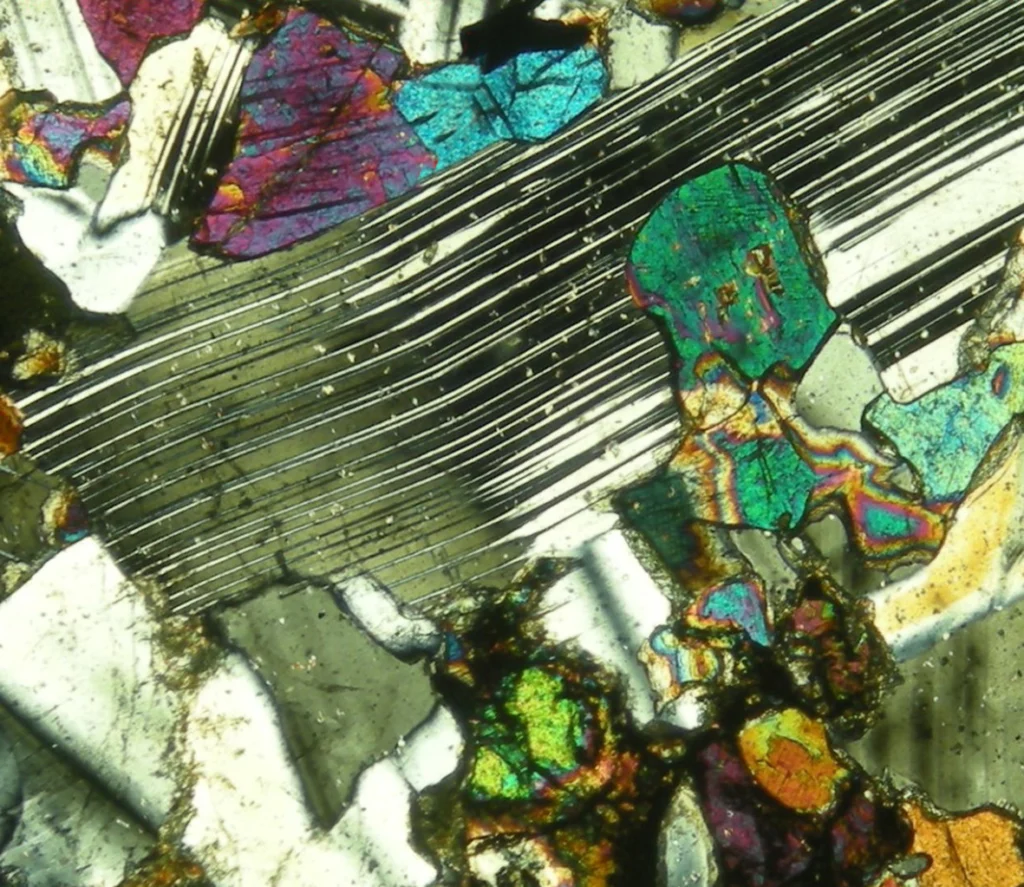
Deciphering the past history of rocks and what they might reveal about the Earth’s future is a key part of geology, and tools such as Ion Probes can be used by Earth Scientists to extract valuable information about a rock’s past. Today’s Imaggeo on Monday’s image was acquired by Sarah Glynn, a researcher at the University of the Witwatersrand, in South Africa, who was analysing a potential calcite ...[Read More]

Geosciences Column: The Oldest Eurypterid

Geosciences Column: The Oldest Eurypterid

The name of a newly found fossil of sea scorpion draws inspiration from ancient Greece warships and is a unique example of exceptional preservation, shedding light on the rich life of this bygone sea critter, explains David Marshall of Palaeocast fame. To learn more about the importance of giving new fossils names and what Pentecopterus decorahensis (as the new fossil is formally called) teaches u ...[Read More]