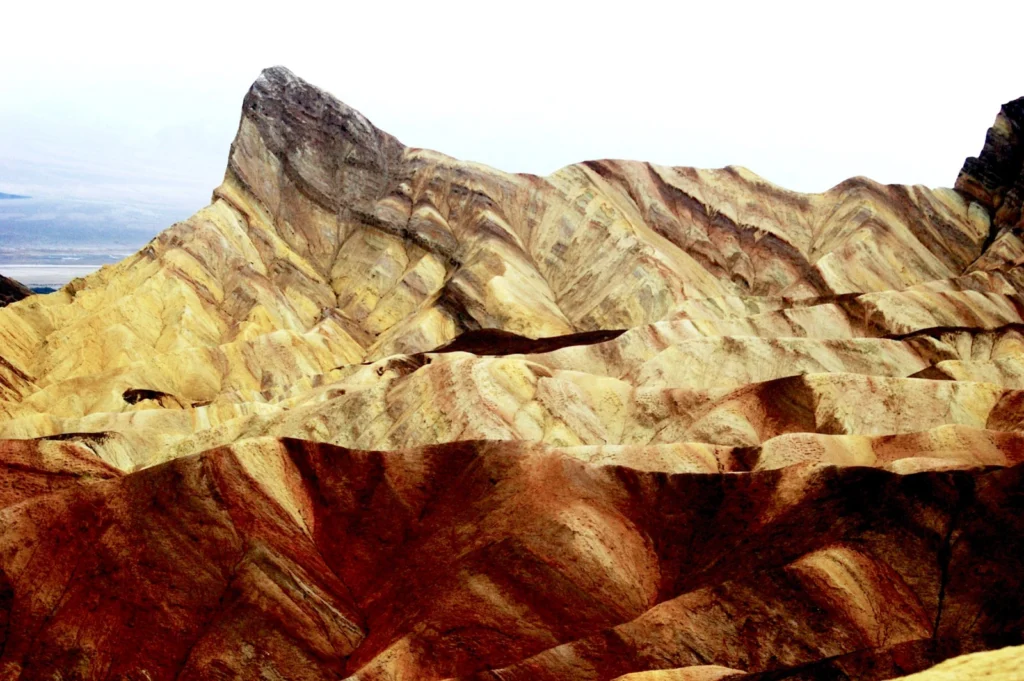
The badlands at the Zabriskie Point (Death Valley, California, USA) rest upon a mudstone foundation. In the prehistoric lakes of Death Valley, fine grained sediments were deposited to form soft rocks. The clay minerals in the mudstone are shaped like tiny plates, which helps create the layers. The combination of the almost impermeable mudstone and Death Valley’s low rainfall makes plant grow ...[Read More]
Imaggeo On Mondays: The valley along the fault
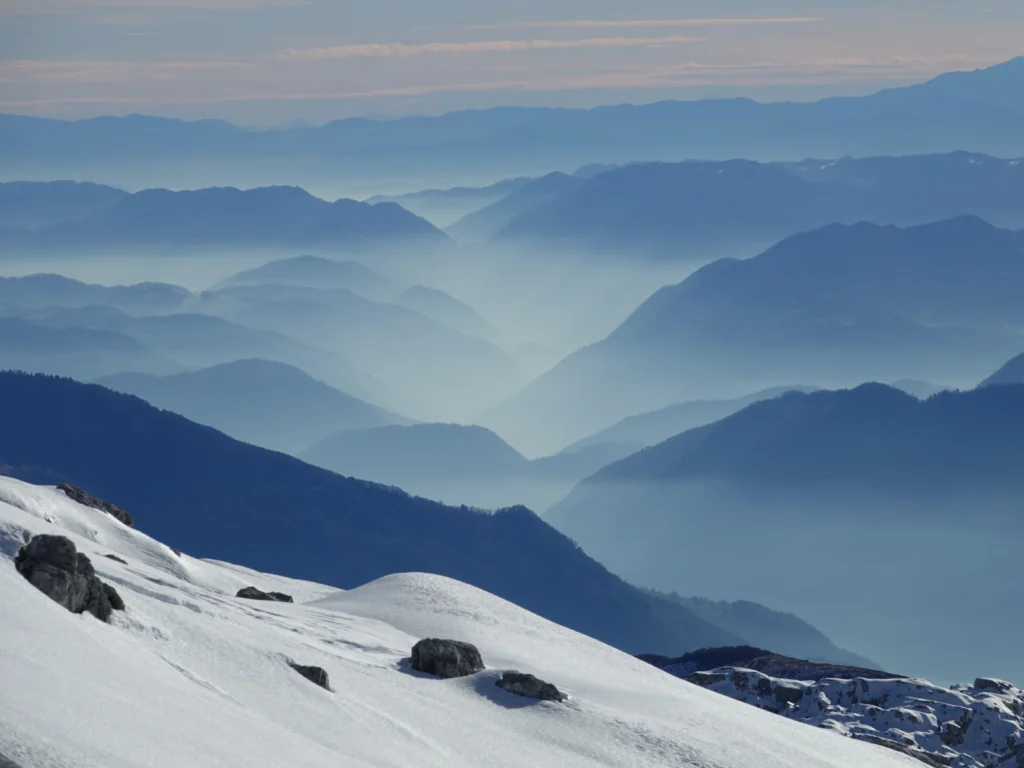
The Idrija fault is a an active fault crossing Slovenia for more than 100 km in a NW-SE direction and is responsible for several important geological features in the country. Among them, we can mention the former-active mercury mine of Idrija which has registered as a Unesco World Heritage site since 2012. Another example that demonstrates the impact of this fault is it’s effect on th ...[Read More]
Imaggeo On Mondays: Natural Arch
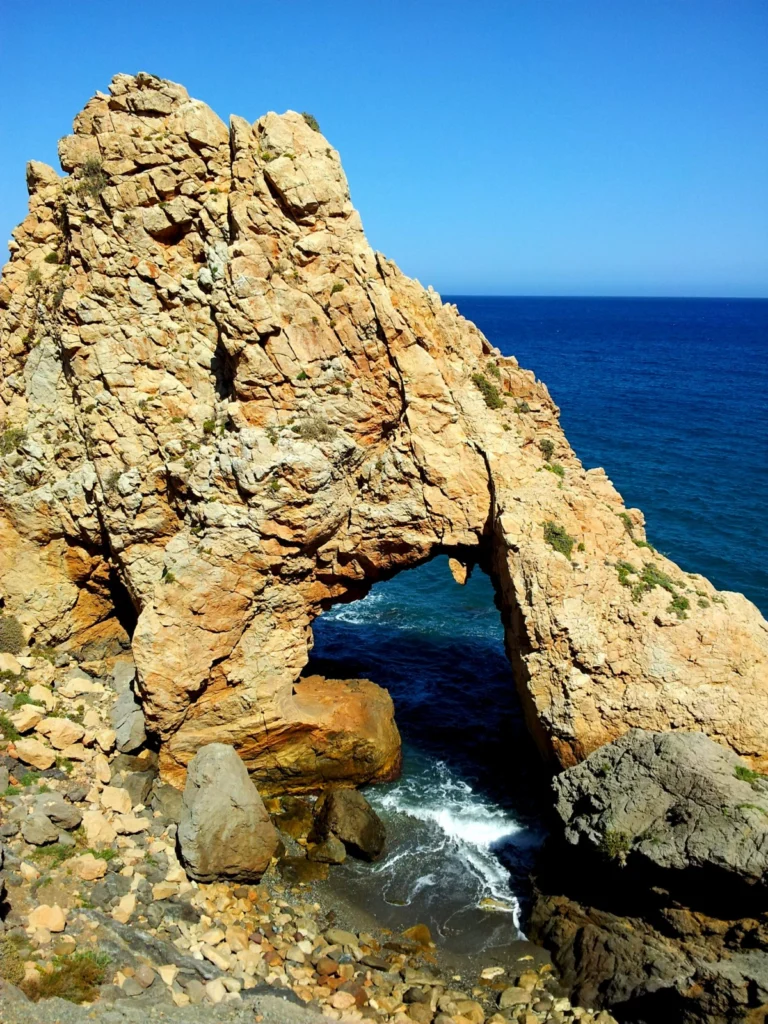
This natural arch named Pirulico’s tower is located in Mojácar, situated in the south east of the Province of Almería (Andalucia) in southern Spain. A natural arch, natural bridge or, less commonly, a rock arch is a natural rock formation where a rock arch forms, with an opening underneath. Most natural arches form as a narrow bridge, walled by cliffs, become narrower from erosion, wi ...[Read More]
Imaggeo On Mondays: “The most valuable thing we extract from the ocean is our existence” Dr Sylvia Earle
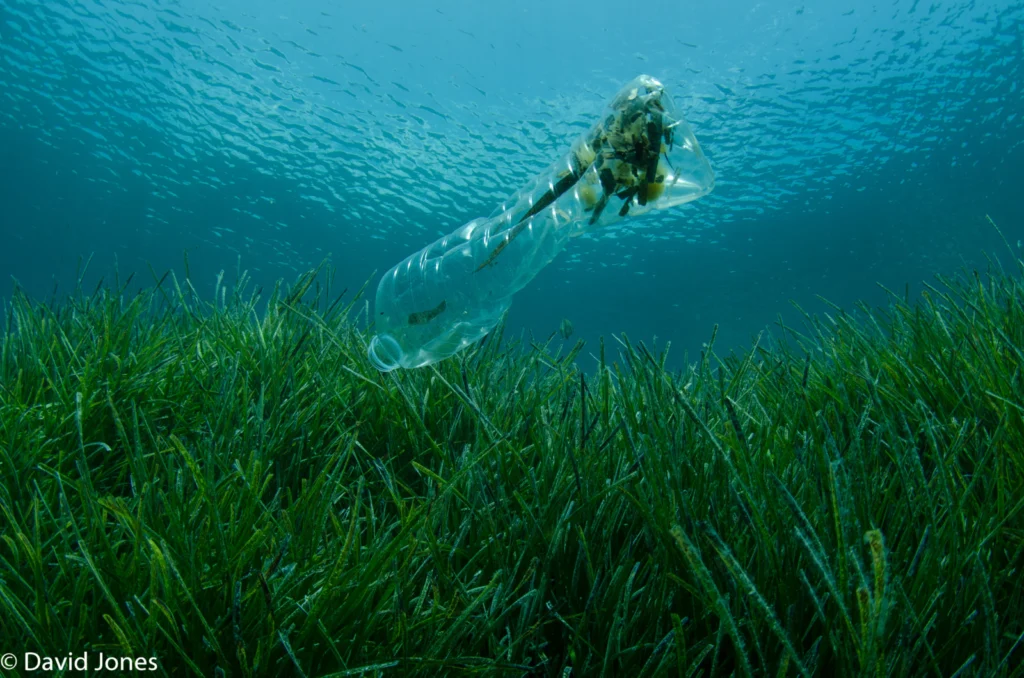
Marine plastic is just one of the many challenges facing the future of our oceans. For many years researchers have been attempting to understand this problem, but it can be surprising to learn how many things are still unknown, even in oceans we may think of as being familiar. The Mediterranean Sea is one such place, where this photograph was taken by David Jones just off the coast of Malta.   ...[Read More]
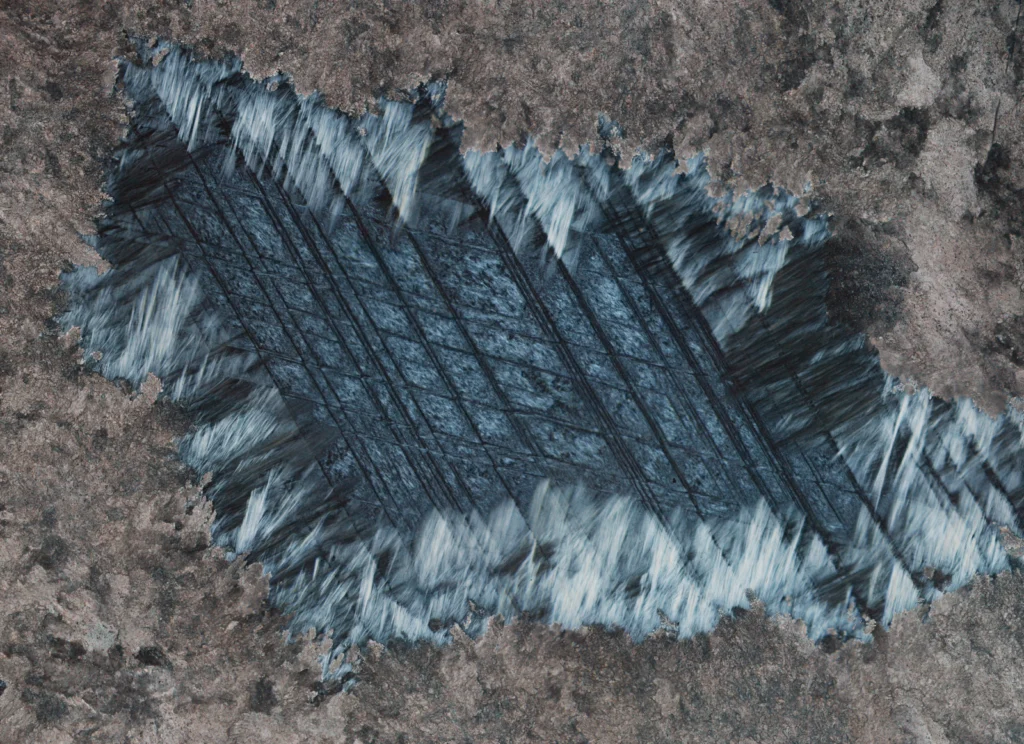
Imaggeo on Mondays: The Grid – A serpentine pseudomorph after carbonate
The structures in this photo might look three-dimensional, but they are completely flat. It is a photo of a polished thinsection of a rock, taken through a petrographic microscope under cross-polarized light. The width of the image is just 2 mm. The brownish mineral around the edges is carbonate, the white to grey mineral in the centre is serpentine, a water-bearing silicate mineral. The different ...[Read More]
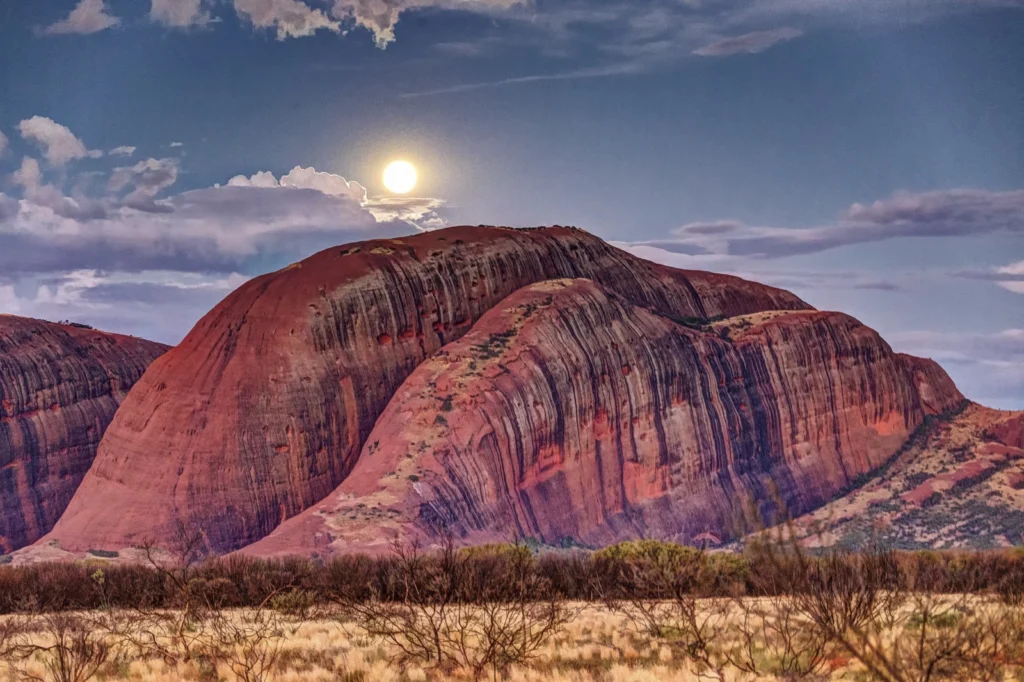
Imaggeo on Mondays: Moonrise at Kata Tjuta
This is a high-dynamic-range (HDR) photograph of moonrise over the hills of Kata Tjuta in central Australia. The HDR technique allows details to be seen in the deep shadows and well as in the brighter parts of the image. Kata Tjuta (formerly known as The Olgas) means ‘many heads’ in the Pitjantjatjara language, spoken by the local Anangu people. The location is approximately 360 km SW of the ...[Read More]
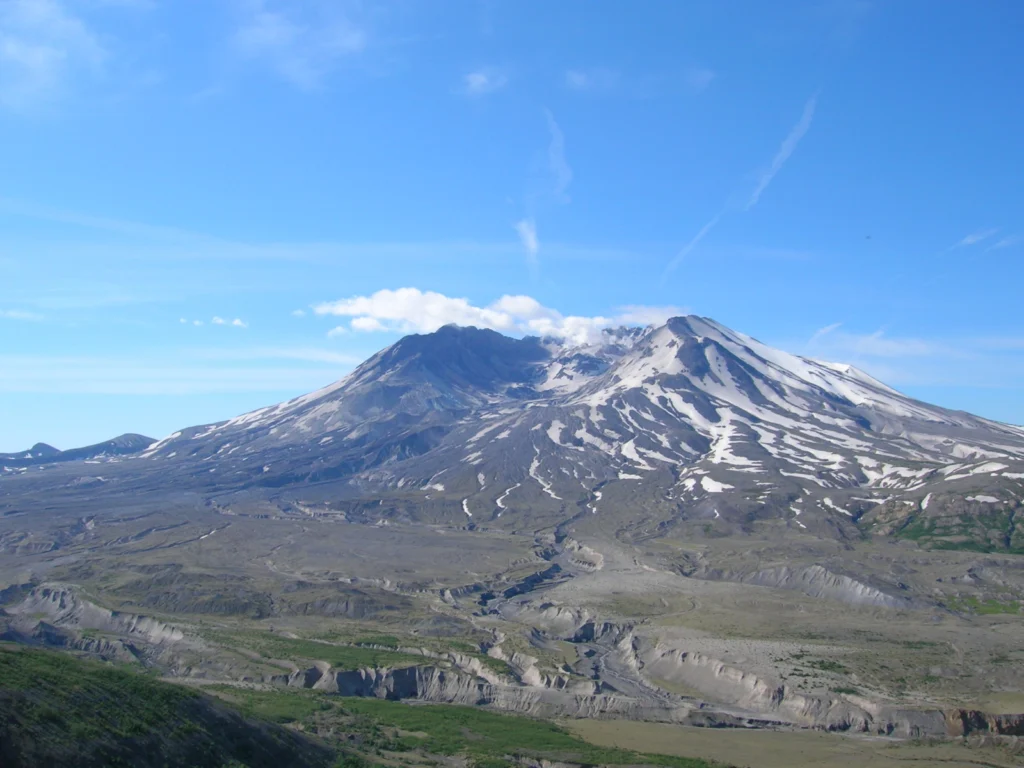
Imaggeo on Mondays: Loowit – the lady of fire.
Today marks the 40th anniversary of the explosive eruption of volcano Mount St Helens, in western Washington State in the USA. So we wanted to feature this iconic volcano in this week, in our weekly feature, Imaggeo On Mondays. If you would like your imaggeo image featured in our blog, please contact the EGU Communications Officer. Mt St Helens, in Washington State USA, is possibly one of t ...[Read More]
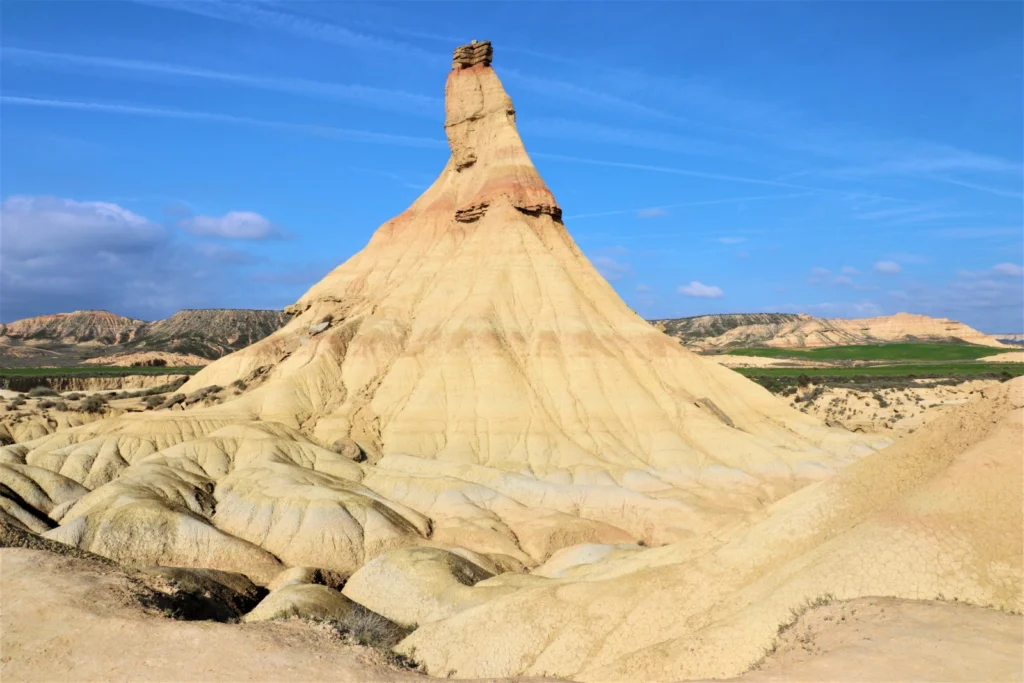
Imaggeo on Mondays: Striking erosion in the Bardenas Reales
The Castil de Tierra has become the symbol of the Bardenas Reales region which is geographically located in the south-eastern margin of the Navarra Province in northern Spain. The Bardenas Reales is a semi-desert natural region situated in the middle-western sector of the Ebro depression. The geology is made up of Tertiary and Quaternary sediments. Rainfall events, wind and high temperatures enhan ...[Read More]
EGU’s 2020 Photo Competition finalists – who will you vote for?
This year’s Photo Competition judging panel did a fantastic job of narrowing down the outstanding photo submissions to the EGU’s Photo Competition to just 10 finalists! The finalist photos are listed below and on the Imaggeos website where you can vote for them from today (27 April) until 7 May 2020. Then three photos with the most votes will be announced online at midday on 8 May! C ...[Read More]
Imaggeo on Mondays: A window to ice and fire
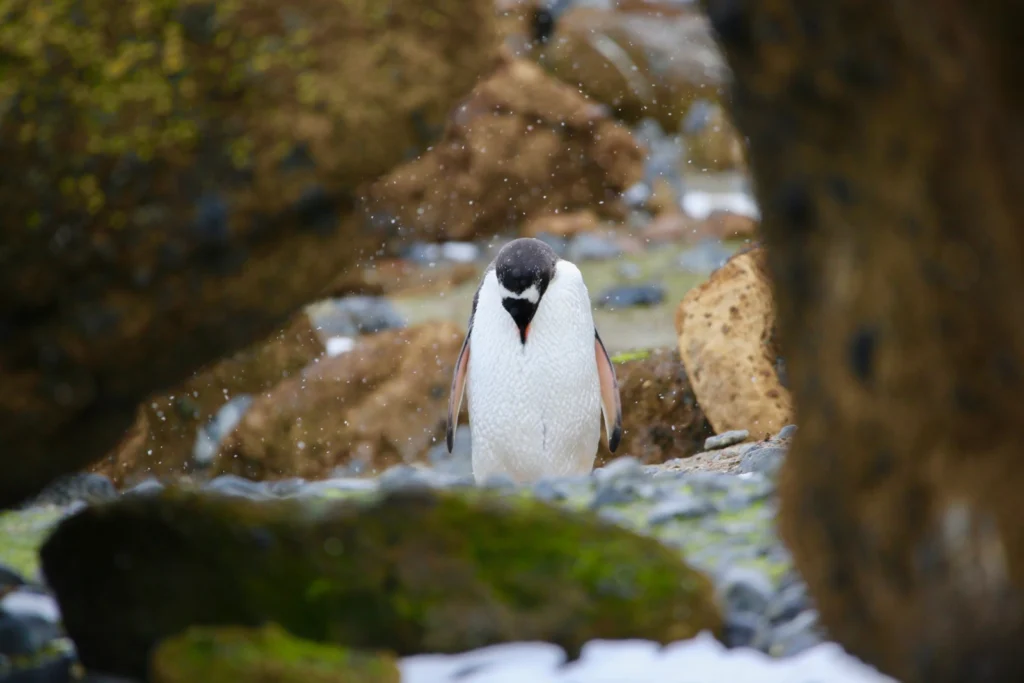
Brown Bluff is a basalt tuya located on the Tabarin Peninsula of northern Antarctica. This site supports a breeding colony of about 20,000 pairs of adelie penguins and about 550 pairs of gentoo penguins. Geologically speaking, Brown Bluff is simply fascinating. The towering bluffs were the result of an explosive volcanic eruption under ice. Large boulders have toppled from Brown Bluff to the beach ...[Read More]