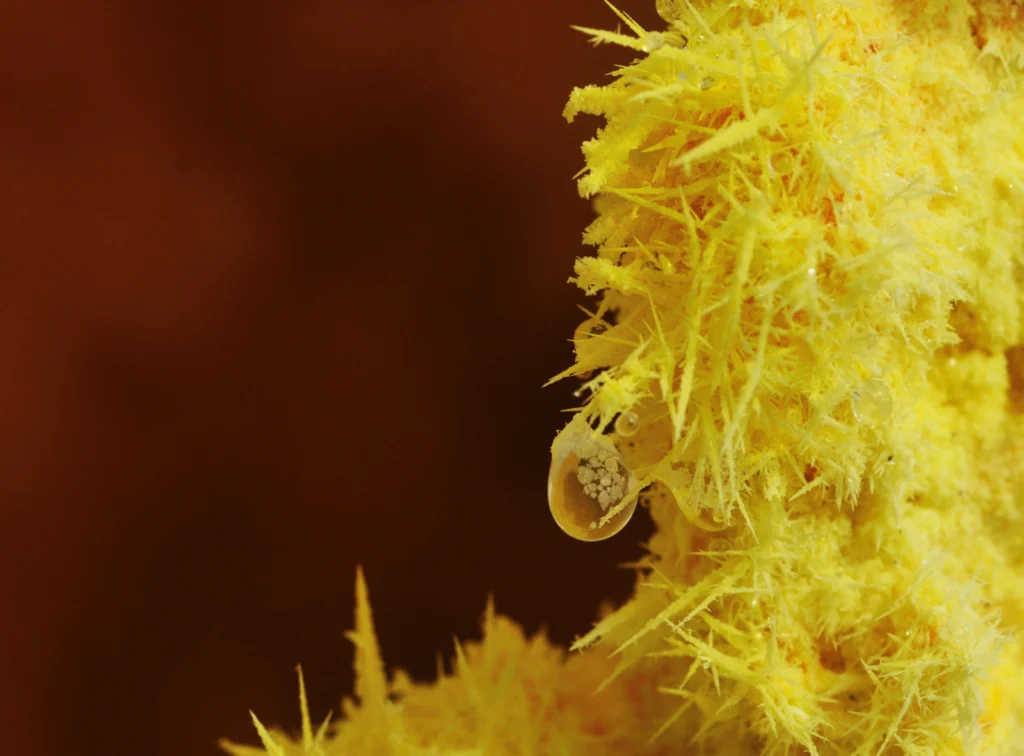
Mineralogy, as a subject, often has a hard time. Despite it’s place at the core of the traditional geological sciences, and its importance in a huge variety of other subjects, mineralogy sometimes has a reputation of being complicated and inaccessible and, well, some people have even called it boring. This is also related to the way that minerals are often hugely misunderstood by non-geoscie ...[Read More]
Imaggeo On Monday: The kidneys of the Planet
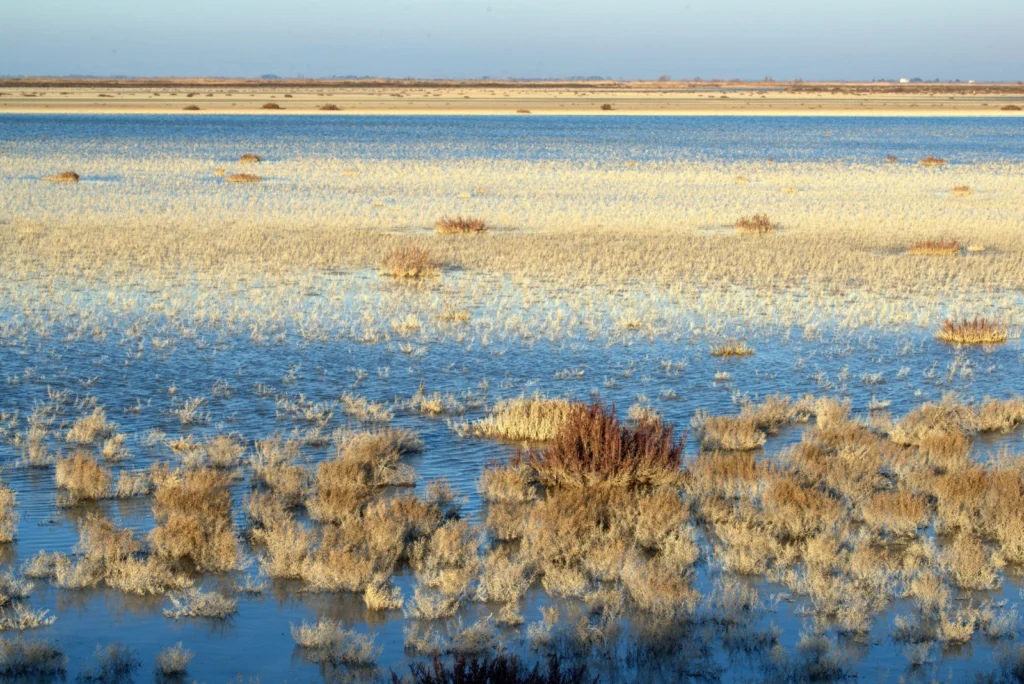
In the past, humans considered wetlands as morbid environments where it was difficult, if not impossible, to live. Wetlands, instead, are vital to the health of wildlife and humans, as the Ramsar convention stated in 1971. Wetlands regulate the water flow, buffering droughts as well as floods, and also contribute to the provision of clean water. In addition to water flow regulations and to the pro ...[Read More]
Imaggeo On Monday: The veins of the living planet
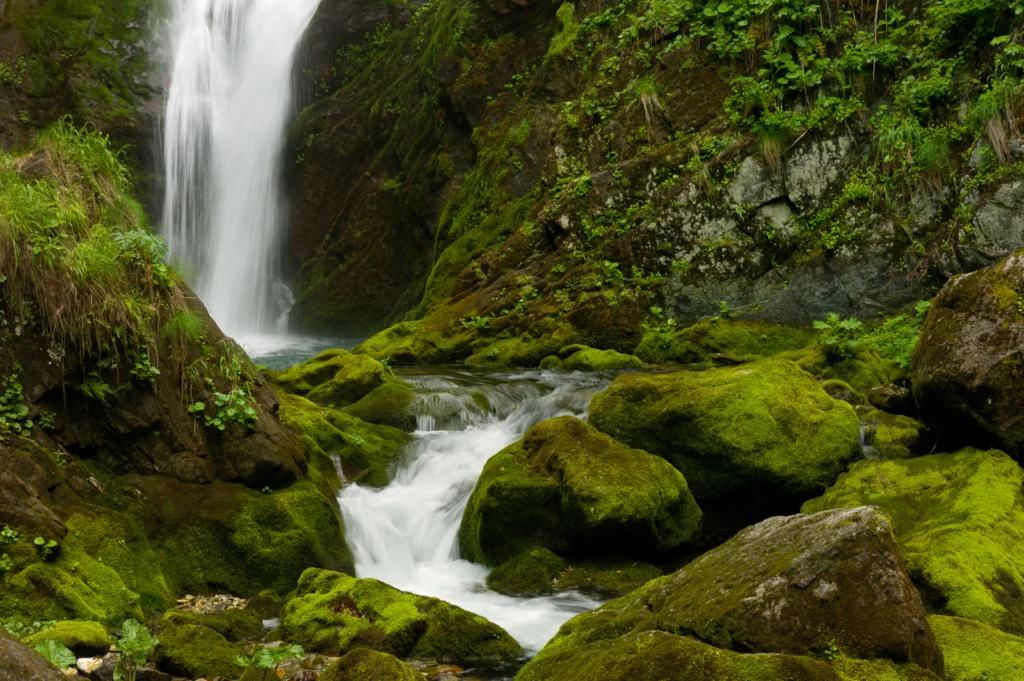
Today’s imaggeo on Monday provides us with a space to reflect on the interconnected nature of our planet’s systems. The photographer, Antonello Provenzale, wrote of this image: Earth is a living planet, where the water cycle plays an essential role. A waterfall in the mountains of Valle Pesio, Italy, in a landscape of vegetation and mosses, reminds us of the fluxes and cycles of water ...[Read More]
Imaggeo On Monday: Burnt roots
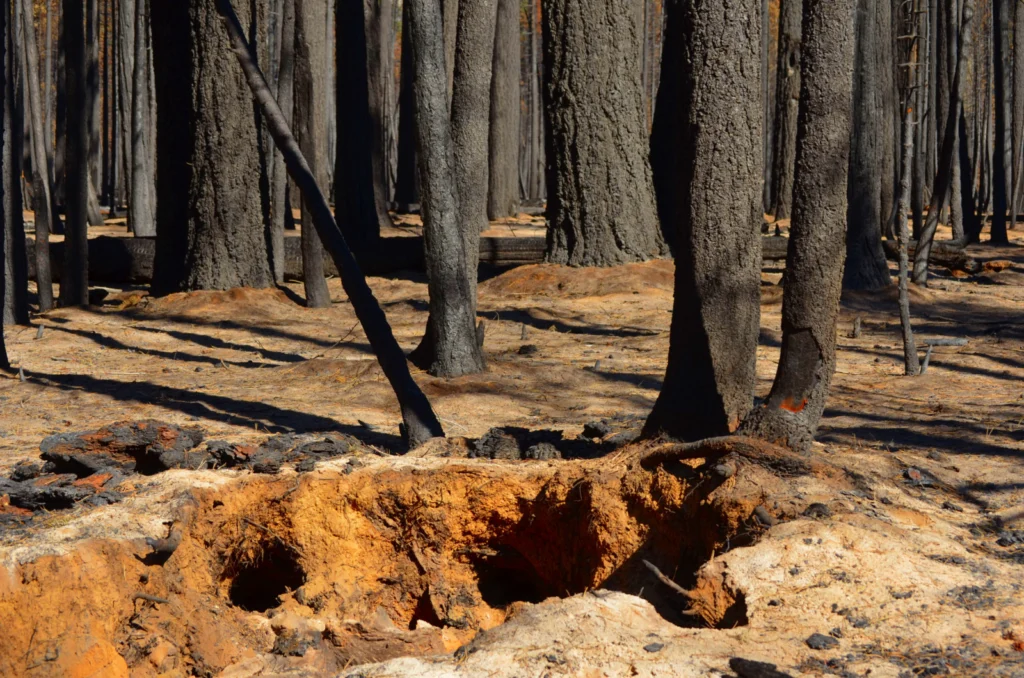
Fires are a common and often natural worldwide phenomena, that are often integral to the lifecycle of certain land-based ecosystems. Despite this, frequent or unusually intense fires can have significant effects on plant productivity, plant community composition and root properties. Although many trees have evolved to grow in fire prone areas, they usually have certain adaptations to help them sur ...[Read More]
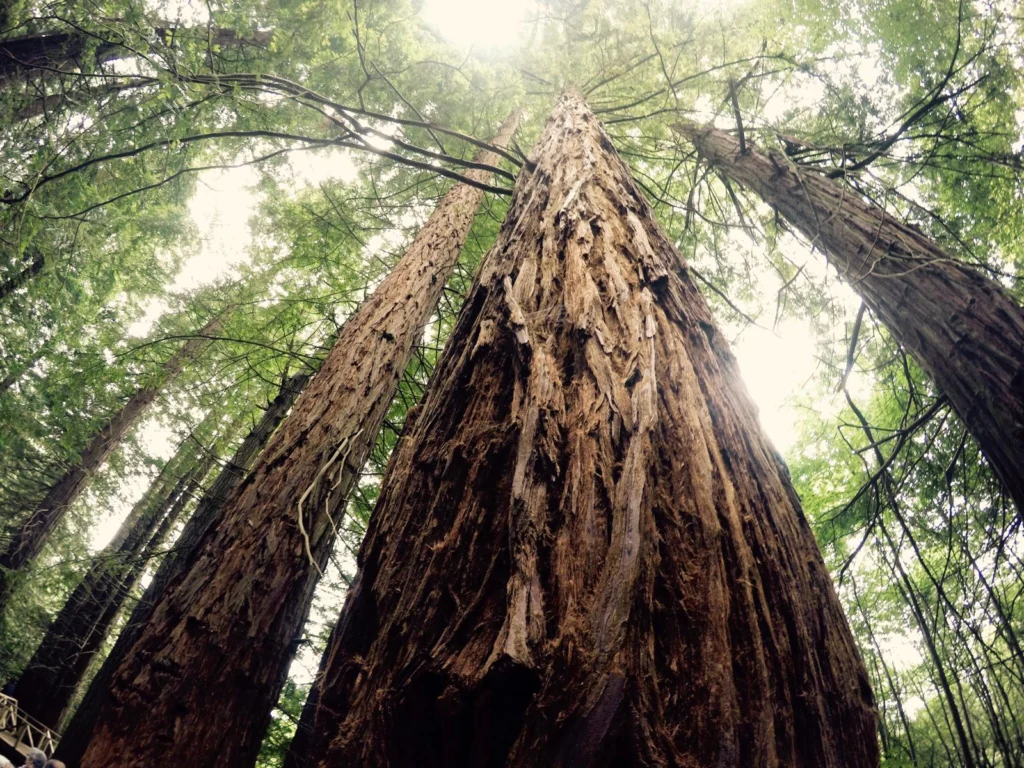
Imaggeo On Monday: A marvellous sequoia in spring time
Although more commonly associated with the west coast of the United States, if you visit Cabezón de la Sal in Spain you may come across a stand of giant redwood trees or Sequoia. Around 800 trees were brought to Spain in the 1940s, so are still very young, but even at their young age they are still around 40 meters high! Sequoia groves, as well as being awe-inspiring to look at, provide a uniquely ...[Read More]
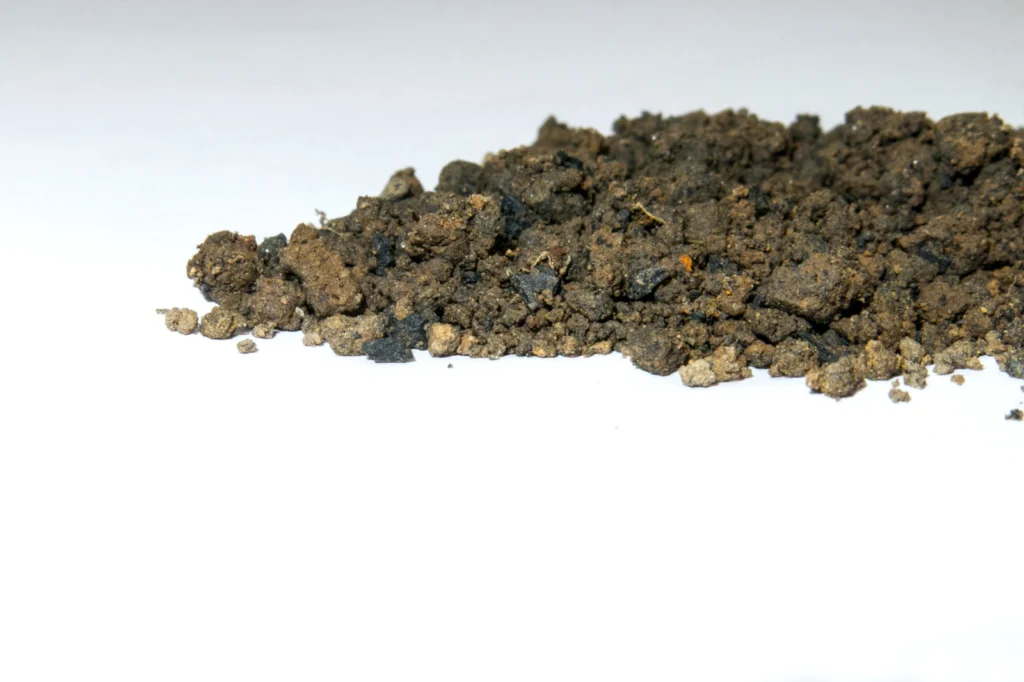
Imaggeo On Monday: Carbon-sink
Biochar is a carbon rich product of biomass pyrolysis, a process where biological material is exposed to high temperatures, in the absence of oxygen, to cause the decomposition of that material into various chemical and physical components. By going through this process, biochar can be a valuable soil additive and a carbon sink with a high potential to take up a wide variety of contaminants (throu ...[Read More]
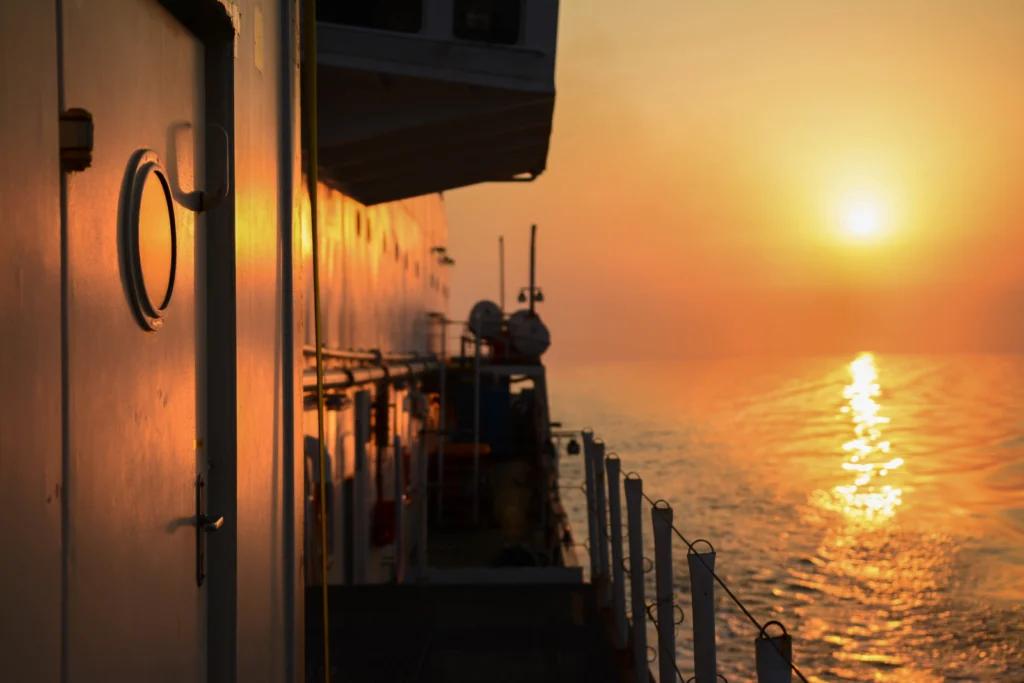
Imaggeo On Monday: Sunset in the Arabian basin
We know the topography of the moon better than the Earth’s seafloor, so we need to keep studying the ocean, and, for me, going to sea is the best way. Only twenty percent of the seafloor is already mapped (see the Seabed 2030 Project), leaving eighty percent of our ocean unmapped, unobserved, and unexplored. This is why ocean going research is fundamental, not only for seabed mapping, ...[Read More]
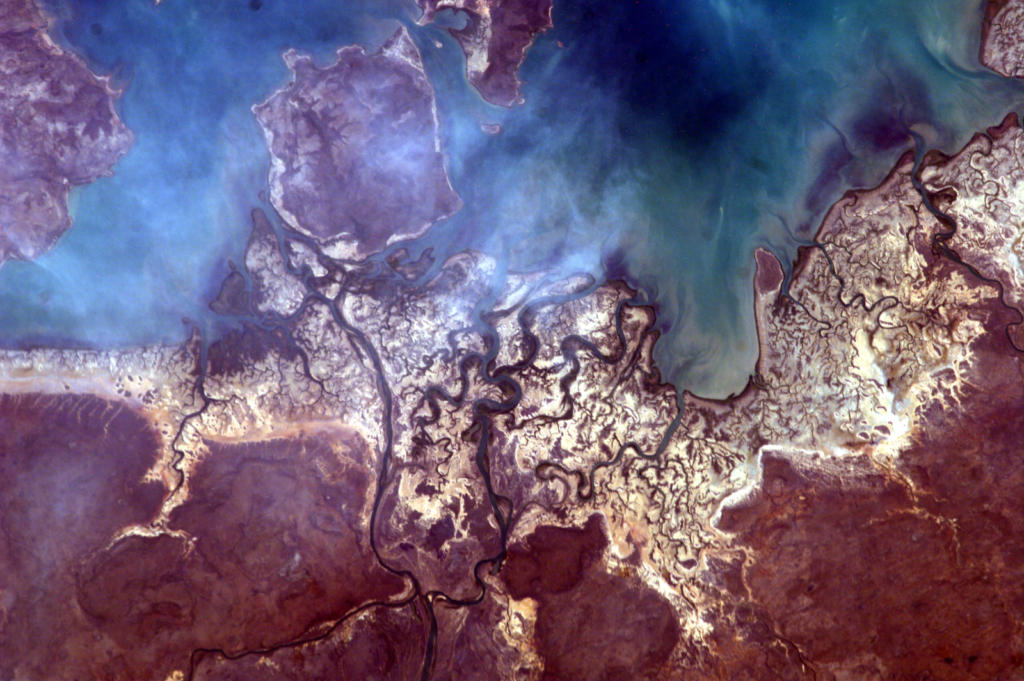
Imaggeo On Monday: Watercolors- Nature’s talent
The photo was taken from the International Space Station (ISS), approx. 400 km above the Earth, in the educational project administered by NASA: Sally Ride EarthKAM, Mission 59, November 2017. The image was requested by a team of students from my college, coordinated by me. Even though we weren’t there, on ISS, to trigger the camera, all the locations in which the photographs were taken are ...[Read More]
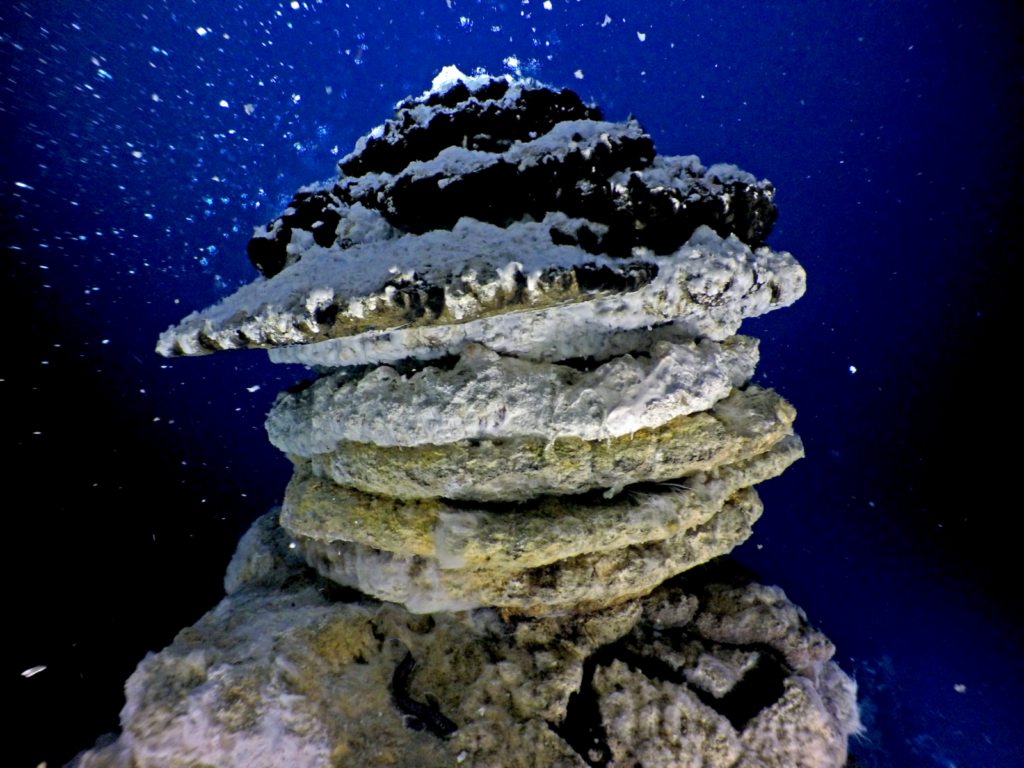
Imaggeo On Monday: Under the sea, in the deep, where fire meets water and life emerges III
650 metres below the chilly waves of the North Atlantic Arctic Ocean, equidistant between Norway, Iceland and Greenland, are the Jan Mayen Vent Fields. Home to a series of hydrothermal vents strung along a set of normal faults and fissures that run parallel to the seafloor ridge, this is a strange and fascinating place. Hydrothermal vents are places where tectonic activity provides a way for the h ...[Read More]
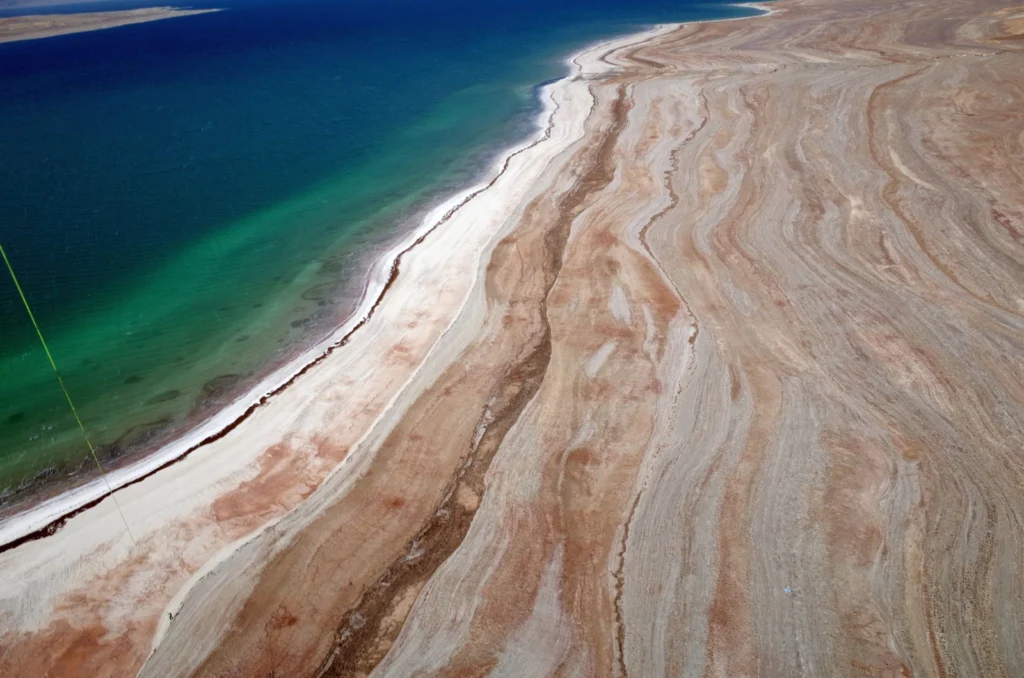
Imaggeo On Monday: Geoscientific selfie at the Dead Sea
This is an aerial image taken from a balloon at around 150m height, at the eastern shoreline of the Dead Sea. Such “selfies” are scientifically valuable, providing important data that help researchers to analyze the morphology of the retreating lake and investigate associated hazards like sinkholes, subsidence and landslides. The older shorelines, visible as lines on the shore stand fo ...[Read More]