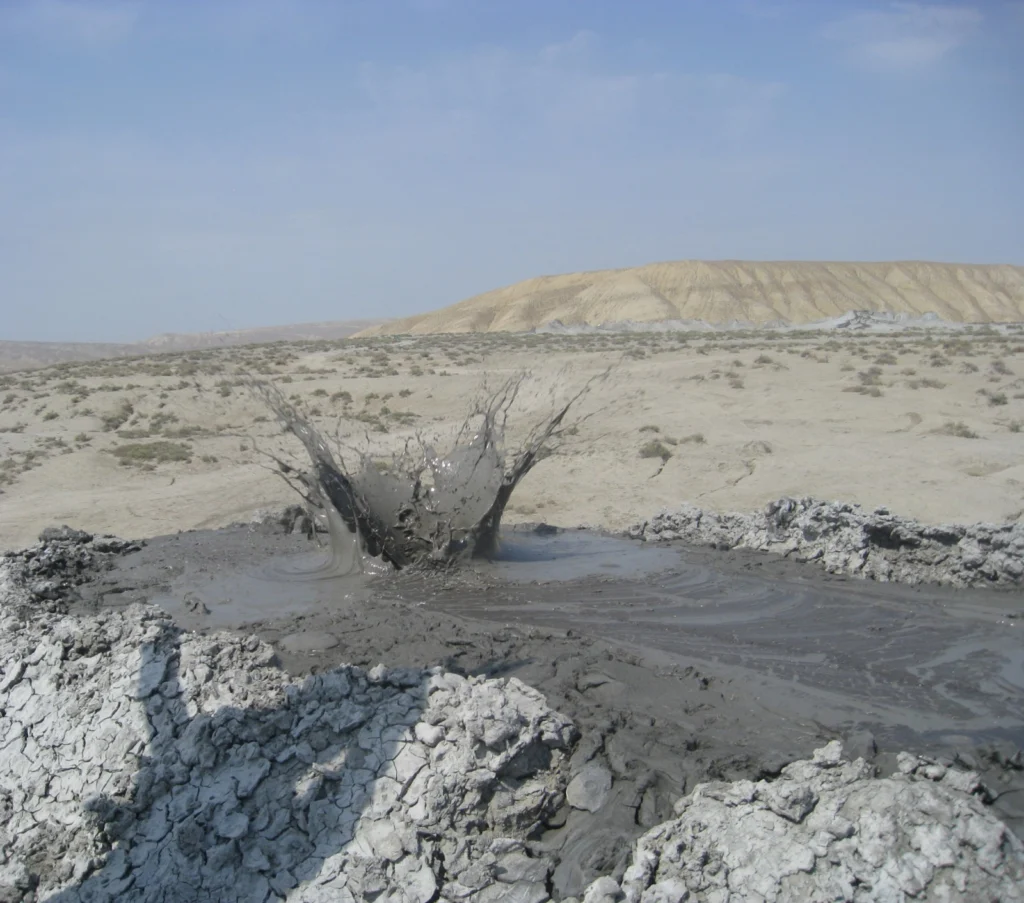
Azerbaijan one of the best places in the world to find mud volcanoes, because of the number that are in the country. Mud volcanoes are broadly spread across Azerbaijan. About 350 of approximate 800 mud volcanoes in the world are found in the Azerbaijani Republic. This includes both underground and submarine mud volcanoes, which also famed in Azerbaijan. There are more than 140 submarine mud ...[Read More]
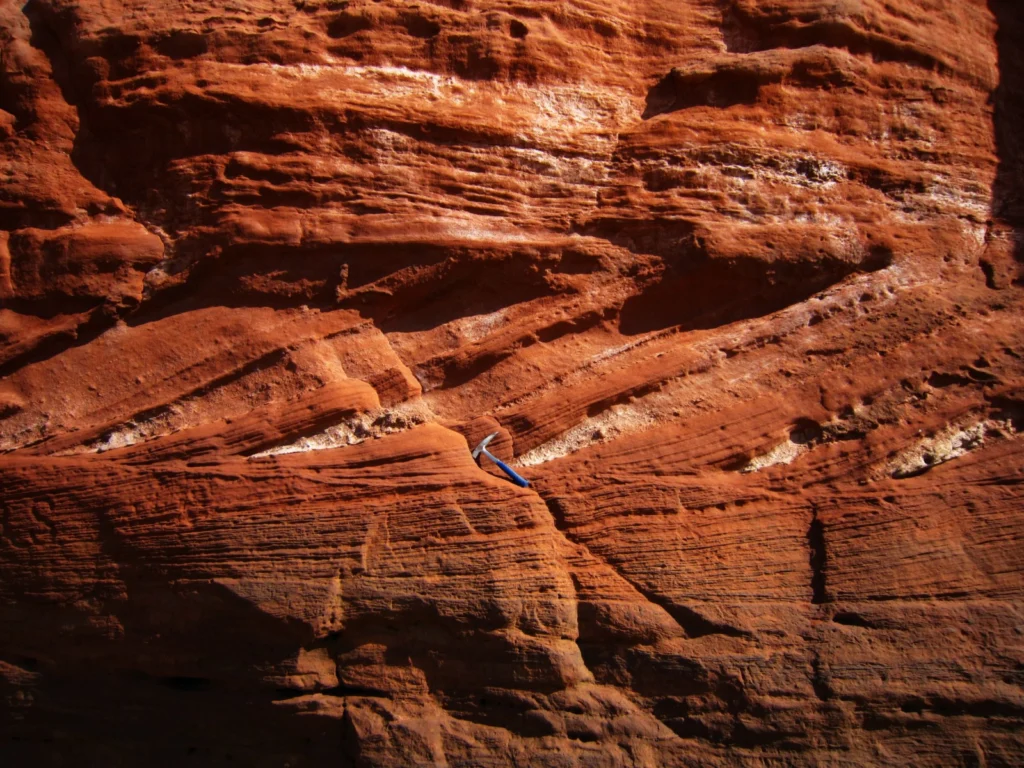
Imaggeo on Mondays: Red triassic sandstone
As child growing up on the south coast of Devon in the UK, I never really realised that our beaches were unusual. A glorious, glowing orange-red colour, the cliffs that you can see in this photograph by Sarah Weick produced similarly red sand beaches and warm ochre soils. The bright colour is the result of the sandstone and conglomerates of these rocks, collectively called the New Red Sandstones, ...[Read More]
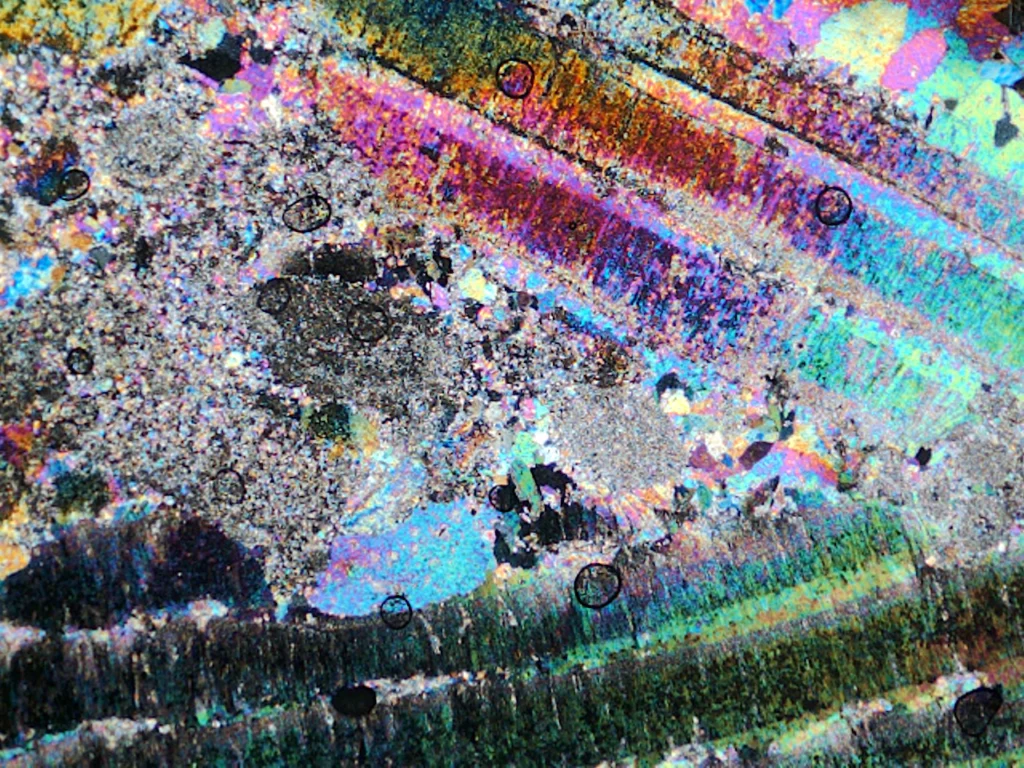
Imaggeo On Mondays: Psychedelic Foraminifera
This is a transmitted light microscope image of a thin section – a 50-micron thick sliver of rock. This sample was collected from Jebel Hafit, a mountain which straddles the United Arab Emirates and Oman border. Jebel Hafit is approximately 900 m high and is made up of Eocene to Miocene age carbonate rocks which were mainly deposited in a shallow water, tropical setting. More specifically, this im ...[Read More]
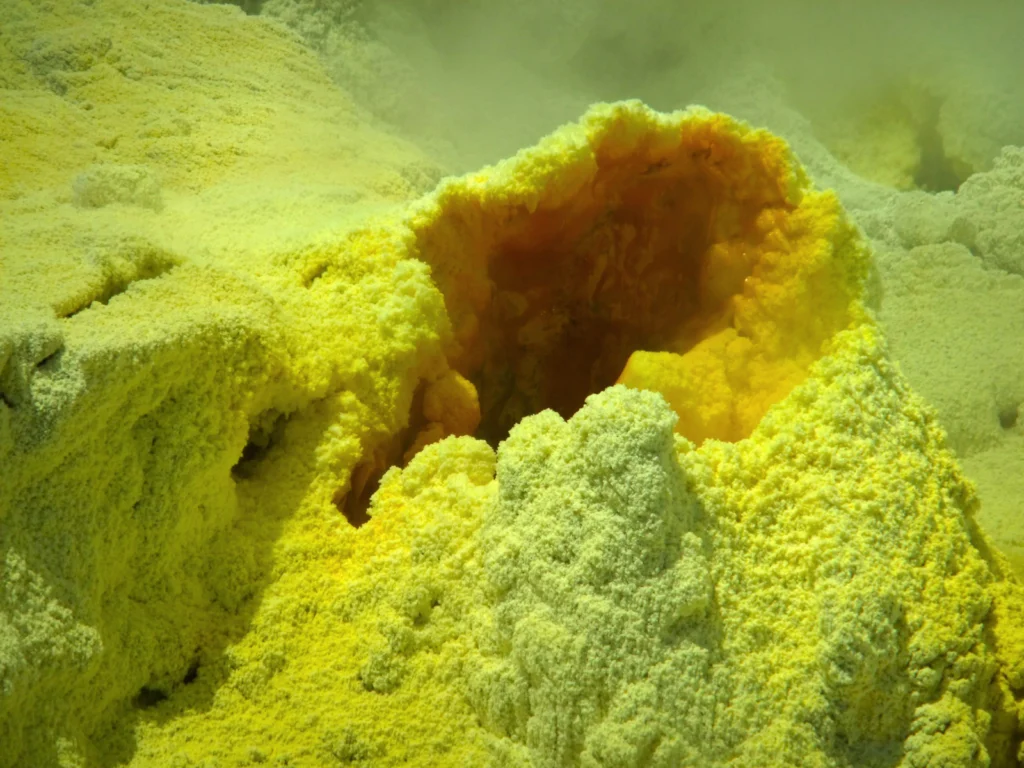
Imaggeo On Mondays: Sulphur volcano
This photograph was taken in 2012 on a guided tour to Whakaari/White Island, an active volcano 50 km off the east coast of the North Island of New Zealand. The volcano lies on the northern end of the Taupo Volcanic zone and has possibly been active for the past 150,000 years. How dangerous this island is, was demonstrated by a number of explosive eruptions in recent history, the latest of which oc ...[Read More]
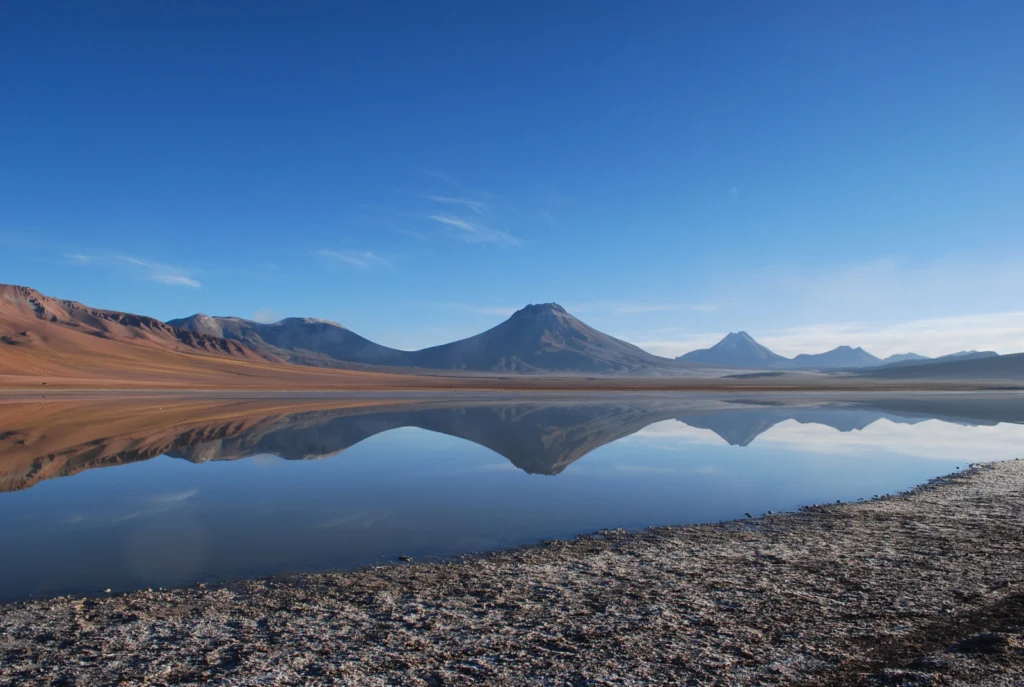
Imaggeo on Mondays: The mirror of the volcano
Lascar volcano is located in the Antofagasta Region of Chile. This stratovolcano (a conical volcano built up over time through successive eruptions of lava, tephra and ash) of the Central Volcanic Zone of the Andes is the most active volcano of the region, with a height of 5.592 m (18,34 ft). The last phase of eruptive activity before this photo was taken was on October 30, 2015, which produced an ...[Read More]
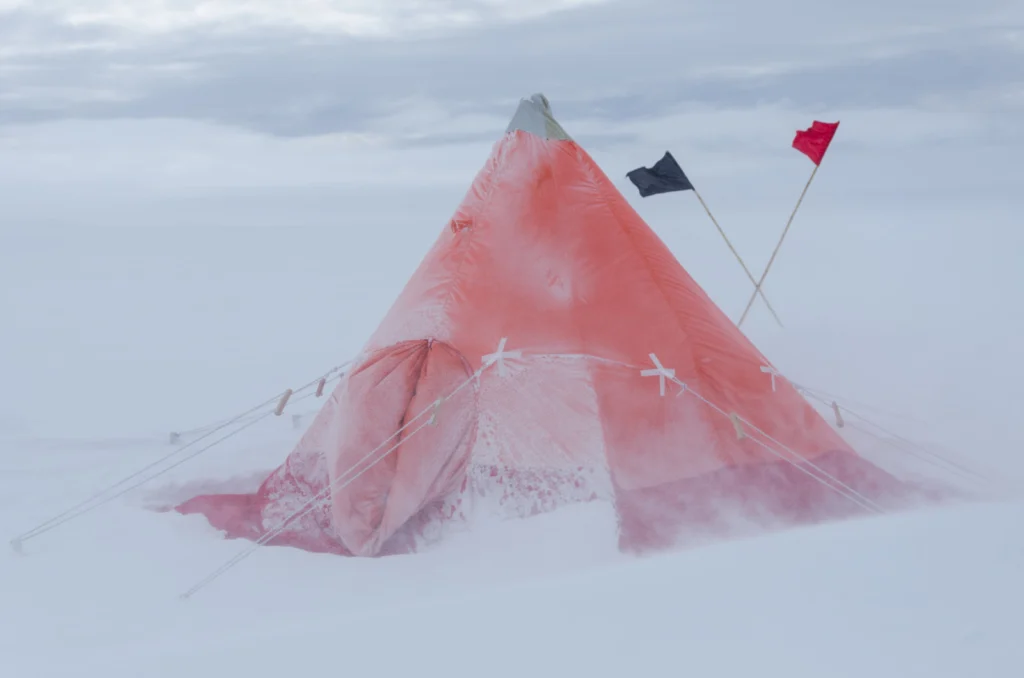
Imaggeo on Monday: Time-proven shelter in drifting snow
During my PhD I was working at the German Neumayer III station in Antarctica for my research on polar atmospheric chemistry. Since my instrument was set up on an observatory south of the main station, every day I would walk past a Scott pyramid tent to go and do my research. One day, in the midst of an Antarctic storm, I caught sight of the tent deep in the drifting snow, and took this picture. Th ...[Read More]
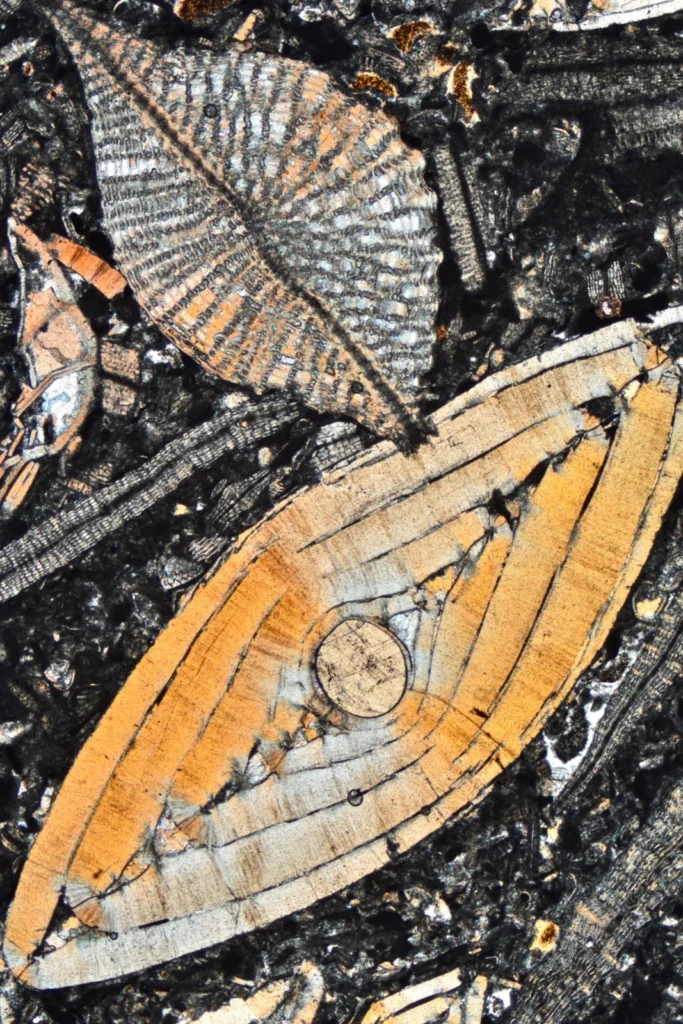
Imaggeo on Mondays: Tertiary Flying Saucers
Besides for the purposes of documenting my research, I like to take photos of rocks under the microscope also because of their aesthetic appeal. It’s an hidden, marvelous world. These flying-saucer-looking objects are in fact the fossil skeletons of a Nummulites (the larger) and a Discocyclina (the one on top left), both belong to the phylum of Foraminifera. These single-celled organisms occupyied ...[Read More]
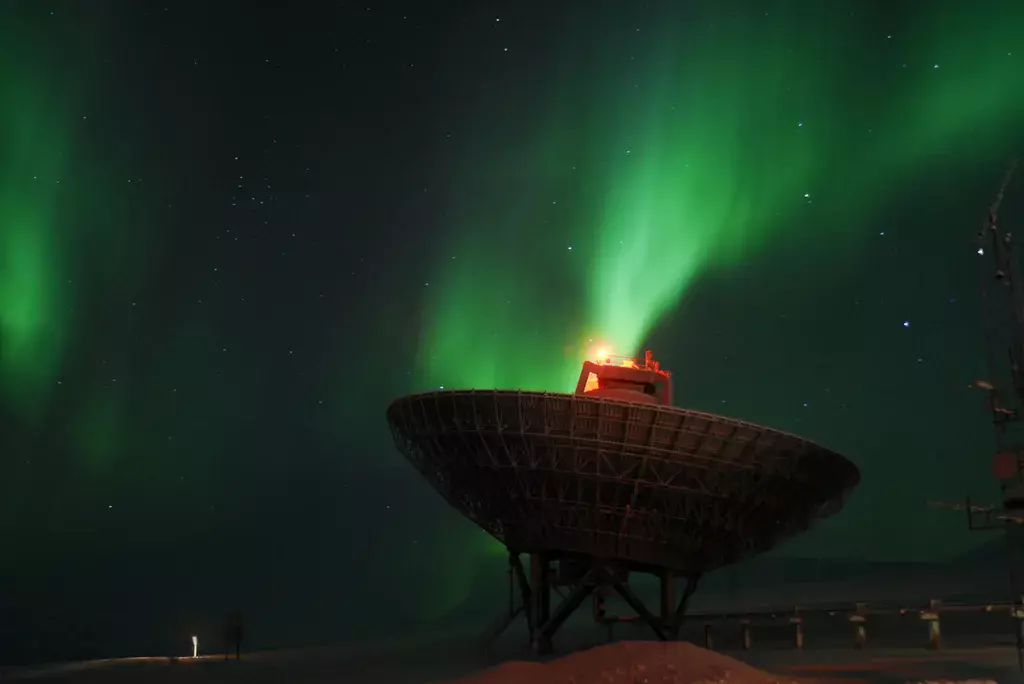
Imaggeo on Mondays: The Tempest
Measuring the aurora. This picture was taken while doing an optical/radar coordinated campaign in Svalbard, Norway, near the settlement of Longyearbyen. In this campaign, we were measuring for the first time the polarisation of the auroral ‘red line’ of atomic oxygen with a photopolarimeter and were running the radars in order to have a better understanding of the state of the ionosphe ...[Read More]
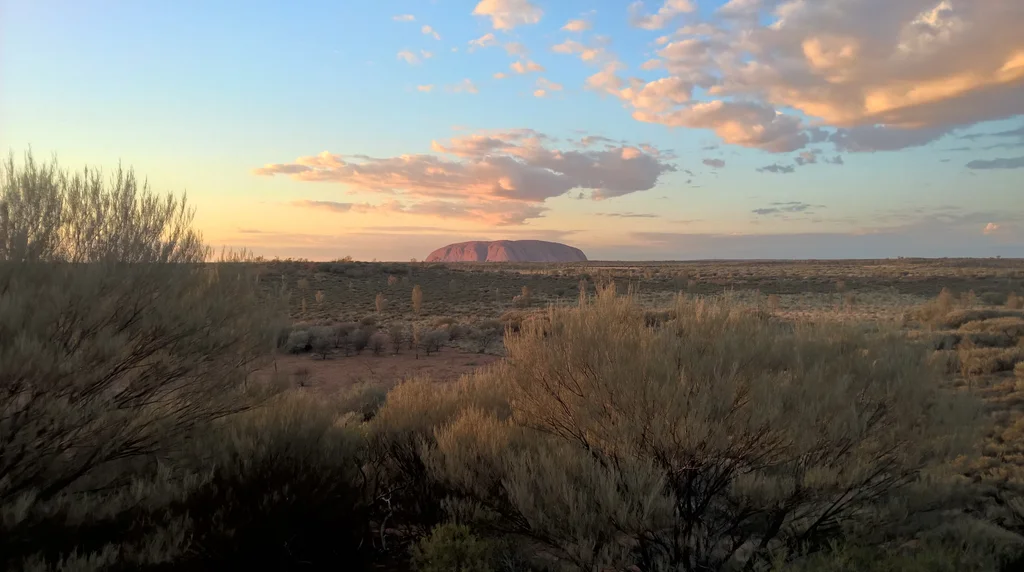
Imaggeo on Mondays: The sun rises also in the middle of nowhere
Uluru in Australia is one of the most visibly recognisable geological features in the world. This sandstone formation covers an area of 3.3 kilometres and stands 345 metres above the plains around it. According to geoscientists, the rocks that form Uluru were deposited in an inland sea during the Cambrian Period approximately 500 million years ago. The arkose sandstones were then uplifted and fold ...[Read More]
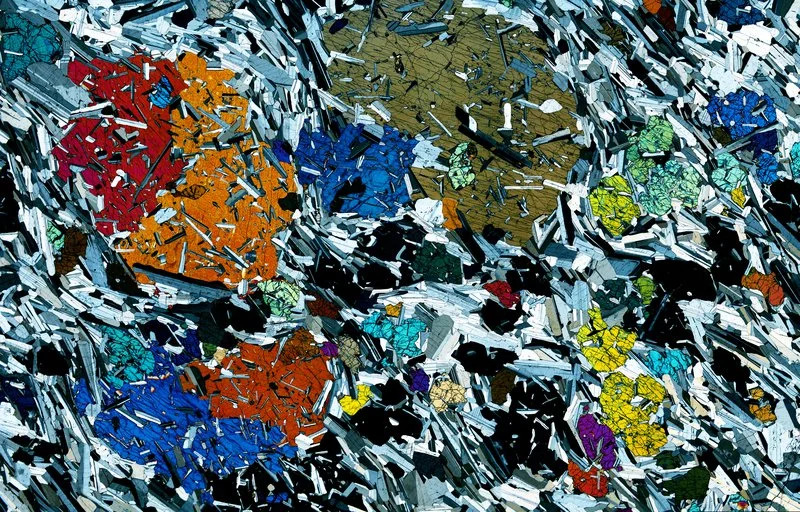
Imaggeo on Mondays: Cooking crystals in the Earth cauldron
This picture shows a 30 micrometer thick rock section of a gabbro from the Rum Layered Intrusion (Scotland). Large clinopyroxene crystals are enclosed in a foliated fine grained groundmass of plagioclase and olivine. The clinopyroxene core crystallized at an early stage, at 1160°C. They were partly molten at 1200°C during successive hot magma injections and subsequently recrystallized, enclosing h ...[Read More]