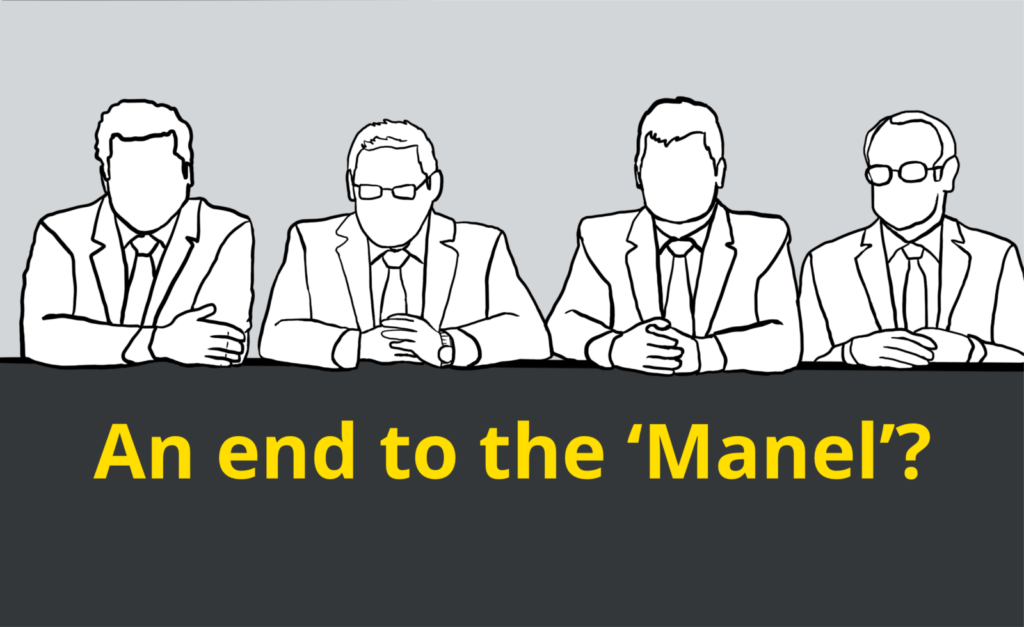
I am pretty sure that everyone has had this experience at one time or another. You attend a meeting or conference and, despite the diversity of people in the audience, the people on the podium invited to speak are uniformly men. If you come from the same part of the world as I do (Western …[Read More]
Policy
GeoPolicy: Fluvial geomorphology and its potential for policy impact
In this month’s GeoPolicy blog post, Dr Grace Skirrow outlines how researchers can share their expertise with environmental regulators to have policy impact and the role that fluvial geomorphology can play in policy decisions. Fluvial Geomorphology and why it is relevant for policymakers Fluvial Geomorphology (“fluvial”, derived from the Latin “fluvialis”, meaning “of the river”) …[Read More]
Geopolicy: A sneak peak into EGU’s Science for Policy 2024 Agenda
The EGU’s Science for Policy Programme is continually developing and expanding to help meet the needs of EGU members and European policymakers. This blog post will kick-off the New Year by outlining a few of the key science for policy activities that you can look forward to and engage with in the next 12 months. …[Read More]
GeoPolicy: Science-Policy Pairing Schemes in Europe – a regularly updated list
Pairing schemes are a great way for researchers to learn more about policymaking processes and how science is used in political decision-making! This month’s GeoPolicy Blog post highlights various European-based science-policy pairing scheme opportunities that researchers can apply for. Science-policy pairing schemes provide researchers with the opportunity to gain a better understanding about how policymakers …[Read More]
GeoPolicy: Science for Policy Internships & Traineeships – a regularly updated list
Internships and traineeships are a great way to gain a better understanding of the political system and how policymakers use scientific evidence! This month’s GeoPolicy Blog post highlights various European-based opportunities that researchers can apply for. Understanding Europe’s political landscape and the information that policymakers need to make evidence-informed decisions is one of the most …[Read More]
GeoPolicy: From research to regulation – unpacking the EU Soil Directive
This month’s GeoPolicy Blog post unpacks the Directive on Soil Monitoring and Resilience, it’s impacts from research to regulation and how scientists can get involved with it. It can be challenging for scientists to understand and engage with the European policymaking process. The intricacies and nuances of the legislative process, with its numerous institutions, committees, …[Read More]
GeoPolicy: Insights for the Green and Digital Transition
This month’s GeoPolicy Blog post dives into the Science Europe publication, Science–Policy in Action: Insights for the Green and Digital Transition, which aims to contribute to the development of a framework for Science-Policy Interfaces, map the interface activities coordinated by their member organisations, and identify areas where these activities could be improved. Not only does …[Read More]
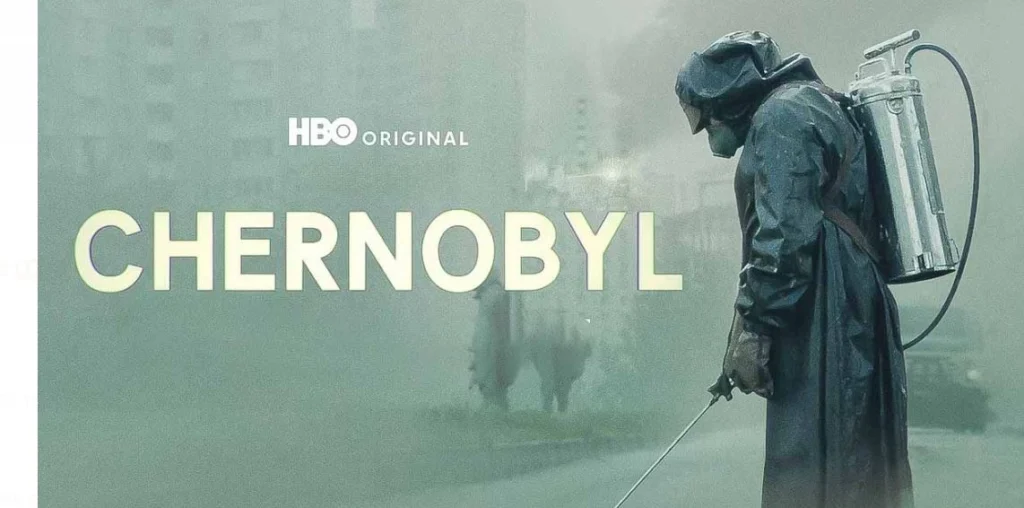
GeoPolicy: Reflecting on science advice as shown in the 2019 Chernobyl series
The HBO and Sky UK television series Chernobyl is a historical drama that explores the events leading up to and following the 1986 Chernobyl nuclear disaster in Pripyat Ukraine. Not only does this series focus on one of the worst nuclear accidents in history, but also on the challenges and successes of one of the …[Read More]
GeoPolicy: Science Activism vs. Science Advice – choosing your path to policy impact
Science is a vital part of the policymaking process. It enables decision-makers to better understand the policy options that they have and the potential consequences of any actions or inaction. While it is just one factor that policymakers should consider during their decision-making process, it is an important one! This month’s GeoPolicy blog post will …[Read More]
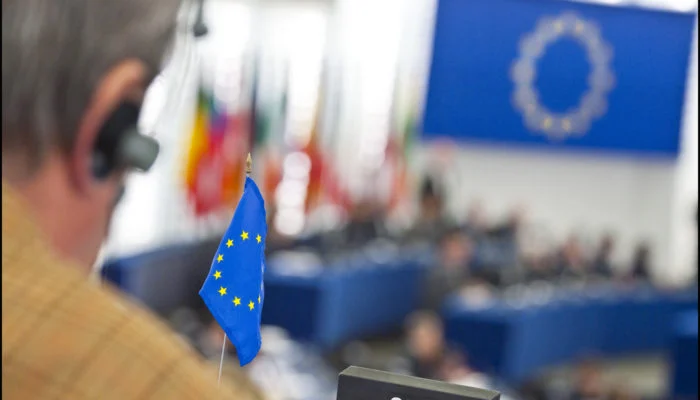
GeoPolicy: Life inside the European Parliament – an assistant’s view
This month’s GeoPolicy blog features an interview with Sebastian Jehle, Accredited Assistant to Member of the European Parliament (MEP) Norbert Lins. Understanding policymaking processes is vital to be able to engage with decision-makers and to provide scientific information that is both useful and timely. Sebastian was kind enough to answer some of my burning questions …[Read More]