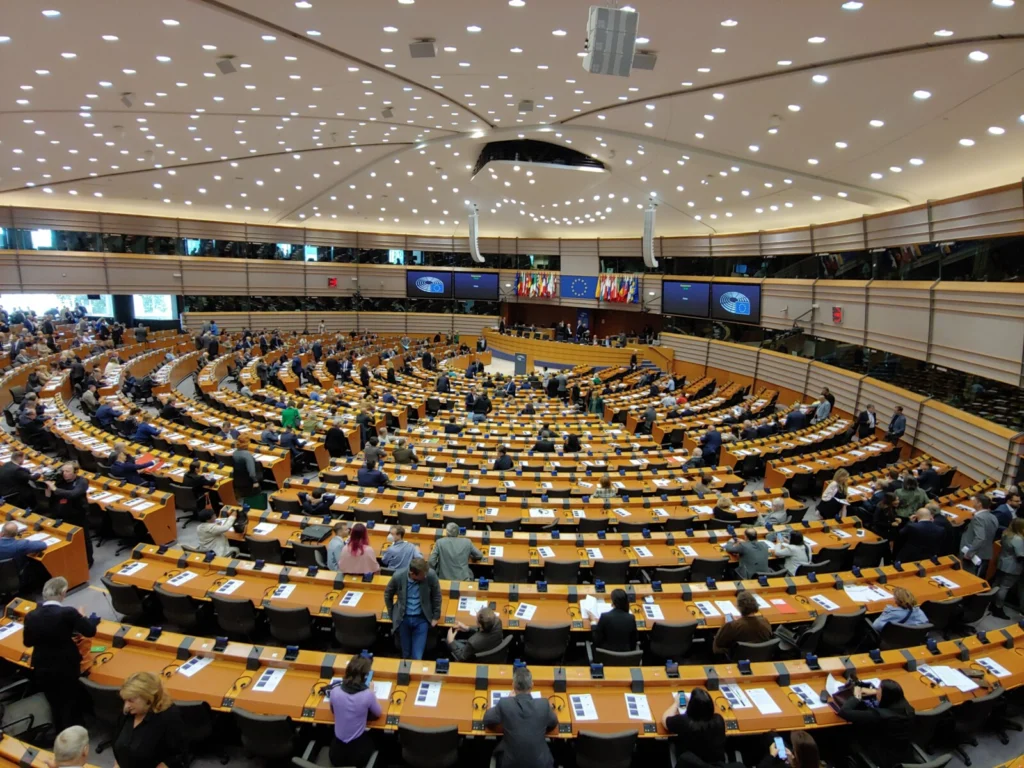
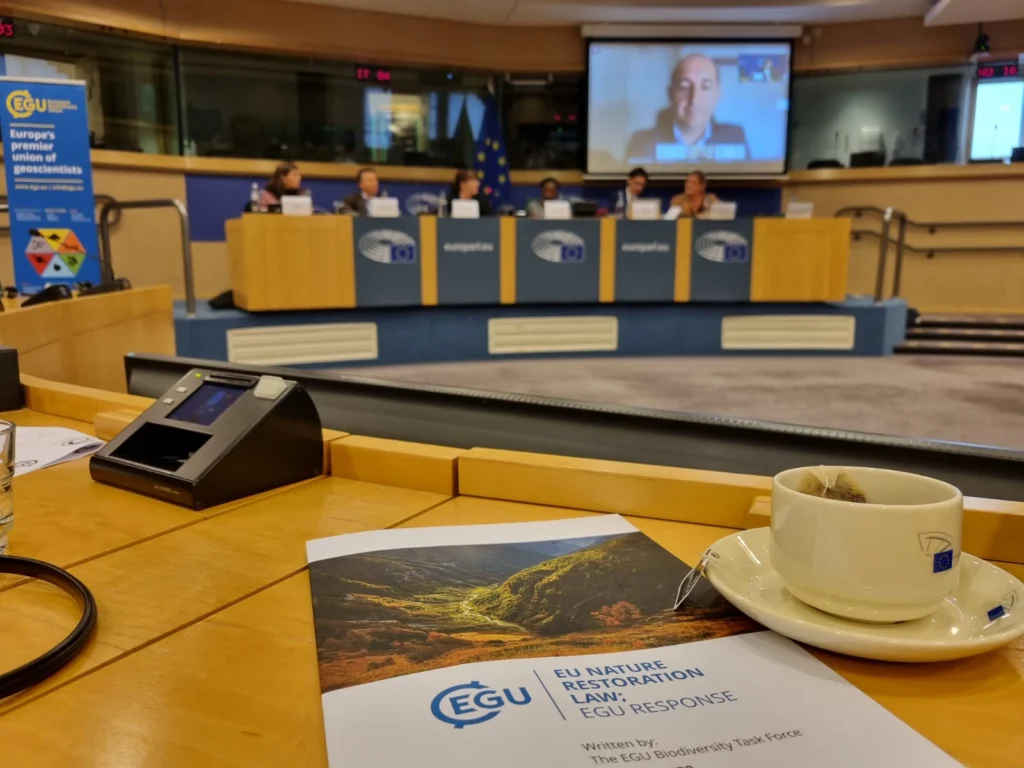
Each year, the EGU’s Science-Policy Pairing Scheme offers selected EGU members the opportunity to experience life inside the European Parliament. This Pairing Scheme aims to promote evidence-informed policymaking, provide the scientists involved with insights about how Members of the Parliament (MEPs) use research in their decision-making, and encourage stronger science-policy partnerships! For th ...[Read More]
Policy
GeoTalk: Meet Bikem Ekberzade, conflict and photo journalist turned earth-systems science researcher and EGU Biodiversity Task Force member
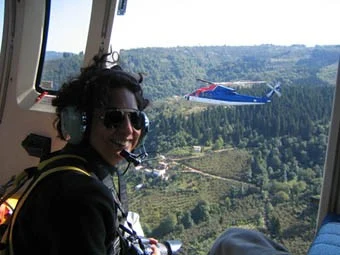
Bikem – Welcome to GeoTalk! Can you tell us a bit about your research on climate change and its impact on terrestrial ecosystems? Thank you for having me. My current research focuses on forests and the impact of changes in climatic drivers on these ecosystems in terms of species composition, range shifts, and so on. I’m also curious about the impact that changes in the frequency and se ...[Read More]
Cultural heritage: an overlooked yet critical aspect of climate change
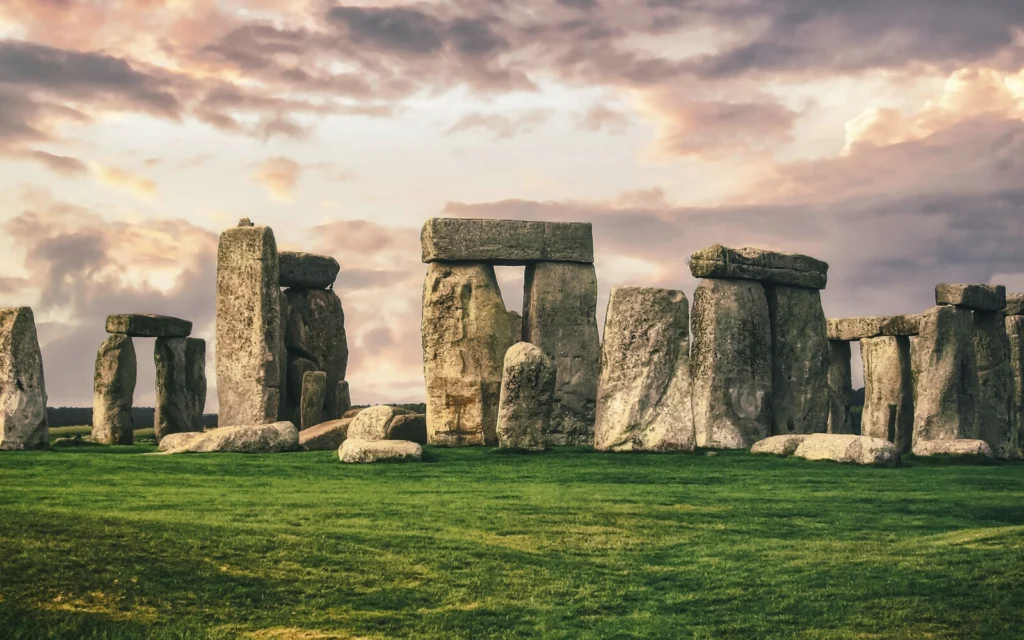
In June 2024, climate activists sprayed Stonehenge orange, demanding urgent action from the British government to phase out fossil fuel. This divisive act evoked a destructive yet often overlooked impact of climate change: the damage and destruction of cultural heritage. We are losing our cultural heritage at an unprecedented speed and scale to climate change, according to a 2022 report by the Eur ...[Read More]
GeoPolicy: 10 steps for creating a knowledge synthesis for policy impact
When working on legislation, policymakers often require scientific evidence or expertise to support their decision-making. Scientific information can help policymakers to identify any unintended consequences of a policy decision and access solutions that they may not have otherwise considered. In many cases, the information that researchers give to policymakers is a summary of a single study that ...[Read More]
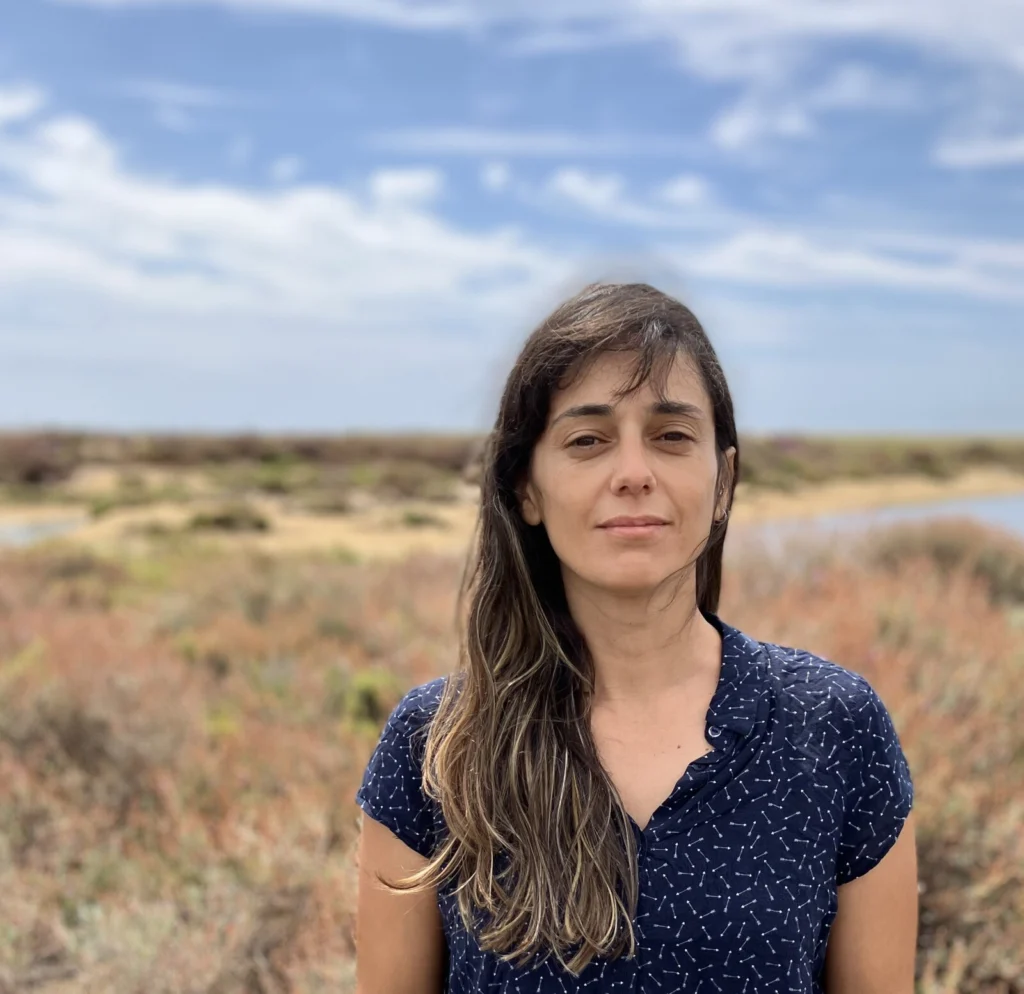
GeoTalk: Rita Carrasco: Researcher in wetlands biogeormorphology and EGU Biodiversity Task Force member
Rita, welcome to GeoTalk! Can you tell us a bit about what initially drew you to the field of coastal geomorphology and wetland ecosystems? Thanks for inviting me! My academic background is in environmental engineering, with a lifelong passion for coastal areas and geomorphology. The real inspiration comes from a constant desire to contribute to the conservation of natural ecosystems. Thus, at som ...[Read More]
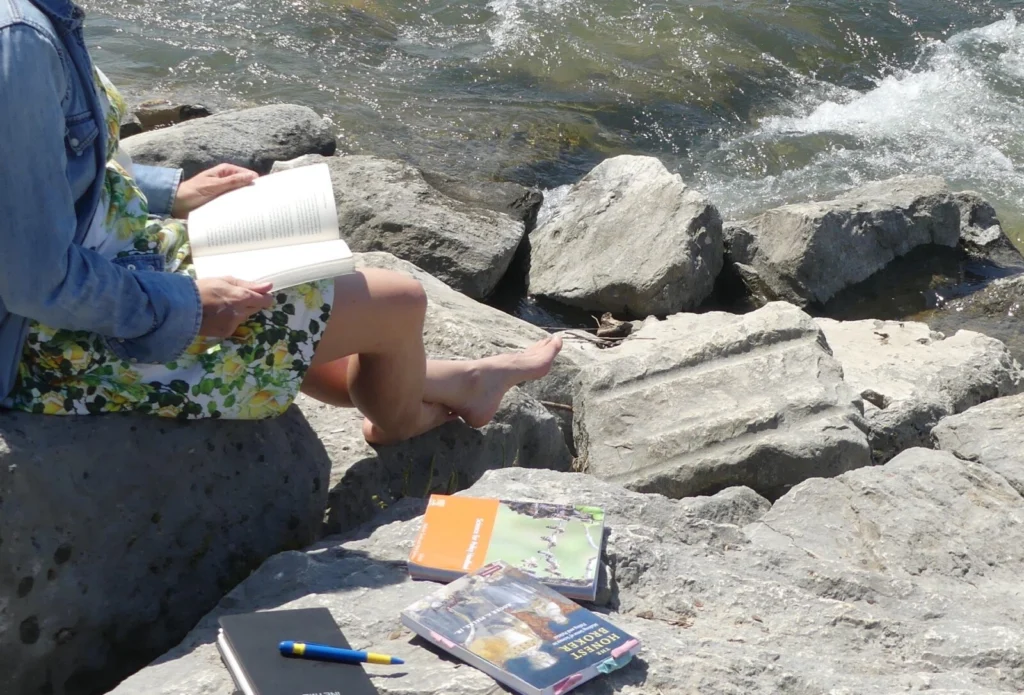
GeoPolicy: Your 2024 Science for Policy Summer Reading list
As the days grow warmer and you start to think about your summer holidays or field work, you might also be looking for a book or two to help you unwind! Whether you’re lounging by the pool, enjoying a picnic in the park, or resting after a long day in the field, summer is the perfect backdrop for getting lost in a good read. This month’s blog post highlights several books that have been reco ...[Read More]
The climate crisis: about debates, privilege and the need for action
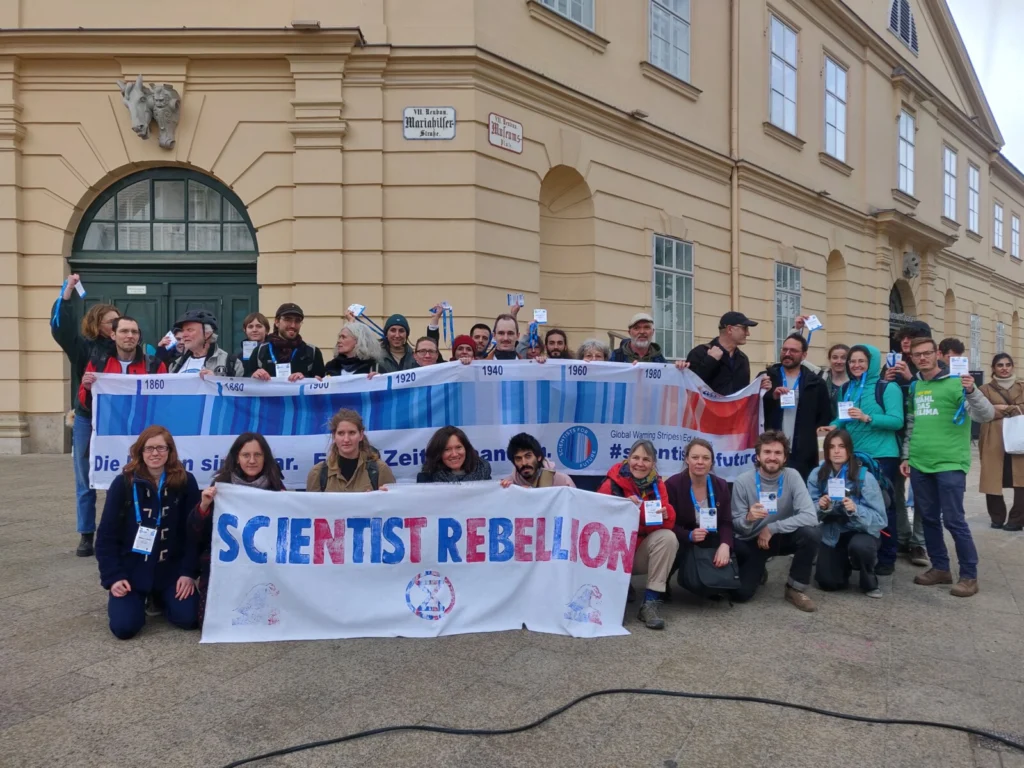
In this blog post I am expanding on the blog post about the third EGU Climate Great Debate and its survey results on what you thought we can do as scientists. After conducting an interview with Maien Sachisthal, an active member of Scientist Rebellion, I reflected on the Great Debate and scientists within society, sharing insights on the Scientist Rebellion and Scientists 4 Future protest events t ...[Read More]
GeoPolicy: 10 things that you can do to start engaging with policymaking today
This months GeoPolicy blog post outlines 10 things that you can do to start engaging with policy today! This list was originally created with the help of the EGU’s Science for Policy Working Group and other Science-Policy experts who attending EGU24. While the below list isn’t extensive, it does provide a good overview of the range of possibilities that are at your fingertips to build ...[Read More]
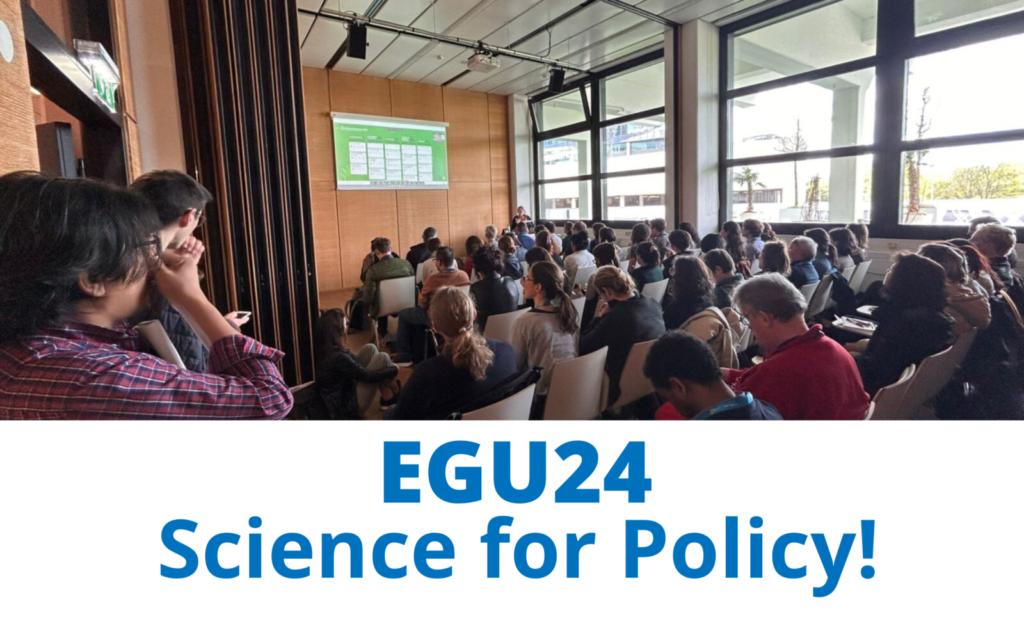
GeoPolicy: Dive into science for policy at EGU24
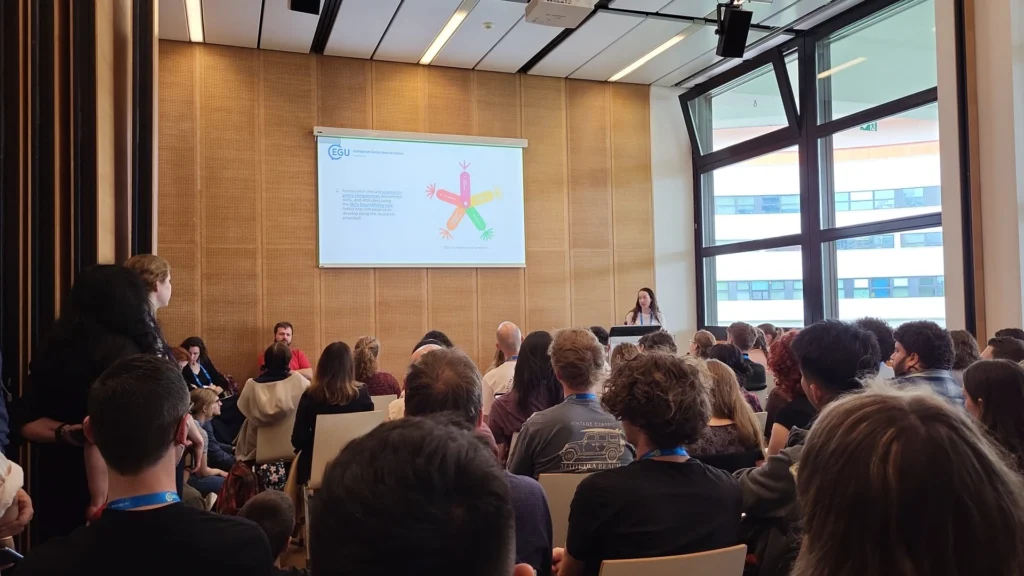
Each year, the EGU General Assembly hosts a wide range of scientific and skills-based sessions as that you can participate in to learn about new research, expand your network, diversify your expertise, and develop new skills! This includes an array of sessions that focus on science for policy, outlining how researchers can start engaging in policymaking processes, connect with decision makers, and ...[Read More]
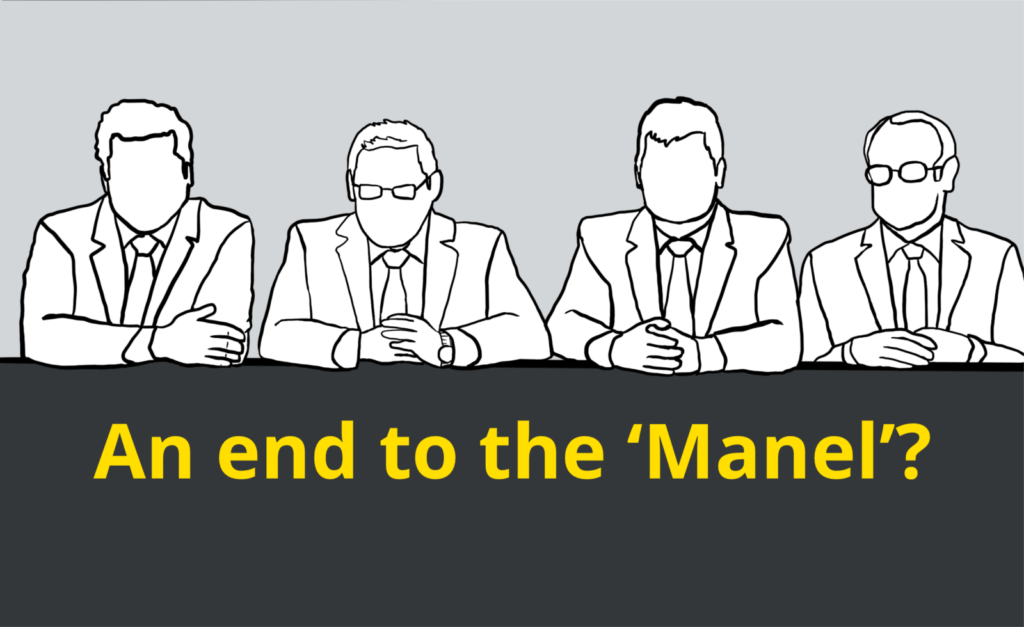
An end to the ‘manel’? 3 things you can do to help reduce the existence of all-male-panels.
I am pretty sure that everyone has had this experience at one time or another. You attend a meeting or conference and, despite the diversity of people in the audience, the people on the podium invited to speak are uniformly men. If you come from the same part of the world as I do (Western Europe) this experience can also probably be extended to the panel only being white, often native English spea ...[Read More]