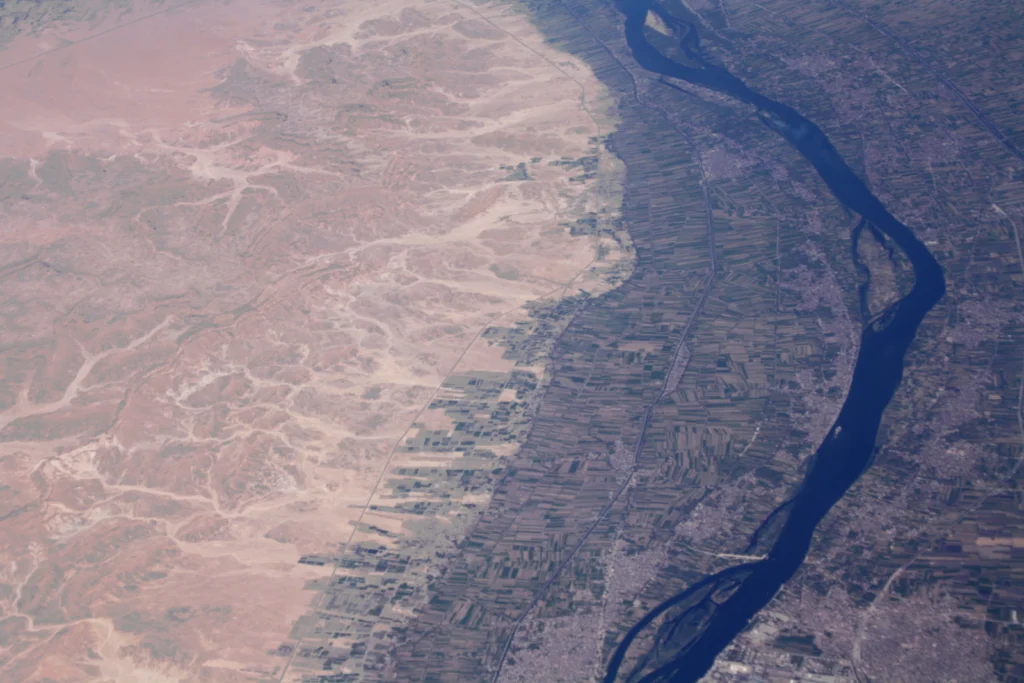
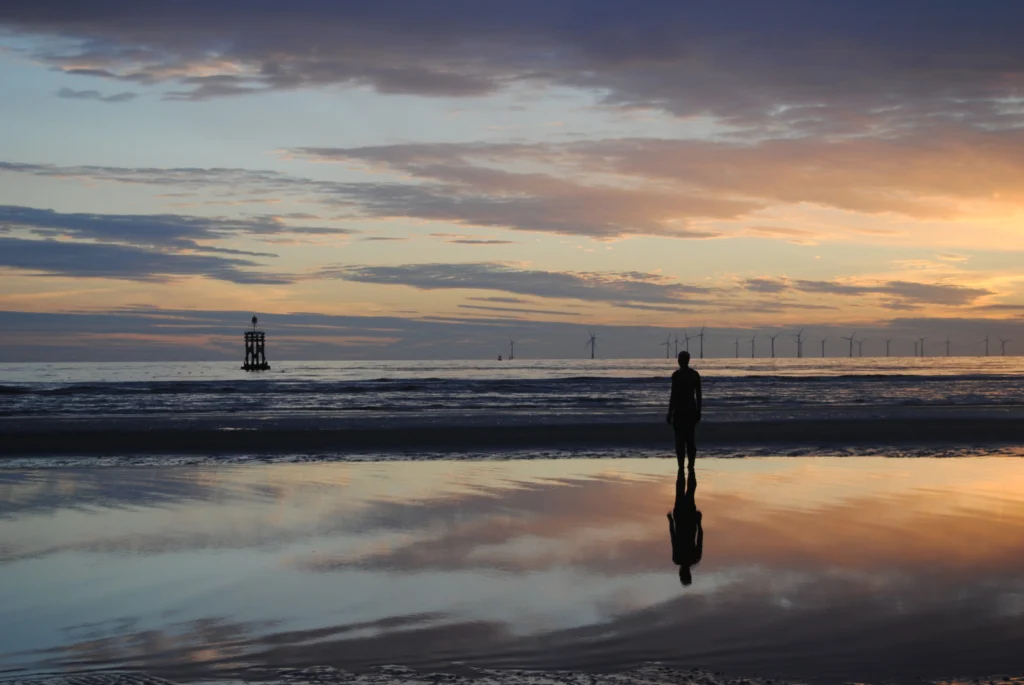
Cairo’s survival was, is, and will be dependent on the flow of the Nile. Since the city was founded in 10th century CE the Nile’s scouring waters have left behind untouched ground onto which the city has spilled and grown. Modern Cairo’s youngest districts are closest to the Nile, founded on earth which was underwater centuries before. It is the river’s changing nature that made the Nile Val ...[Read More]
Policy
What’s on at EGU22: highlights from Publications, Policy, EDI, Outreach and the ECS
There are so many great events to participate in at EGU22 this year, in both on-site and virtual formats, that it can be very easy to feel overwhelmed. Whilst we encourage you to make good use of your Personal Programme to help organise your activities, we also reached out to several of EGU’s Committees that are responsible for specific other aspects of EGU’s activities, including the ...[Read More]
GeoPolicy: Climate solutions at the center of focus this Earth Day
Earlier this month, Climate Change 2022: Mitigation of Climate Change was published by the IPCC Working Group III as the third instalment of the IPCC’s Sixth Assessment Report (AR6). It emphasises that “rapid and deep” greenhouse gas emission reductions are needed across all sectors to have any chance of keeping the world below 1.5°C of warming above pre-industrial levels. However, it also outline ...[Read More]
GeoPolicy: How a professional YouTuber inspired a science-policy debate in Europe
I recently had the opportunity to talk with Joachim Allgaier, Professor for Communication and Digital Society at the Fulda University of Applied Sciences in Germany, about how video platforms such as YouTube support science communication and influence political decisions. This month’s GeoPolicy blog post explores some of the benefits of having an accessible online source of information and ...[Read More]
GeoPolicy: Don’t Look Up – could better science advice have saved the planet?
Note: Spoilers Ahead! If you haven’t already seen it, go and watch Don’t Look Up – and then come back to this blog to find out what the scientists in the film could have done to better connect and communicate with the policymakers involved! Don’t Look Up gives us a terrifying example of what could happen when policymakers ignore the science. The film tells the story of two astronomers, PhD candida ...[Read More]
GeoPolicy: What’s new in 2022?
2021 was yet another year of uncertainty, with many changes and disruptions to our plans, activities, and goals. EGU’s science for policy programme was no exception to this with the Science for Policy Pairing Scheme and annual Science for Policy Event taking a back seat. We hope that 2022 will not only bring new activities but also rekindle those that were put on hold as a result of the pandemic. ...[Read More]
The European Science-Media Hub: Bringing scientists, journalists and policymakers together
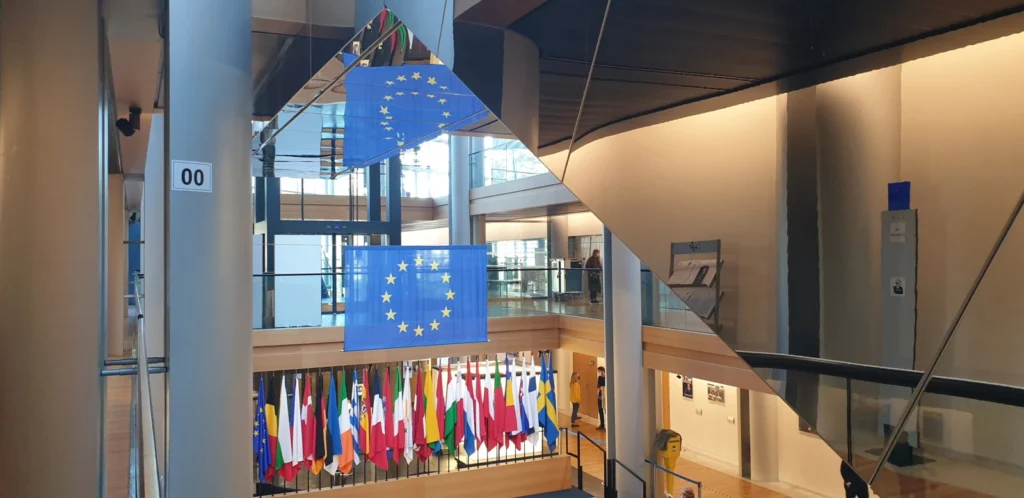
This month’s GeoPolicy blog post introduces the European Science-Media Hub (ESMH) along with its key initiatives. It also takes a deeper dive into the organisation through a Q&A that we were thrilled to have with the Head of the European Parliament’s Scientific Foresight Unit Theo Karapiperis and the coordinator of the ESMH Svetla Tanova-Encke. In 2017, the European Parliament’s Panel f ...[Read More]
Are we equipped to meet the Glasgow Climate Pact?
November 2021 once again put climate change in the spotlight for Europe and the world. Close to 200 countries came together this month for the UN’s annual climate summit, COP26, and after much deliberation, adopted the Glasgow Climate Pact. Some key commitments had countries pledging to limit their emissions by 2030; forming the first-ever alliance targeting fossil fuel extraction; setting u ...[Read More]
GeoTalk: what is the EGU Biodiversity Task Force? with Policy Manager Chloe Hill
This week EGU announced the launch of an open call for members of a new Biodiversity Task Force to help EGU interact with European policymakers through it’s official Policy Priority Area ‘Biodiversity’. But what is a policy Task Force? What kind of work is involved? And are you eligible to apply to be a member? We sat down with EGU Policy Manager Chloe Hill to talk about the rece ...[Read More]
Imaggeo On Monday: Summer on the Northern Hemisphere
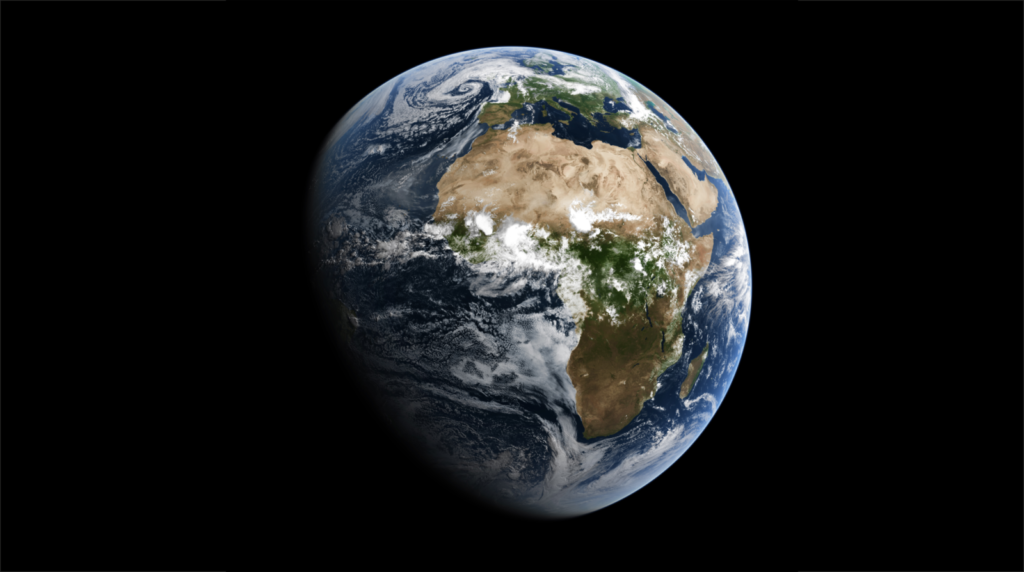
The image shows a northern hemispheric summer day of the year 2012. One can see an impressive north Atlantic cyclone, a cloud free Mediterranean Sea, Saharan dust north of the Canary Islands, and cumulus fields near the coast of Namibia and Angola. The image was taken at June 28, 2012 09:00 UTC from the MSG satellite in a geostationary orbit 36000km above the equator. EUMETSAT provided the level 1 ...[Read More]