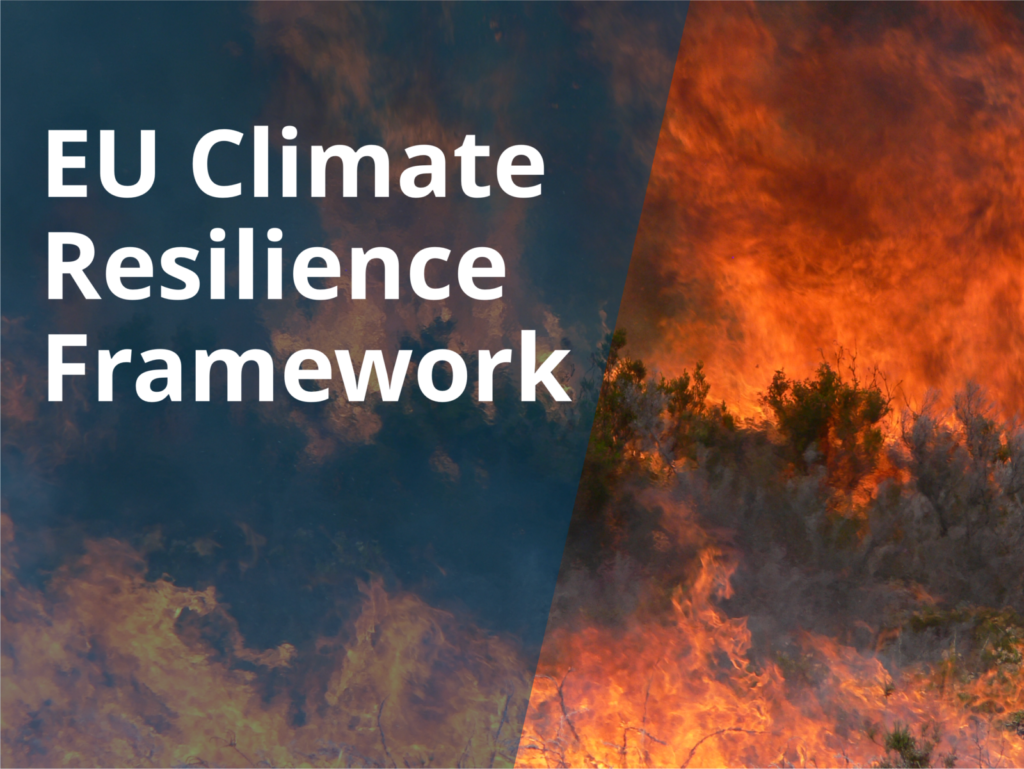
Climate change is having a profound impact on the planet. According to several reports, 2023 was the warmest year on record, with the global average temperature over the 12-month period from February 2023 to January 2024 exceeding the 1.5 °C threshold above pre-industrial levels. Climate change acts as a risk multiplier, as its impacts transcend national borders and amplify existing threats and cr ...[Read More]
Discovery to recovery: how international collaboration solved the ozone crisis
38 years ago, representatives from 46 countries around the globe came together to find a solution to the climate crisis. Alerted to an issue discovered by scientists 13 years previously, the representatives of these nations worked together swiftly and with purpose to create an international treaty to combat a major environmental issue. The treaty was signed by all 46 participant nations and would ...[Read More]
Rethinking Europe’s historical climate leadership in a ‘Time of Transition’
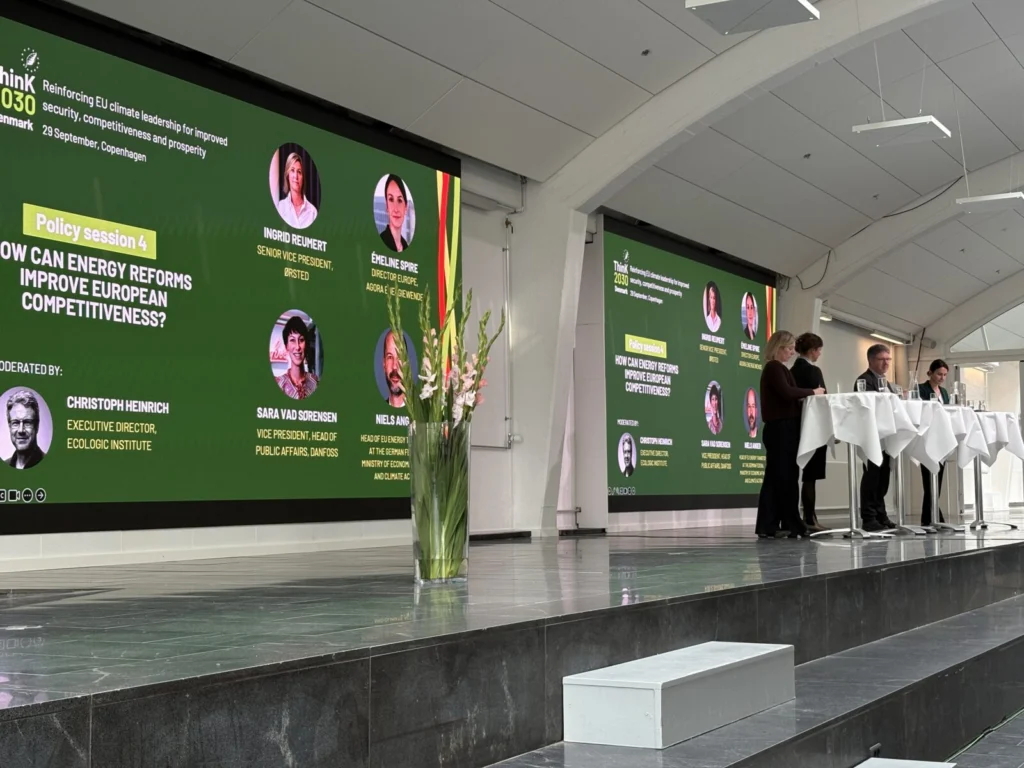
The Think2030 Dialogue Denmark was held in crucial times, since once the uncontested frontrunner in global climate governance, Europe now faces the dual challenge of renewing its leadership and maintaining competitiveness amid a shifting geopolitical and technological landscape, alongside a constantly changing multilateral world order. At a time when global competition over clean technologies, res ...[Read More]
GeoPolicy: The first case of rights of Nature in Europe: The Mar Menor Lagoon
The rights of Nature: A new paradigm Does Nature have inalienable rights just as humans do? This is what the rights of Nature paradigm stands for, marking a radical departure from the assumption that Nature is property under the law. The idea of rights for Nature stems from legal philosophy and political science. Partially, it is a product of the concept deep ecology, developed by the Norwegian ph ...[Read More]