GeoLog

Policy

GeoSciences Column: The dirty business of shipping goods by sea
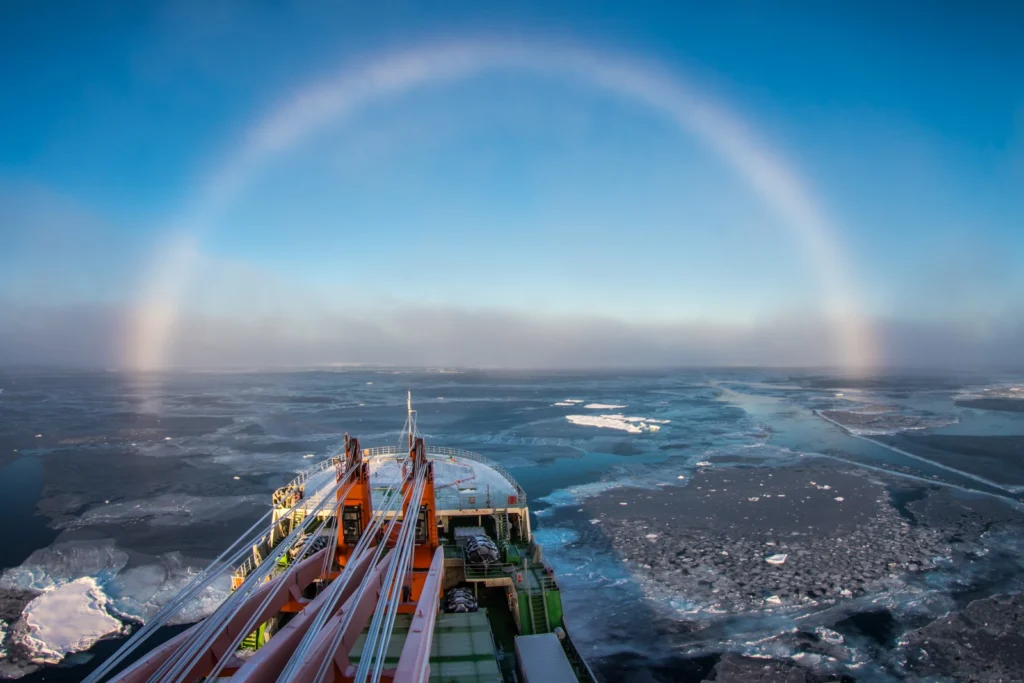
“Above the foggy strip, this white arch was shining, covering one third of the visible sky in the direction of the ship's bow,” he explains. “It was a so-called white, or fog rainbow, which appears on the fog droplets, which are much smaller then rain droplets and cause different optic effects, which is a reason of its white colour.”

Shipping goods across the oceans is cost-effective and super-efficient; that’s why over 80% of world trade is carried by sea (according to the International Maritime Organisation). But the shipping industry also contributes significant amounts of air pollutants to marine and coastal environments. A new study, published in the EGU’s open access journal Earth System Dynamics, reports on concentratio ...[Read More]

October GeoRoundUp: the best of the Earth sciences from around the web

Display "Following Carbon Dioxide Through the Atmosphere" from YouTube Click here to display content from YouTube. Learn more in YouTube’s privacy policy (opens in a new tab). Please enable JavaScript in your browser to load this content. Always display content from YouTube Open "Following Carbon Dioxide Through the Atmosphere" directly Carbon dioxide plays a significant role i ...[Read More]

GeoPolicy: The importance of scientific foresight

GeoPolicy: The importance of scientific foresight

Many of the issues that society currently faces are complex and research on just one angle or area does not provide sufficient information to address the problem. These challenges are compounded when more than one region (or even the entire planet) is impacted. Many of the decisions and legislations passed by governments today will go on to impact how these issues either develop or are resolved ye ...[Read More]

GeoPolicy: What are European Commission Consultations and how can scientists contribute?

GeoPolicy: What are European Commission Consultations and how can scientists contribute?

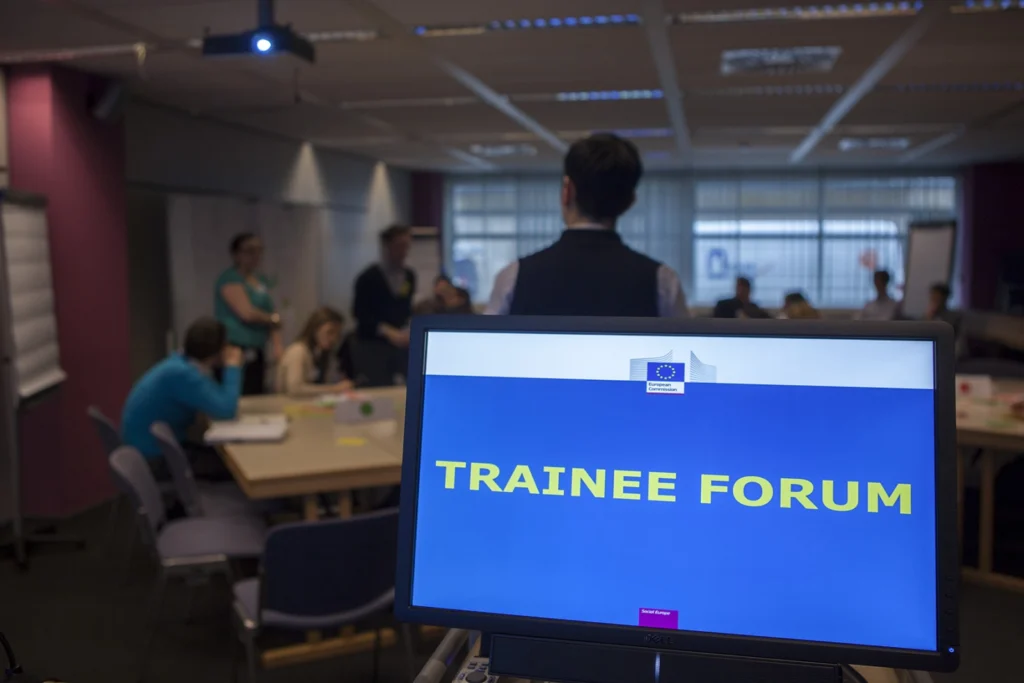
The European Commission requires both expert advice and an understanding of public opinion to steer policy and draft new EU legislation proposals that will be introduced to both the Council and the EU Parliament to debate. The EU Commission regularly hosts hearings, workshops, expert groups and consultations to gain valuable insights, prompt discussion and help draft policy.  These forums may be r ...[Read More]

GeoTalk: Meet the EGU’s President, Jonathan Bamber

GeoTalk: Meet the EGU’s President, Jonathan Bamber

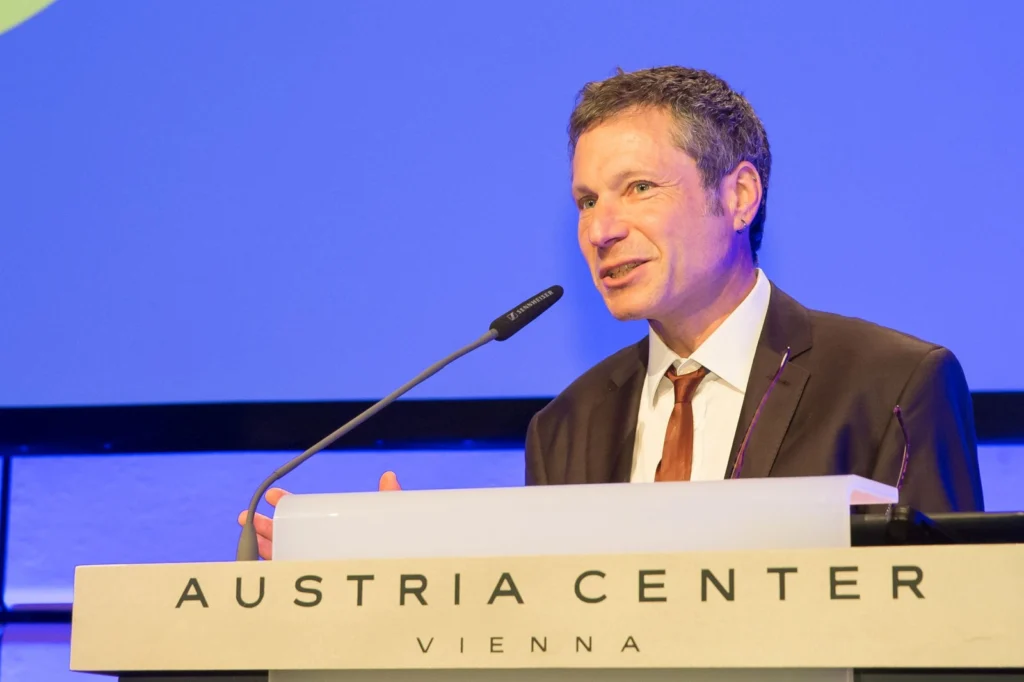
GeoTalk interviews usually feature the work of early career researchers, but this month we deviate from the standard format to speak to Jonathan Bamber, the EGU’s President. Jonathan has a long-standing involvement with the Union, stretching back almost 20 years. Following a year as vice-president, Jonathan was appointed President at this year’s General Assembly in Vienna. Here we talk ...[Read More]

GeoPolicy: How can geoscientists make the most of the Horizon 2020 programme?

GeoPolicy: How can geoscientists make the most of the Horizon 2020 programme?

As a geoscientist, I’m sure that you have heard of Horizon 2020, an EU programme that is allocating almost €80 billion to research and innovation over 7 years (from 2014 to 2020). This money is distributed throughout various scientific divisions and provides a plethora of opportunities for scientists, not only within the EU but also throughout the world. Unfortunately, the magnitude of the Horizon ...[Read More]

GeoPolicy: What are science-policy placements and are they for you?

GeoPolicy: What are science-policy placements and are they for you?

This month’s GeoPolicy blog will examine science-policy internships, fellowships, secondments and pairing-schemes in closer detail – highlighting the reasons for undertaking a placement and interviewing Dr Michelle Cain, an EGU member who participated in NERC’s Policy Placement Fellowship Scheme Science-policy placements provide scientists with the opportunity to use their knowledge within a ...[Read More]

GeoPolicy: Conquering conferences – how scientists can make an impact at a policy driven event

GeoPolicy: Conquering conferences – how scientists can make an impact at a policy driven event

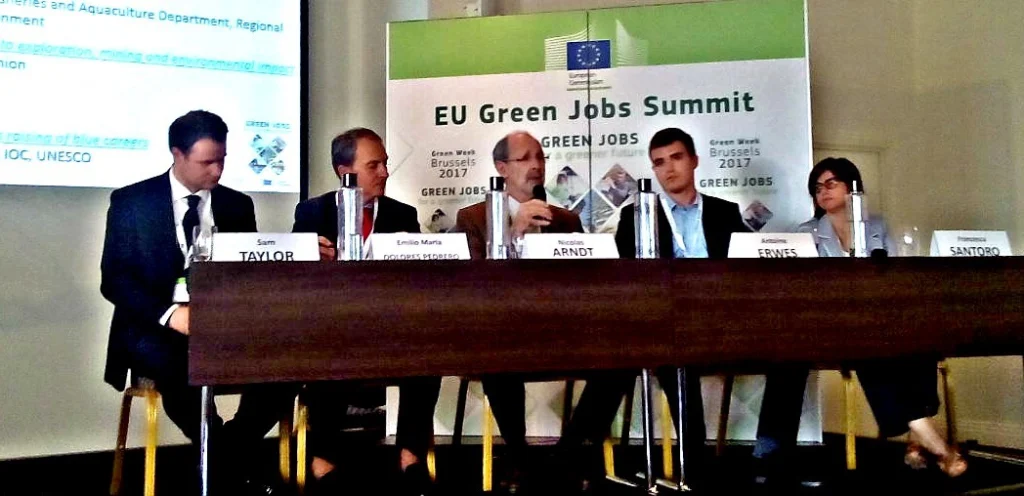
Last week I was in Brussels for the EU Green Week, an annual event that discusses European environmental policy. The event was jam-packed with policy-makers, entrepreneurs, innovators and a handful of researchers. Green Week allowed me to network and gain a better understanding of upcoming political issues while enabling the EGU to show-off some specialist knowledge with Nick Arndt, the Chair of t ...[Read More]

May GeoRoundUp: the best of the Earth sciences from around the web

May GeoRoundUp: the best of the Earth sciences from around the web

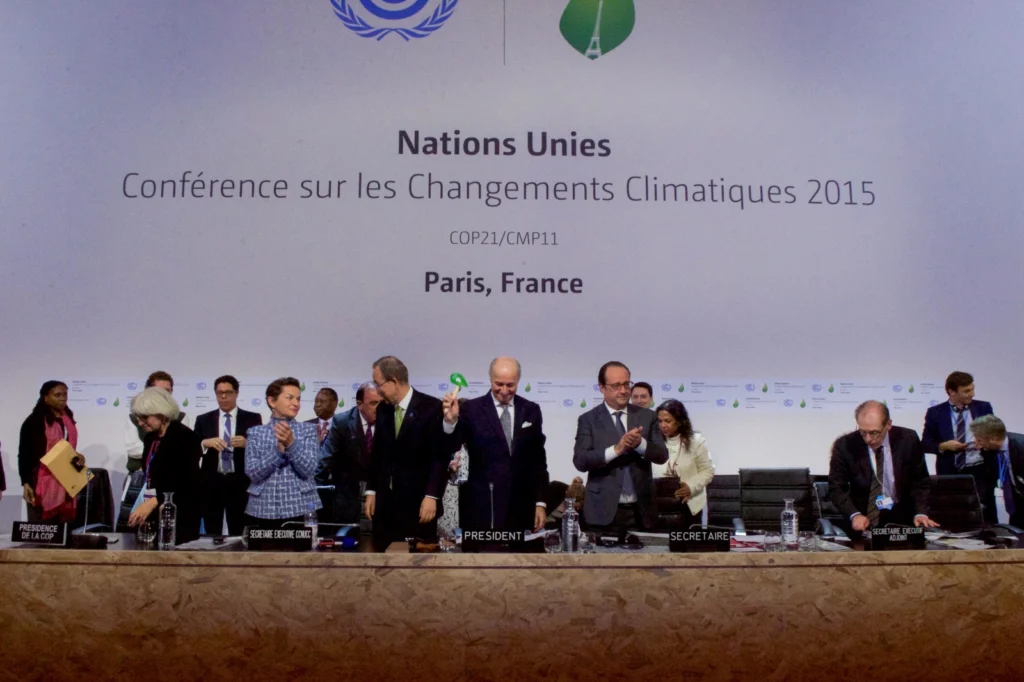
Drawing inspiration from popular stories on our social media channels, as well as  unique and quirky research news, this monthly column aims to bring you the best of the Earth and planetary sciences from around the web. Major Story In the last couple of weeks of May, the news world was abuzz with the possibility of Donald Trump withdrawing from the Paris Agreement. Though the announcement actually ...[Read More]

Meet the EGU’s new Science Policy Officer

Meet the EGU’s new Science Policy Officer

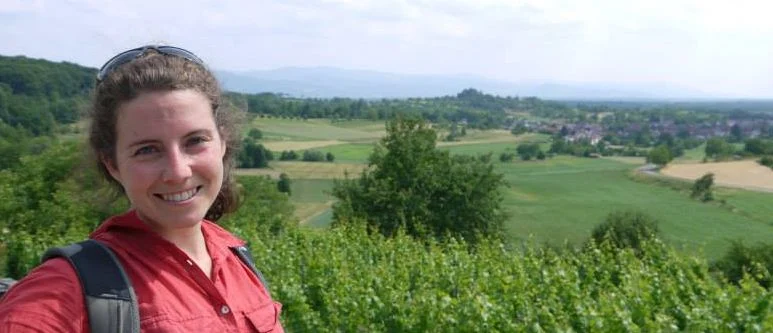
Hi there, my name is Chloe and I’m embarking on a new challenge. After participating in the EGU’s 2017 General Assembly 3 weeks ago as a warmup, I am starting in Munich as the EGU’s Policy Officer. While the title might sound a little ambiguous, it is an incredibly exciting position that allows me to facilitate the dissemination of the EGU members’ scientific knowledge to EU policy-makers while si ...[Read More]