On 22 April, Earth Day and the day before the start of the EGU General Assembly, scientists and science enthusiasts across the globe will be marching to celebrate science and to call for the safeguarding of its future. While the main march is taking place in Washington D.C. in the US, there are hundreds of satellite marches happening around the world, including in Vienna. Representatives of both t ...[Read More]
Policy
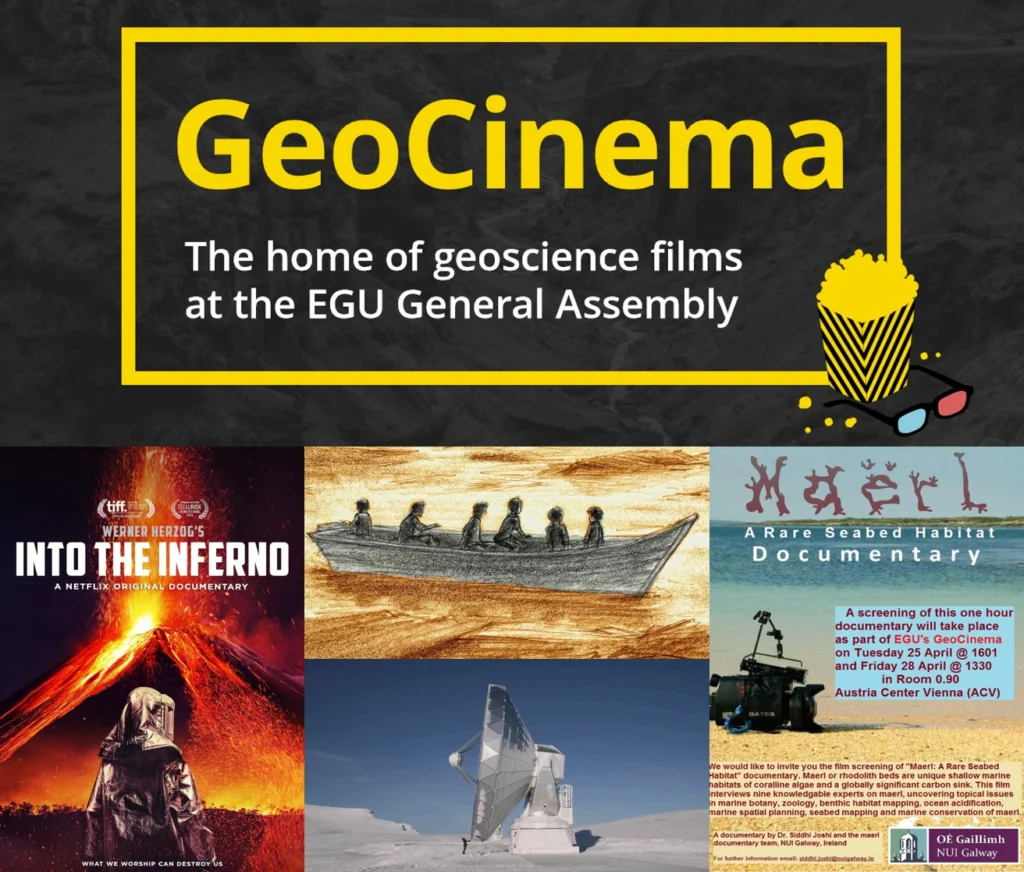
GeoCinema at the 2017 General Assembly
GeoCinema is the home of geoscience films at the EGU General Assembly. This year features over 50 fantastic films from across the geosciences, so you can step into some soil science, dive into deep ocean investigations, catch a glimpse of climate change research and more! The GeoCinema runs almost continuously throughout the conference, with short films, documentaries and feature length production ...[Read More]
GeoPolicy: Making a case for science at the United Nations
This month’s GeoPolicy is a guest post by the International Council for Science (ICSU). Based in Paris, the organisation works at the science-policy interface on the international scale. Here, Heide Hackmann, Executive Director at ICSU, highlights key initiatives ensuring science is present within the United Nations (UN) and explains how ICSU and the scientific community can support these pr ...[Read More]
Geosciences Column: Africa’s vulnerability to climate change
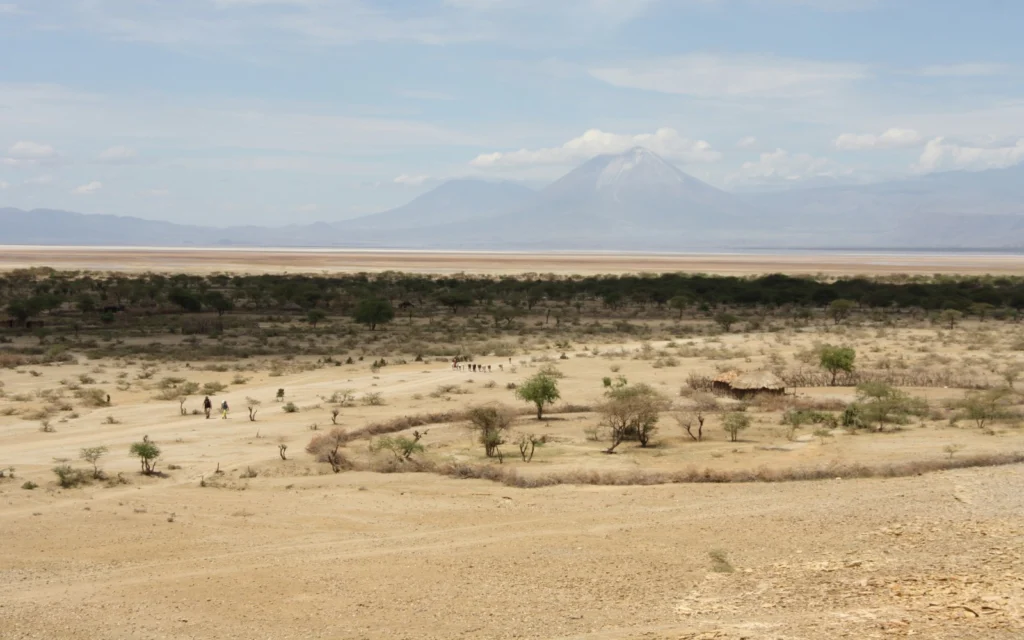
Ravaged by armed conflicts, a deep struggle with poverty, poor governance and horizontal inequality, some parts of Africa and other Global South regions are arguably the most vulnerable to the impacts of climate change. Largely reliant on natural resources for sustenance, current and future changes in temperatures, precipitation and the intensity of some natural hazards threaten the food security, ...[Read More]
GeoPolicy: Have your say on Horizon 2020
The European Union provides almost 75 billion euros of funding through the Horizon 2020 scheme. This money can fund research projects, studentships, post-doctorates and scientific outreach (to name but a few!). The EU is now calling for feedback and comments about the scheme. This month’s GeoPolicy explains how you can have your say. Are you a PhD student funded by European Research Council ...[Read More]
Geosciences Column: Do coastlines have memories?
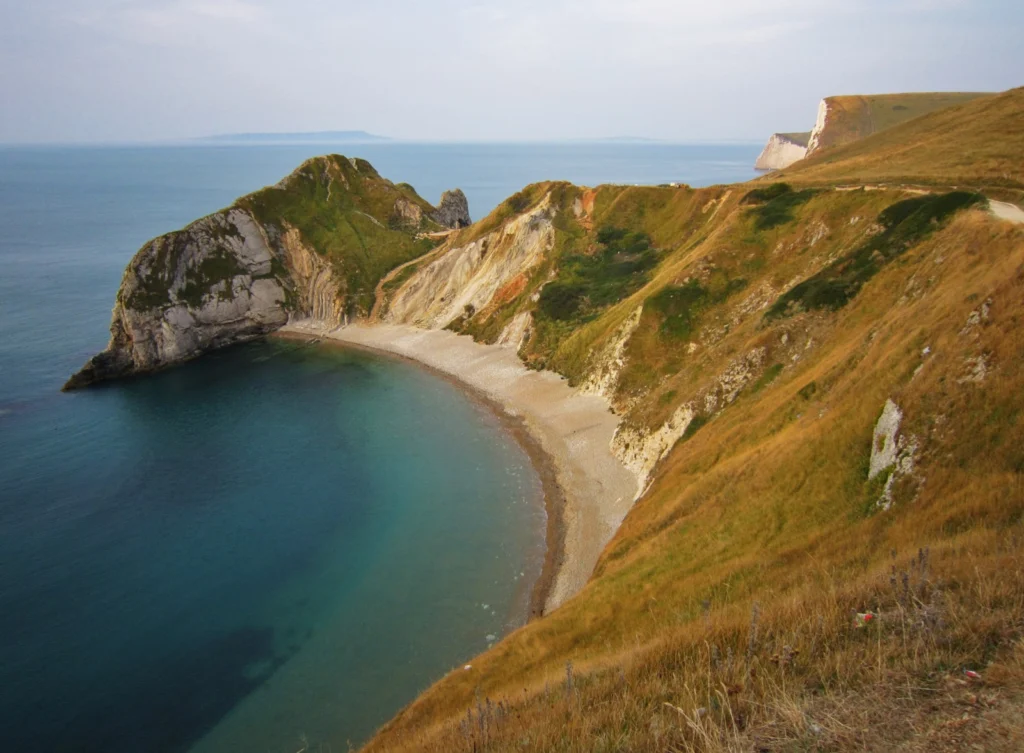
Did you know that the shape of coastlines is determined by the angle at which waves crash against the shoreline. It has long been thought that fluctuations in the wave incidence angle are rapidly felt by coastlines, which change the shapes of their shores quickly in response to shifting wave patterns. Or do they? Researchers at the British Geological Survey, Duke University (USA) and Woods Hole Oc ...[Read More]
GeoPolicy: A new vehicle emissions test to be introduced, say EU’s top scientists
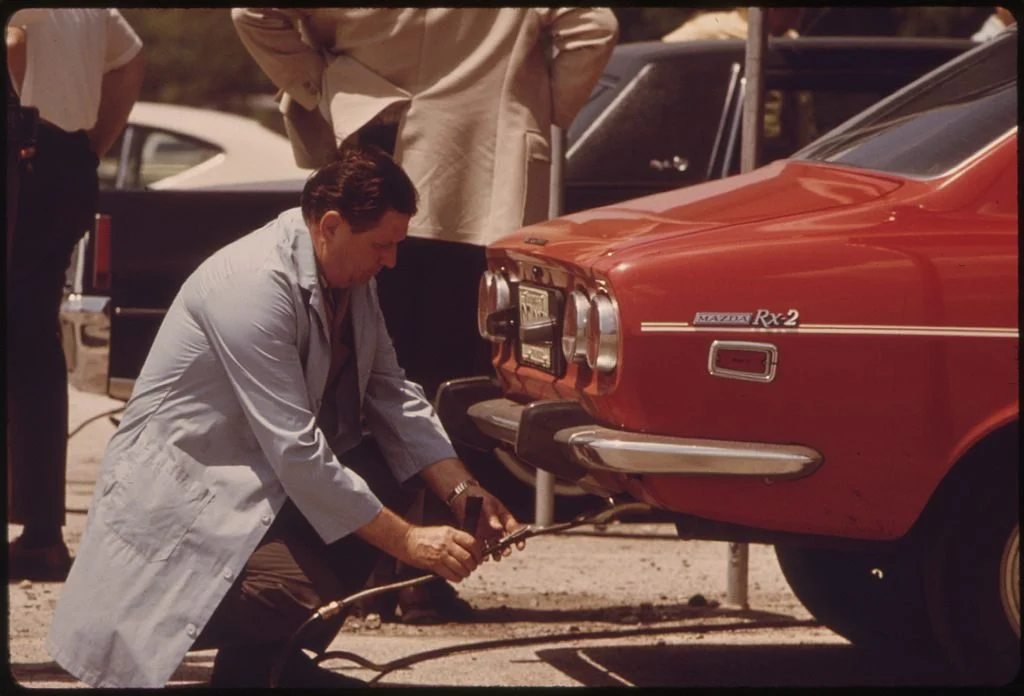
Last year the European Commission appointed a panel of world leading scientists to advise on key science policy issues. In November, the panel issued their first recommendation report focusing on CO2 vehicle emissions. The month’s GeoPolicy post takes a closer look at this high-level advisory panel and the recommendations they have published. In 2015, the Scientific Advice Mechanism (SAM) w ...[Read More]
GeoPolicy: What will a Trump presidency mean for climate change?
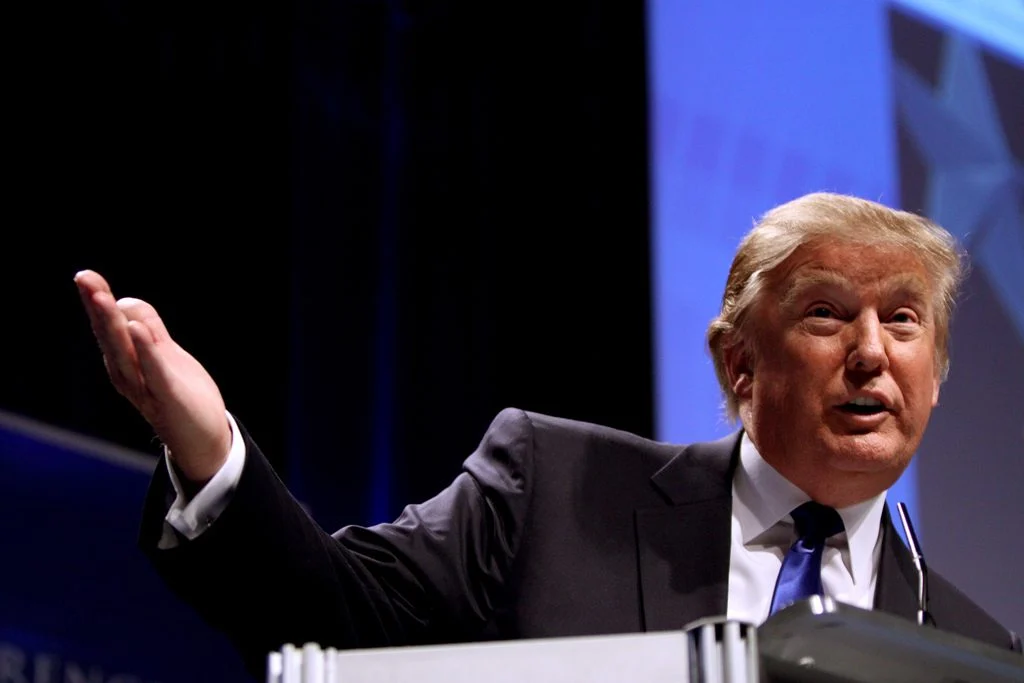
The US Presidential election this month saw Republican Donald Trump, a fierce climate sceptic, be elected into office. In wake of the election results, this month’s GeoPolicy post will take a look at Trump’s proposed actions on climate change, how likely these are to happen, and what the climate and clean technology communities could do to limit the damage. This tweet, written four years ag ...[Read More]
GeoPolicy: Living in a post-factual society and why it’s more important than ever for scientists to engage
Last week, the EGU Science Policy Fellow packed her bags and flew to Brussels. Now this wasn’t to sample some of the fine beers Belgium has to offer, but to attend the 2nd International Network on Government Science Advice (INGSA) Conference. This conference, co-organised by INGSA and the European Commission, aimed to discuss the major principles needed for effective science advice to governments, ...[Read More]
Celebrating Earth Science Week!
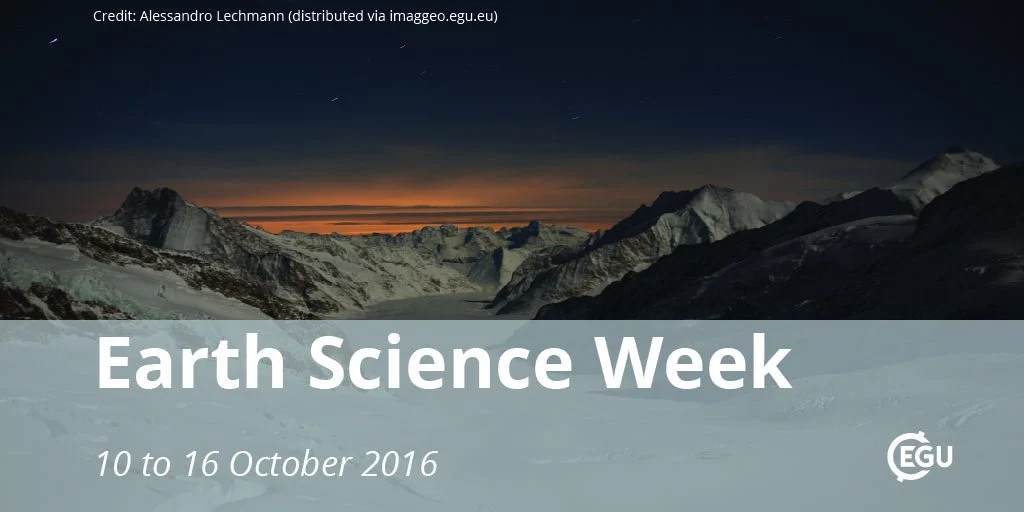
For those not so familiar with the Earth sciences, geosciences and all its subdisciplines might be shrouded in mystery: boring, unfathomable, out of reach and with little relevance to everyday life. Nothing could be further from the truth! Earth Science Week, an international annual celebration founded by the American Geosciences Institute in 1998, aims to change the public’s perception of the ge ...[Read More]