GeoLog

Policy

GeoPolicy: Science and the policy cycle
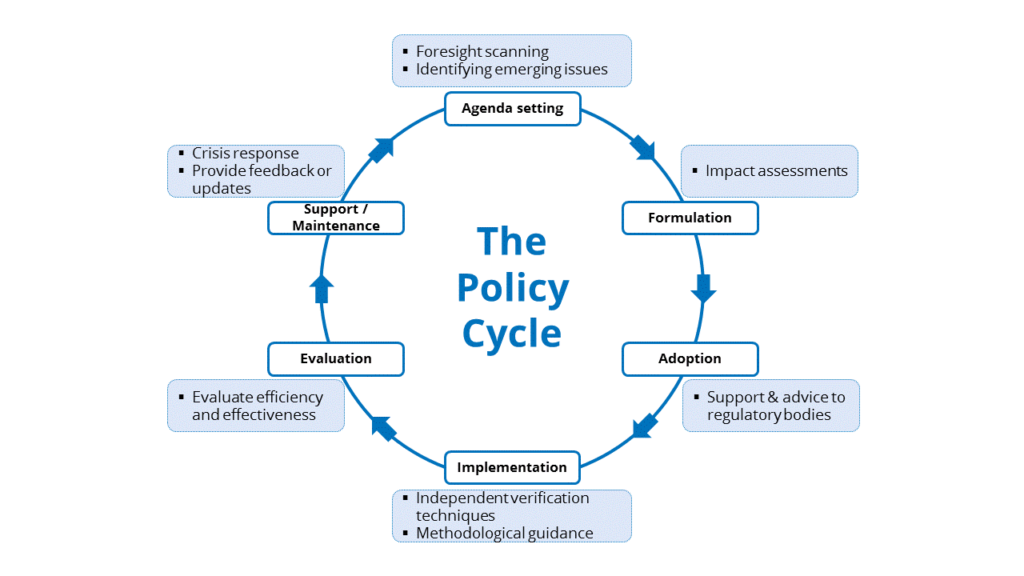
GeoPolicy: Science and the policy cycle
One way to improve the impact of your scientific research is to engage with policy. Doing so can create new opportunities for yourself and your research. The main challenges are knowing when and how to effectively communicate scientific results to policy. If the wrong timing or communication method is chosen then results are less likely to be incorporated into the policy process. This month’s GeoP ...[Read More]

GeoPolicy: How do Members of European Parliament learn about science?

GeoPolicy: How do Members of European Parliament learn about science?

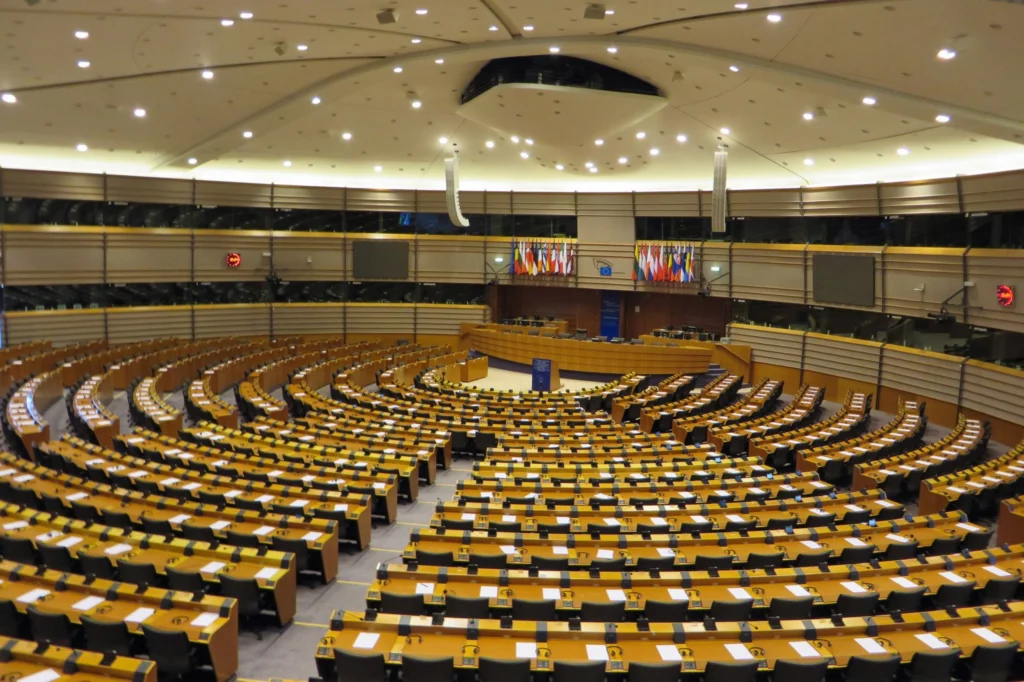
Only ~5% of Members of European Parliament, or MEPs, have a background in the physical sciences1, yet many political challenges require an understanding of the science surrounding these issues. Issues such as locating and extracting mineral resources, understanding climate change impacts, and developing new low-carbon technology. The European Commission (EC) and the European Parliament (EP) have s ...[Read More]

Geosciences Column: The World’s soils are under threat

Geosciences Column: The World’s soils are under threat

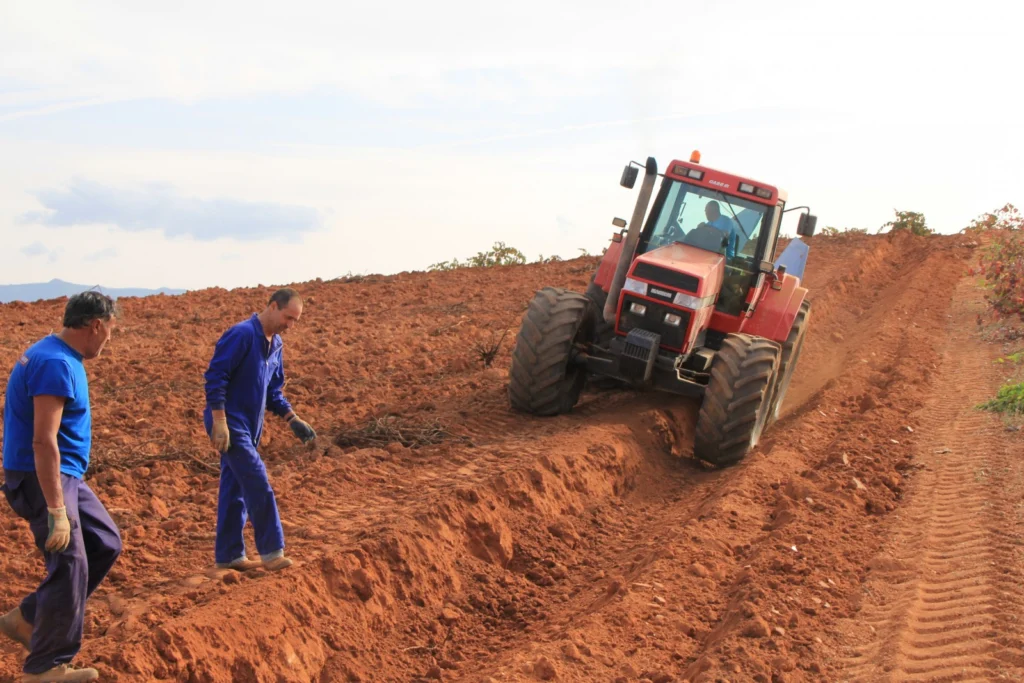
An increasing global population means that we are more dependant than ever on soils. Soils are crucial to securing our future supplies of water, food, as well as aiding adaptation to climate change and sustaining the planet’s biosphere; yet with the decrease in human labour dedicated to working the land, never have we been more out of touch with the vital importance of this natural resource. Now, ...[Read More]

GeoPolicy: 8 ways to engage with policy makers

GeoPolicy: 8 ways to engage with policy makers

Scientific research is usually verbally communicated to policy officials or through purposefully written documents. This occurs at all levels of governance (local, national, and international). This month’s GeoPolicy post takes a look at the main methods in which scientists can assist in the policy process and describes a new method adopted by the European Commission (EC) that aims to enhance scie ...[Read More]

GeoPolicy: 8 science-based projects improving regions in the EU

GeoPolicy: 8 science-based projects improving regions in the EU

As scientists, it can sometimes be difficult to see the real-world implications of some of our research. Concepts can often seem abstract and remote when sitting in a lab or taking field measurements. But researching the Earth sciences can have profound effects on global society. Understanding how the natural world works can help protect and improve human, animal, and plant life. This month’s GeoP ...[Read More]

GeoPolicy: What’s next for the IPCC & how can early career scientists get involved? An interview with Valérie Masson-Delmotte

GeoPolicy: What’s next for the IPCC & how can early career scientists get involved? An interview with Valérie Masson-Delmotte

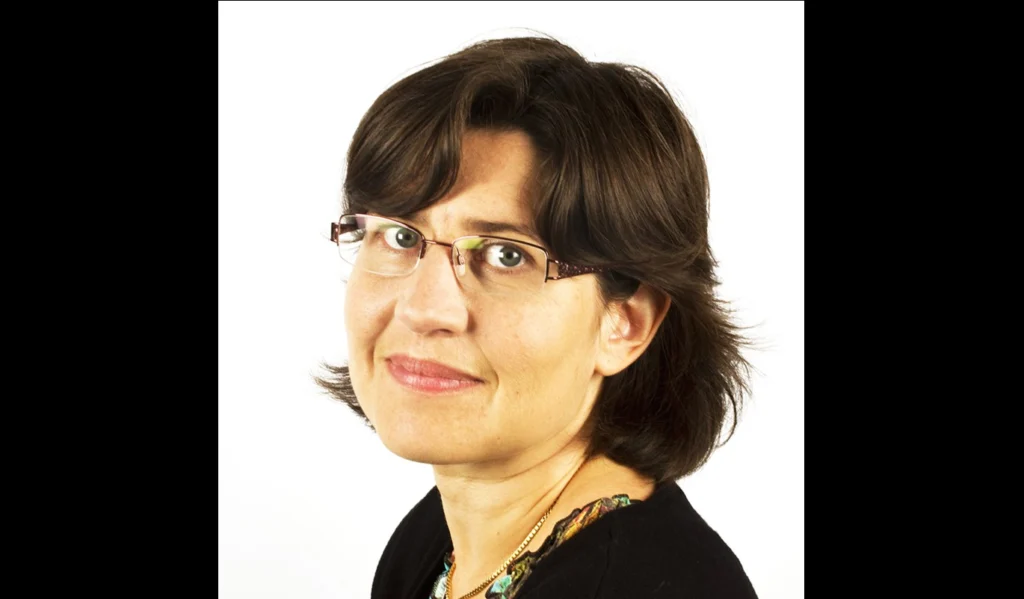
This month’s GeoPolicy post is an interview with the newly-appointed co-chair of the Intergovernmental Panel on Climate Change (IPCC) Working Group 1 (WG1): Valérie Masson-Delmotte. Valérie is also a Principle Investigator at the Laboratoire des Sciences du Climat et de l’Environnement, Paris. In this interview she discusses how she balances her two roles, what the IPCC has planned over the ...[Read More]

GeoSciences Column: Hazagora – will you survive the next disaster?

GeoSciences Column: Hazagora – will you survive the next disaster?

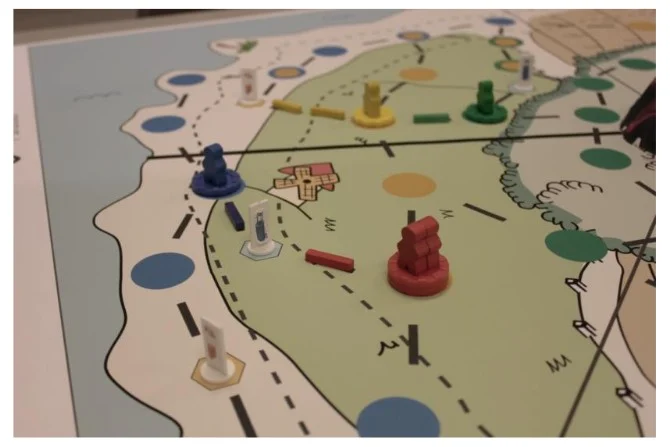
There is no better thing, on a cold and stormy winter’s evening, than to gather your friends for a night of games / board games. Fire blazing (if you have one), tasty snacks laid out and drinks poured, you are all set to indulge in a night of scheming (if you are playing battle ship), deceit (Cluedo), or even all out comedy (think Pictionary or Charades). The main purpose of the games you are like ...[Read More]

GeoPolicy: How to communicate science to policy officials – tips and tricks from the experts

GeoPolicy: How to communicate science to policy officials – tips and tricks from the experts

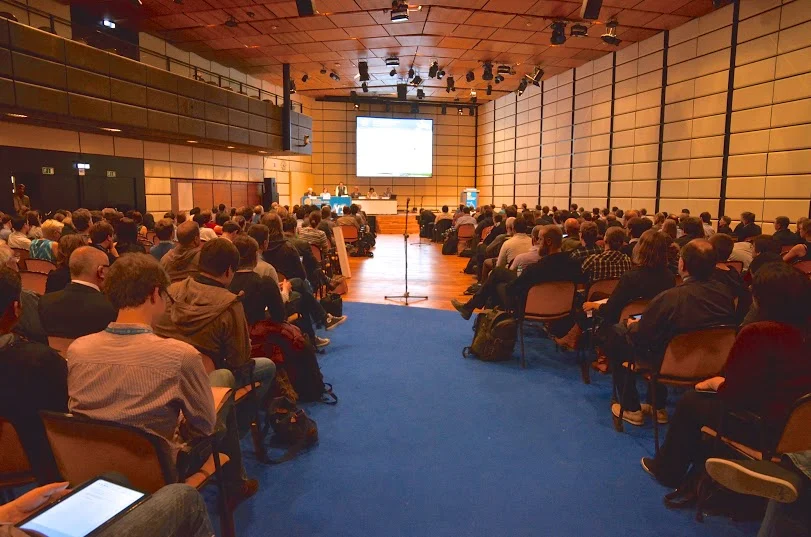
The EGU General Assembly was bigger than ever this year. Over 16,500 people attended more than 500 sessions. Although many sessions featured policy-relevant science, the short course entitled ‘Working at the science policy interface‘ focused purely on the role of scientists within the policy landscape. For those of you that couldn’t attend, this month’s GeoPolicy post takes a clo ...[Read More]

GeoPolicy: Hazards, climate impacts, resources – Supporting science-based policy at EGU16

GeoPolicy: Hazards, climate impacts, resources – Supporting science-based policy at EGU16

As researchers, we spend a lot of time and energy trying to extend the limits of our scientific knowledge, but how much of our new findings can be translated into policies, and what are the best practices for doing this? A multitude of science-policy-related sessions are scheduled at this year’s general assembly (GA), spanning most of the EGU divisions. This month’s GeoPolicy post highlights a sel ...[Read More]

Short courses at EGU 2016

Short courses at EGU 2016

This year there are more short courses than ever to choose from at the General Assembly. You can supercharge your scientific skills, broaden your base in science communication and pick up tips on how to boost your career – be it in academia or outside. There are also a range of courses aimed at making your time at the conference easier, be sure to take part, especially if it is your first time! An ...[Read More]