The International Atomic Energy Agency (IAEA) has developed an online system to assist in improving the response capabilities of authorities in the event of an emergency caused by natural hazards. The Decision Support System for Nuclear Emergencies Affecting Food and Agriculture (DSS4NAFA), provides a clear overview of radioactive contamination of crops and agricultural lands through …[Read More]
Policy
GeoPolicy: ESOF – putting scientists & policymakers in the same room!
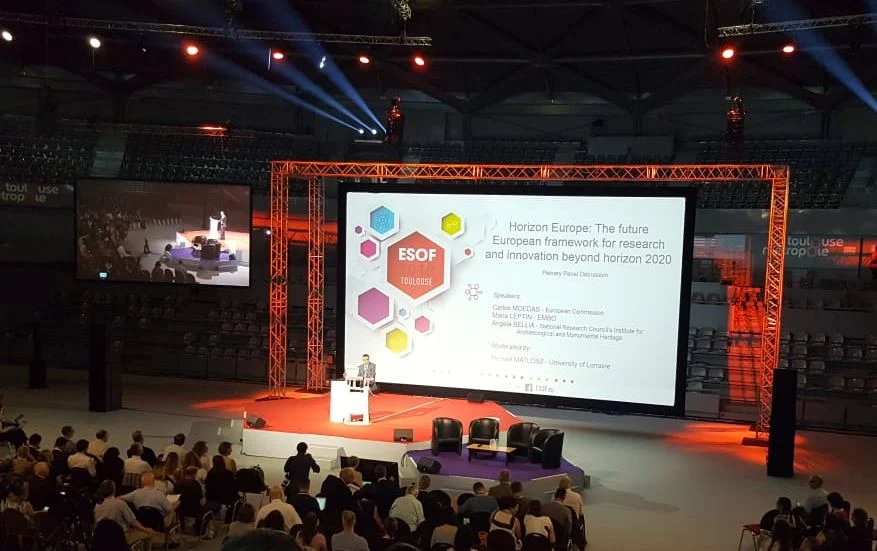
The EuroScience Open Forum (ESOF), the largest interdisciplinary science meeting in Europe, was held earlier this month in Toulouse, France and attracted scientists and policymakers from across the globe. Held every second year, ESOF provides an interface between science, policy and society. This year was my first ESOF. I attended as the EGU Policy Officer …[Read More]
GeoPolicy: How science supported the EU’s new land use and forestry regulation
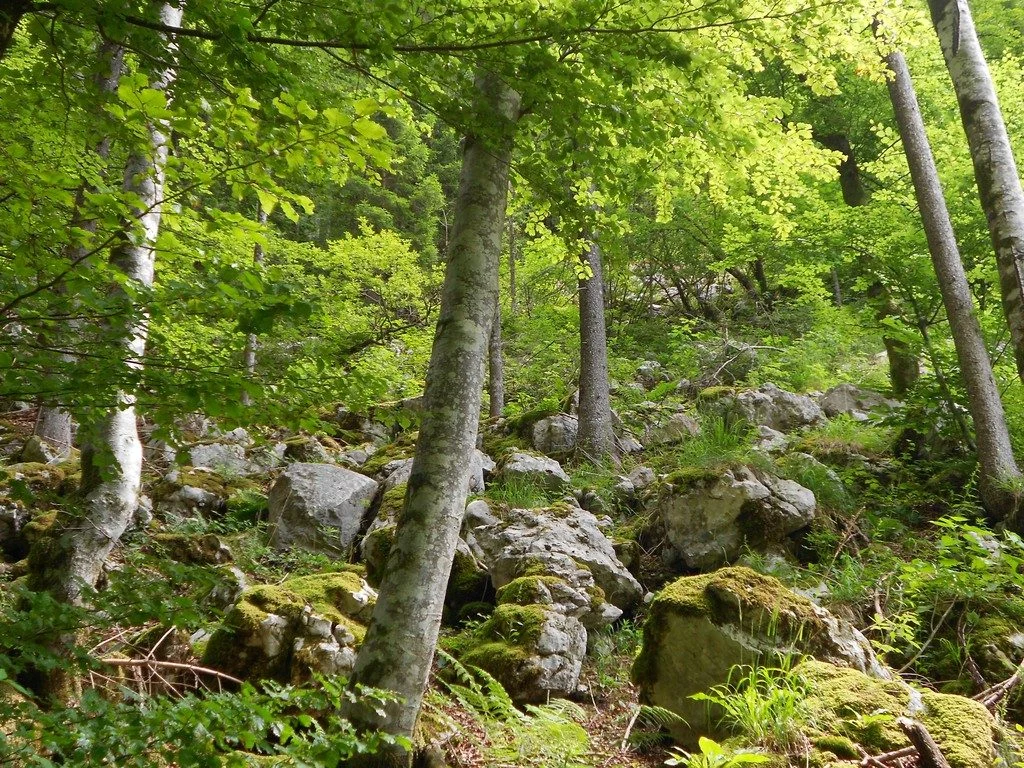
What is the land use and forestry regulation? In October 2014, the EU agreed that all sectors, including land and forestry, should contribute to the EU’s 2030 climate & energy framework target to reduce greenhouse gas emissions by at least 40% by 2030 compared to 1990 levels. Almost 4 years later, in May 2018, the …[Read More]
Geopolicy: including policy in science education?
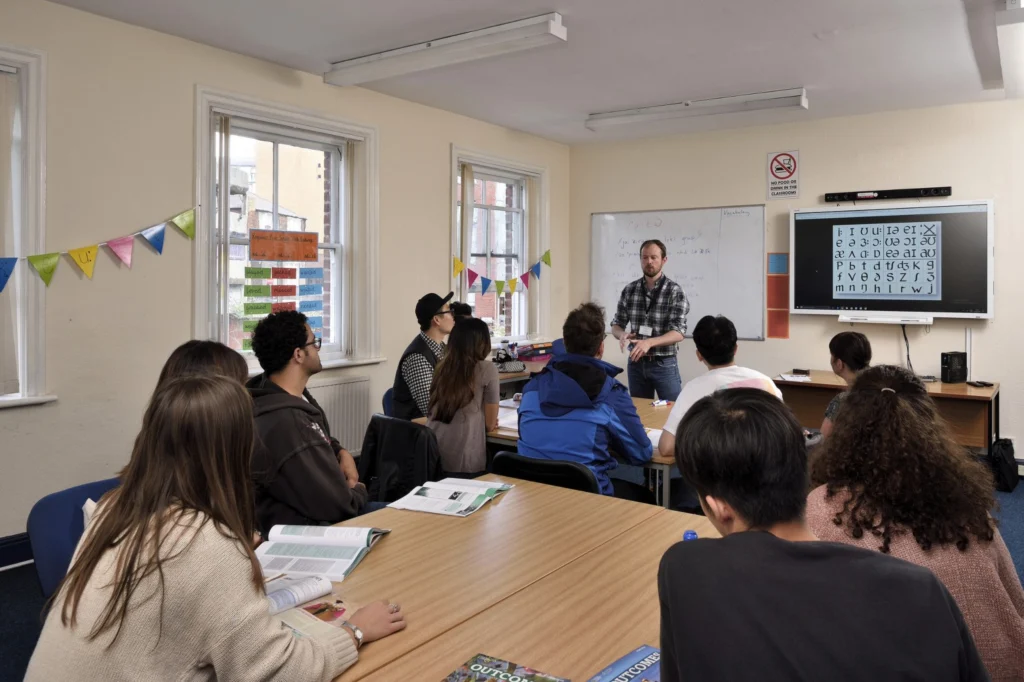
Generally, students are taught basic science and given a rudimentary overview of the political system from a young age. I remember learning how to do basic experiments from the age of 7 and learning about the Australian Parliament not long after that. We had specific classes dedicated to various scientific disciplines in high school and …[Read More]
GeoPolicy: Scientific research in a changing European Union
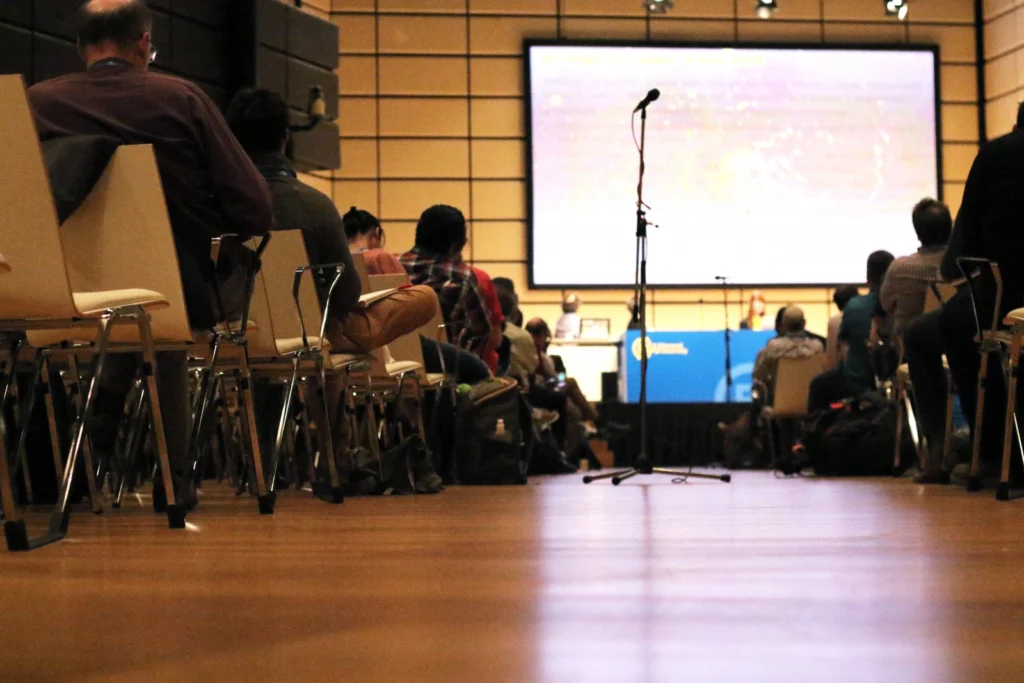
Scientific research in a changing European Union The 2018 EGU General Assembly was a huge success. Not only was it the biggest yet (with over 15,000 participants) but it also held a large variety of Short Courses, Townhalls and Union Symposia that gave the scientists attending a chance to step out of their comfort zone …[Read More]
GeoPolicy: Getting involved with policy at the 2018 General Assembly
The EGU General Assembly is an amazing event, not only because of its size but also due to the number of disciplines represented! This gives scientists, who are diligently focused on their specific research for the majority of the year, the chance to let loose and learn something a bit different. This year’s assembly will …[Read More]
Open Positions on the EGU Education and Outreach Committees
Do you have experience in science education or outreach? Are you looking to get more involved with the EGU community? The EGU Committee on Education and the EGU Outreach Committee are both searching for members interested in promoting the geosciences as well as engaging with the groups inside and outside the science community. The Committee …[Read More]
Geopolicy: Combating plastic pollution – research, engagement and the EU Plastic Strategy
Awareness around the prevalence of plastic pollution, particularly in our oceans, has been growing over the last few years. This is not surprising considering that plastic production has surged from 15 million tonnes in 1964 to 311 million tonnes in 2014 and models have shown that this number will double again within the next 20 …[Read More]
Geopolicy: How does scientific uncertainty translate into policy?
Scientific uncertainty is one of the only things in science that is certain. It’s found in complex modelling systems, in the unpredictability of natural processes and even when there seems to be scientific consensus, a new scientific discovery can recreate ambiguity. But how do policymakers deal with scientific uncertainty when they are making decisions? Policymakers …[Read More]
GeoPolicy: Reaching out on Twitter – casually engage with policymakers!
Reaching out to policymakers and sharing your research with them can seem like a daunting task! While there are many formal outlets for engaging with policymakers (such as completing questionnaires, contributing to workshops and participating in paring schemes), there are also more casual methods that can be done sporadically and with less effort. One example …[Read More]