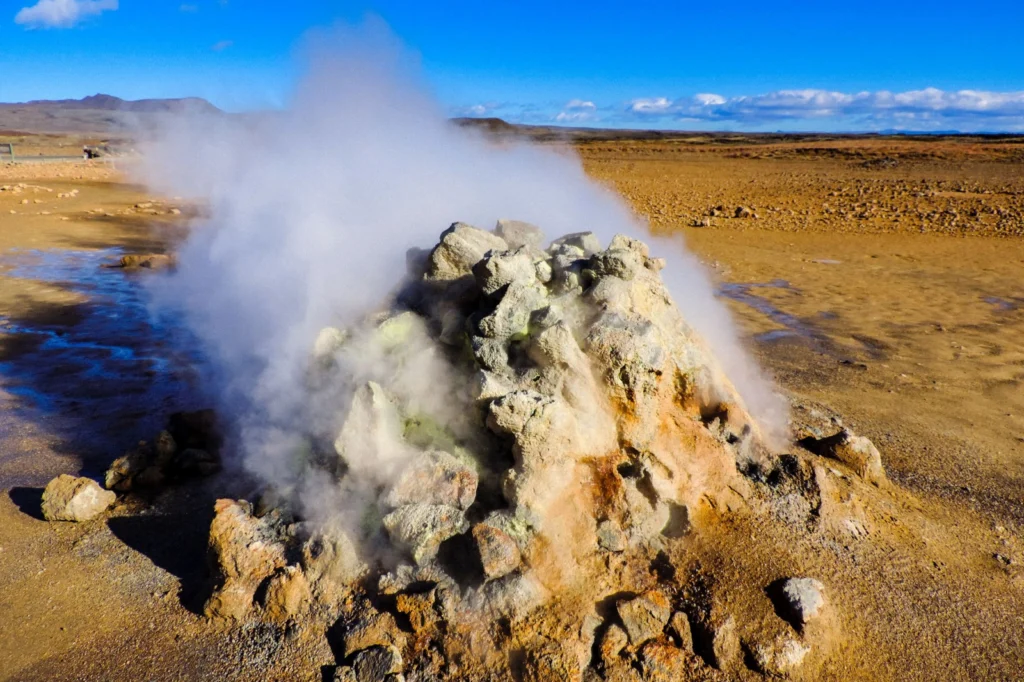
The heat seeping from the geothermal area which is part of the Krafla volcanic system in Iceland, ‘powers’ the steaming vent at Hverir (Hverarönd). The area is well known for its mud pots and sulphuric gas fumaroles, complete with pungent eggy smell. Some of the vents are in fact boreholes drilled in the 50’s for sulphur exploration which have been turned into fumaroles, the steam is a resul ...[Read More]
Tectonics and Structural Geology
GeoTalk: The life and death of an ocean – is the Atlantic Ocean on its way to closing?
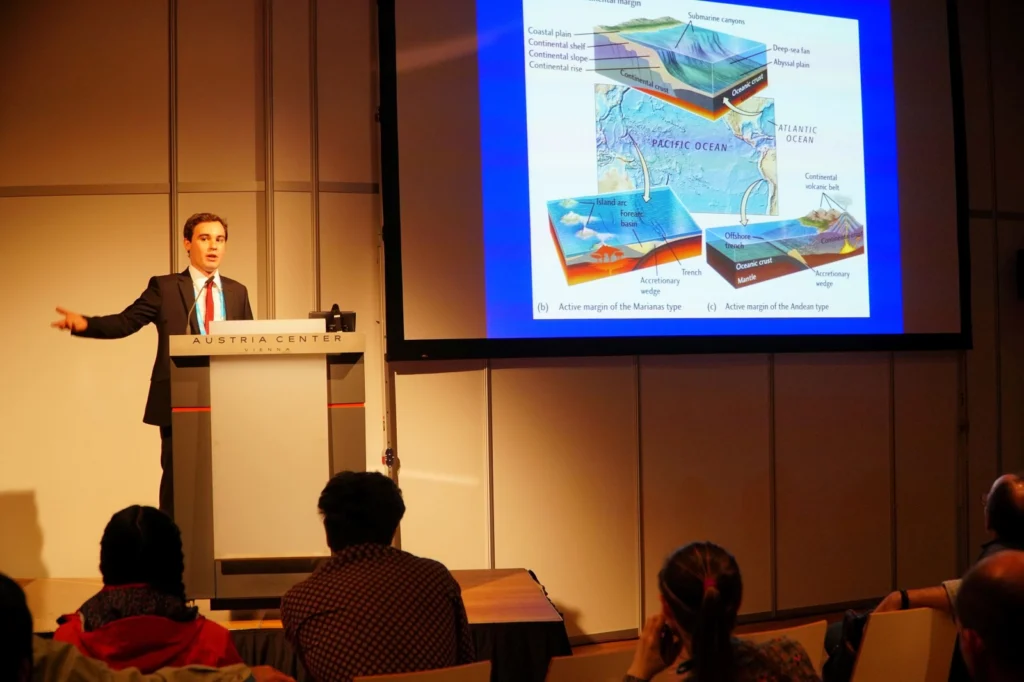
Geotalk is a regular feature highlighting early career researchers and their work. Following the EGU General Assembly, we spoke to João Duarte, the winner of a 2017 Arne Richter Award for Outstanding Early Career Scientists. João is a pioneer in his field. He has innovatively combined tectonic, marine geology and analogue modelling techniques to further our understanding of subduction initiation ...[Read More]
Light years from home – a geologist’s tale
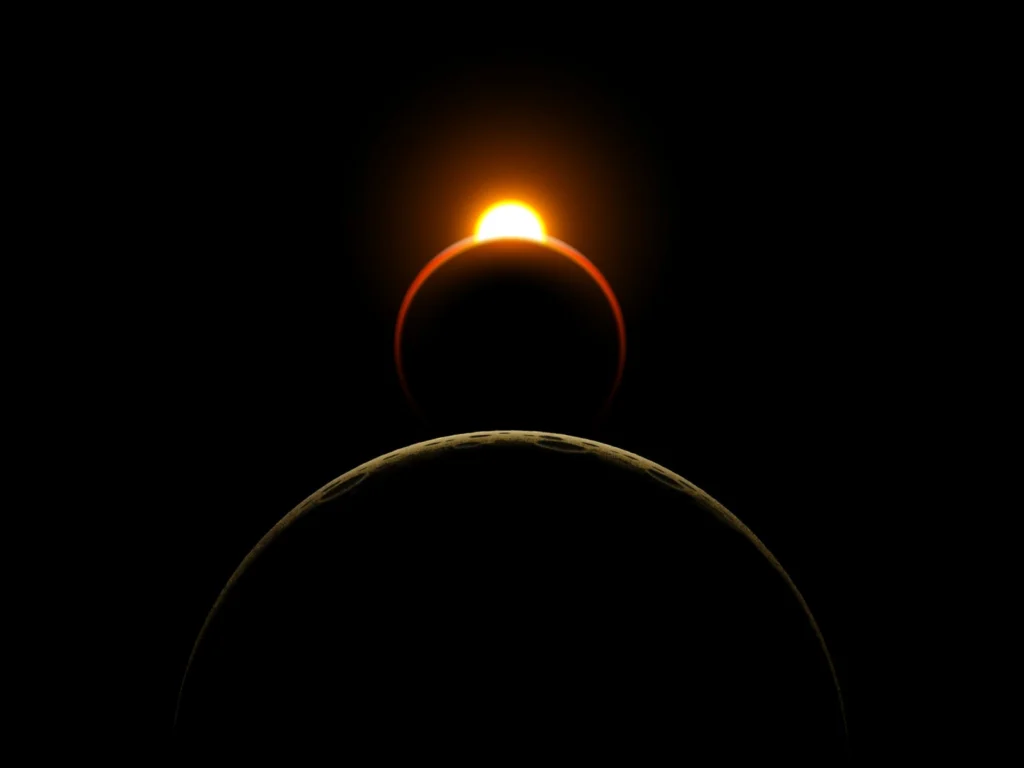
In a departure from the usual posts we feature on the blog, today Conor Purcell (a freelance science writer) brings you a thought provoking science fiction piece. Grab a drink and dive into this geology inspired adventure! “It’s typical geology for a rocky planet” K reported. “Captured beneath the ocean at its northern pole, the core is a mix of metamorphic and sedimentary rock, with sand an ...[Read More]
May GeoRoundUp: the best of the Earth sciences from around the web
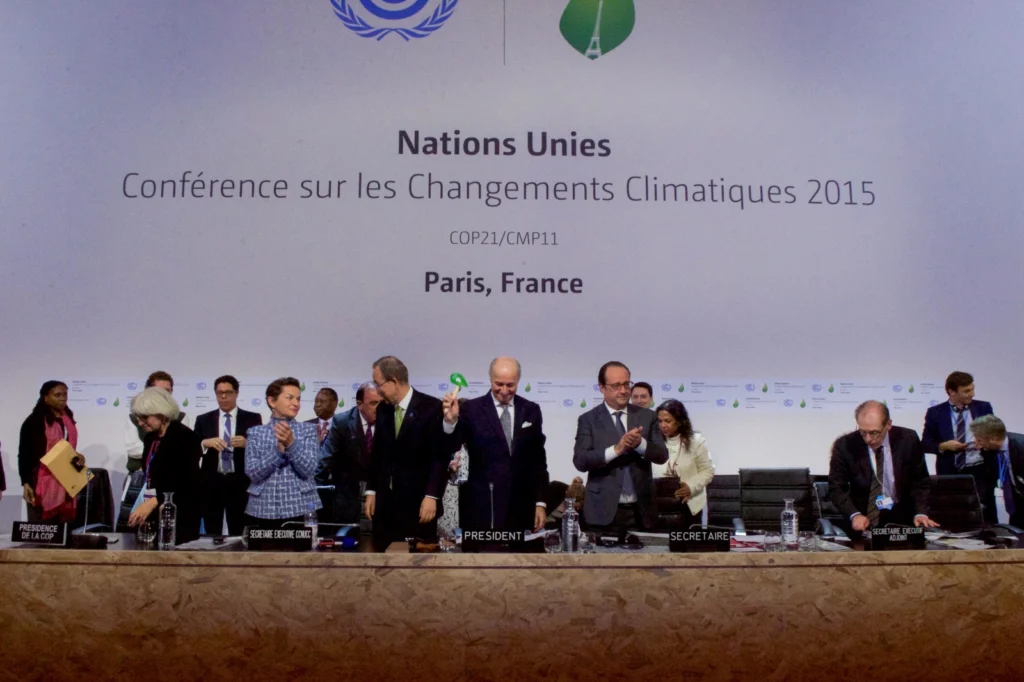
Drawing inspiration from popular stories on our social media channels, as well as unique and quirky research news, this monthly column aims to bring you the best of the Earth and planetary sciences from around the web. Major Story In the last couple of weeks of May, the news world was abuzz with the possibility of Donald Trump withdrawing from the Paris Agreement. Though the announcement actually ...[Read More]
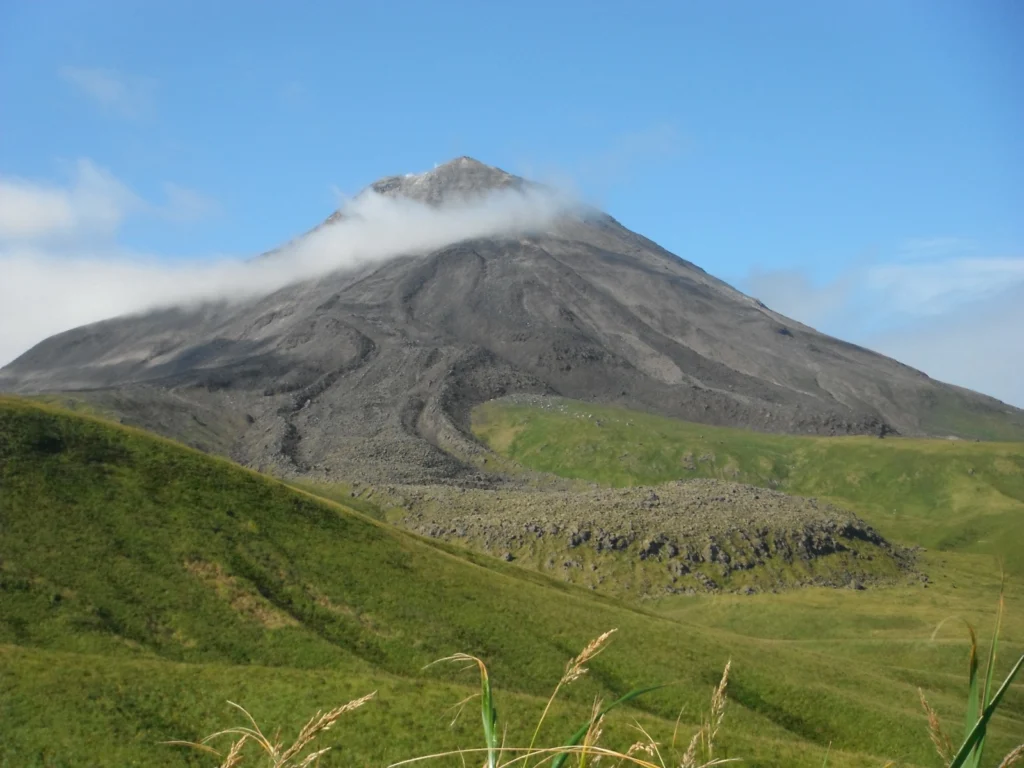
Imaggeo on Mondays: Lava highway in Kanaga Island
On a rare sunny day, Mattia Pistone (a researcher at the Smithsonian Institution in Washington DC) was able to capture this spectacular shot of Kanaga, a stratovolcano in the remote Western Aleutians, which is usually veiled by thick cloud. The Western Aleutians form a chain of 14 large and 55 small volcanic islands, belonging to one of the most extended volcanic archipelagos on Earth (1900 km), s ...[Read More]
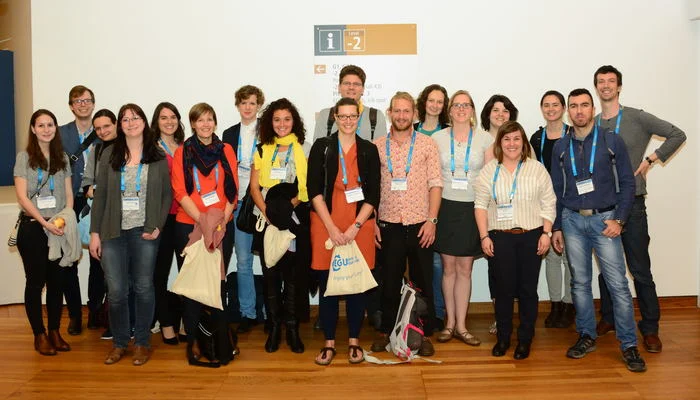
Get involved: become an early career scientist representative
Early career scientists (ECS) make up a significant proportion of the EGU membership and it’s important to us that your voices get heard. To make sure that happens, each division appoints an early career scientists representative: the vital link between the Union and the ECS membership. After tenure of two or four years, a few of the current ECS Representatives are stepping down from their post at ...[Read More]
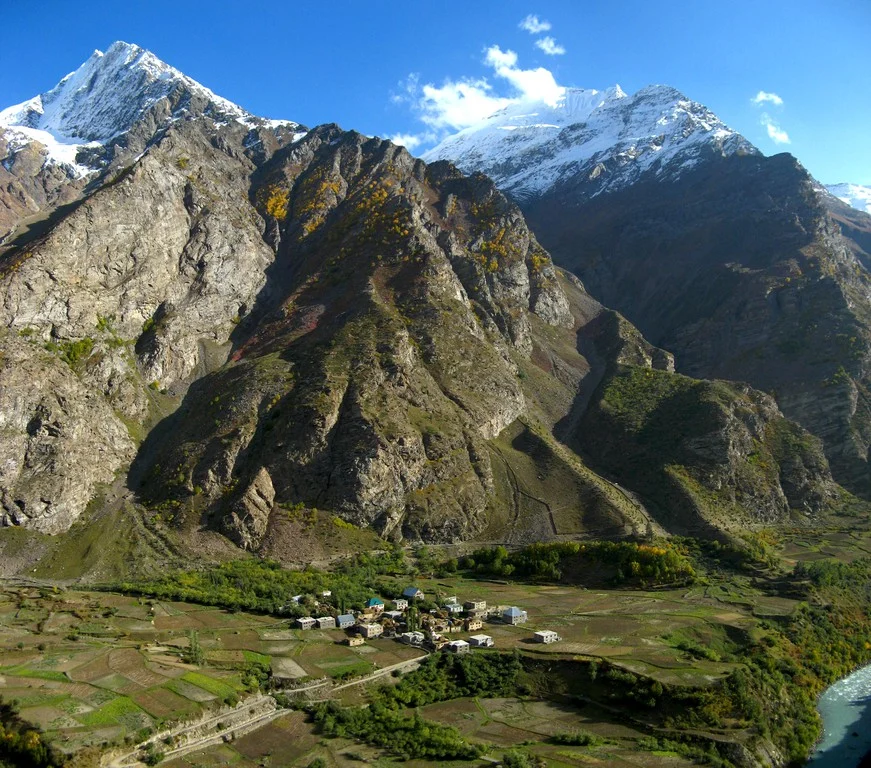
Imaggeo on Mondays: Deep in the Himalayas
The Himalayas: vast, formidable and home to the Earth’s highest peaks. The mountain range stretches inexorably through Indian, Bhutan, Nepal, China (Tibet) and Pakistan separating the Tibetan Plateau to the north from India’s alluvial plains to the south. India, as we know it today, started life much further south, as an island not far off the coast of Australia. It was separated from ...[Read More]
Announcing the winner of the EGU Best Blog Post of 2016 Competition
There is no doubt that 2016 was packed full of exciting, insightful and informative blog posts. An impressive 360 posts were published across the EGU’s official blog, GeoLog, as well as the network and division blogs! In December, to celebrate the excellent display of science writing across the network and division blogs, we launched the EGU Blogs competition. From a list of posts selected by our ...[Read More]
GeoTalk: Beatriz Gaite on why videos are a great tool for communicating your research to a broad audience
If you’ve not heard about our Communicate Your Science Video Competition before it gives early career scientists the chance to produce a video up-to-three-minutes long to share their research with the general public. The winning entry receives a free registration to the General Assembly the following year. In this GeoTalk interview, Laura Roberts talks to Beatriz Gaite an early career scientist wh ...[Read More]
Imaggeo on Mondays: Tones of sand
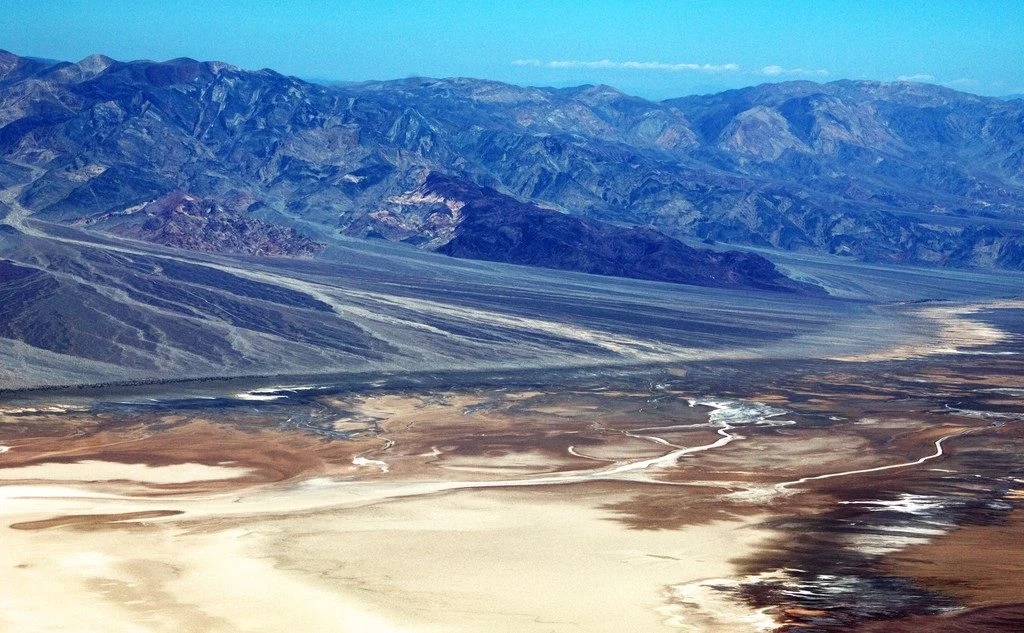
With rocks dating as far back as the Precambrian, mountain building events, violent volcanic eruptions and being covered, on and off, by shallow seas, Death Valley’s geological history is long and complex. Back in the Cenozoic (65 to 30 million years ago), following a turbulent period which saw the eruption of volcanoes (which in time would form the Sierra Nevada of California) and regional uplift ...[Read More]