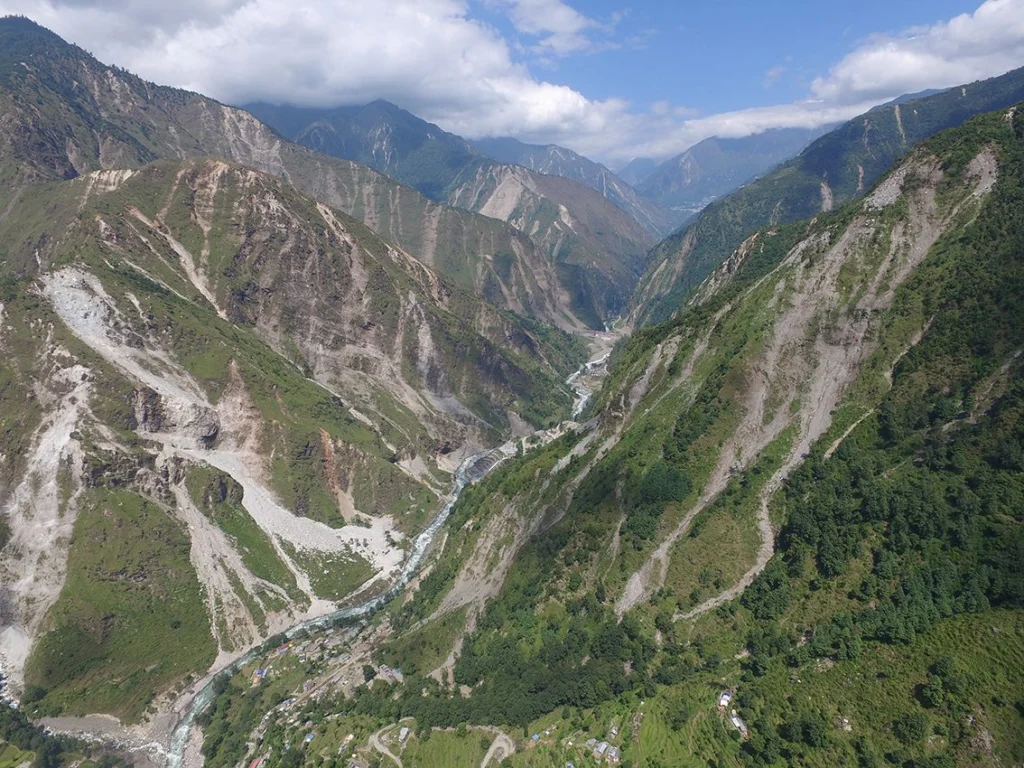
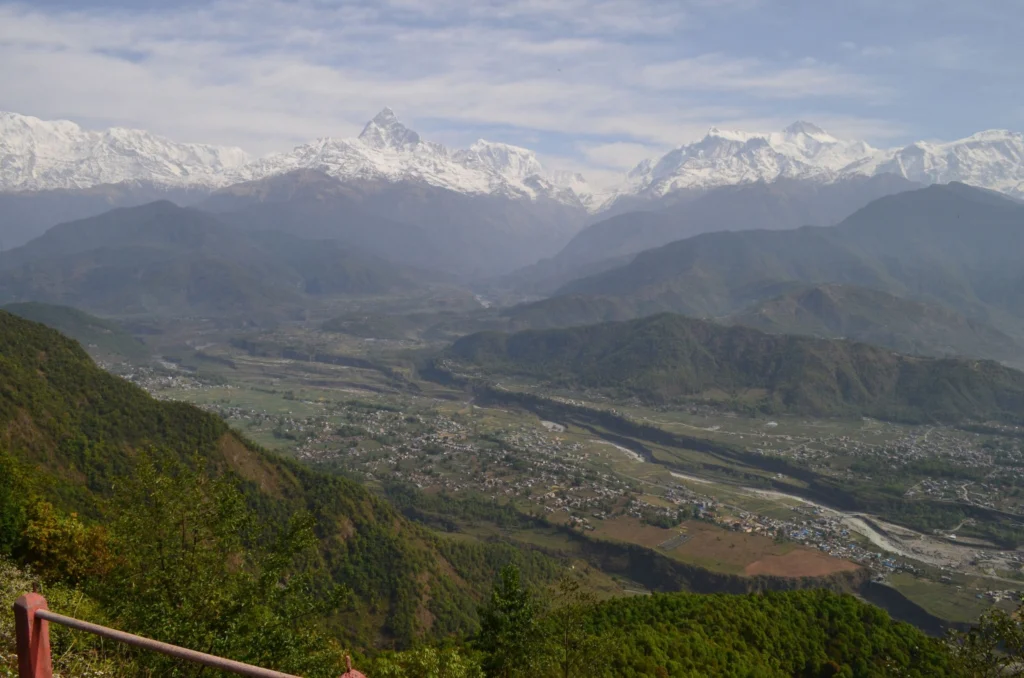
Jane Qiu, a grantee of the Pulitzer Center on Crisis Reporting, took to quake-stricken Nepal last month — venturing into landslide-riddled terrains and shadowing scientists studying what makes slopes more susceptible to failure after an earthquake. The journey proved to be more perilous than she had expected. What would it be like to lose all your family overnight? And how would you cope? It’s wit ...[Read More]
Tectonics and Structural Geology
Counting the cost of natural disasters
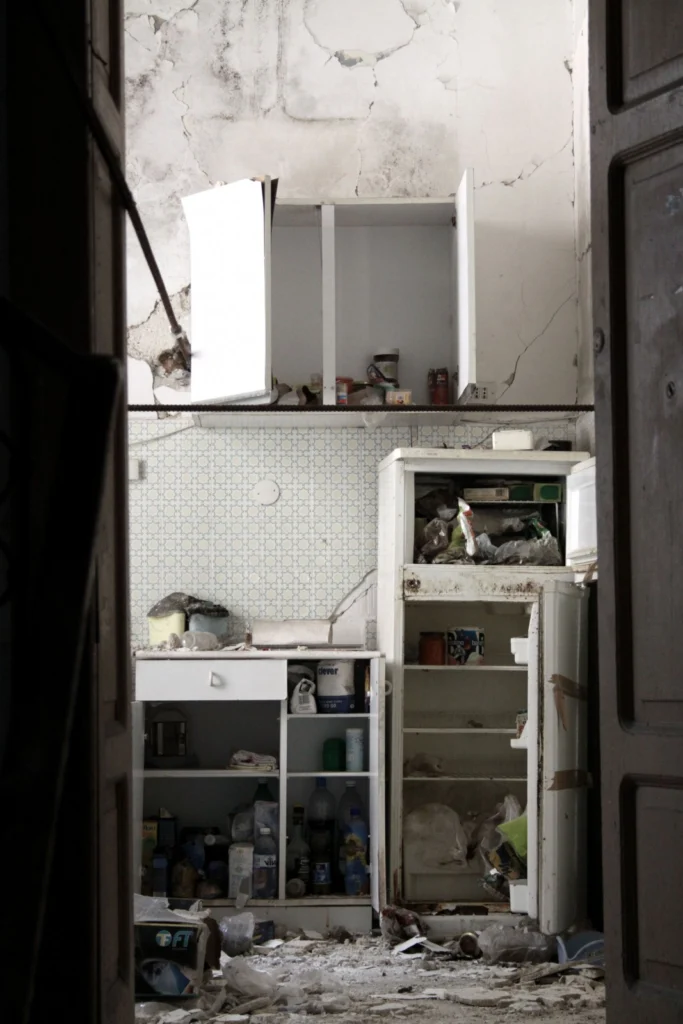
Often, in the news, we are used to seeing disaster statistics reported as isolated figures, placed into context by the tragic human cost of floods, earthquakes and drought. The recent Ecuadorian earthquake that occurred on Saturday the 16th April, for example, was described as having an estimated economic cost of $820 million, which could rise as the scale of the disaster is revealed. But beyond t ...[Read More]
Imaggeo on Mondays: recreating geological processes in the lab
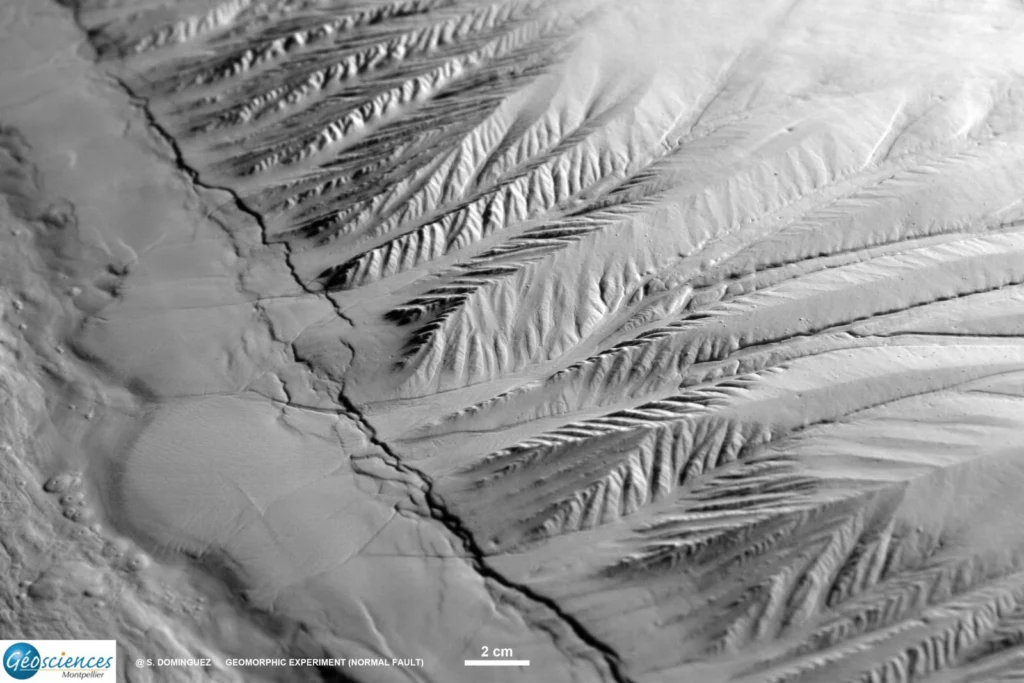
Many of the processes which take place on Earth happen over very long time scales, certainly when compared to the life span of a person. The same is true for geographical scale. Many of the processes which dominate how our planet behaves are difficult to visualise given the vast distances (and depths) over which they occur. To overcome this difficulty, scientists have developed and resorted to a n ...[Read More]
Imaggeo on Mondays: Through the hole
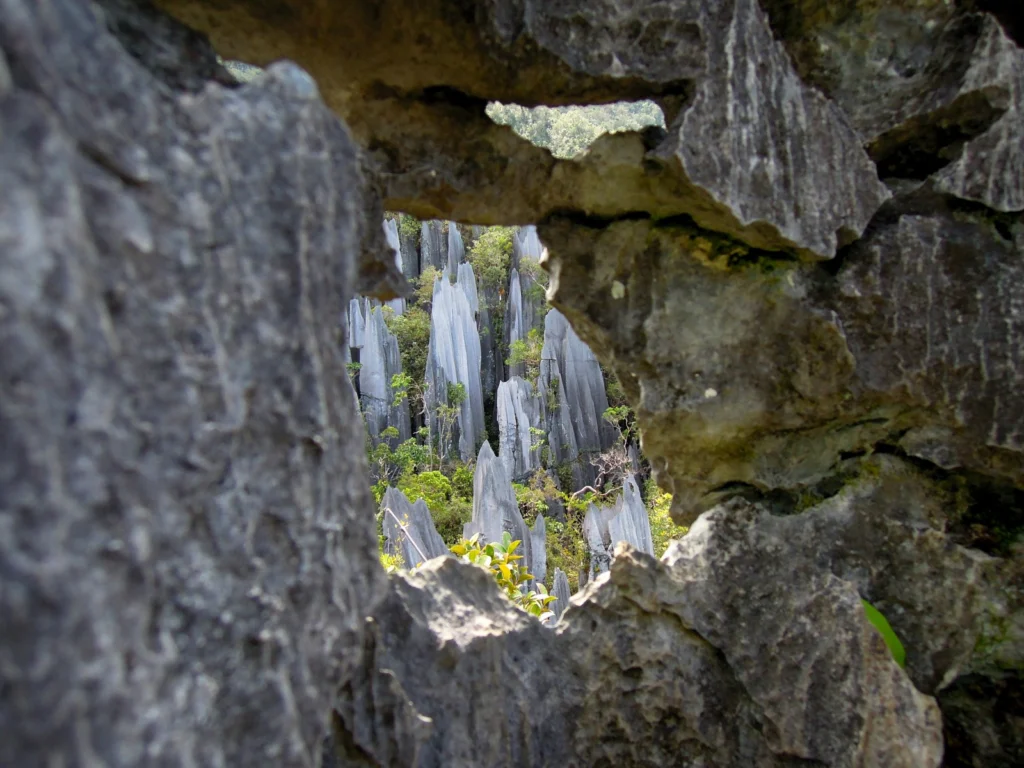
The Gunung Mulu National Park is an area so geologically remarkable and home to such incredibly diverse fauna and flora it has been declared a World Heritage Area. Located on the island of Borneo, the park is famous for its over 100 different palm species and 3500 other plant types. Geologically speaking, a trip though the varied landscapes will be rewarded with views of deep gorges and hidden va ...[Read More]
Communicate your Science Video Competition finalists 2016: time to get voting!
For the third year in a row we’re running the EGU Communicate Your Science Video Competition – the aim being for early career scientists to communicate their research in a short, sweet and public-friendly video. Our judges have now selected 3 fantastic finalists from the excellent entries we received this year and it’s time to find the best geoscience communication clip! The shortlisted videos wil ...[Read More]
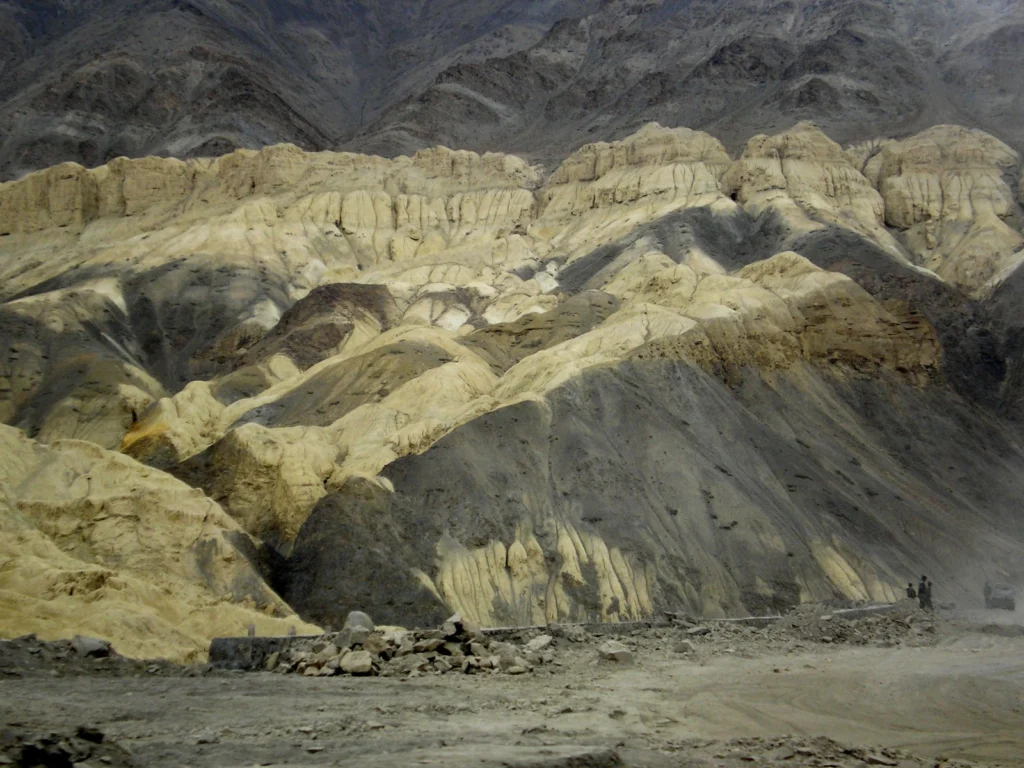
Imaggeo on Mondays: Moonland
The moon-like landscapes surrounding the Himalayan village of Lamayuru attract tourists seeking off-the-beaten track adventures. The village is enchanting, not only for the striking geological formations that frame it, but also for the presence of an 11th Century Buddhist monastery. “The rock formations are known as ‘Moonland'”, says Arjun Datta, author of this week’s imaggeo on ...[Read More]
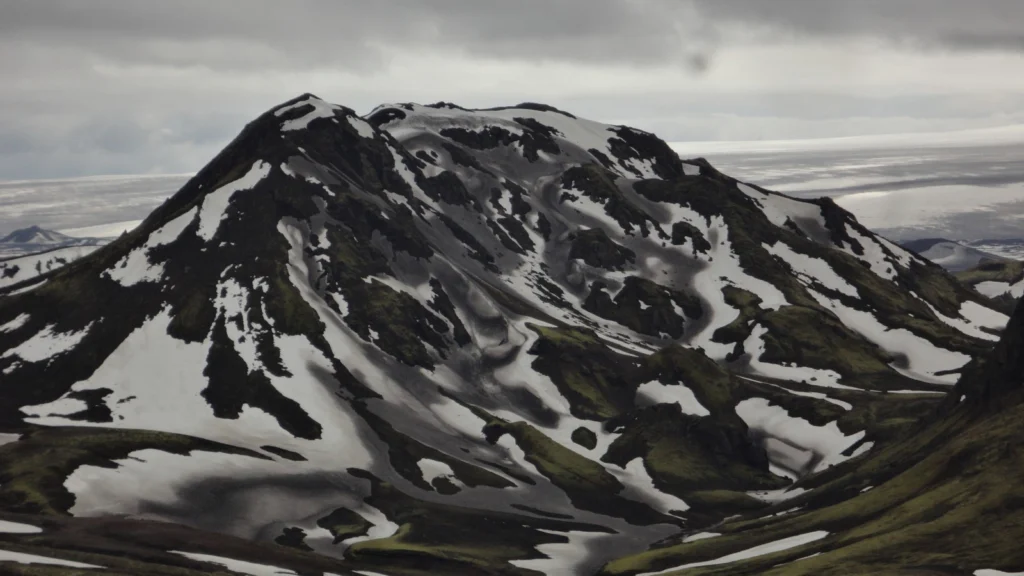
Imaggeo on Mondays: Snow and ash in Iceland
Featuring today on the blog is the land of ice and fire: Iceland. That title was never better suited to (and exemplified), than it is in this photograph taken by Daniel Garcia Castellanos in June 2013. Snow capped peaks are also sprinkled by a light dusting of volcanic ash. Dive into this post to find out the source of the ash and more detail about the striking peak. The picture is dominated by a ...[Read More]
Geosciences Column: An international effort to understand the hazard risk posed by Nepal’s 2015 Gorkha earthquake
Nine months ago the ground in Nepal shook, and it shook hard: on April 25th 2015 the M7.8 Gorkha earthquake struck and was followed by some 250 aftershocks, five of which were greater than M 6.0. The devastation left behind in the aftermath of such an event, and how to coordinate disaster-relief efforts in a vast, mountainous region, is difficult to imagine. Yet, this December at the 2015 AGU Fall ...[Read More]
The best of Imaggeo in 2015: in pictures
Last year we prepared a round-up blog post of our favourite Imaggeo pictures, including header images from across our social media channels and Immageo on Mondays blog posts of 2014. This year, we want YOU to pick the best Imaggeo pictures of 2015, so we compiled an album on our Facebook page, which you can still see here, and asked you to cast your votes and pick your top images of 2015. From the ...[Read More]
Geoscience hot topics – The finale: Understanding planet Earth
What are the most interesting, cutting-edge and compelling research topics within the scientific areas represented in the EGU divisions? Ground-breaking and innovative research features yearly at our annual General Assembly, but what are the overarching ideas and big research questions that still remain unanswered? We spoke to some of our division presidents and canvased their thoughts on what the ...[Read More]