GeoLog

Tectonics and Structural Geology

Imaggeo on Mondays: Foggy Bandon beach, Oregon
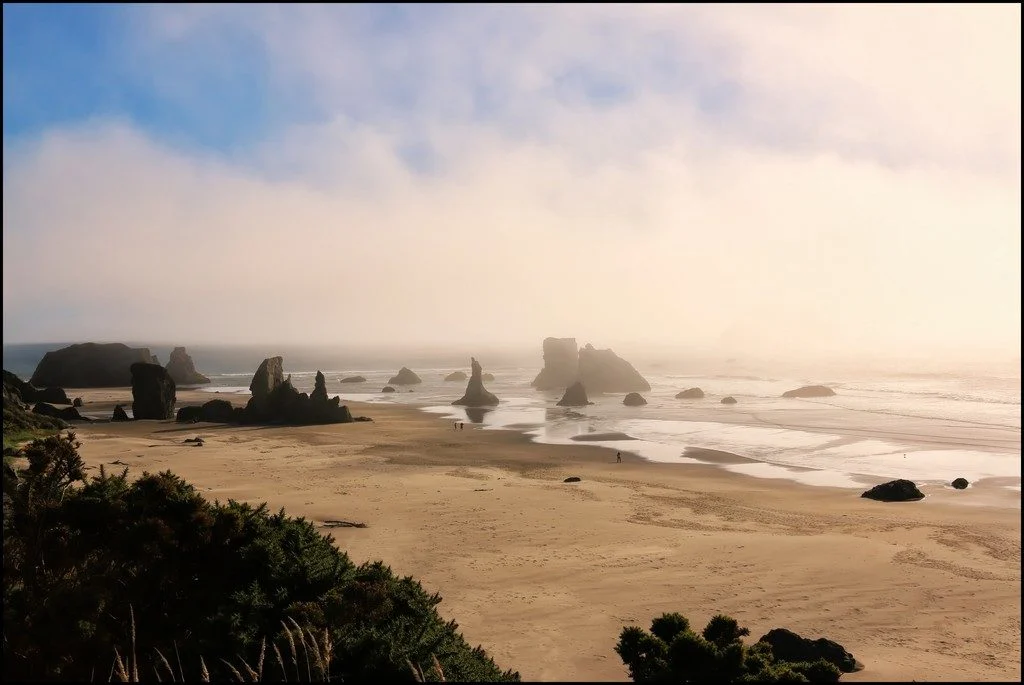
Imaggeo on Mondays: Foggy Bandon beach, Oregon

This picture was taken at Bandon beach, Oregon. Bandon is well-known for its memorable seascape of stacks of all shapes and sizes. These rock formations are known to geologists as ‘knockers’ and carry nicknames like ‘the Wizards hat’. They date from the Jurassic period – about 200 to 145 million years ago – and are what remains from the great mélange during tectonic subduction processe ...[Read More]

Winners of the EGU Best Blog Posts of 2018 Competition

Winners of the EGU Best Blog Posts of 2018 Competition

There is no doubt that 2018 was packed full of exciting, insightful and informative blog posts. An impressive 382 posts were published across the EGU’s official blog, GeoLog, as well as the network and division blogs! In December, to celebrate the excellent display of science writing across the network and division blogs, we launched the EGU Blogs competition. From a list of posts selected by our ...[Read More]

Imaggeo on Mondays: The best of imaggeo in 2018

Imaggeo on Mondays: The best of imaggeo in 2018

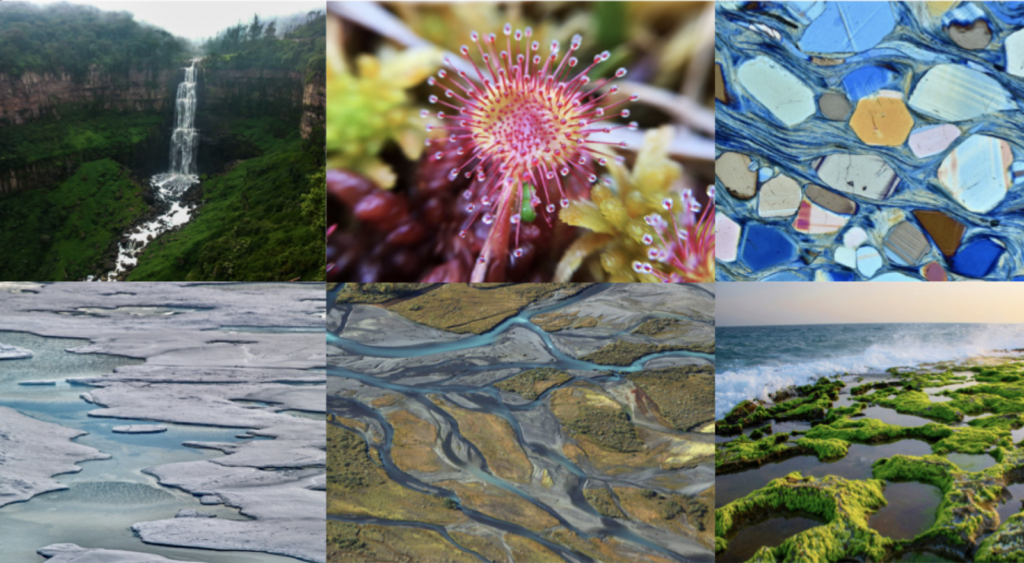
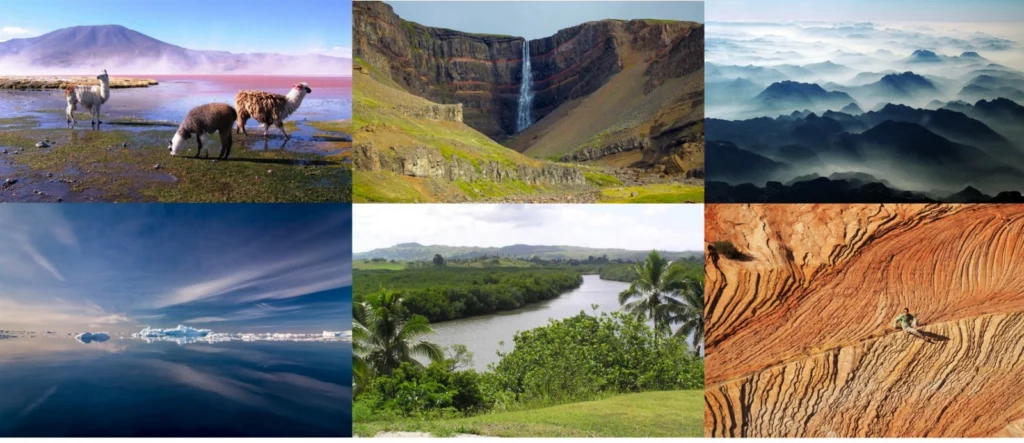
Imaggeo, our open access image repository, is packed with beautiful images showcasing the best of the Earth, space and planetary sciences. Throughout the year we use the photographs submitted to the repository to illustrate our social media and blog posts. For the past few years we’ve celebrated the end of the year by rounding-up some of the best Imaggeo images. But it’s no easy task to pick which ...[Read More]

Looking back at the EGU Blogs in 2018: a competition

Looking back at the EGU Blogs in 2018: a competition

The past 12 months has seen an impressive 382 posts published across the EGU’s official blog, GeoLog, as well as the network and division blogs. From an Easter-themed post on the convection of eggs, features on mental health in academia, commentary on the pros and cons of artificial coral reefs, advice on presenting research at conferences, through to a three-part “live-series” on the ...[Read More]

Imaggeo on Mondays: On the way to Tristan’s penguins

Imaggeo on Mondays: On the way to Tristan’s penguins

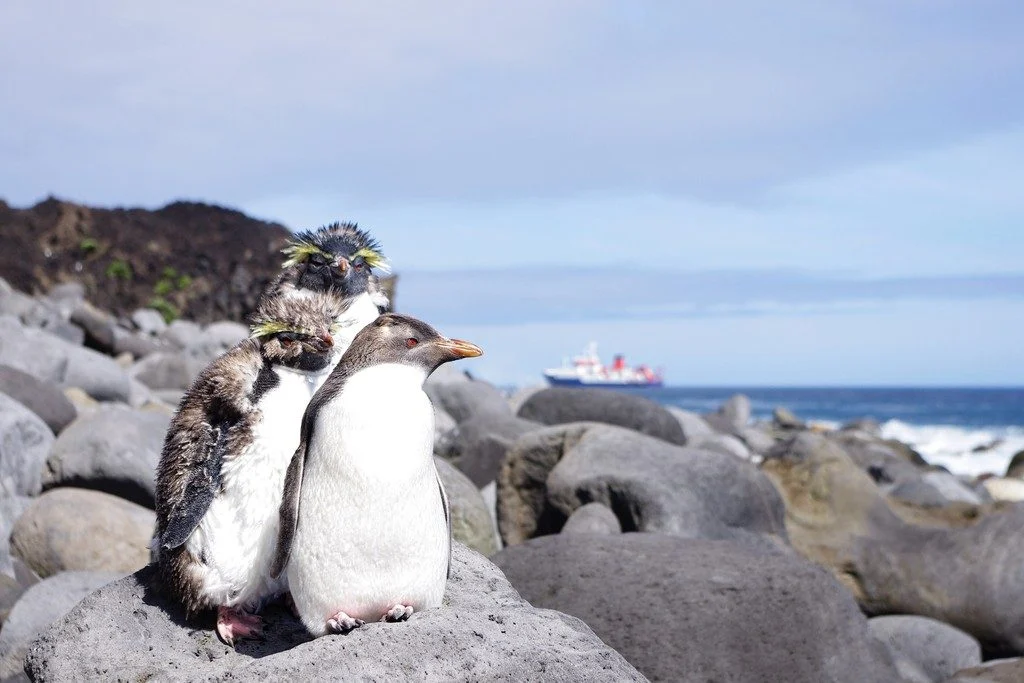
Tristan da Cunha is a remote volcanic island in the south Atlantic Ocean. In fact, it is the most remote inhabited archipelago in the world. Tristan is still volcanically active; the last time it erupted was in 1961. After the eruption, which luckily did not have any casualties, the whole population of around 260 people evacuated the island for some time, but they all returned back to the island b ...[Read More]

Educators: apply now to take part in the 2019 GIFT workshop!

Educators: apply now to take part in the 2019 GIFT workshop!

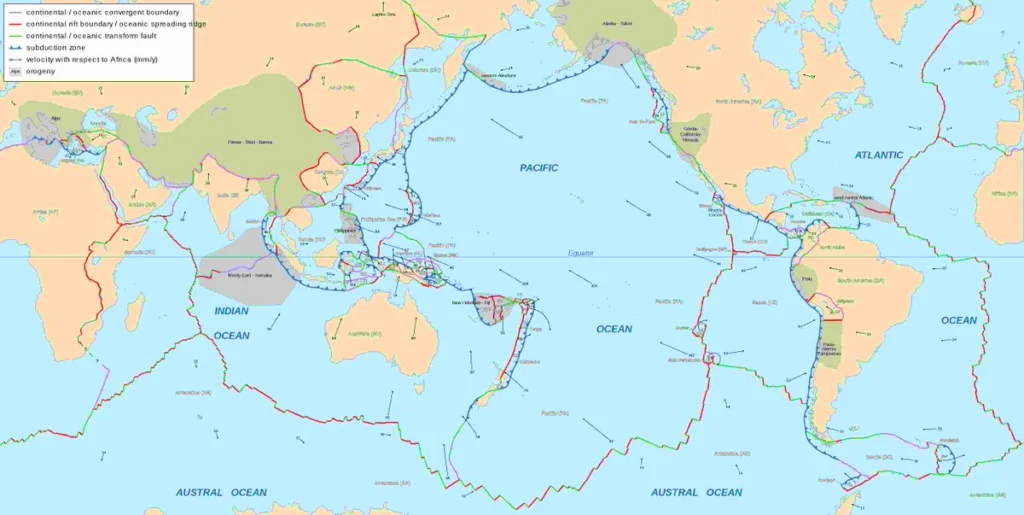
The General Assembly is not only for researchers but for teachers and educators with an interest in the geosciences also. Every year the Geosciences Information For Teachers (GIFT) is organised by the EGU Committee on Education to bring first class science closer to primary and high school teachers. The topic of the 2019 edition of GIFT is ‘Plate tectonics and Earth’s structure – yesterday, today, ...[Read More]

Plate Tectonics and Ocean Drilling – Fifty Years On

Plate Tectonics and Ocean Drilling – Fifty Years On

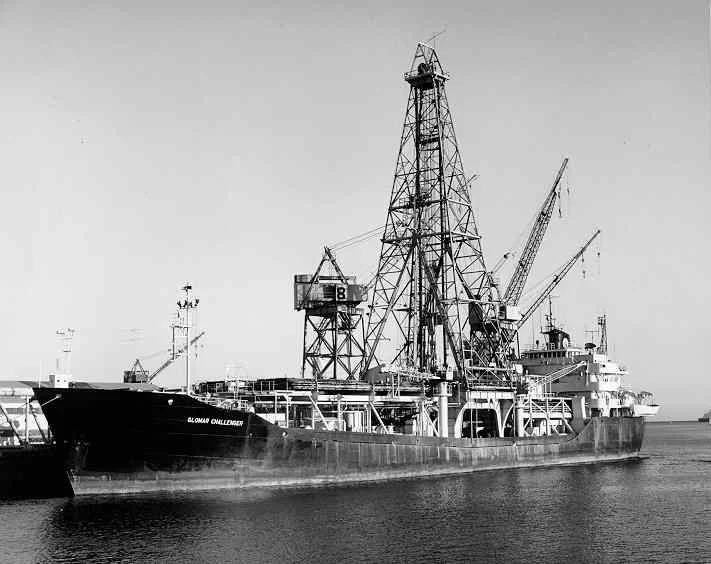
What does it take to get a scientific theory accepted? Hard facts? A strong personality? Grit and determination? For many Earth Scientists today it can be hard to imagine the academic landscape before the advent of plate tectonics. But it was only fifty years ago that the theory really became cemented as scientific consensus. And the clinching evidence was found in the oceans. Alfred Wegener had p ...[Read More]

How to make a planet habitable

How to make a planet habitable

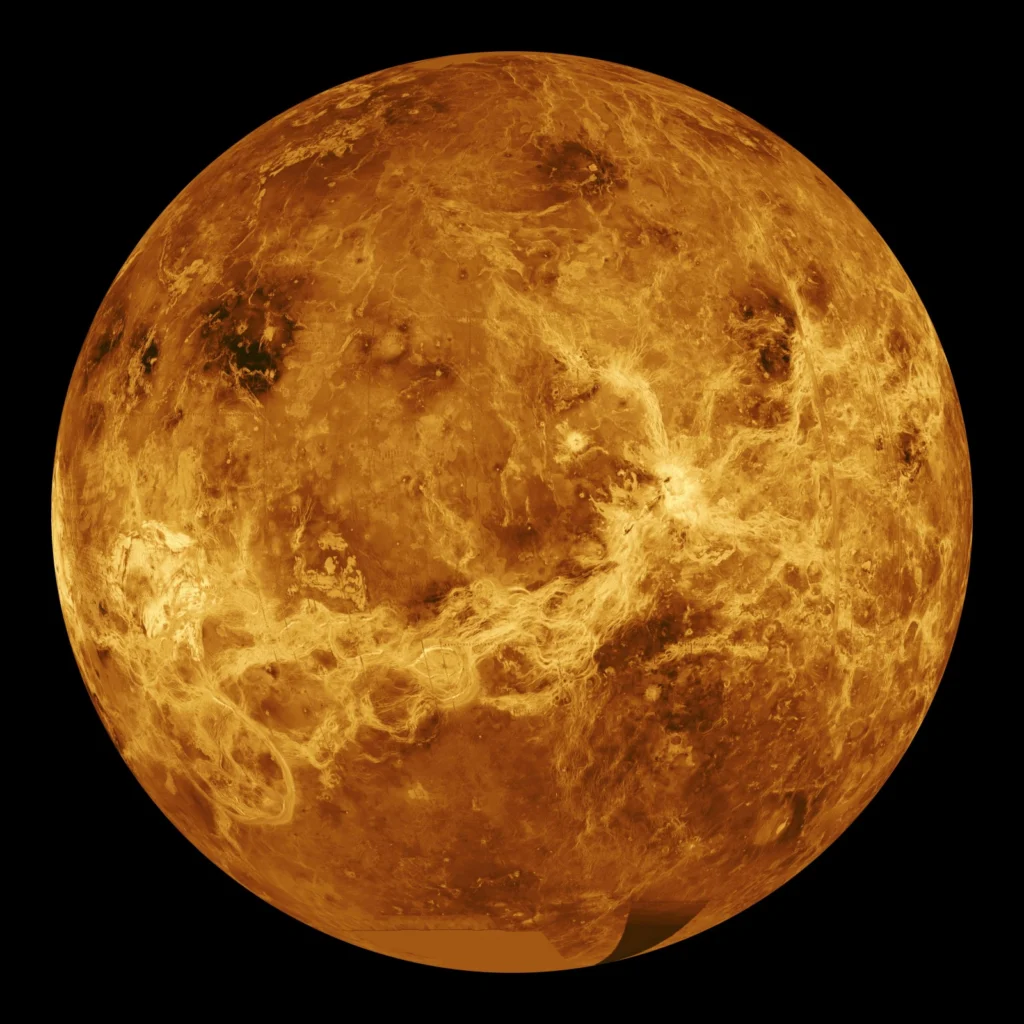
Exoplanets without plate tectonics could harbour life, contrary to previous belief For a planet to be habitable, it needs a stable climate. On Earth, the movement of tectonic plates ensures old crust is recycled and new crust is created and weathered. This cycling of rock consequently overturns the planet’s carbon, which keeps the climate in check. While we have plate tectonics on Earth, many othe ...[Read More]

Imaggeo on Mondays: The best of imaggeo in 2017

Imaggeo on Mondays: The best of imaggeo in 2017

Imaggeo, our open access image repository, is packed with beautiful images showcasing the best of the Earth, space and planetary sciences. Throughout the year we use the photographs submitted to the repository to illustrate our social media and blog posts. For the past few years we’ve celebrated the end of the year by rounding-up some of the best Imaggeo images. But it’s no easy task to pick which ...[Read More]

MinCup: Elevating humble minerals to new heights

MinCup: Elevating humble minerals to new heights

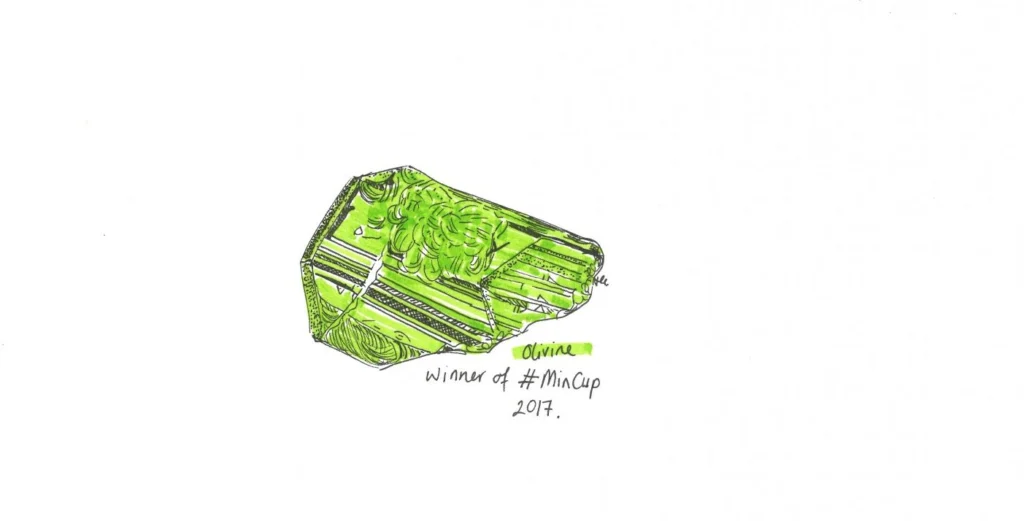
Throughout October and November, the world of (Earth science) Twitter was taken by storm: Day after day, Eddie Dempsey (a lecturer at the University of Hull, and @Tectonictweets for those of you more familair with his Twitter handle) pitted minerals against each other, in a knock out style popular contest. The aim? To see which mineral would eventually be crowned the best of 2017. Who knew fiery ( ...[Read More]