A Natural Hazards Earth System Sciences (NHESS) paper proposes a new sampling method for reducing uncertainty in geographical location in seismic hazard risk analysis, with implications for the insurance industry and risk communication in general. Globally, rapid urbanisation is increasing the risk of exposure of human populations and infrastructure to natural hazards, including earthquakes ...[Read More]
Seismology
Winners of the EGU Best Blog Posts of 2019 Competition
2019 was a brilliant year for our blogging network here at EGU. Across the EGU’s official blog, GeoLog, as well as the network and division blogs there were so many interesting, educational and just downright entertaining posts this year it was hard to get the blog editors to choose their favourites! Nevertheless in December, to celebrate the excellent display of science writing across the network ...[Read More]
Weathering the storm from a research vessel
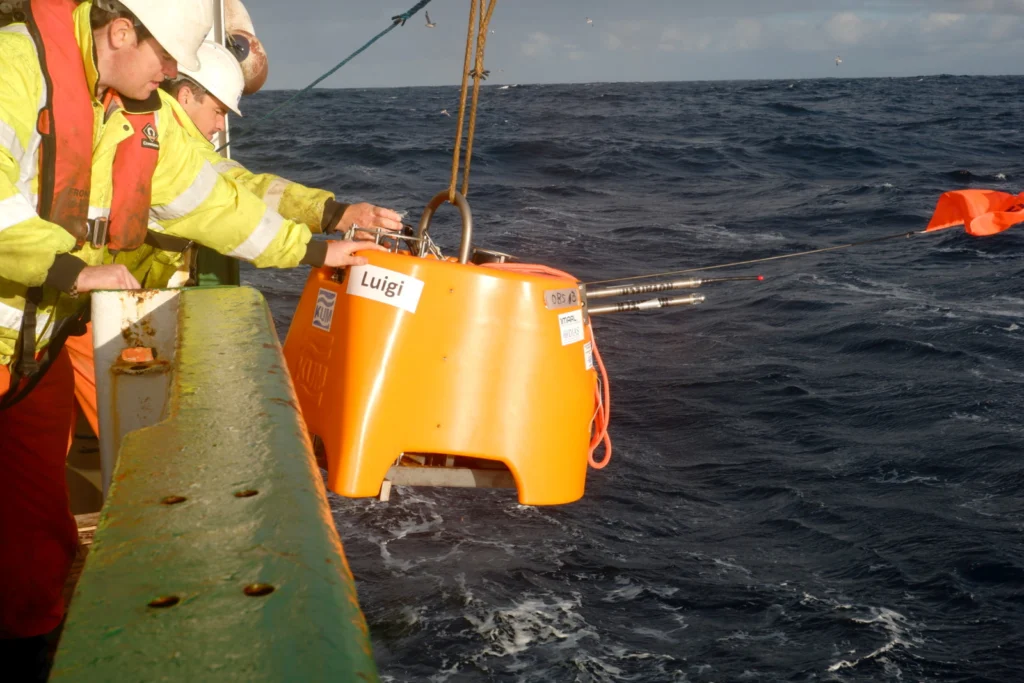
Fieldwork can take geoscientists to some of the most remote corners of the Earth in some of the harshest conditions imaginable, but stories from the field hardly make it into a published paper. In this blog post, Raffaele Bonadio, a PhD student in seismology at the Dublin Institute for Advanced Studies in Ireland, shares a particularly formidable experience in the field while aboard a research ves ...[Read More]
April GeoRoundUp: the best of the Earth sciences from the 2019 General Assembly
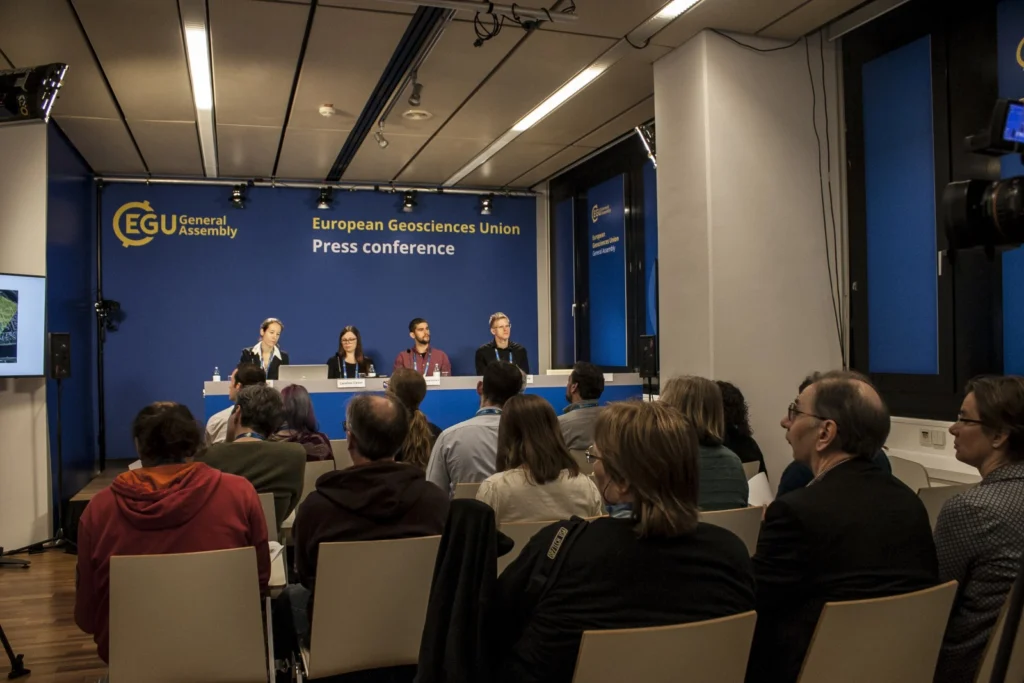
The EGU General Assembly 2019 took place in Vienna last month, drawing more than 16,000 participants from 113 countries. This month’s GeoRoundUp will focus on some of the unique and interesting stories that came out of research presented at the Assembly! Major Stories Glacial disappearing act in the European Alps New research from a team of scientists estimated the future of all glaciers within th ...[Read More]
Winners of the EGU Best Blog Posts of 2018 Competition
There is no doubt that 2018 was packed full of exciting, insightful and informative blog posts. An impressive 382 posts were published across the EGU’s official blog, GeoLog, as well as the network and division blogs! In December, to celebrate the excellent display of science writing across the network and division blogs, we launched the EGU Blogs competition. From a list of posts selected by our ...[Read More]
Looking back at the EGU Blogs in 2018: a competition
The past 12 months has seen an impressive 382 posts published across the EGU’s official blog, GeoLog, as well as the network and division blogs. From an Easter-themed post on the convection of eggs, features on mental health in academia, commentary on the pros and cons of artificial coral reefs, advice on presenting research at conferences, through to a three-part “live-series” on the ...[Read More]
Imaggeo on Mondays: The ash cloud of Eyjafjallajökull approaches
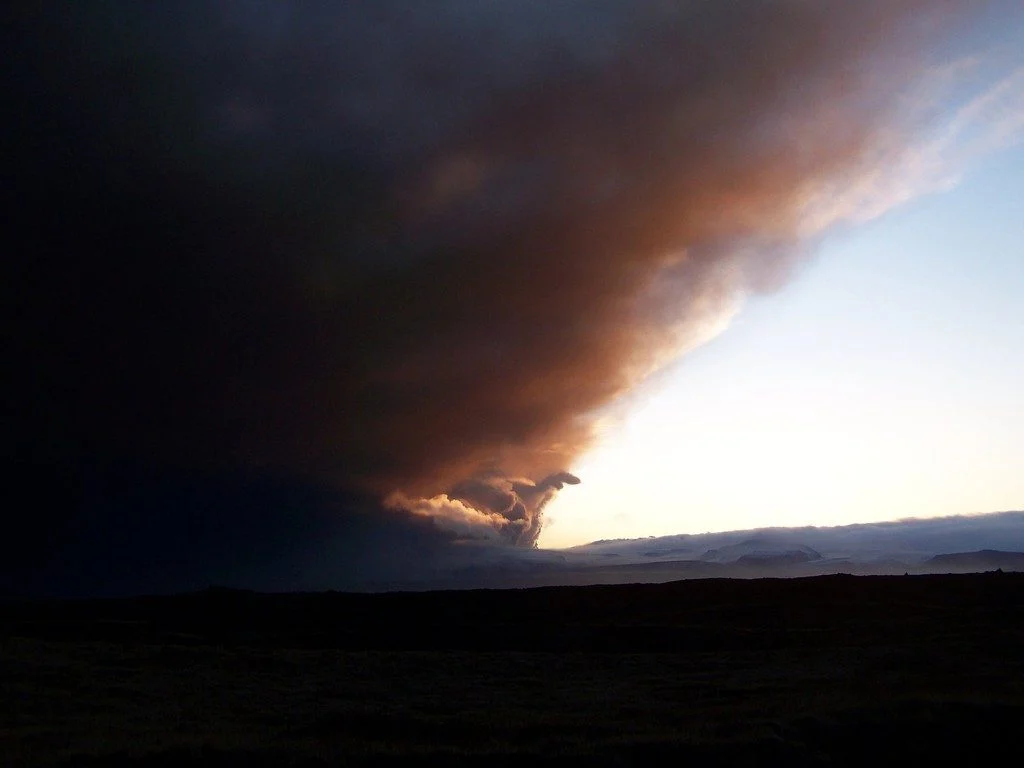
This photo depicts the famous ash cloud of the Icelandic volcano Eyjafjallajökull, which disrupted air traffic in Europe and over the North Atlantic Ocean for several days in spring 2010. The picture was taken during the initial phase of the eruption south of the town of Kirjubæjarklaustur, at the end of a long field work day. Visibility inside the ash cloud was within only a few metres. The erupt ...[Read More]
November GeoRoundUp: the best of the Earth sciences from around the web
Drawing inspiration from popular stories on our social media channels, major geoscience headlines, as well as unique and quirky research, this monthly column aims to bring you the latest Earth and planetary science news from around the web. Major stories Earth’s red and rocky neighbor has been grabbing a significant amount of attention from the geoscience media this month. We’ll give you the rundo ...[Read More]
NASA’s InSight mission: detecting ‘earthquakes*’ on the surface of Mars
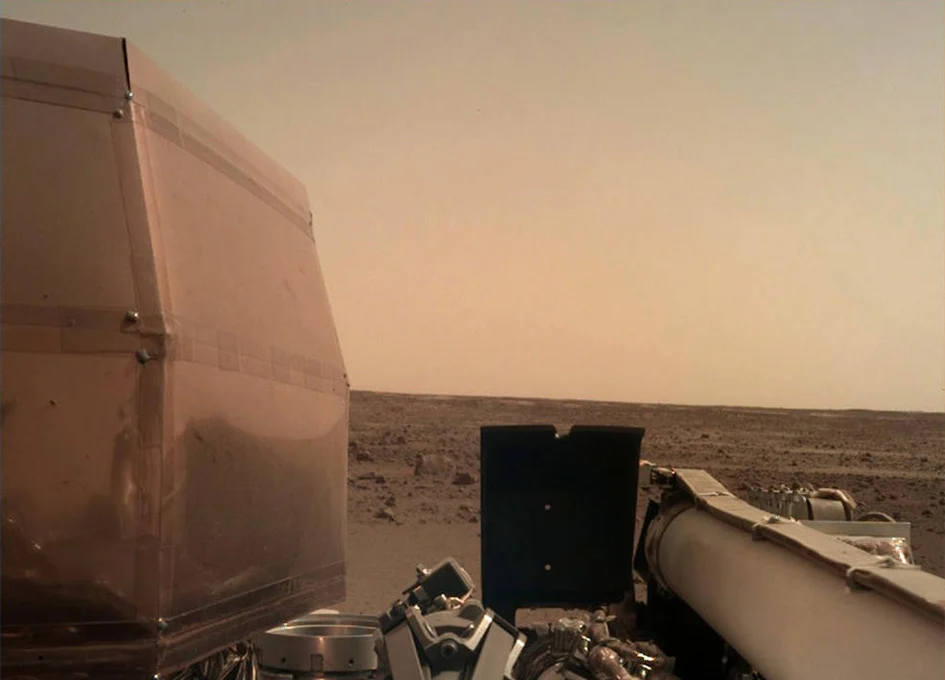
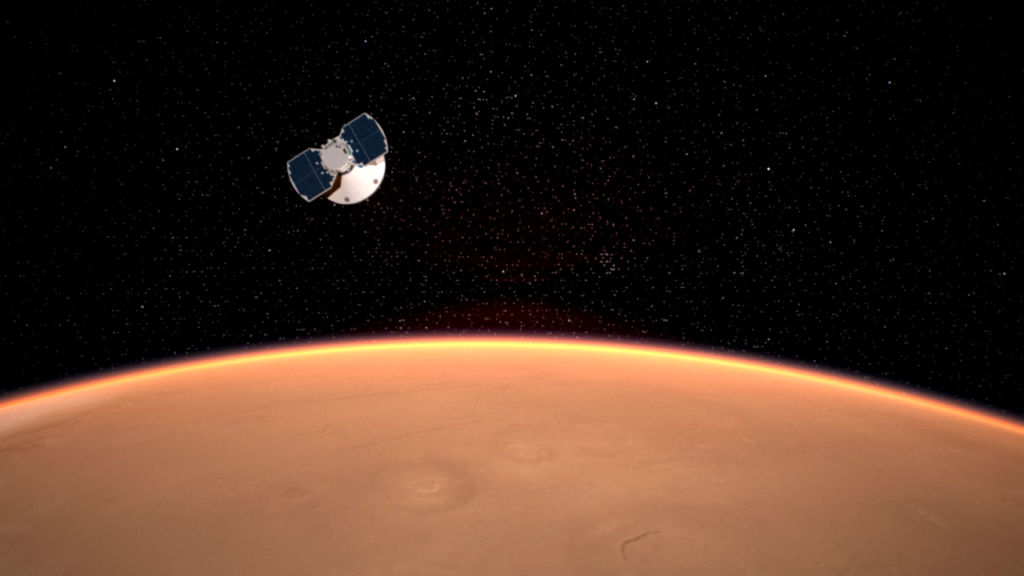
In three days’ time, NASA’s InSight Lander is expected to plunge through Mars’ atmosphere before parachuting down to a controlled landing on the flat plains of the Elysium Planitia. Once the dust has settled, a solar powered robotic arm will painstakingly unload the precious instruments stored onboard onto the planet’s surface, carefully guided by scientists back on Earth. These instruments are de ...[Read More]
Imaggeo on Mondays: On the way to Tristan’s penguins
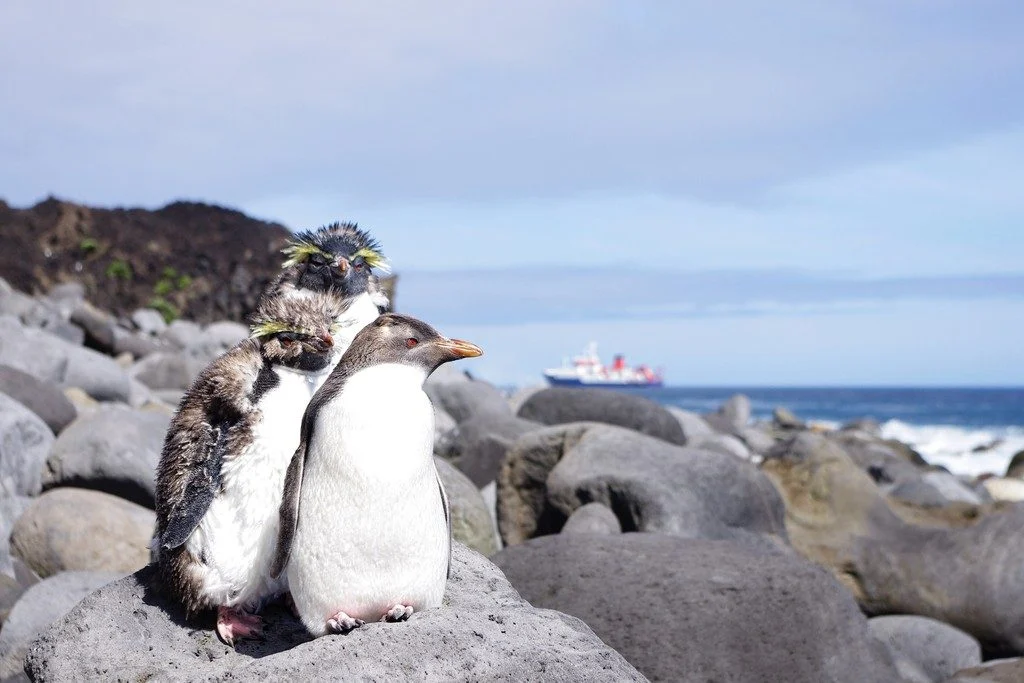
Tristan da Cunha is a remote volcanic island in the south Atlantic Ocean. In fact, it is the most remote inhabited archipelago in the world. Tristan is still volcanically active; the last time it erupted was in 1961. After the eruption, which luckily did not have any casualties, the whole population of around 260 people evacuated the island for some time, but they all returned back to the island b ...[Read More]