Drawing inspiration from popular stories on our social media channels, major geoscience headlines, as well as unique and quirky research, this monthly column aims to bring you the latest Earth and planetary science news from around the web. Major stories This month has been a whirlwind of Earth and space science news; the majority focusing on natural hazards. Powerful cyclones, earthquakes, and ts ...[Read More]
Seismology
Imaggeo on Mondays: Hints of an eruption
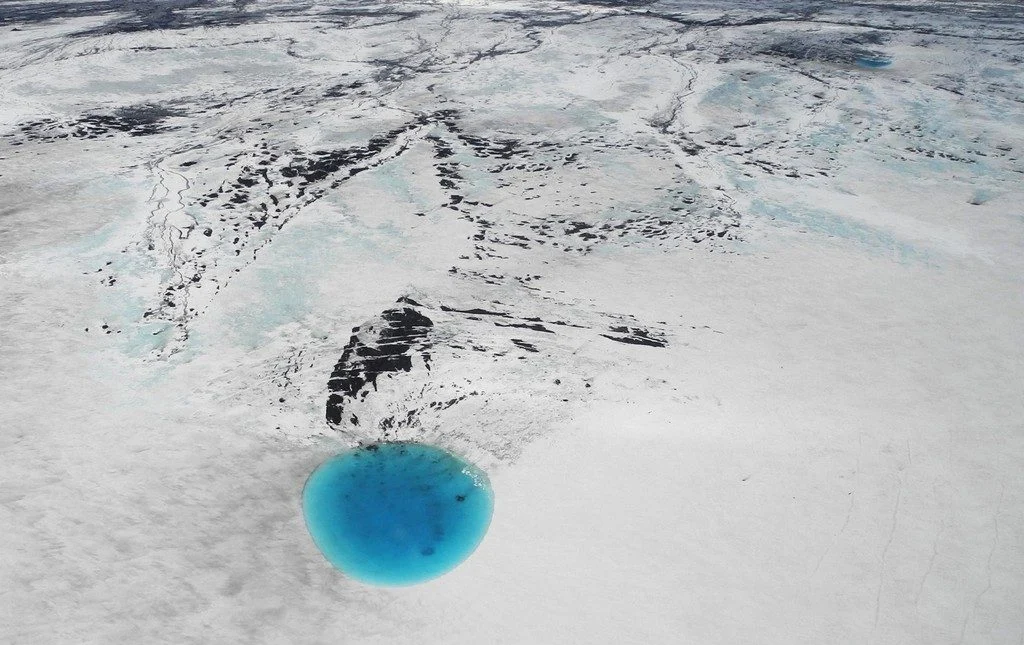
The photograph shows water that accumulated in a depression on the ice surface of Vatnajökull glacier in southeastern Iceland. This 700m wide and 30m deep depression [1], scientifically called an ‘ice cauldron’, is surrounded by circular crevasses on the ice surface and is located on the glacier tongue Dyngjujökull, an outlet glacier of Vatnajökull. The photo was taken on 4 June 2016, less than 22 ...[Read More]
Geosciences Column: Extreme snowfall potentially worsened Nepal’s 2015 earthquake-triggered avalanche
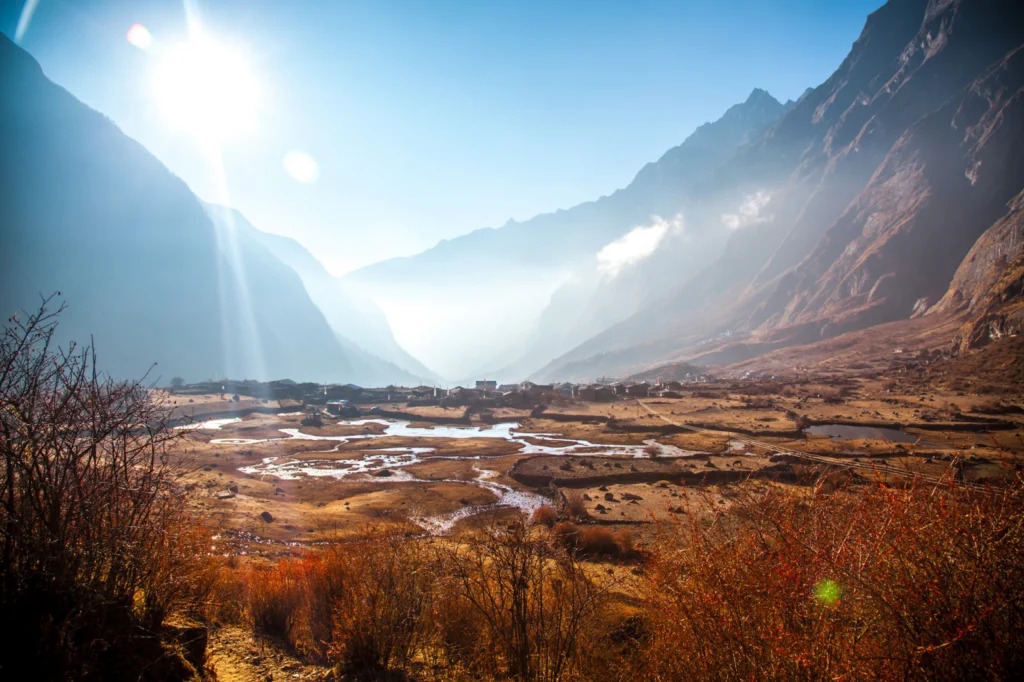
Three years ago, an earthquake-induced avalanche and rockfalls buried an entire Nepalese village in ice, stone, and snow. Researchers now think the region’s heavy snowfall from the preceding winter may have intensified the avalanche’s disastrous effect. The Langtang village, just 70 kilometres from Nepal’s capital Kathmandu, is nestled within a valley under the shadow of the Himalayas. The town wa ...[Read More]
April GeoRoundUp: the best of the Earth sciences from the 2018 General Assembly
The 2018 General Assembly took place in Vienna last month, drawing more than 15,000 participants from 106 countries. This month’s GeoRoundUp will focus on some of the unique and interesting stories that came out of research presented at the Assembly. Mystery solved The World War II battleship Tirpitz was the largest vessel in the German navy, stationed primarily off the Norwegian coastline as a fo ...[Read More]
Shaking in the city
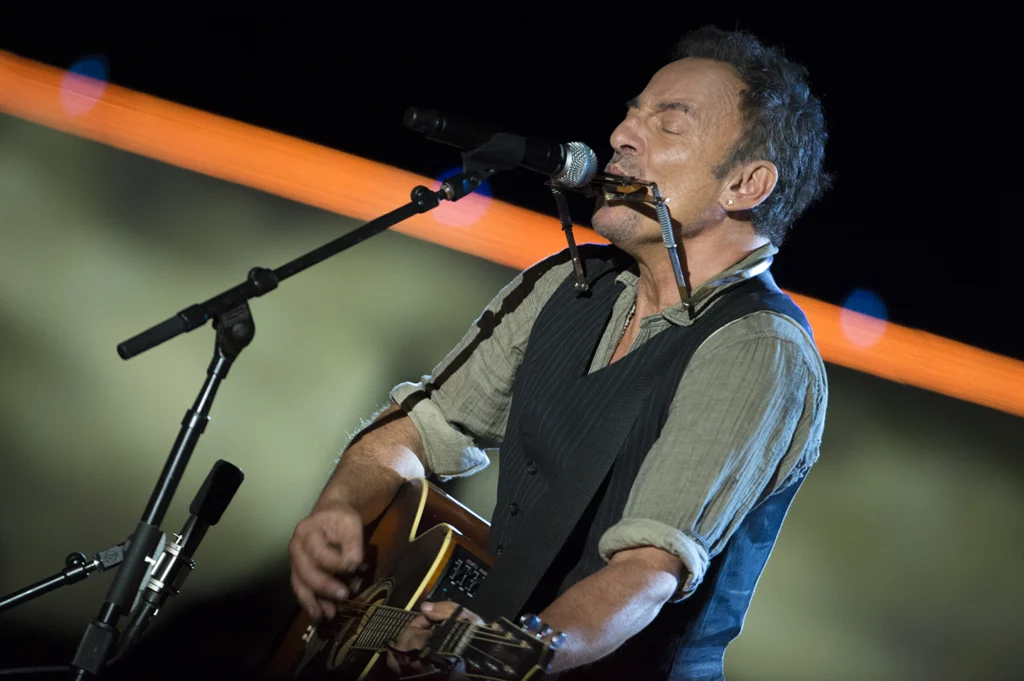
Bruce Springsteen was playing at Barcelona’s football stadium on 14th May 2016. 65,000 people were there to hear him as he launched into an encore including “Born in the USA”, “Dancing in the Dark” and “Shout”. But unknown to Springsteen, just 500 metres away, in the basement of the Institute of Earth Sciences Jaume Almera (ICTJA), Jorde Díaz and his colleagues were also listening in via their bro ...[Read More]
Imaggeo on Mondays: Chilean relics of Earth’s past
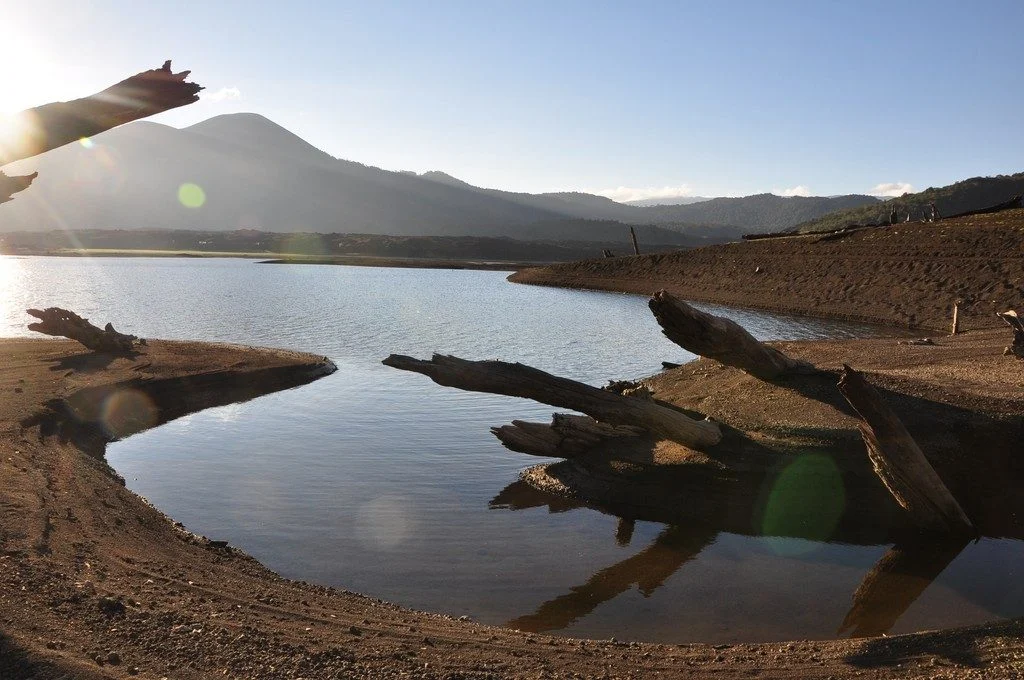
As Earth’s environment changes, it leaves behind clues used by scientists to paint portraits of the past: scorched timber, water-weathered shores, hardened lava flows. Chile’s Conguillío National Park is teeming with these kind of geologic artifacts; some are only a few years old while others have existed for more than 30 million years. The photographer Anita Di Chiara, a researcher at Lancaster U ...[Read More]
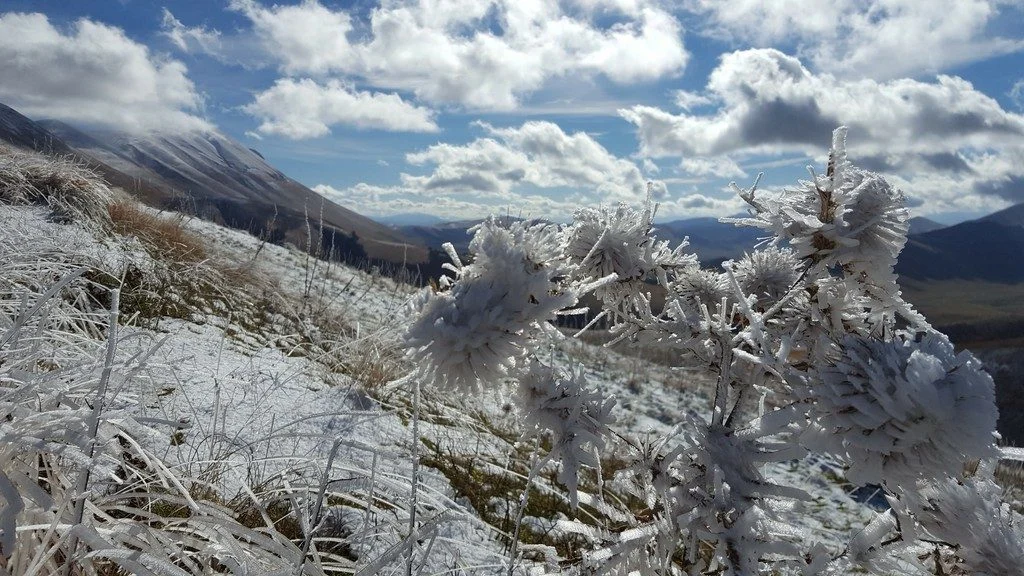
Imaggeo on Mondays: Winter threatens to freeze over fieldwork
This photo was taken during a fieldwork campaign following the mainshock of the deadly seismic sequence that struck central Italy starting from 24 August 2016. The magnitude 6.2 earthquake severely damaged nearby towns, claimed more than 290 lives and injured nearly 400 people in its wake. As a geologist from the National Institute of Geophysics and Volcanology, I was in charge of measuring the ma ...[Read More]
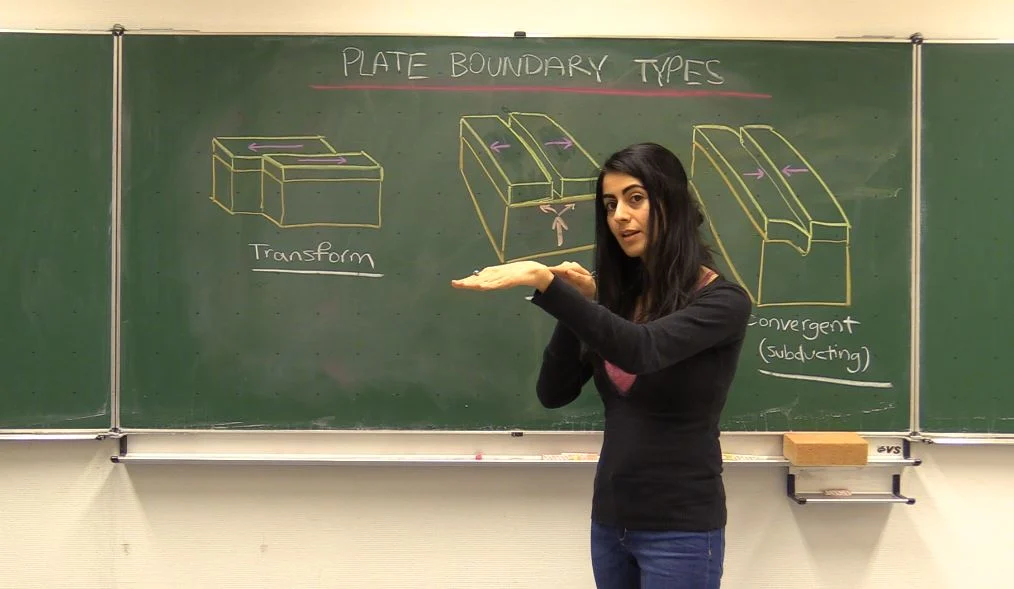
GeoTalk: How an EGU Public Engagement Grant contributed to video lessons on earthquake education
Did you know that the EGU has a public engagement grant scheme which, annually, awards two EGU members with 1000€ to help them develop an outreach project? The 2018 call for applications is currently open. In this GeoTalk interview, Laura Roberts talks to Solmaz Mohadjer, a winner of the first EGU Public Engagement Grants competition in 2016. If you are considering applying, then read on for tips ...[Read More]
September GeoRoundUp: the best of the Earth sciences from around the web
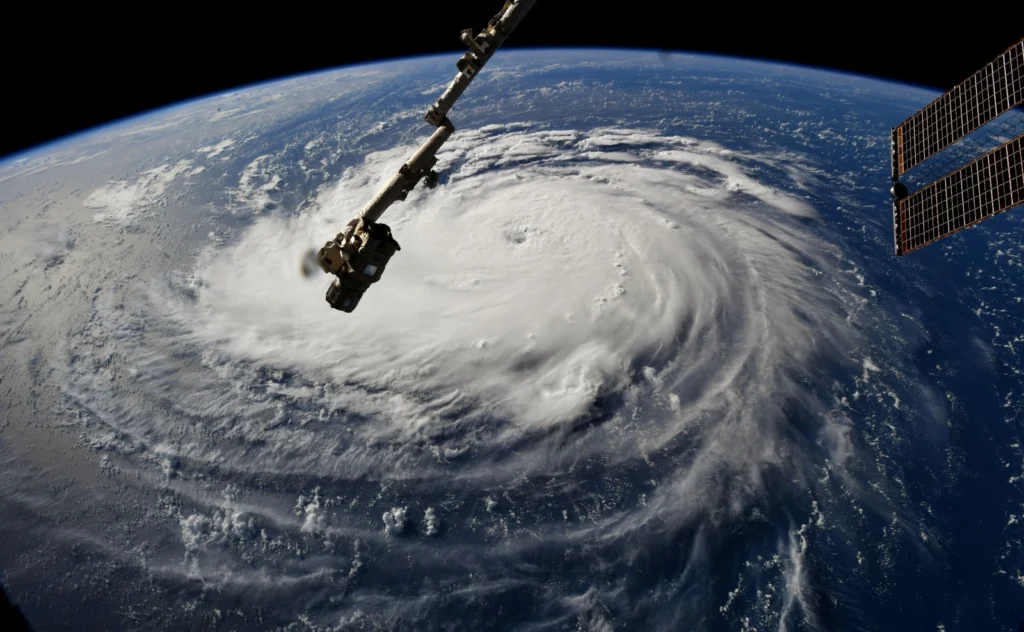
Drawing inspiration from popular stories on our social media channels, as well as unique and quirky research news, this monthly column aims to bring you the best of the Earth and planetary sciences from around the web. Major story and what you might have missed This month has been an onslaught of Earth and space science news; the majority focusing on natural hazards. Hurricanes, earthquakes and v ...[Read More]
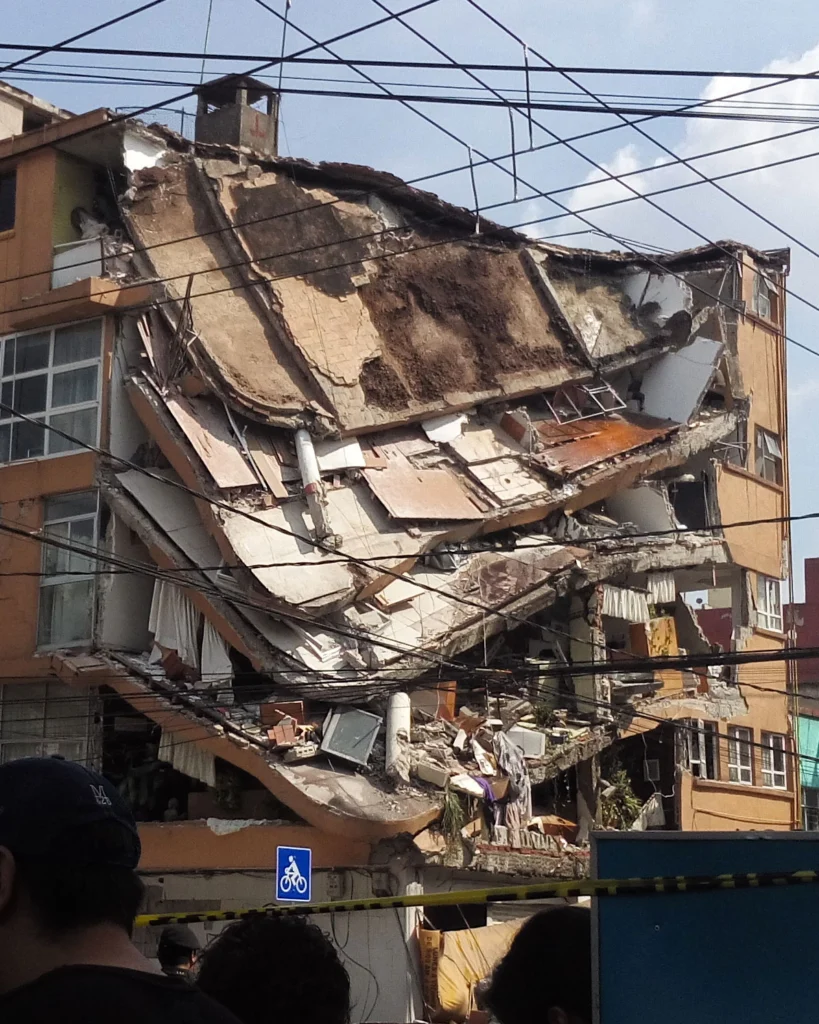
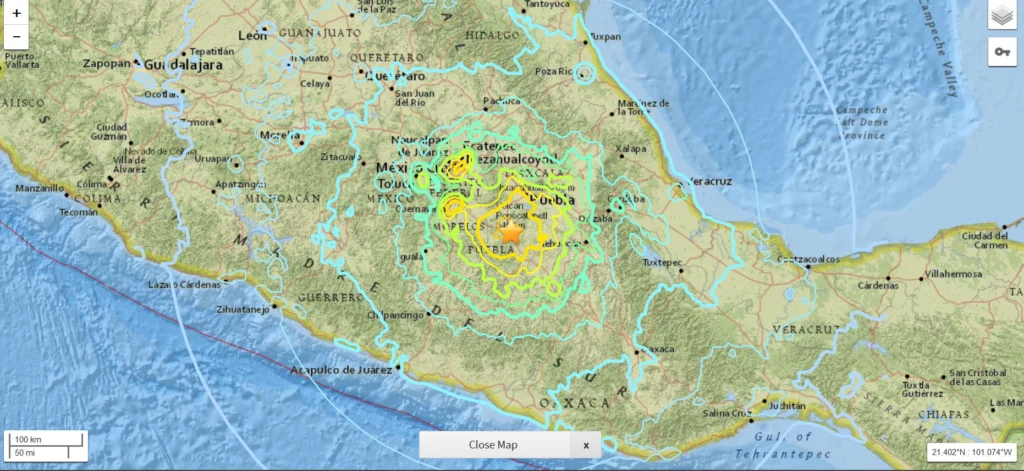
Mexico earthquakes: What we know so far
On Friday 8 September 2017 at 04:49 am UTC, a magnitude 8.1 earthquake hit off the coast of Mexico, 87 km SW of Pijijiapan. According to the U.S. Geological Survey, the epicentre was at 15.07 N, 93.72 W at a depth of about 69.7 km. Yesterday, another strong (magnitude 7.1) earthquake hit central Mexico, 55 km SSW of the city of Puebla and 120 km south of Mexico City. Despite the lower magnitude, y ...[Read More]