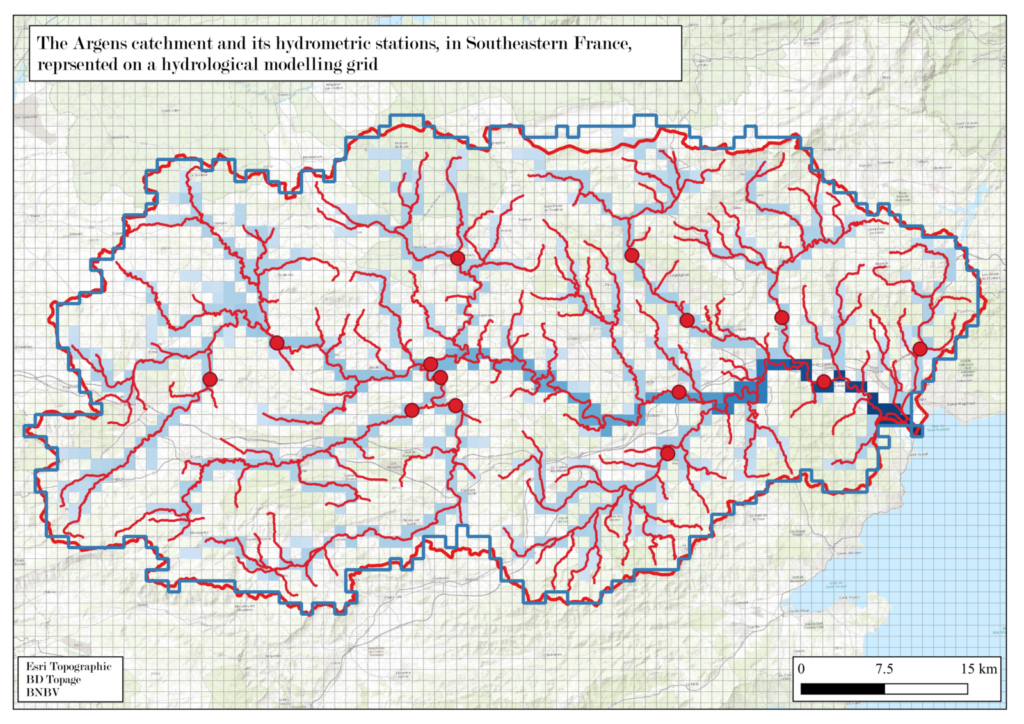
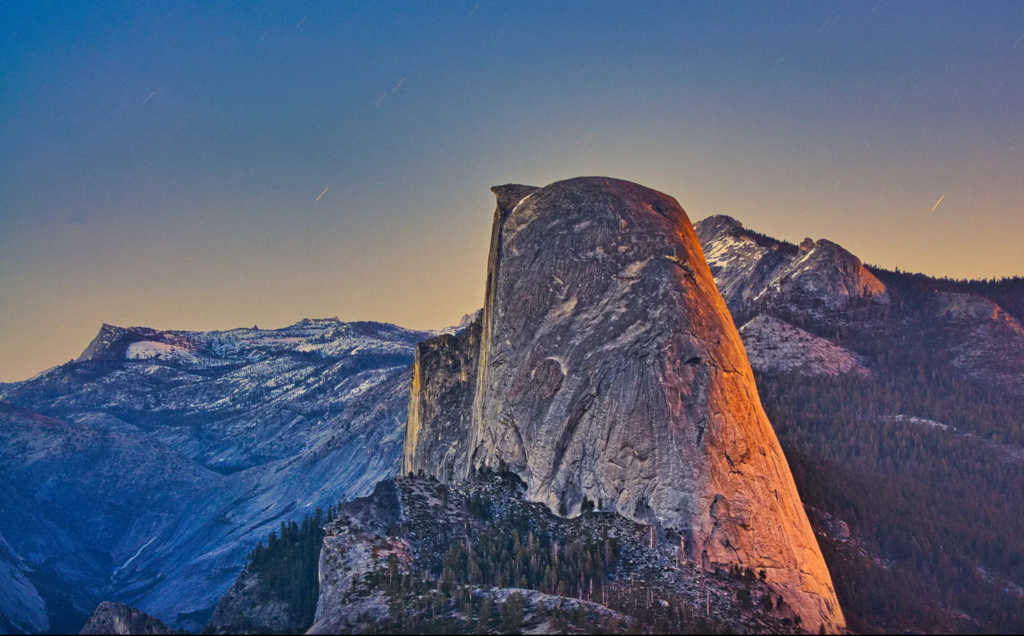
Do you know how scientists predict and analyse river flows using computer models? In this blog, Juliette Godet explores the tricky task of matching real-world river measurement points to grid cells in these models. Picture a giant digital map of a river basin, divided into grid squares, and a real-life gauge that measures river flow at a specific point. The job is to figure out which grid cell bes ...[Read More]
Ozone 101: What you need to know as the Montreal Protocol turns 35
As the world commemorates the 35th anniversary of the Montreal Protocol, it’s worth taking a moment to appreciate this landmark agreement’s monumental impact on our planet. Officially known as the “Montreal Protocol on Substances That Deplete the Ozone Layer,” this treaty stands as one of the most successful environmental accords in history, showcasing what humanity can achieve when it comes ...[Read More]
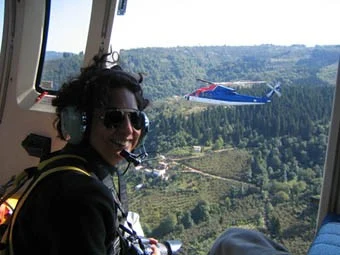
GeoTalk: Meet Bikem Ekberzade, conflict and photo journalist turned earth-systems science researcher and EGU Biodiversity Task Force member
Bikem – Welcome to GeoTalk! Can you tell us a bit about your research on climate change and its impact on terrestrial ecosystems? Thank you for having me. My current research focuses on forests and the impact of changes in climatic drivers on these ecosystems in terms of species composition, range shifts, and so on. I’m also curious about the impact that changes in the frequency and se ...[Read More]
Higher Education Resource: Sandbox Modelling for Basin Development
The European Geosciences Union (EGU) supports bringing science into the classroom at all learning levels, from schools to universities. Since the Higher Education Teaching grant programme launched in 2020, EGU has funded 24 projects to develop useful and freely available geoscience resources to university educators. This blog is part of a series of blogs highlighting the innovative and accessible ...[Read More]
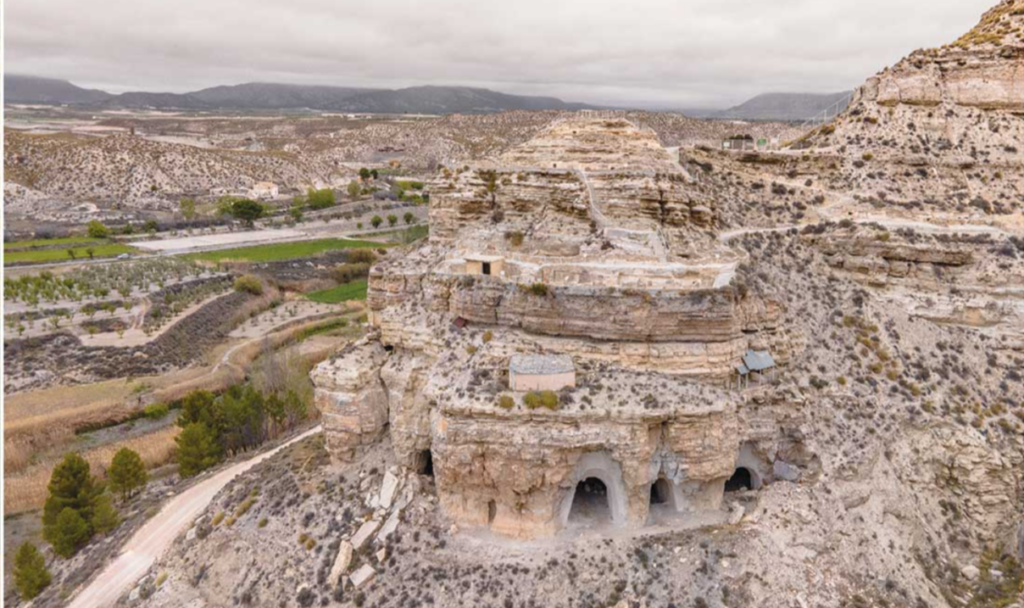
Palaeoseismic crisis in the Galera Fault (southern Spain): consequences in Bronze Age settlements?
Alright, buckle up folks for this blog post, because we’re about to explore the wild ride of plate tectonics between the Iberian Peninsula (Eurasia plate) and North Africa (Nubia plate). These two plates are moving slowly at a moderate pace of 5-7 mm per year, which might not seem like much, but it’s enough to shake things up—literally! In a recent paper, published by our journal Solid Earth ...[Read More]
GeoTalk: Rita Carrasco: Researcher in wetlands biogeormorphology and EGU Biodiversity Task Force member
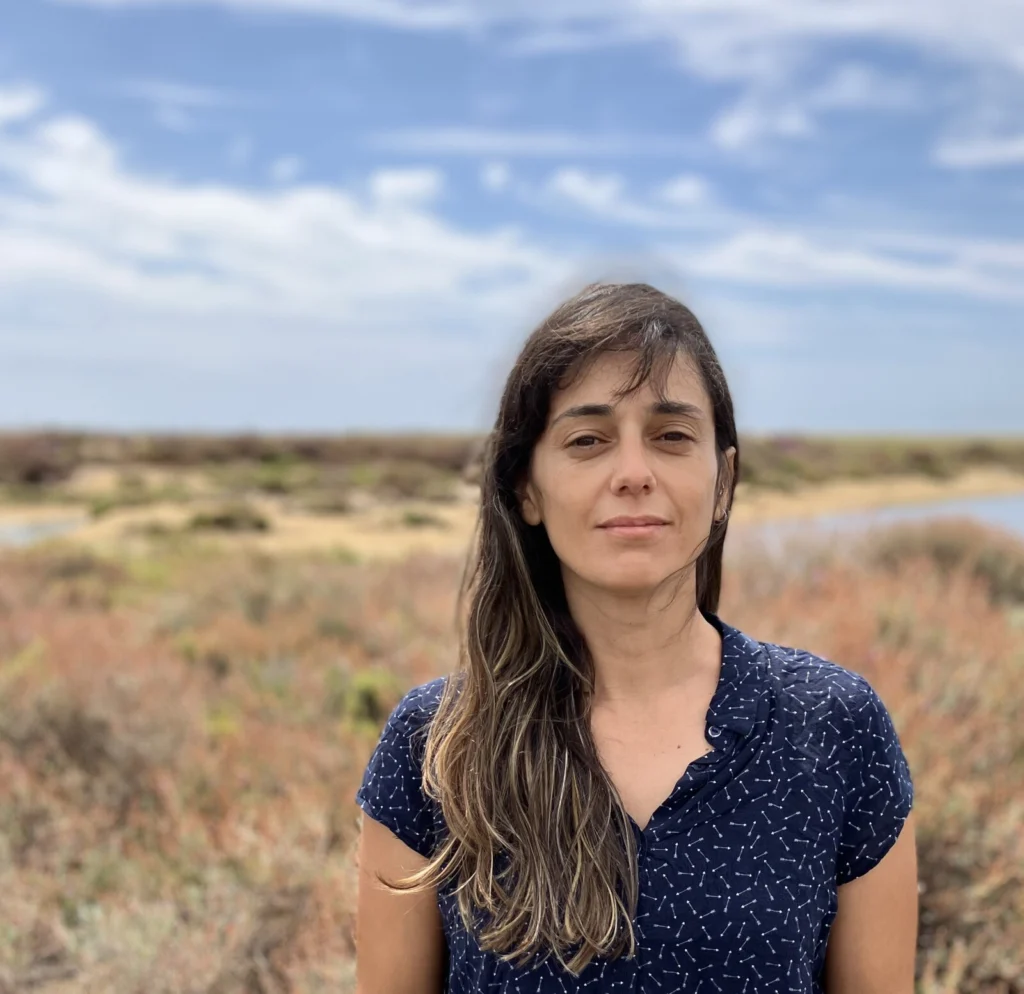
Rita, welcome to GeoTalk! Can you tell us a bit about what initially drew you to the field of coastal geomorphology and wetland ecosystems? Thanks for inviting me! My academic background is in environmental engineering, with a lifelong passion for coastal areas and geomorphology. The real inspiration comes from a constant desire to contribute to the conservation of natural ecosystems. Thus, at som ...[Read More]
Indigenous resilience through the waters: The story of the Aldeia Maraka’nà
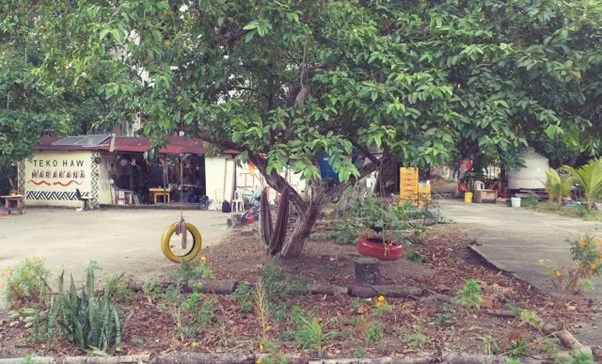
The International Day of the World’s Indigenous Peoples, observed each year on August 9, seeks to raise awareness and protect the rights of indigenous communities around the globe. To honour this, I have invited a few guest authors to write a series of blog posts that celebrate indigenous knowledge and highlight the intersection of natural hazards and climate issues, and resilience, across various ...[Read More]
Higher Education Resource: River Flood Hazard Modelling & Management
The European Geosciences Union (EGU) supports bringing science into the classroom at all learning levels, from schools to universities. Since the Higher Education Teaching Grant programme launched in 2020, EGU has funded 24 projects to develop useful and freely-available geoscience resources to university educators. This blog is part of a series of blogs highlighting the innovative and accessible ...[Read More]
Meet the Amazighs: Morocco’s indigenous women and their pivotal role in leading climate resilience initiatives
The International Day of the World’s Indigenous Peoples, observed each year on August 9, seeks to raise awareness and protect the rights of indigenous communities around the globe. To honour this, I have invited a few guest authors to write a series of blog posts that celebrate indigenous knowledge and highlight the intersection of natural hazards and climate issues, and resilience, across v ...[Read More]
GeoTalk: meet Maria Vittoria, risk communicator & Early Career Scientist Representative for Natural Hazards
Hello Mavi! Welcome to GeoTalk. Before we start, could tell our readers a little about yourself and your background? Hey Simon! Thanks for the warm welcome. I’m Maria Vittoria, but you can call me Mavi. I’m a curious soul from southern Italy, a physicist by passion, and a dreamer at heart. My journey has taken me from Italy to the UK and back, studying the tiniest particles to the vast ...[Read More]