GeoLog

EGU Scientific Divisions

Raising the (melt)stakes! How robotic innovation reveals new findings on melting glaciers

Raising the (melt)stakes! How robotic innovation reveals new findings on melting glaciers

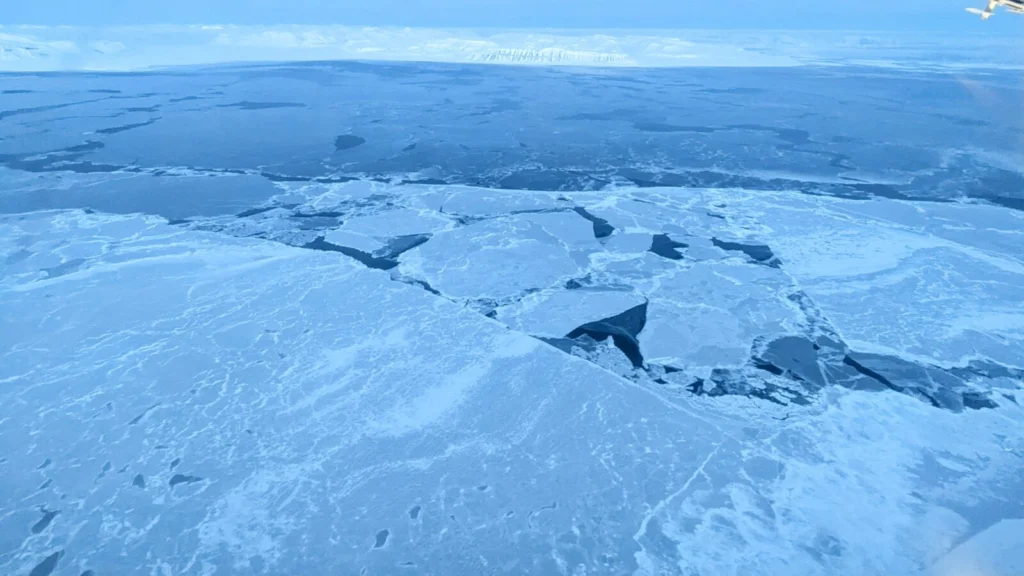
In the age of climate change, glaciers across the Arctic are melting, consequently reducing regional freshwater supplies and contributing to the ongoing rise in global sea levels. But how fast do they melt? And is it possible to predict that? A new study on the Xeitl Sit’ (LeConte) glacier in Alaska aims to answer these questions. The research group from Oregon State University, Harvard University ...[Read More]

Sarakiniko: A unique geoheritage site under threat

Sarakiniko: A unique geoheritage site under threat

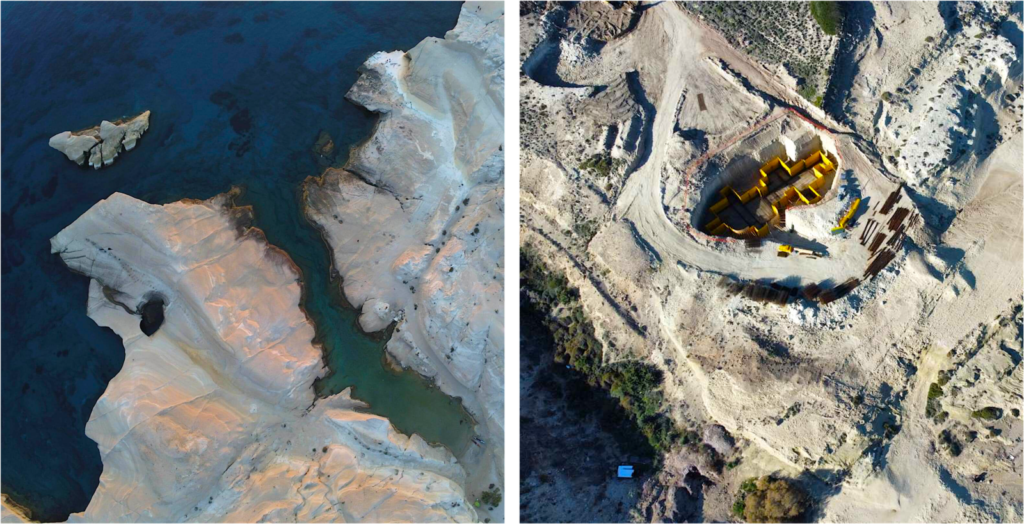
Sarakiniko, a stunning geological landmark on the aegean island of Milos, Greece, is under imminent threat. Known for its breath-taking white tuff formations built by the deposition of submarine volcanic eruptions and sculpted by wind and water over millions of years, this site serves as both a natural laboratory for geoscience and planetary research and a worldwide significant geoheritage site. H ...[Read More]

Geo-magicians: The mysterious work of understanding our magnetic Earth

Geo-magicians: The mysterious work of understanding our magnetic Earth

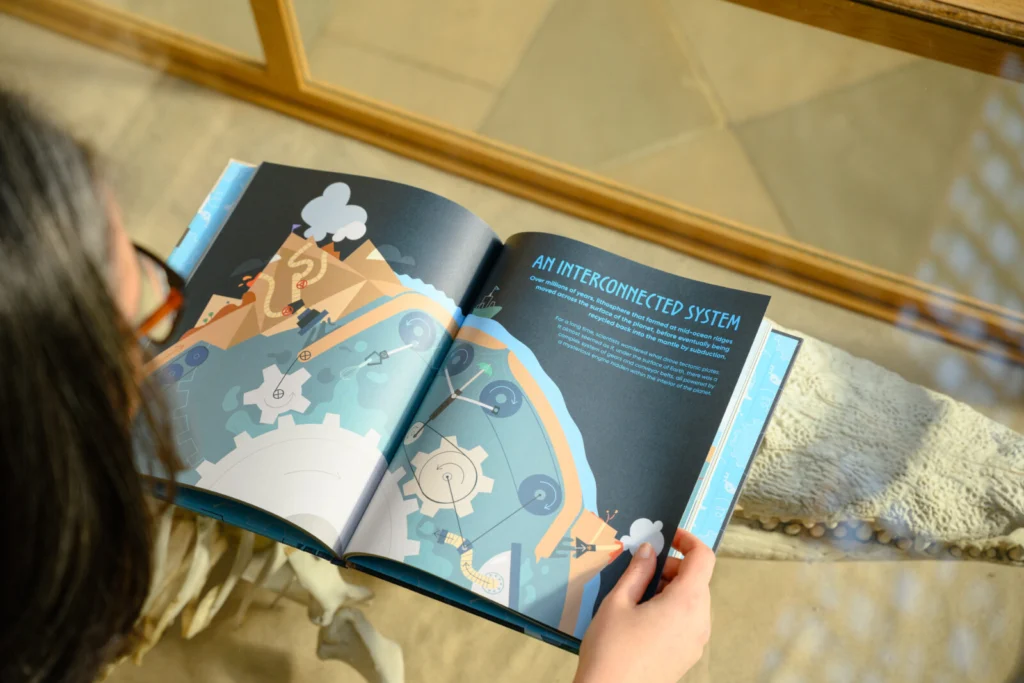
There is a force all around us—unseen, unfelt, and yet profoundly influential. It guides the migration of birds across continents, whispers secrets to ancient rocks, and shields us from cosmic storms. This force is as mysterious as it is essential, shaping our world in ways that most of us never think about. Imagine a sailor centuries ago, staring at a compass that always points north. What guides ...[Read More]

How can scientists see ice underground? Recent study reveals how!

How can scientists see ice underground? Recent study reveals how!

When it comes to peering beneath the Earth’s surface, geophysicists have an arsenal of high-tech tools at their disposal. But what happens when you need to track something as elusive as underground ice forming and melting in real time? Enter borehole Ground-Penetrating Radar (GPR), the underground detective that helped Peter Jung and his colleagues image frozen subsurface volumes in an experimenta ...[Read More]

GeoTalk: Meet Viktor Bruckman, interdisciplinary researcher, EGU Division President, and EGU Biodiversity Task Force

GeoTalk: Meet Viktor Bruckman, interdisciplinary researcher, EGU Division President, and EGU Biodiversity Task Force

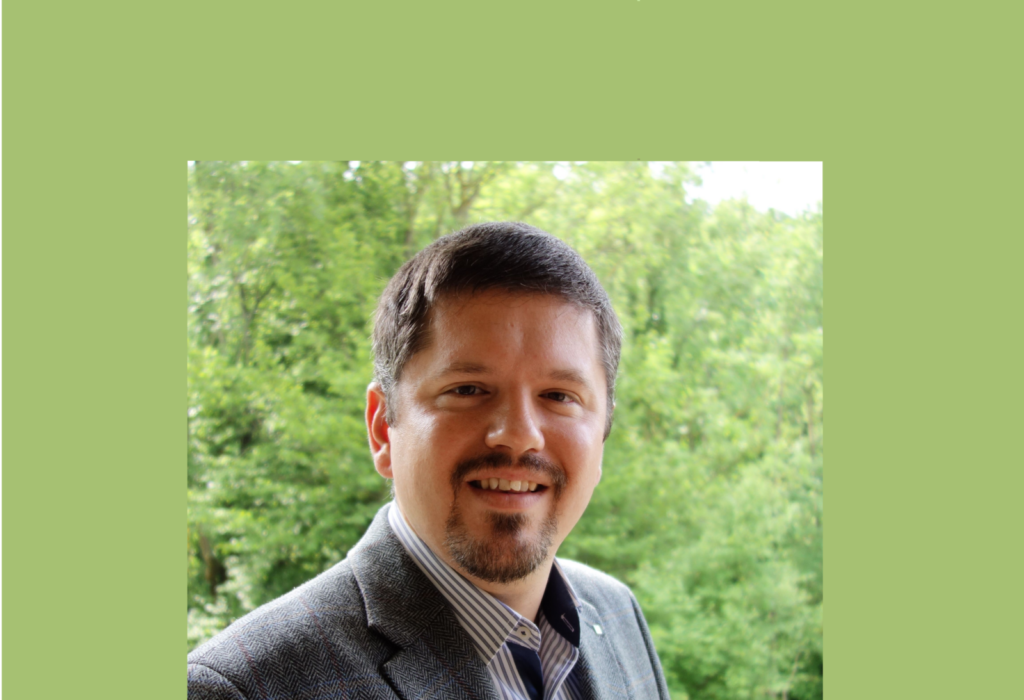
Viktor, welcome to GeoTalk! Can you tell us a bit about your current research focus? My current research is on the defossilization of our energy system with a strong focus on the roles of forests and soils in this context. I was originally trained in forestry and my research is still tightly connected with this topic, but it has widened to also include aspects of carbon sequestration, sustainable ...[Read More]

Geochemists between Academia and Industry: How to turn your research into real-world impact

Geochemists between Academia and Industry: How to turn your research into real-world impact

Have you ever thought “what if I could take my geochemistry research further?” Imagine founding a company, patenting your invention, or collaborating with peers to transform your work into a tangible product or service that benefits society. If you did, then this blog post might change the course of your career! Geochemistry is a powerful tool for understanding Earth’s processes and re ...[Read More]

A 12-meter sediment core reveals secrets of the Arctic’s past climate

A 12-meter sediment core reveals secrets of the Arctic’s past climate

Extracted from a depth of 2,500 meters, a giant 12-meter long marine sediment core from the Fram Strait, between Svalbard and Greenland, preserves a climate record spanning up to 400,000 years. Its sediment layers offer crucial insights into the Arctic’s past, helping Dr Jochen Knies and his research team answer two important question: Was the Arctic ever ice-free during past warm periods? W ...[Read More]

Space debris: Borrowing the planet from our children- Why we need to mitigate space desecration

Space debris: Borrowing the planet from our children- Why we need to mitigate space desecration

On December 11, 2024, while taking part in AGU’s 2024 Annual Meeting, I attended a press conference hosted by experts from the University of Colorado Boulder and the University of Michigan that focuses on the serious risks posed by space debris in Low Earth Orbit (LEO). As we are heading towards an increasingly crowded space environment, the question on everyone’s mind is: What can we do to ...[Read More]

Can we mend our Earth, one gully at a time? New research reveals that the answer is YES!

Can we mend our Earth, one gully at a time? New research reveals that the answer is YES!

Imagine losing your land – little by little – to deep, destructive trenches carved by rain and flowing water. This is what gully erosion does, a problem that has been devastating several communities worldwide. Ethiopia’s Aba Bora Watershed, the subject area of a recent study published in the EGU open access journal, SOIL, is located in the Oromia region and is a part of the larger Baro ...[Read More]

GeoTalk: meet Georgia Moutsiana, researcher of Jupiter’s magnetosphere!

Georgia Moutsiana

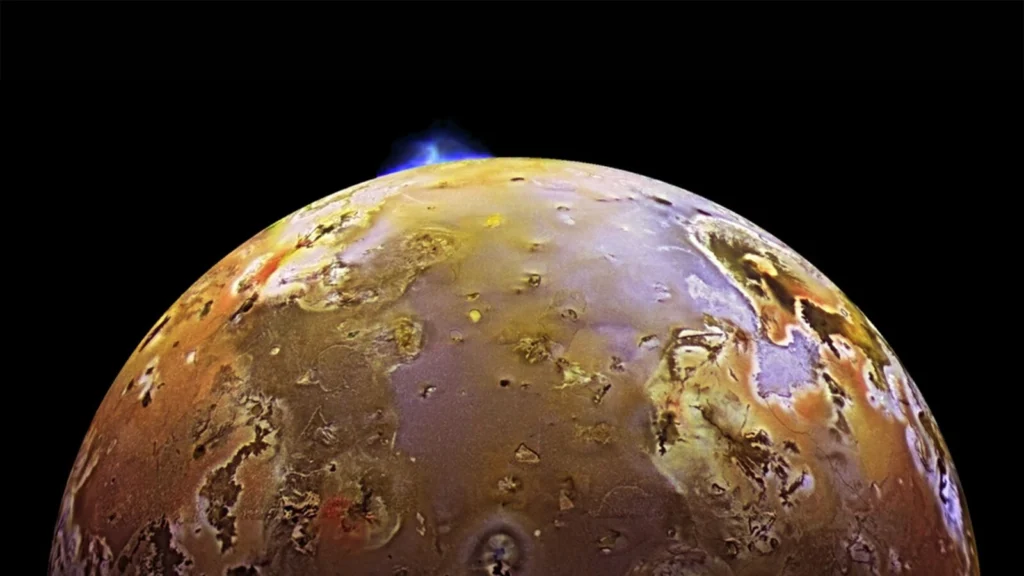
Hello Georgia – welcome to GeoTalk! Could you tell our readers a little bit about yourself and your background? Thank you, Simon! I’m Georgia Moutsiana, a space scientist and PhD candidate at the National and Kapodistrian University of Athens, Greece. My research focuses on understanding the processes that accelerate and transport charged particles in planetary magnetospheres. My key message is th ...[Read More]