
Erika Palmerio, a leading early career scientist working on conditions in space driven by solar activity, shares her journey of networking and inspiration.
Chasing solar storms and coffee breaks
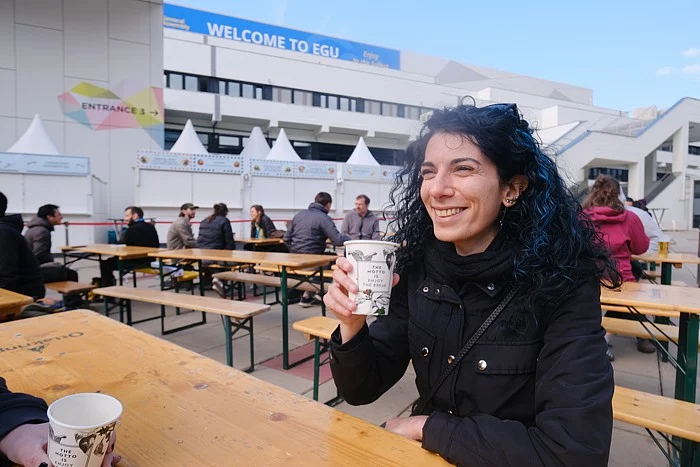
Erika Palmerio, a leading early career scientist working on conditions in space driven by solar activity, shares her journey of networking and inspiration.
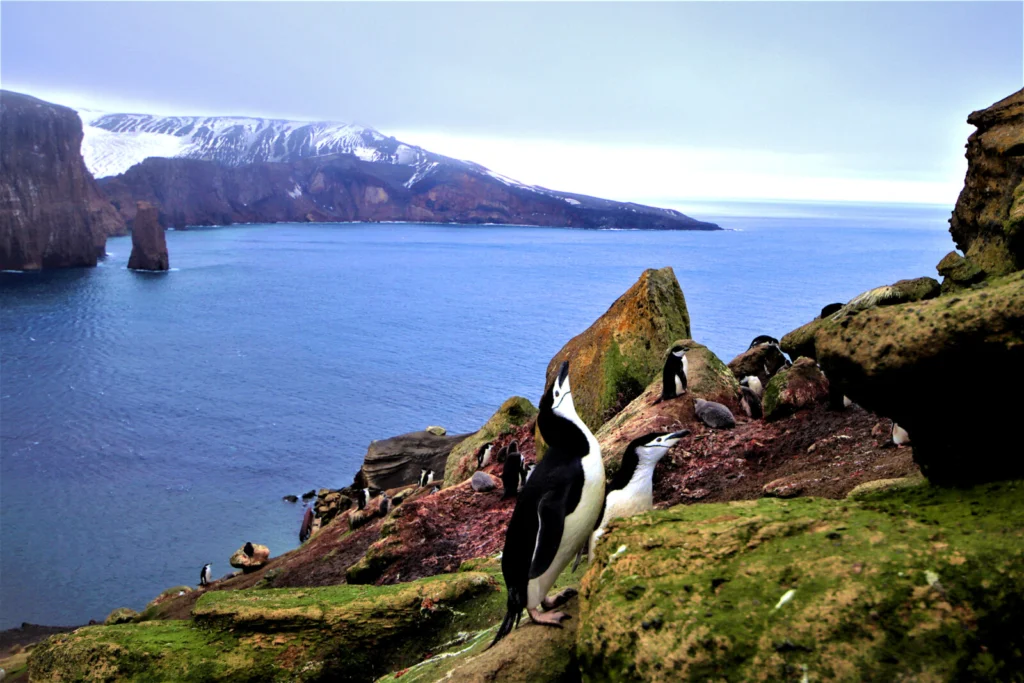
On the desolate Antarctic peninsula, a colony of penguins creates a hub of biodiversity. One may ask, how exactly do those aquatic birds help maintain and enrich the variety of different kinds of organisms from plants and animals, to a wide range of insects and micro-organisms that live on our planet? The answer is quite …[Read More]
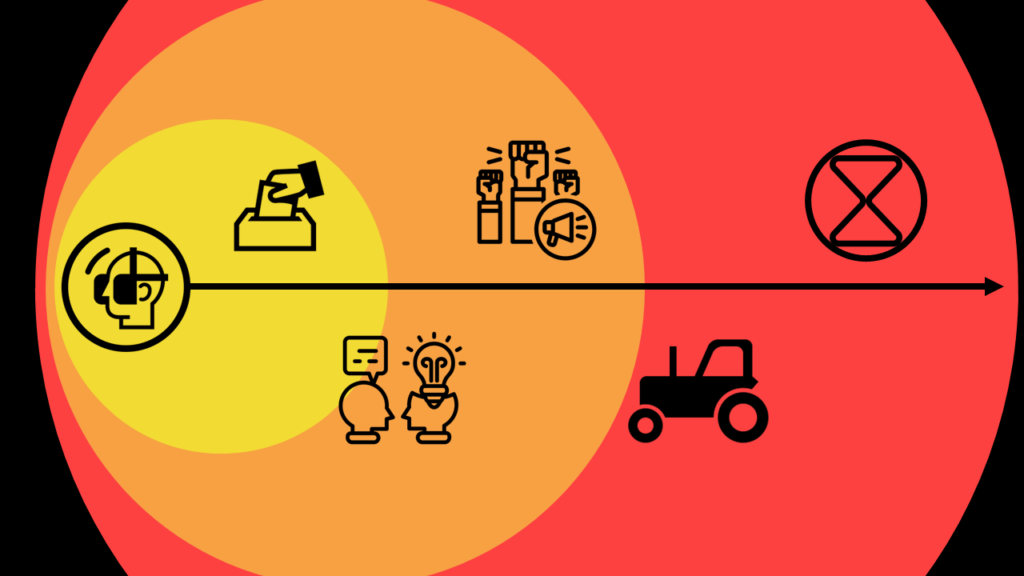
EGU has hosted a Great Debate with world-renowned climate scientists and activists about the growing human impact on our natural and social environment for many years. There are many aspects to the debate, from voting bad politicians out, to communication duties of scientists, the interconnection of a need for social equity and decarbonization, and …[Read More]

When stars explode, supernova-style, the explosion sets off streams of high energy particles across the universe, mainly protons and alpha particles, that after millions of years reach us here on Earth. Secondary cosmic rays pass through our bodies and almost everything around us, and they penetrate a few meters into the ground where they interact …[Read More]
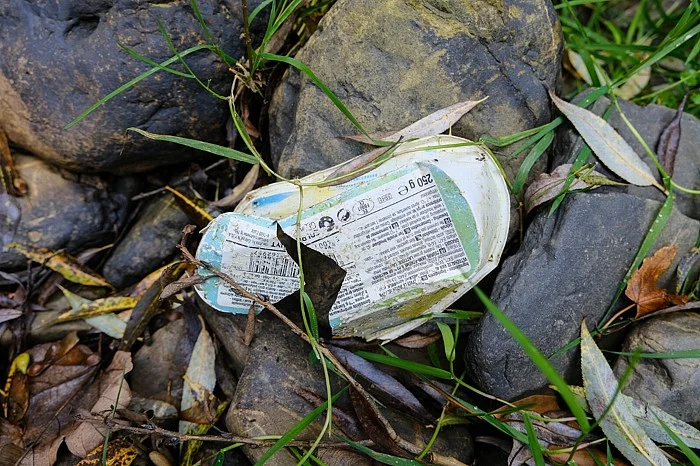
In July 2021, the Benelux area, Germany, and France experienced heavy rainfall followed by mass flooding, causing widespread damage. Along the vast quantities of plastic swept along the riverbanks, Rahel Hauk, a researcher from Wageningen University, conducted fieldwork to assess the impact of the flood event on plastic deposition. Amidst the debris, Hauk and her …[Read More]
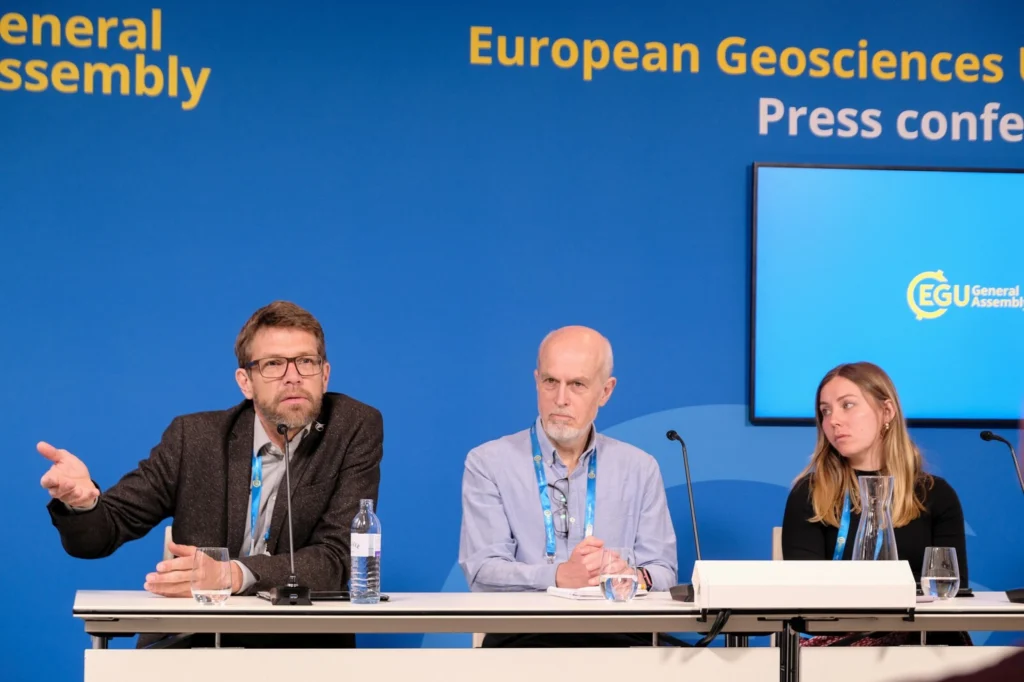
Did you know that some of the scientists of each General Assembly get invited to a press conference to face a group of curious journalists? I did not – but as press assistant for the #EGU24, I had the unique chance to attend the press conference “Unveiling Antarctica’s secrets: new research brings us one step …[Read More]
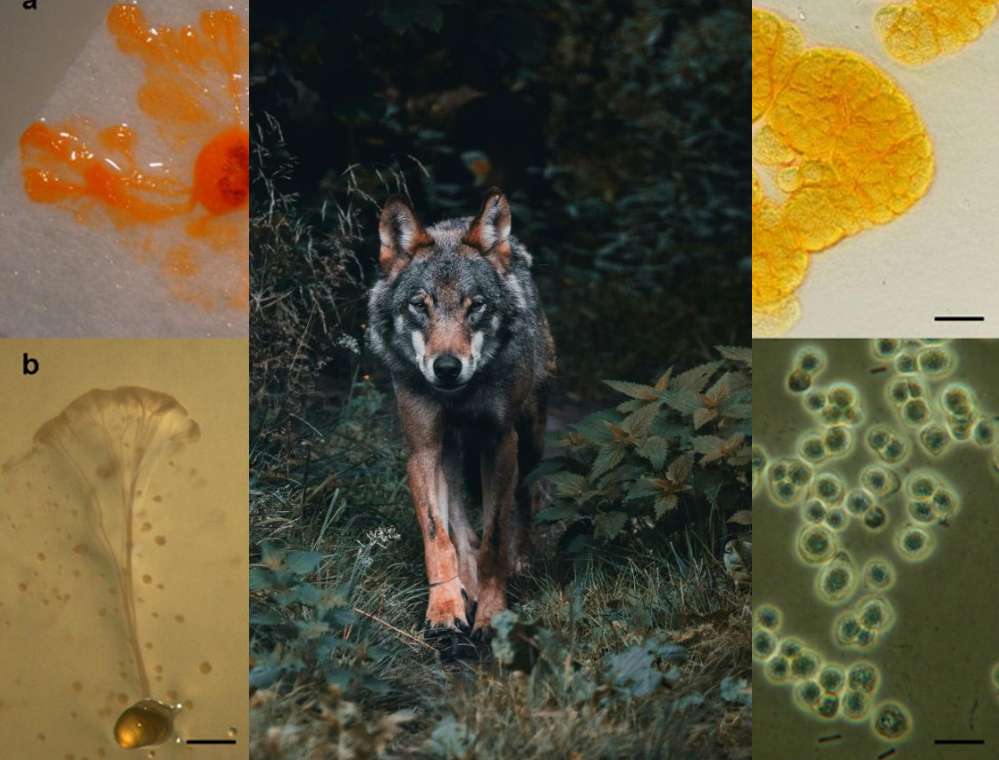
Picture this: bacteria that can slime their way around the soil, finding their prey, circling it, closing in on it and lysing it (or making their cell pop), just to feed on their prey. It sounds like a far stretch from a wolf to a bacteria, but even other soil predators, the comparably huge nematode …[Read More]
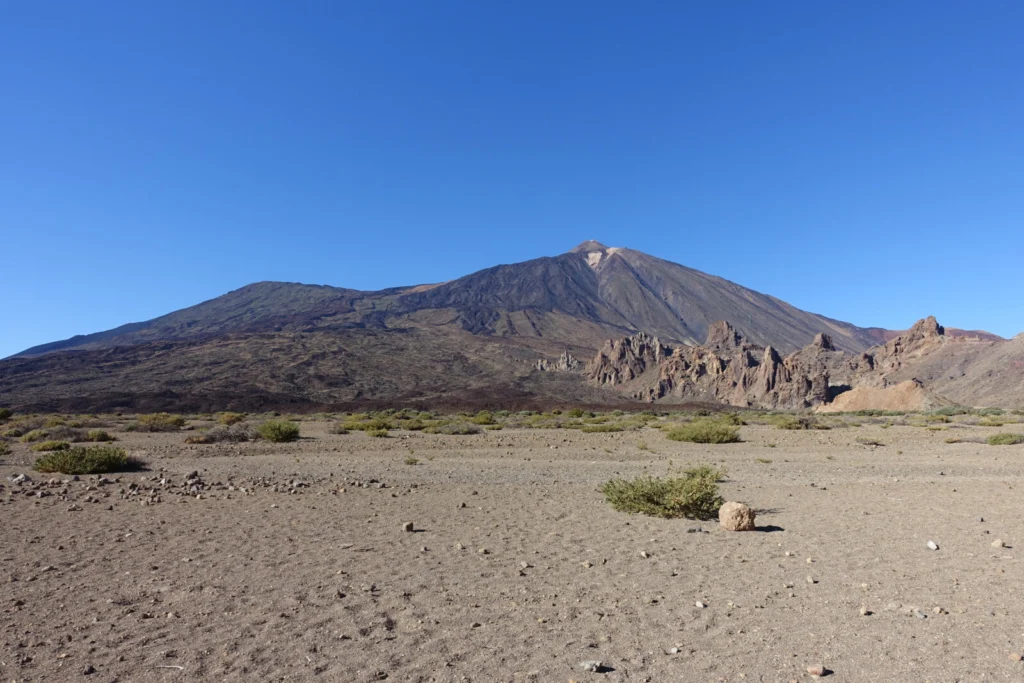
Tenerife, the largest active volcanic island in the Canarian archipelago, encompasses a diverse landscape shaped by volcanic activity. This picturesque island of the Mediterranean not only boasts stunning vistas but also harbours a dynamic volcanic system that requires diligent monitoring. In recent years, an international team of researchers from Instituto Volcanológico de Canarias (INVOLCAN), Instituto …[Read More]
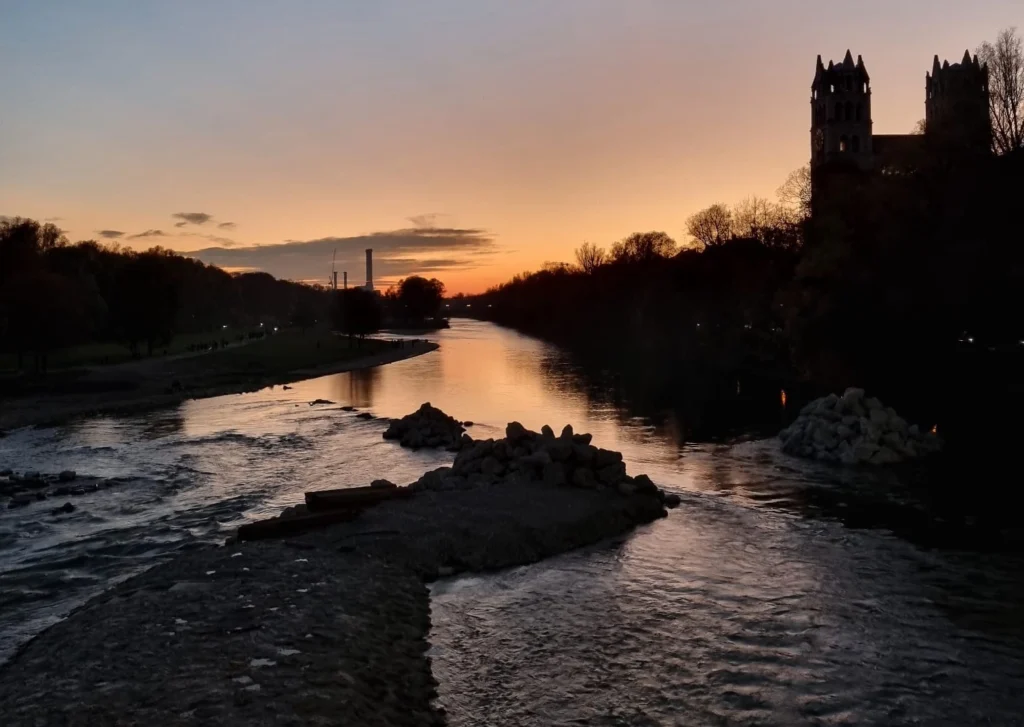
In this month’s GeoPolicy blog post, Dr Grace Skirrow outlines how researchers can share their expertise with environmental regulators to have policy impact and the role that fluvial geomorphology can play in policy decisions. Fluvial Geomorphology and why it is relevant for policymakers Fluvial Geomorphology (“fluvial”, derived from the Latin “fluvialis”, meaning “of the river”) …[Read More]
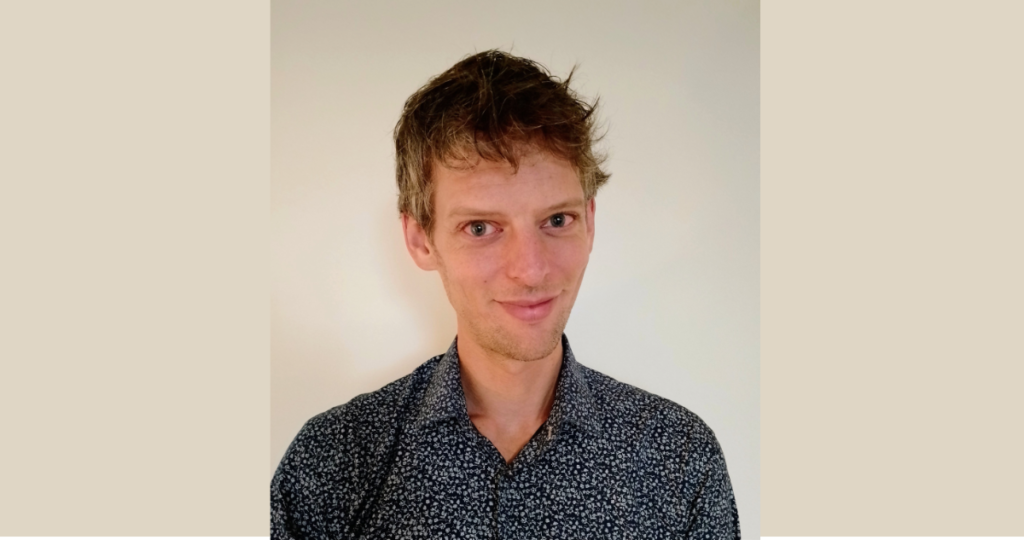
Hello Gino! Welcome to GeoTalk. Could you tell our readers a little bit about yourself and your background? Sure thing! My background is mostly in tectonics, geomorphology and the evolution of (active) fault systems, which I developed during my studies at Utrecht University and my PhD at the IPGP (Paris). Initially I focused on the …[Read More]