GeoLog

EGU Scientific Divisions

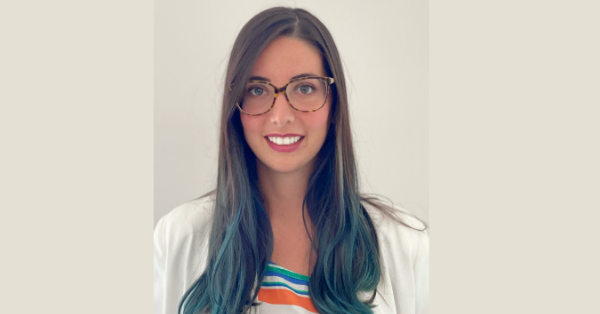
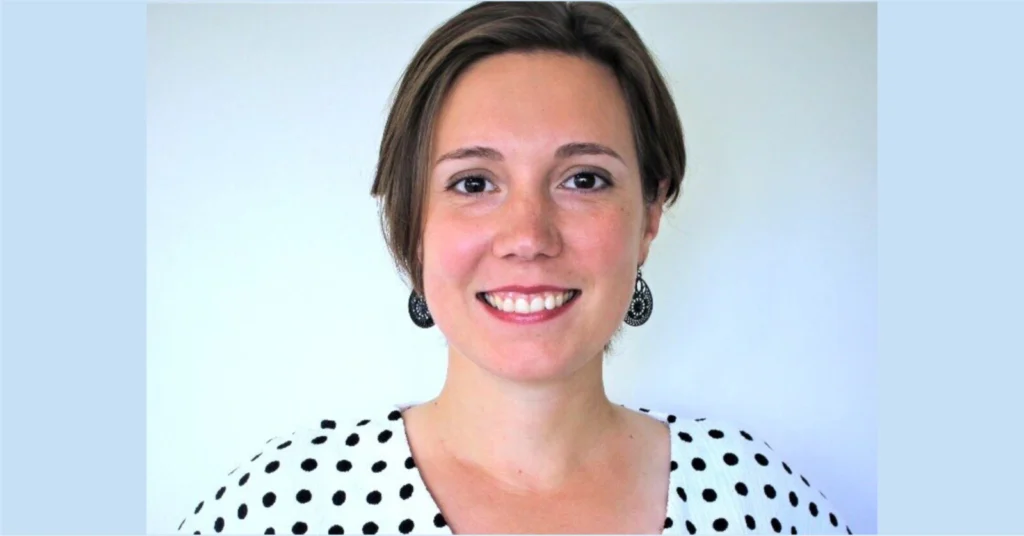
What I wish someone told me early in my career: meet Hazel Gibson, our Head of Communications

What I wish someone told me early in my career: meet Hazel Gibson, our Head of Communications

‘What I wish someone told me early in my career’ is a new Geolog series that aims to provide valuable insights and guidance to early-career professionals within the European Geosciences Union (EGU) community. Each month, I will interview a staff member of EGU to share their personal career journey, experiences, challenges faced, and the tips they wish they had received earlier in their ...[Read More]

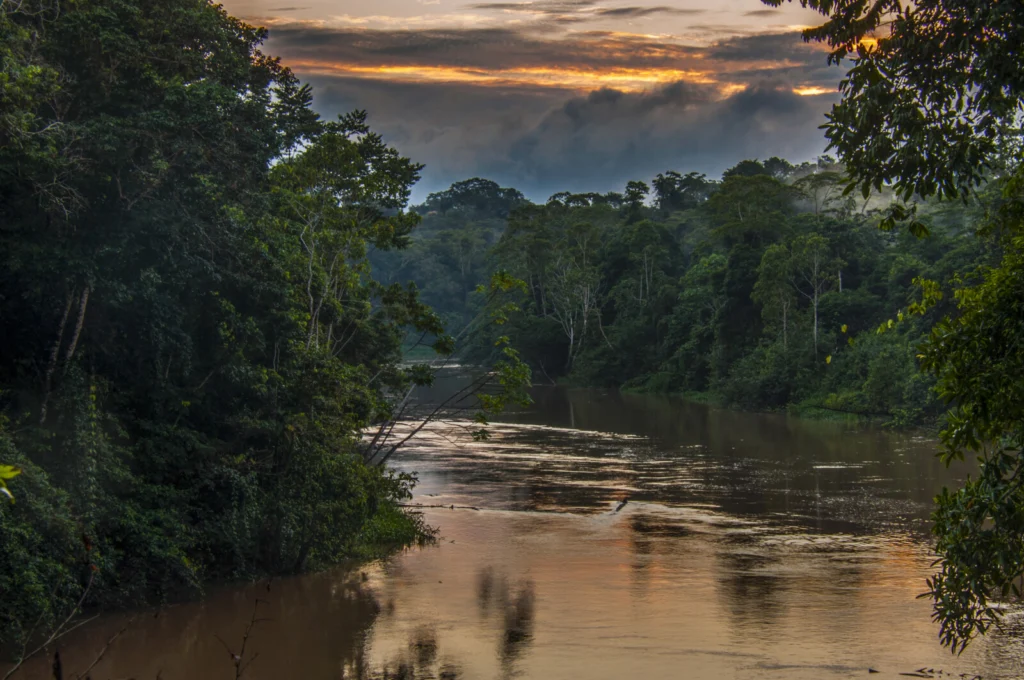
Tropical rainforest, the lungs of our planet, might be releasing more than just CO2!

Tropical rainforest, the lungs of our planet, might be releasing more than just CO2!

When I was thirteen years old, my family and I almost lost our lives due to a carbon monoxide (CO) leak. I never stopped thinking about that incident even though it happened over twenty years ago. Not only because it was a premature realisation of my own mortality, but also because of how sneaky it was: We did not smell it, see it, hear it, or feel it. It was a subtle and slow killer that could ha ...[Read More]

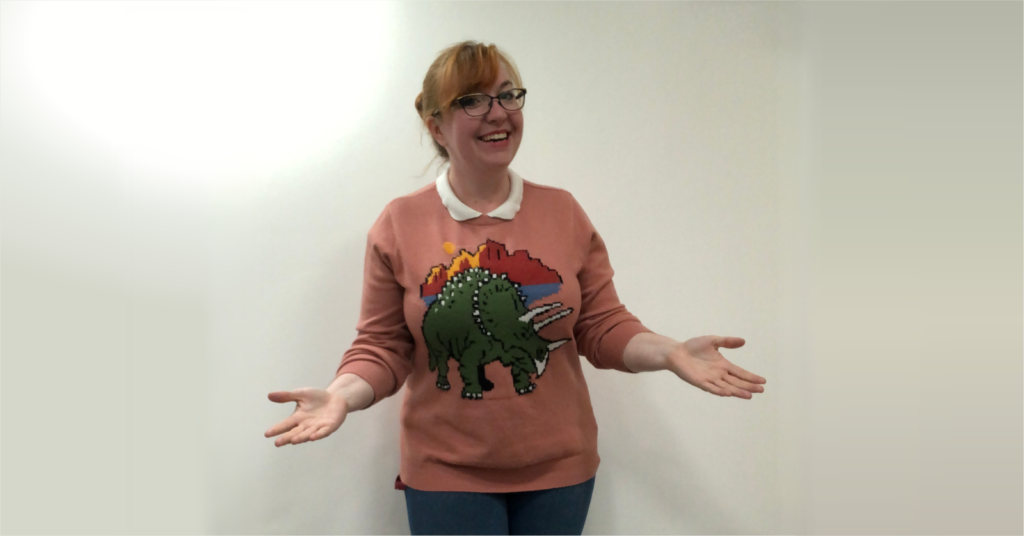
GeoTalk: meet Kara Müller, researcher of biodegradable plastic!

GeoTalk: meet Kara Müller, researcher of biodegradable plastic!

Hello Kara. Thank you for joining this edition of GeoTalk! Could you tell our readers a little bit about yourself and your background? Thank you, Simon. I am excited to join you for the interview. I grew up in the middle of Germany in Bad Homburg, close to Frankfurt. After school, I travelled through Australia with occasional jobs, and after one year, I decided to return to Germany to study chemis ...[Read More]

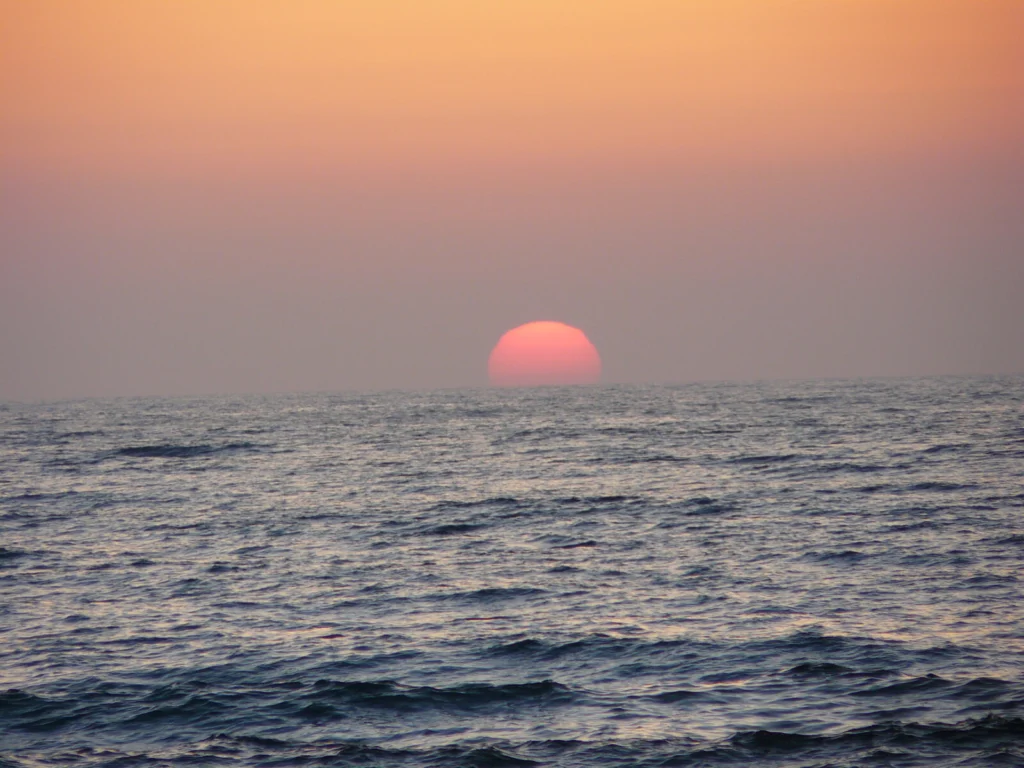
Ocean hypoxia: what does the increase of dead zones mean for marine life?

Ocean hypoxia: what does the increase of dead zones mean for marine life?

When runoff from farmland and urban areas enters our streams and rivers, it carries a heavy load of fertilizers and nutrients. These substances accumulate and flow into our coastal oceans, triggering a series of reactions that can create hypoxic ‘dead zones’. Dead zones are low-oxygen, or hypoxic, areas in the world’s oceans and lakes. Because most organisms need oxygen to live, very f ...[Read More]

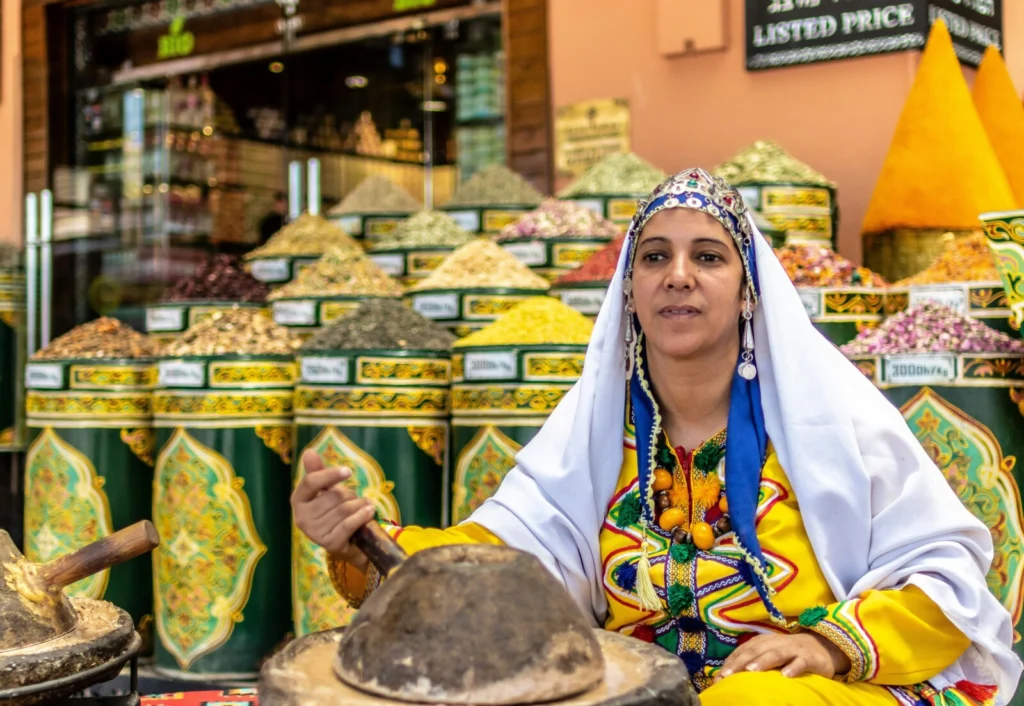
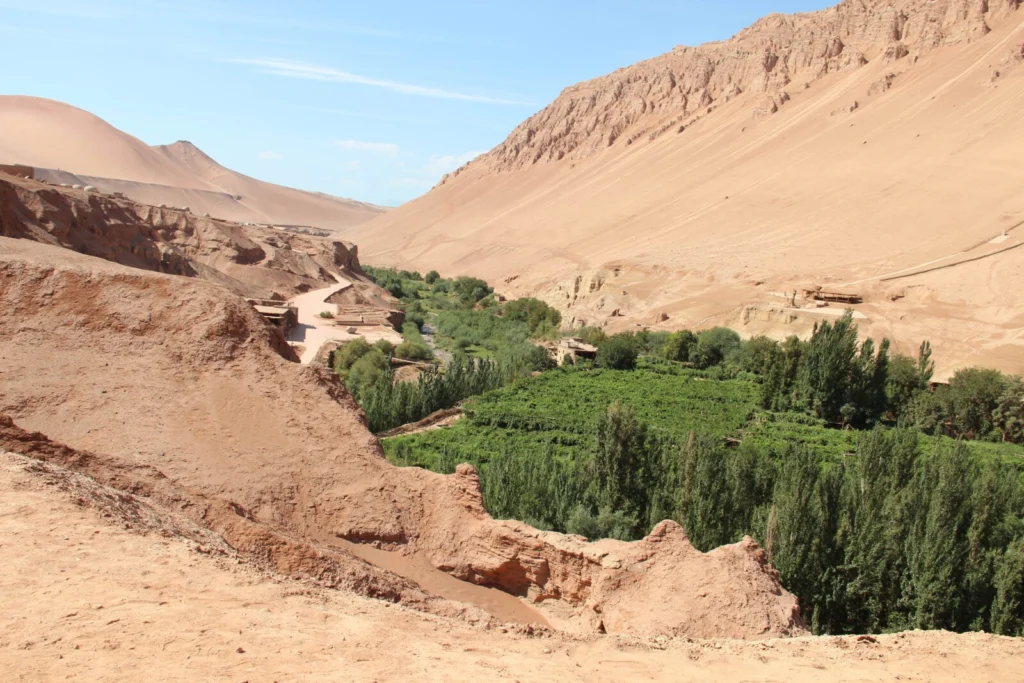
Can our oases outlast the dry spell of desertification?

Can our oases outlast the dry spell of desertification?

Ever wondered how fast our planet is losing its footing? Imagine this: every time you blink, four football fields’ worth of fertile soil vanish into thin air. According to the UN, that’s a mind-boggling 100 million hectares gobbled up by land degradation each year! But when this happens in dry regions, it morphs into something even more sinister: desertification. Karina Lima, a climate ...[Read More]

GeoTalk: meet Alessandro Silvano, winner of the 2024 Ocean Sciences Division Outstanding ECS Award!

Alessandro Silvano

Hello Alessandro. Thank you for joining me for this edition GeoTalk! Could you tell our readers about your background before we dive in?  I am an oceanographer based at the University of Southampton (UK). I am interested in polar oceanography and ice-ocean interactions. The focus of my work is to understand the processes that control ocean heat transport toward rapidly-melting Antarctic glaciers. ...[Read More]

Predators or gardeners: how penguins fertilise Antarctica’s biodiversity

Predators or gardeners: how penguins fertilise Antarctica’s biodiversity

On the desolate Antarctic peninsula, a colony of penguins creates a hub of biodiversity. One may ask, how exactly do those aquatic birds help maintain and enrich the variety of different kinds of organisms from plants and animals, to a wide range of insects and micro-organisms that live on our planet? The answer is quite intriguing. Scientists from the University of Science and Technology of China ...[Read More]

The EGU Great Debate: About the Anthropocene, scientists and comfort zones?

The EGU Great Debate: About the Anthropocene, scientists and comfort zones?

  EGU has hosted a Great Debate with world-renowned climate scientists and activists about the growing human impact on our natural and social environment for many years. There are many aspects to the debate, from voting bad politicians out, to communication duties of scientists, the interconnection of a need for social equity and decarbonization, and more. In this blog post, I want to focus o ...[Read More]