Detail of a photo: Maze of layered canyon walls and buttes in bands of red, cream and grey, receding into the distance in soft evening light.
GeoLog

EGU Scientific Divisions

When mountains collapse…

When mountains collapse…

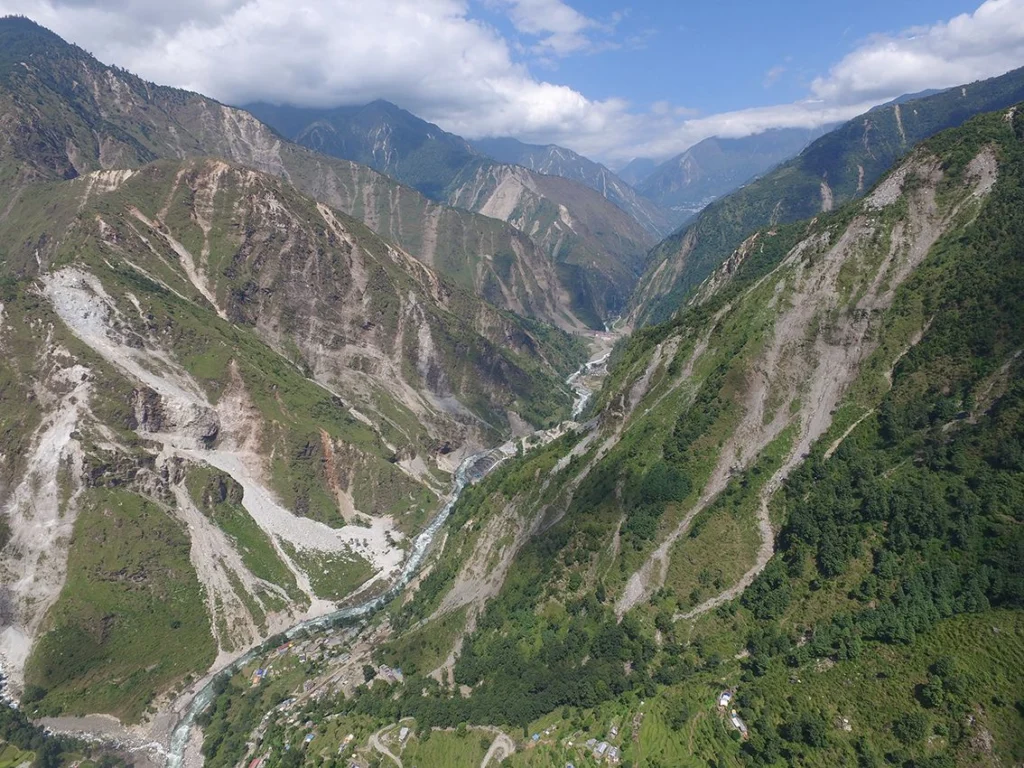
Jane Qiu, a grantee of the Pulitzer Center on Crisis Reporting, took to quake-stricken Nepal last month — venturing into landslide-riddled terrains and shadowing scientists studying what makes slopes more susceptible to failure after an earthquake. The journey proved to be more perilous than she had expected. What would it be like to lose all …[Read More]

Announcing the winners of the EGU Photo Contest 2016!

Announcing the winners of the EGU Photo Contest 2016!

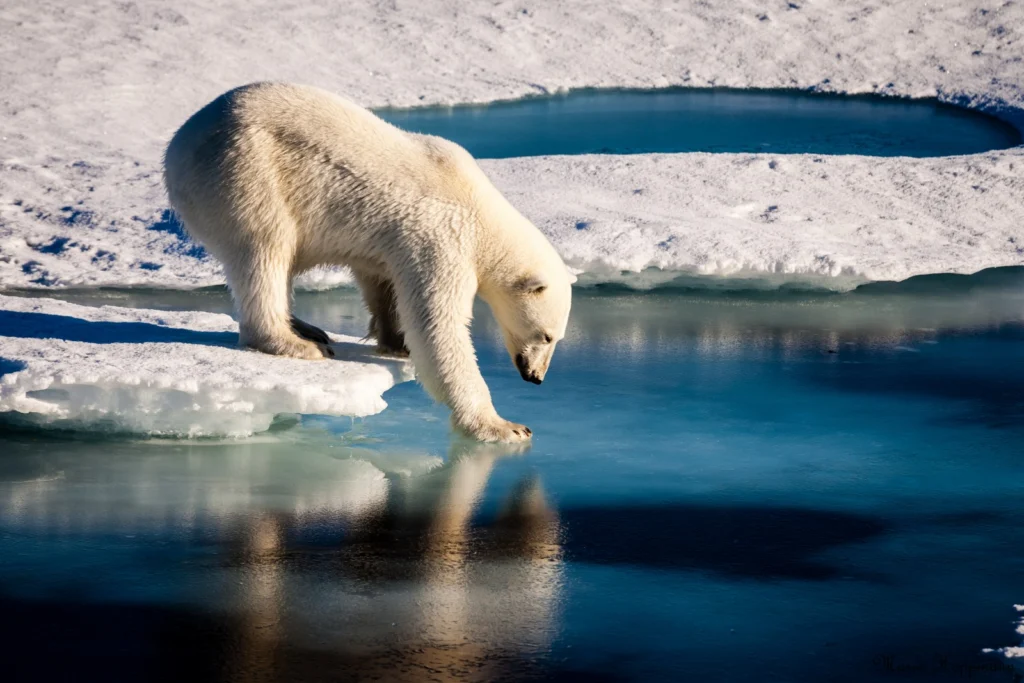
The selection committee received over 200 photos for this year’s EGU Photo Contest, covering fields across the geosciences. Participants at the 2016 General Assembly have been voting for their favourites throughout the week  of the conference and there are three clear winners. Congratulations to 2016’s fantastic photographers! In addition, this year, to celebrate the theme …[Read More]

Counting the cost of natural disasters

Counting the cost of natural disasters

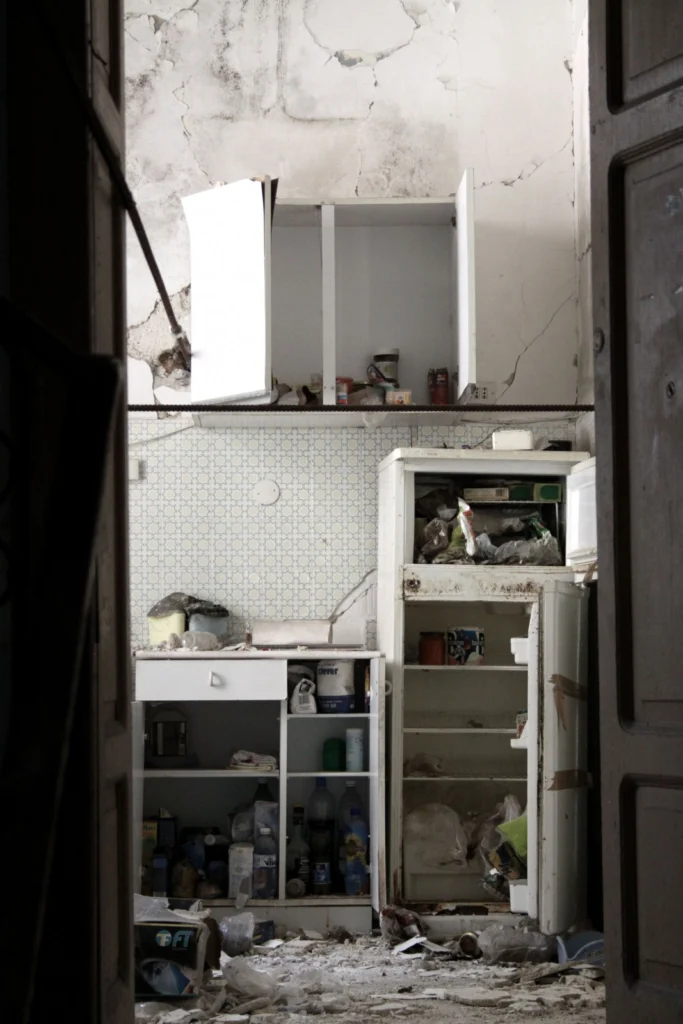
Often, in the news, we are used to seeing disaster statistics reported as isolated figures, placed into context by the tragic human cost of floods, earthquakes and drought. The recent Ecuadorian earthquake that occurred on Saturday the 16th April, for example, was described as having an estimated economic cost of $820 million, which could rise …[Read More]

Methane seeps – oases in the deep Arctic Ocean

Methane seeps – oases in the deep Arctic Ocean

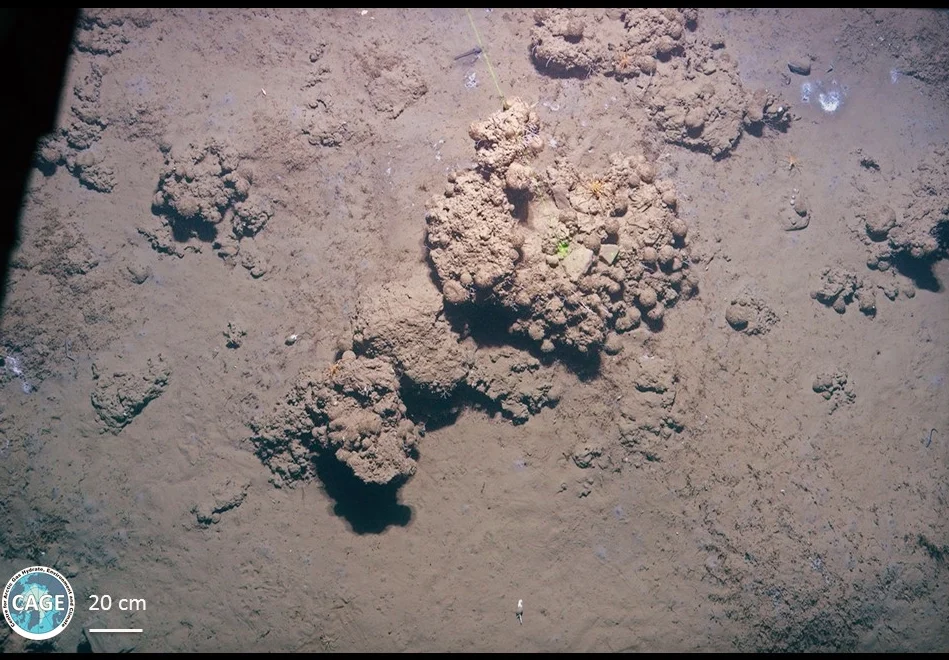
The deep Arctic Ocean is not known for its wildlife. 1200 metres from the surface, well beyond where light penetrates the water and at temperatures below zero, it it’s a desolate, hostile environment. There are, however, exceptions to this, most notably around seeps in the seafloor that leak methane into the water above. Here, methane …[Read More]

Photo Contest finalists 2016 – who will you vote for?

Photo Contest finalists 2016 – who will you vote for?

The selection committee received over 400 photos for this year’s EGU Photo Contest, covering fields across the geosciences. The fantastic finalist photos are below and they are being exhibited in Hall X2 (basement, Brown Level) of the Austria Center Vienna – see for yourself! Do you have a favourite? Vote for it! There is a voting terminal (also in Hall X2), …[Read More]

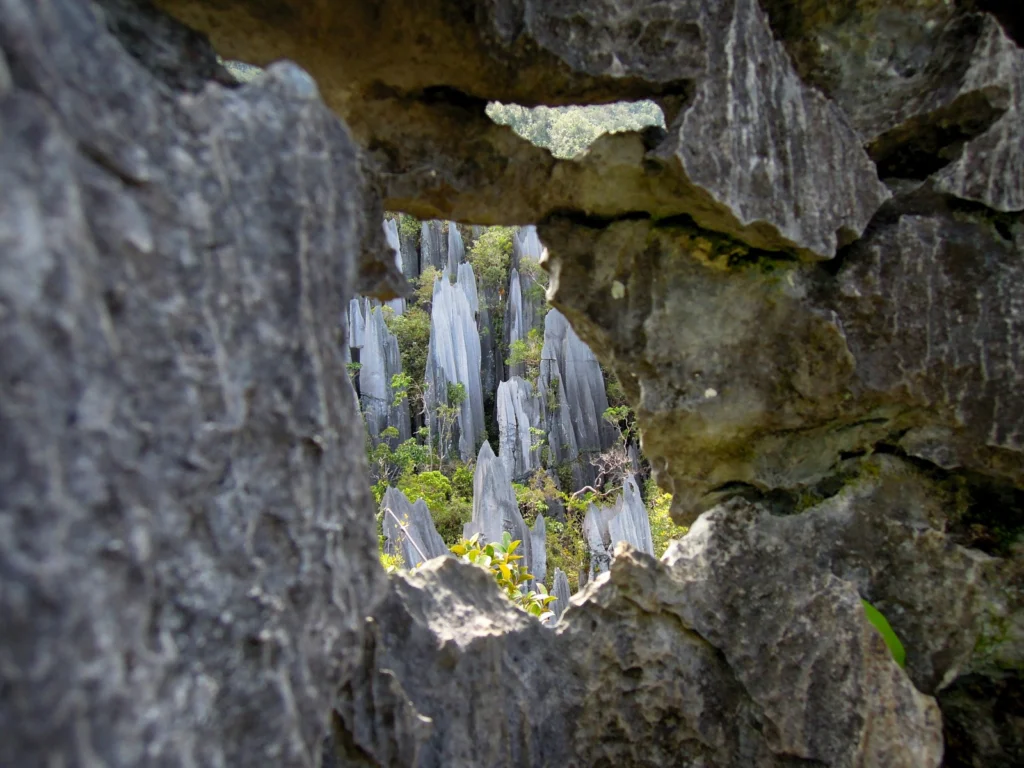
Imaggeo on Mondays: Through the hole

Imaggeo on Mondays: Through the hole

The Gunung Mulu National Park is an area so geologically remarkable and home to such incredibly diverse fauna and flora it has been declared a World Heritage Area.  Located on the island of Borneo, the park is famous for its over 100 different palm species and 3500 other plant types. Geologically speaking, a trip though …[Read More]

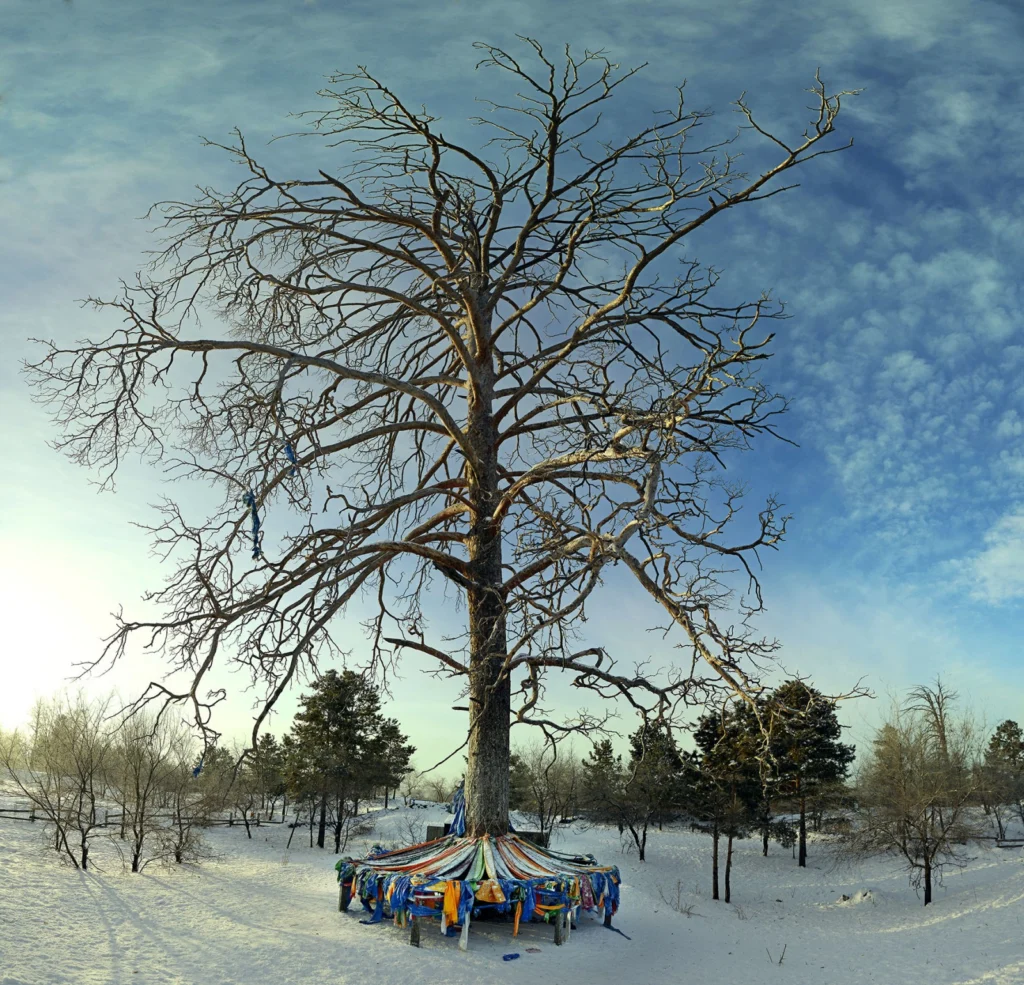
Imaggeo on Mondays: Mother Tree

Imaggeo on Mondays: Mother Tree

Landlocked, home to mountains, deserts and the southernmost permafrost territories, Mongolia’s climate is harsh.  Warm, often humid summers, give way to freezing winters where temperatures dip as low as -25°C. Rainfall is restricted to a short period in the summer months of June and August. These climatic factors, combined with the lack of a strong …[Read More]

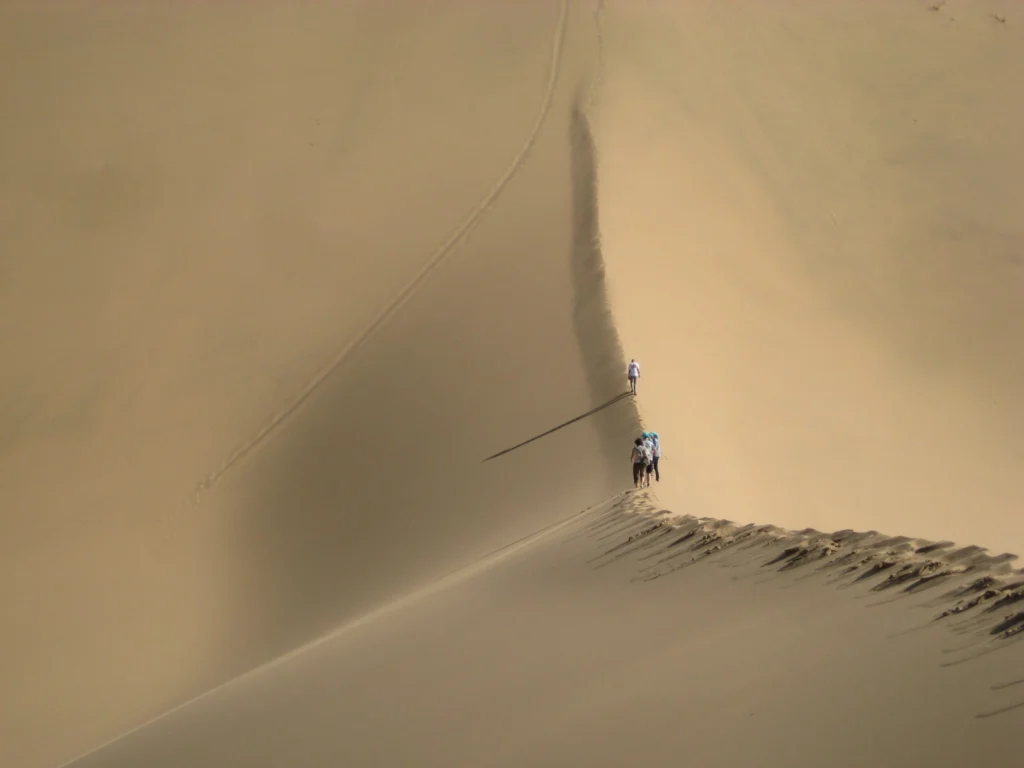
Imaggeo on Mondays: Dune ridge perspective

Imaggeo on Mondays: Dune ridge perspective

Imagine taking a hike over soft, ever shifting sands. This is exactly what Martina Klose, a researcher at USDA, did when she captured this beautiful photograph. While most of us will likely think of deserts as inhospitable and static landscapes, they can tell us much about dune forming processes, as Martina explains in today’s blog …[Read More]