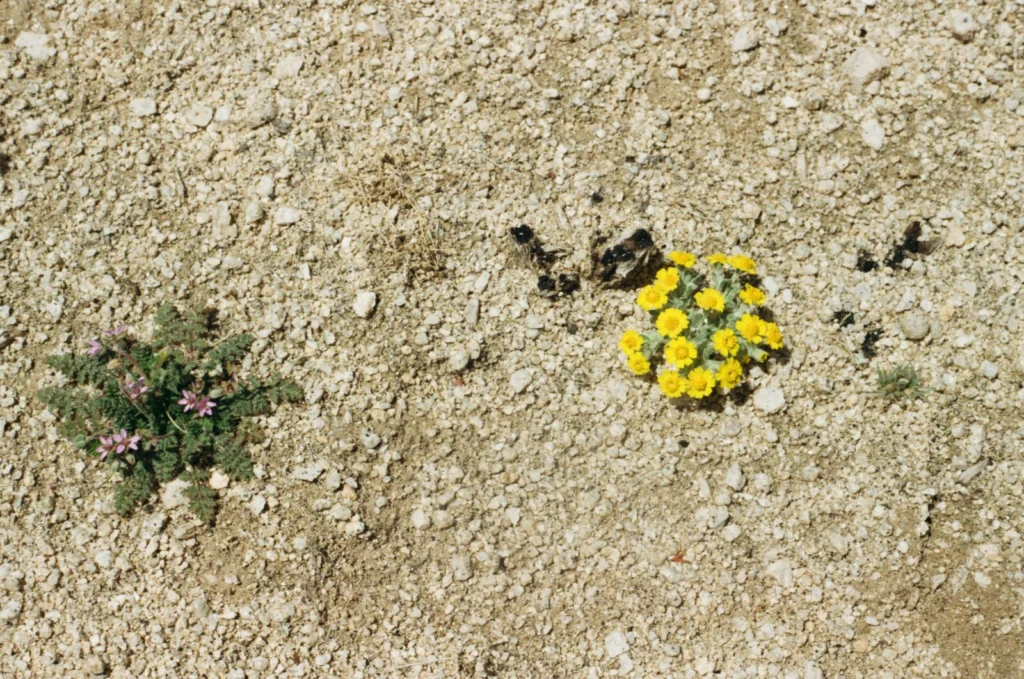
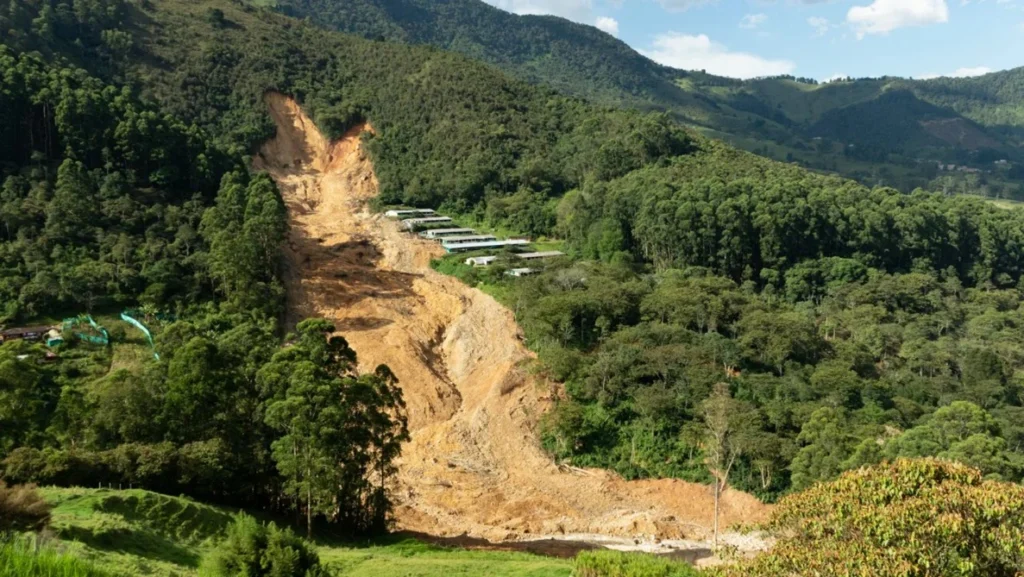
Recently, we had a big name in fire ecology visiting our institute. He had come, among other things, to look for records of a certain fire-adapted shrub in my university’s herbarium. While myself and a colleague helped him go through the stacks of pressed and archived specimens, I asked him why there were so little contributions to the herbarium in recent years. His response was: “People sto ...[Read More]
GeoTalk: meet Lorne Farovitch, researcher of climate impacts on deaf communities!
Hello Lorne – welcome to GeoTalk! Could you introduce yourself and your background to our readers? I’m Dr. Lorne Farovitch, a deaf transdisciplinary biomedical researcher and multilingual signer, fluent in more than five sign languages. I’m passionate about advancing health equity for deaf communities worldwide through community-driven research! As the founder and Executive Director of the Global ...[Read More]
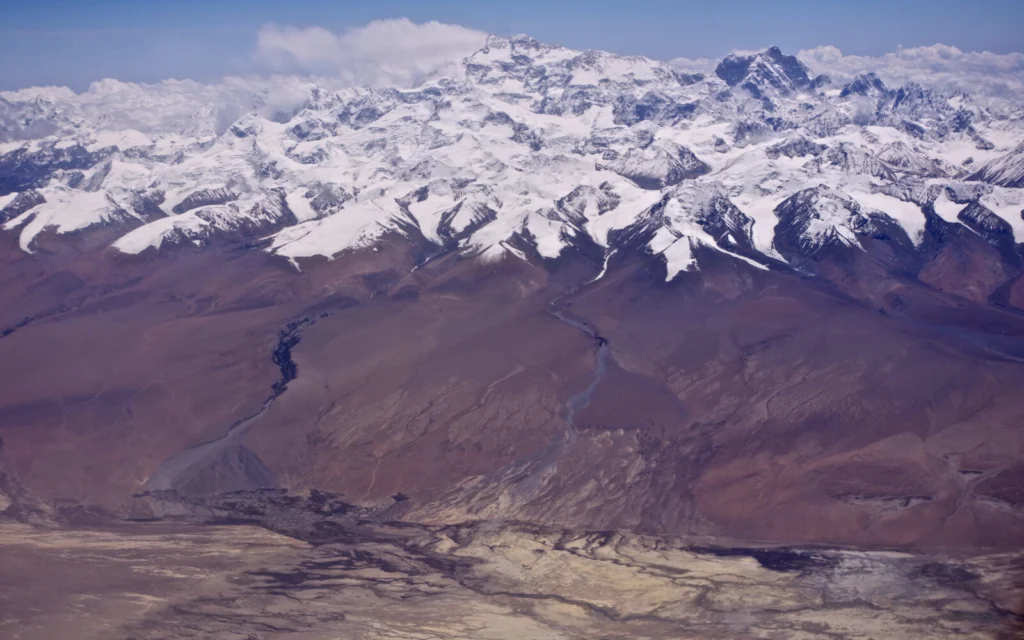
The 1950 Assam-Tibet earthquake: A singular Himalayan earthquake on its 75th Anniversary
August 15, 1950, marked India’s fourth year of Independence. The young nation’s mood was optimistic. People all over India were celebrating the country’s newfound freedom. Known as the land of the rising Sun, the jubilant people of the northeastern part of the country were about to conclude the celebrations and retire for the day. In the northeast corner, surrounded by the Himalayan mountains, the ...[Read More]
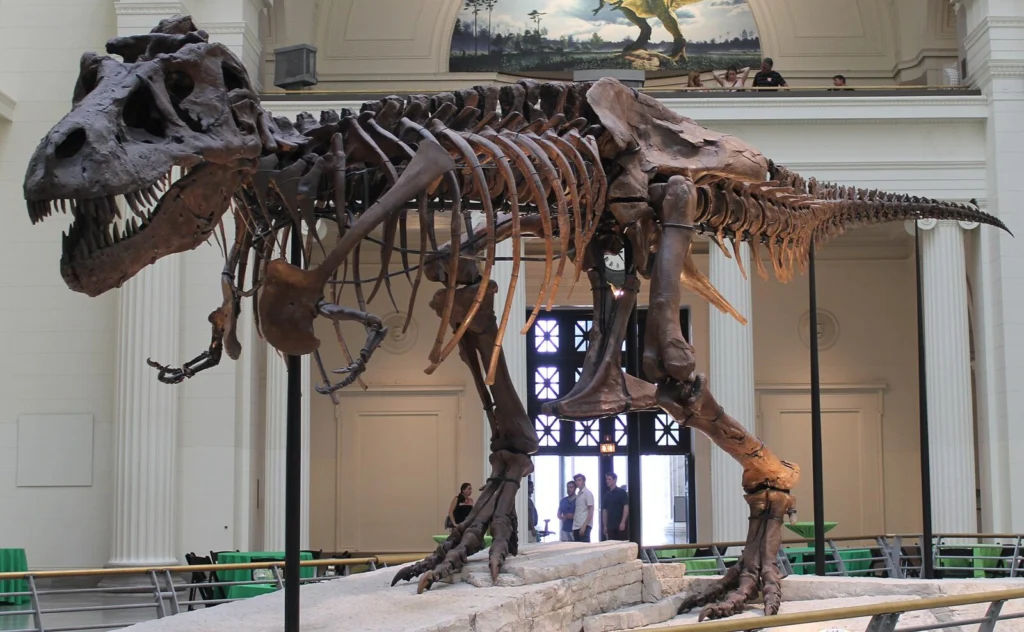
Sue the unconventional tyrant: 35 years of discovery, science, and icon status
This year marks the 35th anniversary of a discovery that redefined our understanding of the Tyrannosaurus Rex and captivated the world. It’s a story of serendipity, fierce legal battles, groundbreaking science, and an unexpected journey into pop culture. Discovered in South Dakota in 1990 by fossil hunter Sue Hendrickson, Sue is not just any dinosaur skeleton; it is the largest and most complete T ...[Read More]
A leap of faith: Should we trust AI with a million-year problem?
Artificial intelligence (AI) has been here a while, and it isn’t going anywhere, not any time soon. It has become an integral part of many lives and businesses. When I speak of AI, I am not referring to GenAI (generative AI) that writes your emails for you: Think about the algorithms that suggest what movie you should watch next, the voice assistant that adds milk to your shopping list, and ...[Read More]
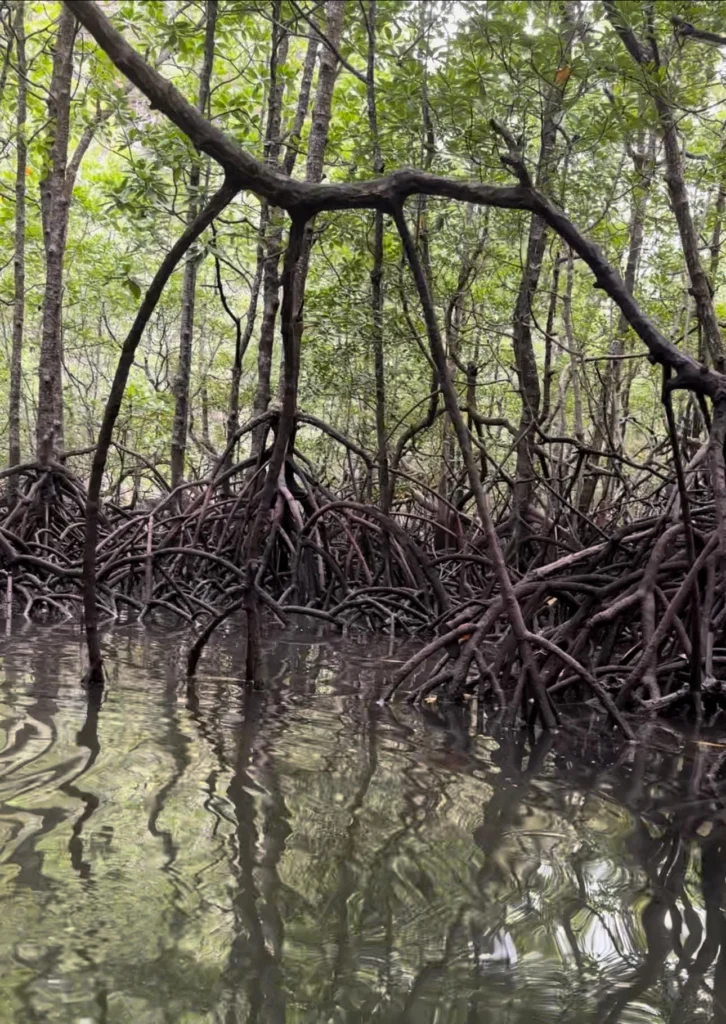
Mangroves: Our coastal guardians of soil, biodiversity, and climate
Mangrove forests, rare tidal woodlands at the interface of land and sea, are extraordinary ecosystems that bridge freshwater and marine environments. These forests support rich biodiversity and invaluable nursery habitat for fish and crustaceans, while also providing food, shelter, and cultural resources to millions of coastal communities. Think of mangroves as sea walls: their dense, prop-root ne ...[Read More]
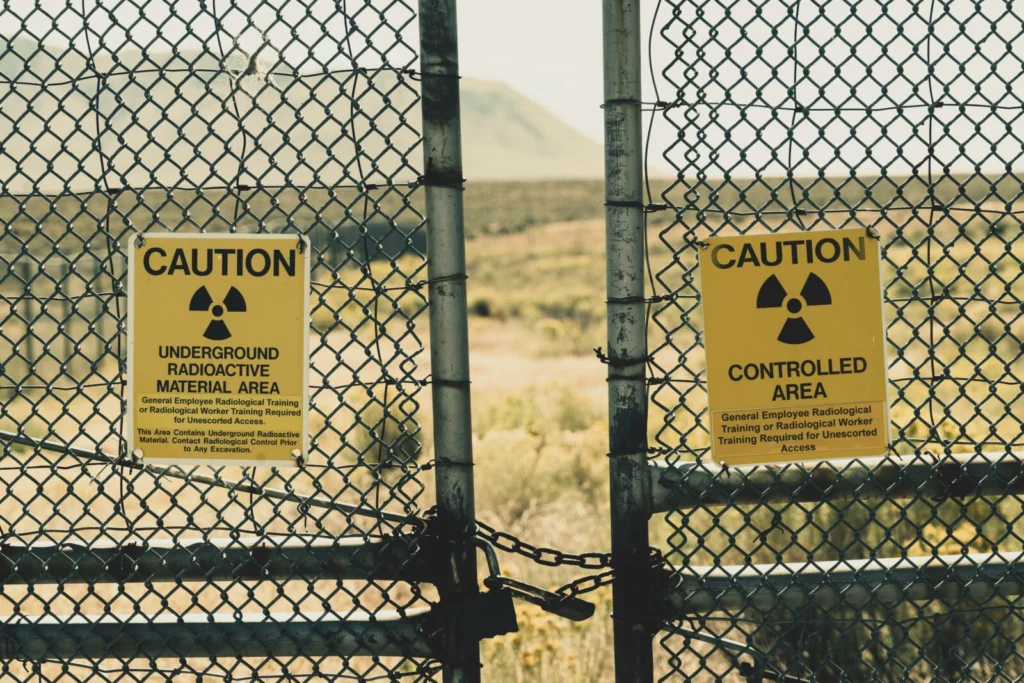
The importance of building early warning systems from the ground up
As the Early Warnings for All (EW4ALL) initiative gathers pace with its 1st Multi-Stakeholder Forum last month in Geneva, we have welcomed a recognition by experts of the importance of tailoring early warning systems to local needs. The ambition to ensure everyone on Earth is protected by a multi-hazard early warning system by 2027 is bold and demands an urgent setup of systems around the world. D ...[Read More]
Sixty years under the mountain: A geoscientific odyssey through the Mont Blanc tunnel
On July 16, 1965, the Mont Blanc Tunnel, 11.611 km of tunnel piercing the heart of the Alps, opened to traffic, marking a triumph of engineering, geology, and international cooperation. Sixty years later, this civilian artery connecting Chamonix (France) and Courmayeur (Italy) stands not just as a testament to human inventiveness but as an ongoing marvel if viewed through a geoscientific lens. On ...[Read More]
The false narrative of over-population: why Malthus had it wrong when it comes to global resources
Just like me, you may have, at some point in your life, come across Malthusian rhetoric: There are too many mouths to feed and not enough resources for a growing population. But what if the problem isn’t people, but an appetite for profit-driven extraction? In this blog, I peel back the myth of overpopulation and show how pinning ecological collapse on mere population numbers diverts attention fro ...[Read More]
Hoverboards, fusion, and future farms: What did Back to the Future (II) get right?
Fourty years ago, the movie Back to the Future (1985) revved its DeLorean into some hearts, zipping watchers back to 1955 with a grin and a flux capacitor–fueled paradox. Today we’re not just celebrating that original joyride’s 40th anniversary; we’re strapping in for the wild flight of Part II (1989), the movie that dared to ask, “what if Marty McFly really could hoverboard through 2015?” W ...[Read More]