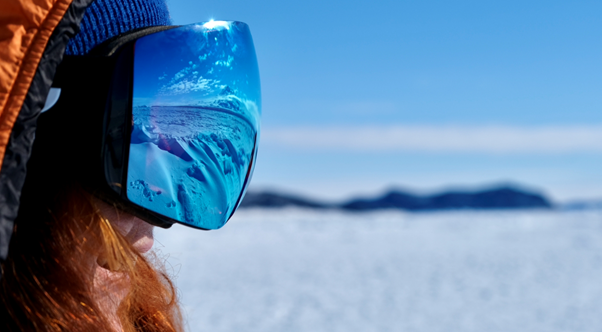
Welcome, Marie! Could you please introduce yourself to our readers? Hi, my name is Marie Cavitte. I’m a glaciologist and climatologist with a passion for the polar regions. I spent 10 years studying Antarctica. I started off during my Masters, then PhD, looking at the oldest ice on Earth, hunting for THE region of the ice sheet that might contain million-year-old ice. An ice core has been drilled ...[Read More]
McMurdo Sound’s 70th anniversary: An expedition journal by Julia Martin
It was October 28, 2022 around 3 p.m. Fascinated by the majestic white snow-covered mountain caps, deep-blue sea ice cracks and light-blue pressure ridges, I gently press my nose against the cold double-glassed window of the Royal New Zealand 757. The tires smoothly touch the ground, and the warm voice of the flight attendant fills the dry air in the aircraft: “Ladies and Gentlemen, welcome to Ant ...[Read More]
International Day of Women and Girls in Science: Reflections from seismologist Simona Gabrielli
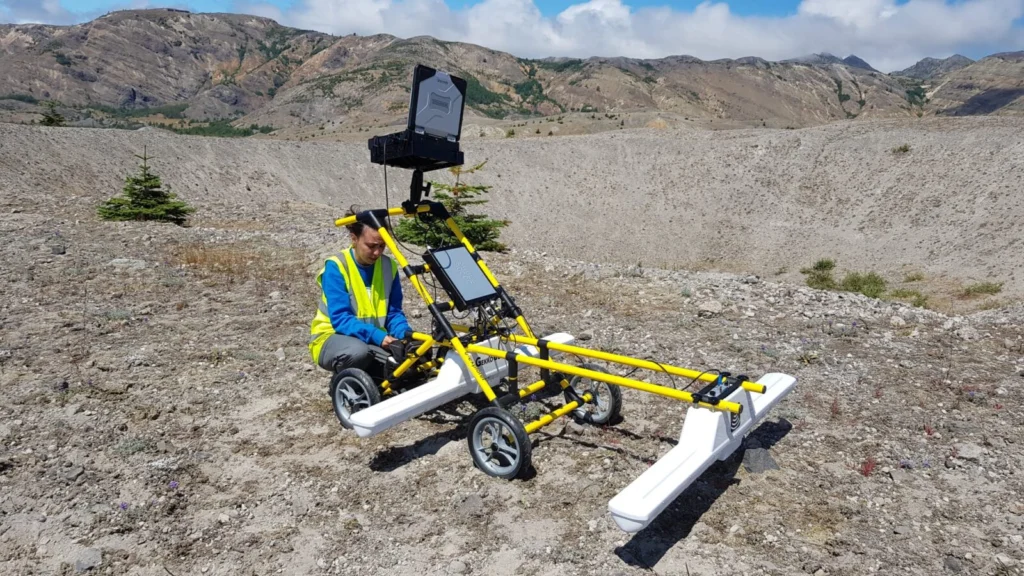
Hello you, and happy International Day of Women and Girls in Science! My name is Simona Gabrielli, and I am a researcher at the INGV (Istituto Nazionale di Geofisica e Vulcanologia, Italy), where I study seismic attenuation (in other words: how earthquakes lose energy while passing through rocks), to understand the presence of fractures and fluids. My specialization in recent years has been in tec ...[Read More]
GeoTalk: Meet Soil Microbiologist and Early Career Scientist Biogeosceinces Representative, Elsa Abs!
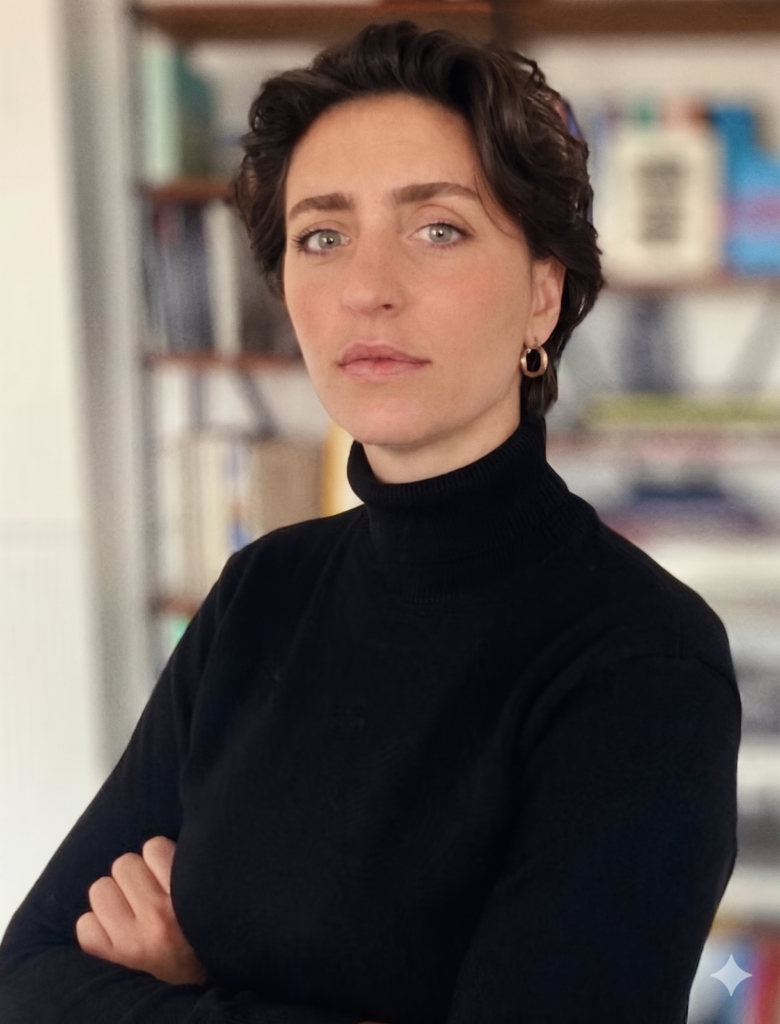
Hello Elsa & welcome to GeoTalk! Before we dig deeper, could you introduce yourself to our readers? Hi! I’m Elsa (they/them). I’m a microbiologist/biogeochemist, and I just started a permanent position at the French National Centre for Scientific Research (CNRS) one month ago. I work with one PhD student, Elisa Richard, and two postdocs, Mathilde Bourreau and Thomas Cortier, on my ERC Starting ...[Read More]
Geoscientific perspectives on global wetland systems: Between traditional knowledge and cultural heritage
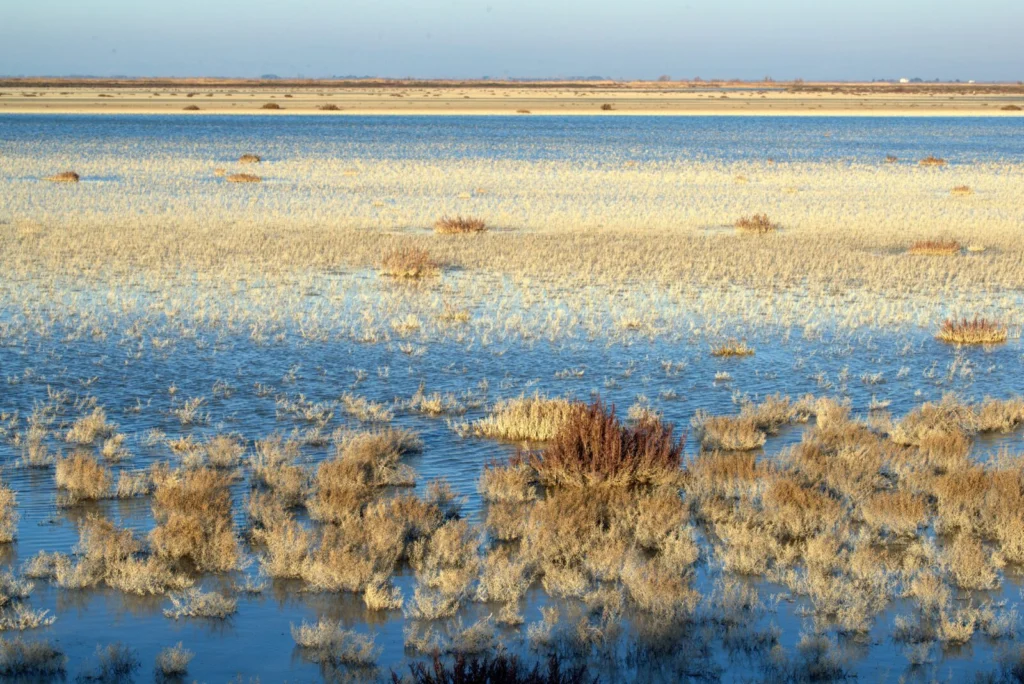
Today marks World Wetlands Day, and this year, the theme is Wetlands and traditional knowledge: Celebrating cultural heritage. Each year, February 2 is a day dedicated to recognising wetlands as places that store carbon, protect water, and hold complex cultural meaning. Wetlands such as mangroves, salt marshes, seagrass beds, peatlands, and floodplains are extremely good at taking carbon out of th ...[Read More]
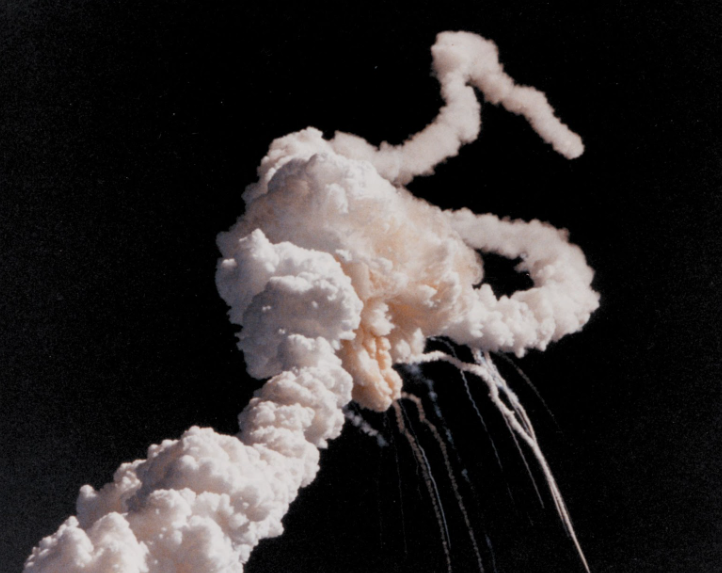
Challenger: the lessons of a teacher who never reached space
Humankind’s development is often associated with facing challenges. The original ideas required to solve new problems keep pushing the power of human creation towards more sophisticated and practical solutions. However, part of the excitement of any challenge comes from the dangers of trying something that nobody has accomplished before. An example of technological advances driven by human a ...[Read More]
Jacobus Kapteyn at 175: Still expanding our cosmic horizon
January 19th marked the 175th birthday of Dutch astronomer Jacobus Kapteyn. His work and legacy had a profound yet subtle impact on the astronomical community and our understanding of the cosmos. His lasting contributions and methodologies continue to be refined and provide the foundation for ongoing astronomical research and discoveries. After he completed his studies, Kapteyn worked at Leiden Ob ...[Read More]
GeoTalk: meet Silke Asche, researcher of the origin of life on other planets!
Hello Silke and welcome to GeoTalk! Before we dig into your topic of expertise, could you introduce yourself to our readers? Hello, Simon. My name is Silke Asche, and I am a chemist in astrobiology and part of the Agnostic Biosignature Collective led by Dr Heather Graham at NASA’s Goddard Space Flight enter. My Ph.D. focused on Origins of Life (OoL) research and the automation of such experiments. ...[Read More]
More than just a cat: How Schrödinger invented modern Earth science
Did you know that yesterday, Sunday, January 4, 2026, marked 65 years since Erwin Schrödinger passed away? While the internet loves him for his cat in a box thought experiment, Geoscientists love him for something much more practical: the equation. Many of us have spent decades debating the health of a hypothetical feline in a box (I remember watching this episode of the Bing Bang Theory and think ...[Read More]
Discovery to recovery: how international collaboration solved the ozone crisis
38 years ago, representatives from 46 countries around the globe came together to find a solution to the climate crisis. Alerted to an issue discovered by scientists 13 years previously, the representatives of these nations worked together swiftly and with purpose to create an international treaty to combat a major environmental issue. The treaty was signed by all 46 participant nations and would ...[Read More]