It was October 28, 2022 around 3 p.m. Fascinated by the majestic white snow-covered mountain caps, deep-blue sea ice cracks and light-blue pressure ridges, I gently press my nose against the cold double-glassed window of the Royal New Zealand 757. The tires smoothly touch the ground, and the warm voice of the flight attendant fills the dry air in the aircraft: “Ladies and Gentlemen, welcome to Ant ...[Read More]
International Day of Women and Girls in Science: Reflections from seismologist Simona Gabrielli
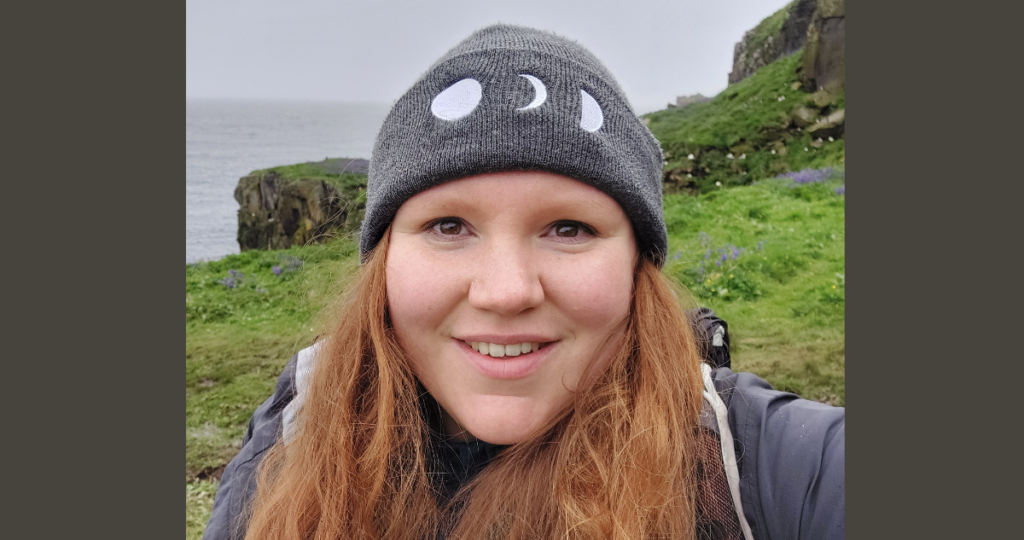
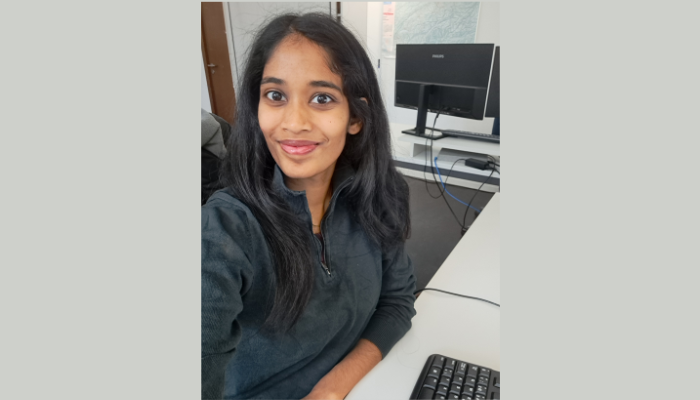
Hello you, and happy International Day of Women and Girls in Science! My name is Simona Gabrielli, and I am a researcher at the INGV (Istituto Nazionale di Geofisica e Vulcanologia, Italy), where I study seismic attenuation (in other words: how earthquakes lose energy while passing through rocks), to understand the presence of fractures and fluids. My specialization in recent years has been in tec ...[Read More]
GeoTalk: Meet Soil Microbiologist and Early Career Scientist Biogeosceinces Representative, Elsa Abs!
Hello Elsa & welcome to GeoTalk! Before we dig deeper, could you introduce yourself to our readers? Hi! I’m Elsa (they/them). I’m a microbiologist/biogeochemist, and I just started a permanent position at the French National Centre for Scientific Research (CNRS) one month ago. I work with one PhD student, Elisa Richard, and two postdocs, Mathilde Bourreau and Thomas Cortier, on my ERC Starting ...[Read More]
Geoscientific perspectives on global wetland systems: Between traditional knowledge and cultural heritage
Today marks World Wetlands Day, and this year, the theme is Wetlands and traditional knowledge: Celebrating cultural heritage. Each year, February 2 is a day dedicated to recognising wetlands as places that store carbon, protect water, and hold complex cultural meaning. Wetlands such as mangroves, salt marshes, seagrass beds, peatlands, and floodplains are extremely good at taking carbon out of th ...[Read More]