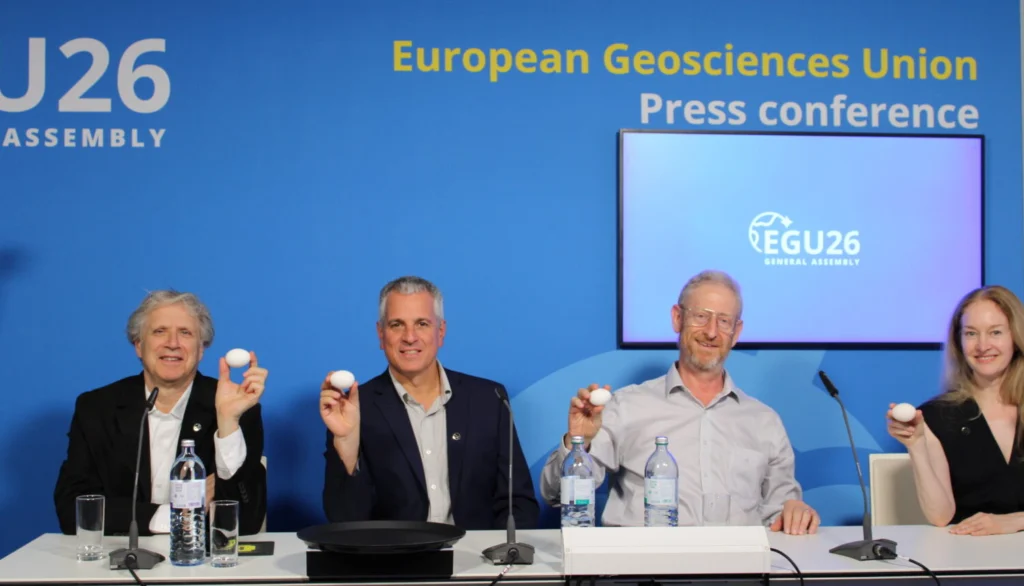
The latest NASA Juno briefing was presented at EGU26 yesterday. Speakers introduced unprecedented results that not only deepened our understanding of Jupiter but also invited us to reflect on the future of scientific methodology. Whether you’re a space geek or a tech enthusiast, hop in, as we’re about to take you on an exploratory journey to learn about how neural networks, serendipitous cameras, ...[Read More]
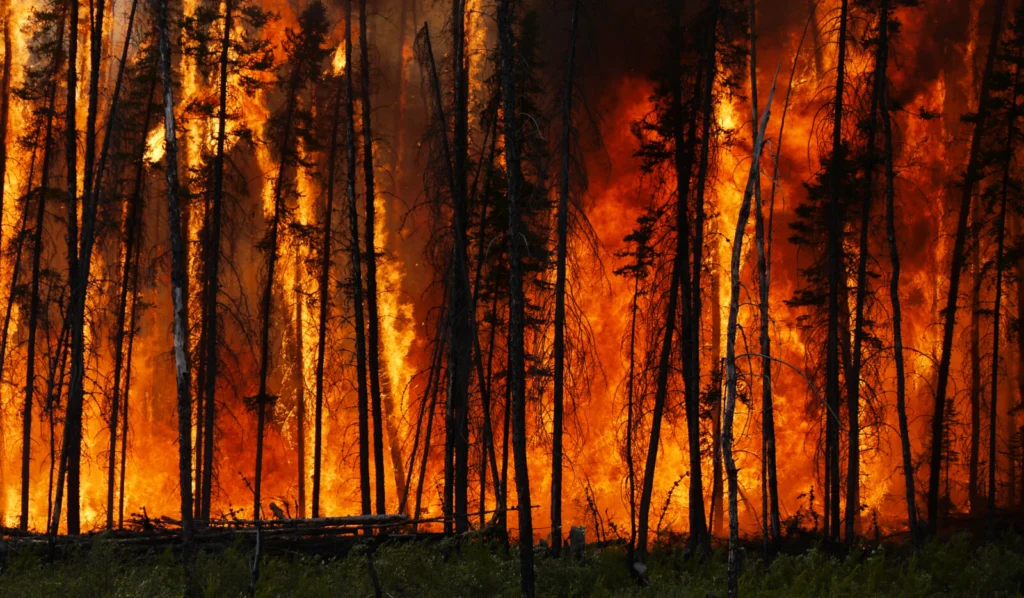
A trial by fire: Can we learn how to read a burning planet?
I grew up watching my dad come home covered in soot. For most of his life, he worked as a firefighter in a natural reserve in Galicia, in northern Spain, a region of green mountains and steep terrain, almost Lord of the Rings in its landscape, but also a place where fire moves quickly and is notoriously difficult to control. Firefighting crews there are used to the fact that, to even begin work, t ...[Read More]
Footprints reveal climate’s mark on mudflats
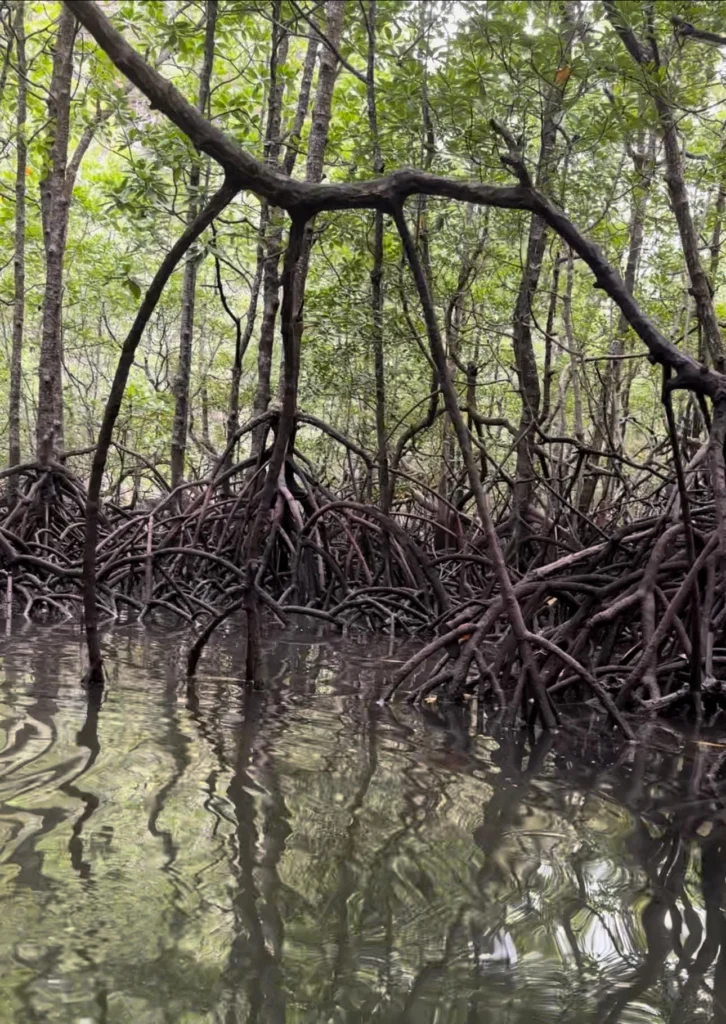
Tidal flats, the muddy reaches of estuaries unveiled at low tide, support rich ecosystems and fisheries worldwide. But these habitats are under threat from climate change, as sea level rise overwhelms the landscape and heavy rainfall scours away the sediment – impacts that scientists are only just beginning to explore. In an effort to understand how shellfisheries are affected by climate change, a ...[Read More]
GeoTalk: meet Christina Orieschnig, hydrologist and science communicator!
Hello Christina! Welcome to GeoTalk. Before we dive in, could you introduce yourself to our readers? Hey everyone! I’m a researcher at the Institut de Recherche pour le Développement (IRD) in Montpellier in the South of France. For my work, I specialise in remote sensing and hydrological modelling, with study areas in Cambodia, Tunisia, and France. At EGU, I’m also the outgoing Early Career Scient ...[Read More]