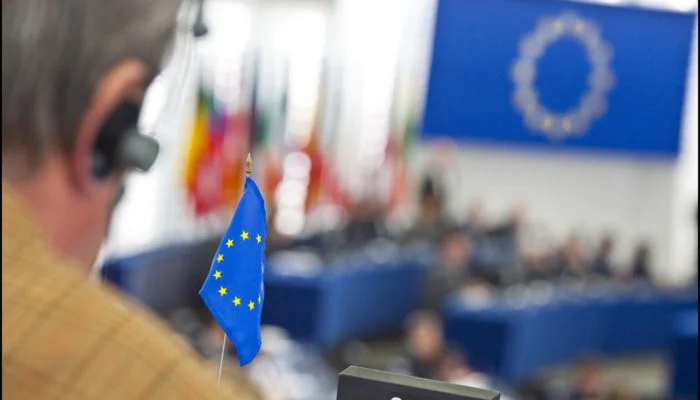
Internships and traineeships are a great way to gain a better understanding of the political system and how policymakers use scientific evidence! This month’s GeoPolicy Blog post highlights various European-based opportunities that researchers can apply for. Understanding Europe’s political landscape and the information that policymakers need to make evidence-informed decisions is one of the most ...[Read More]
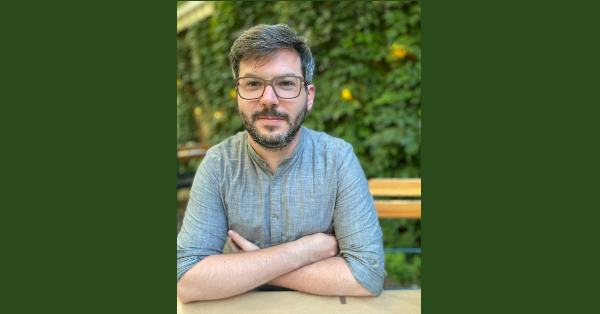
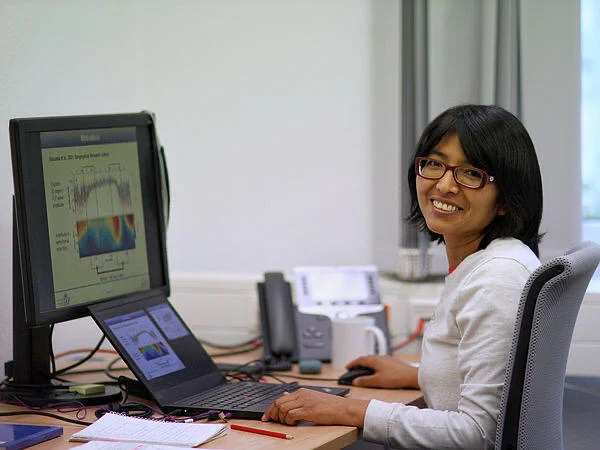
GeoTalk: meet Andreas Kvas, researcher of Earth’s gravity affected by climate change!
Hello Andreas. Welcome to GeoTalk! You’re a specialist in Geodesy, and your research surveys the Earth’s spatial and gravitational properties as they relate to climate change. Could you tell us more about how Geodesy can help us understand climate change? Geodesy studies Earth’s geometric shape, orientation in space, and gravity field. Each of these components changes in time and is af ...[Read More]
Biosphere Reserves: What are they and why must we care for them?
Today, 3 November, is globally recognized as the International Day for Biosphere Reserves. The first edition of this observance day was marked last year, with UNESCO urging our relationship with nature needed “a radical rethink.” As Audrey Azoulay, Director-General of UNESCO explains, “The logic is simple: to improve our relationship with nature, we must first improve our understanding of how we a ...[Read More]
Swamps may be considered spooky, but is there more than meets the eye?
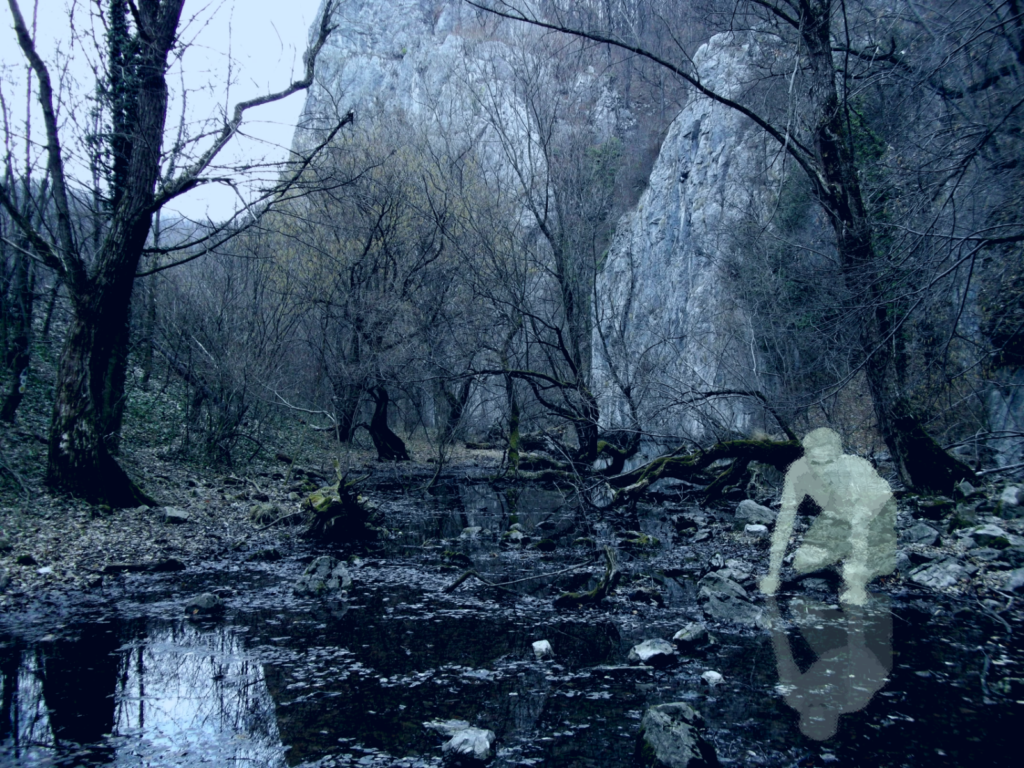
Swamps are spooky. This is the prevailing notion from the depiction of wetlands – the saturated lands of swamps, bogs, and fens – in the media. From the folktales of Will-o’-the-Wisps guiding travellers astray to the many, many swamp monsters of Scooby Doo, the sign is clear: a scrawled “stay away from here” thrust deep in the mud, writ by centuries of storytellers. As a reputation it’ ...[Read More]
GeoPolicy: From research to regulation – unpacking the EU Soil Directive
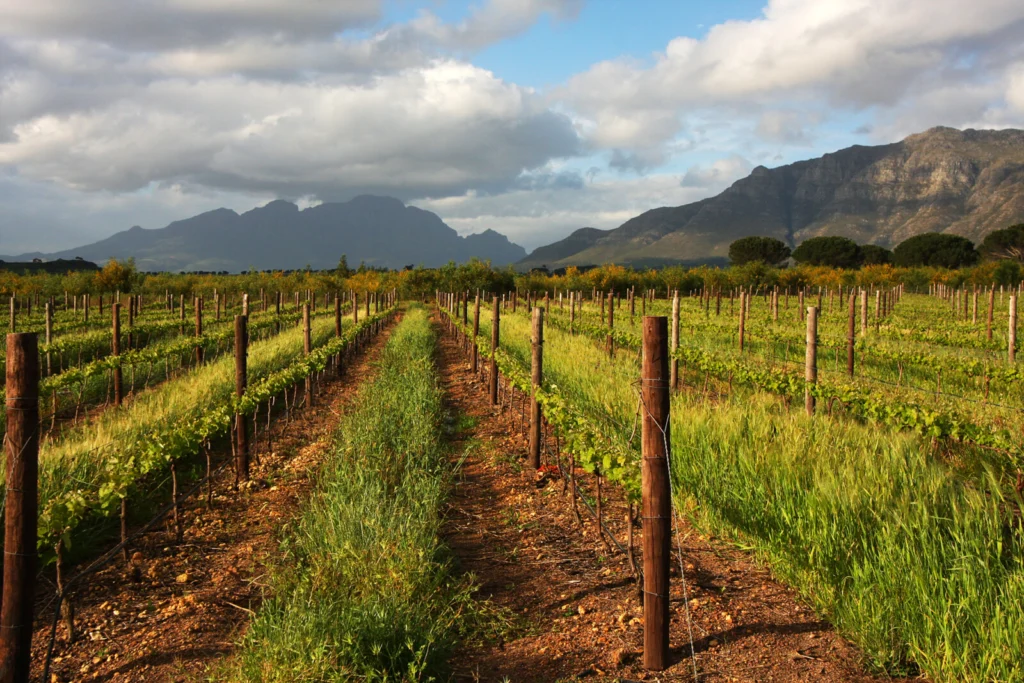
This month’s GeoPolicy Blog post unpacks the Directive on Soil Monitoring and Resilience, it’s impacts from research to regulation and how scientists can get involved with it. It can be challenging for scientists to understand and engage with the European policymaking process. The intricacies and nuances of the legislative process, with its numerous institutions, committees, and political pr ...[Read More]
GeoTalk: Meet Liliana Macotela, researcher of radio waves at the Earth-Space boundary & Solar-Terrestrial ECS Representative!
Hi Liliana. Welcome to GeoTalk! Can you tell us a bit about yourself and your background? Hi, I was born in the highlands in Peru. This gave me the advantage of living more in contact with nature. Since I remember, I was fascinated about the shape of the clouds, the sounds of the wind in the mountains or trees, the sounds of the rain and what they do to our surrounding; the lightning flashes and t ...[Read More]
International Archaeology Day: Challenging stereotypes about migration
Discoveries like excavations of prehistoric civilizations, shipwrecks with long-lost treasures, forgotten cities, and ancient tombs and temples, paint a vivid picture of archaeology and human history. Yet understanding how cultures evolved is often a more laborious process focused on prosaic finds; pottery shards, tools, implements, skeletal remains, art, inscriptions, pollen or soil samples, amon ...[Read More]
Far over the Misty Mountains cold, to dungeons deep and caverns old: the geology of the Lord of the Rings.
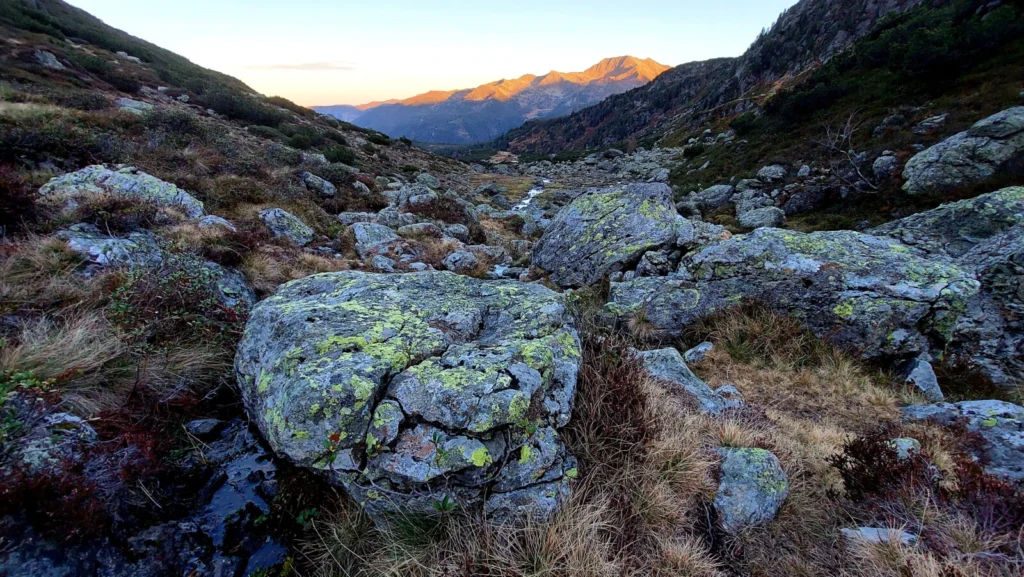
“He loved mountains, or he had loved the thought of them marching on the edge of stories brought from far away; but now he was borne down by the insupportable weight of Middle-earth.” J.R.R. Tolkien (1955) Return of the King ‘The Lord of the Rings‘ by J.R.R. Tolkien is one of the most famous english-language fantasy book series’ ever written. It set the blueprint for ...[Read More]
Researchers share insights from first-of-its-kind ice loss study of Antarctic Ice Sheet
Hi Ronja and Emily, thank you for agreeing to doing this interview. Could you tell us briefly about your background and how you came to research your field? Emily: I have an environmental science/physical geography background and I have been working with an ice sheet model during and after my PhD to understand how glaciers and ice streams in Greenland and Antarctica may respond to climatic changes ...[Read More]
GeoTalk: meet Nazimul Islam, Dendrochonrologist and Climate ECS Representative!
Hi Naz. Thanks for joining us for this edition of GeoTalk! How did you get into studying tree rings? Hello, thank you for inviting me! Well there is an interesting story behind this so let me share it with you. I was always fascinated by our natural environment, particularly mountains, glaciers, and rivers. That motivated me to study Geography for my Bachelor and Master Degrees. For my MSc dissert ...[Read More]