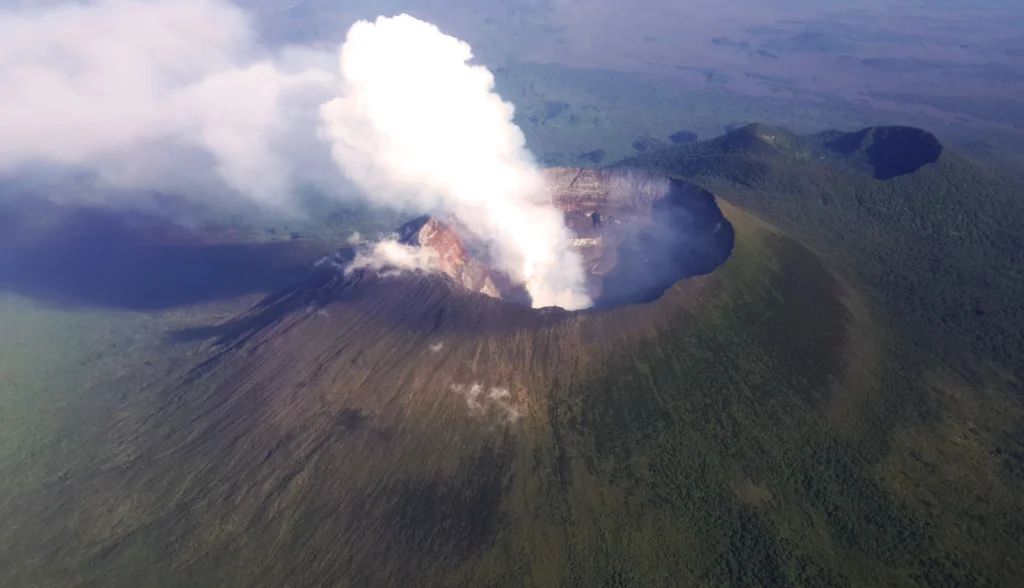
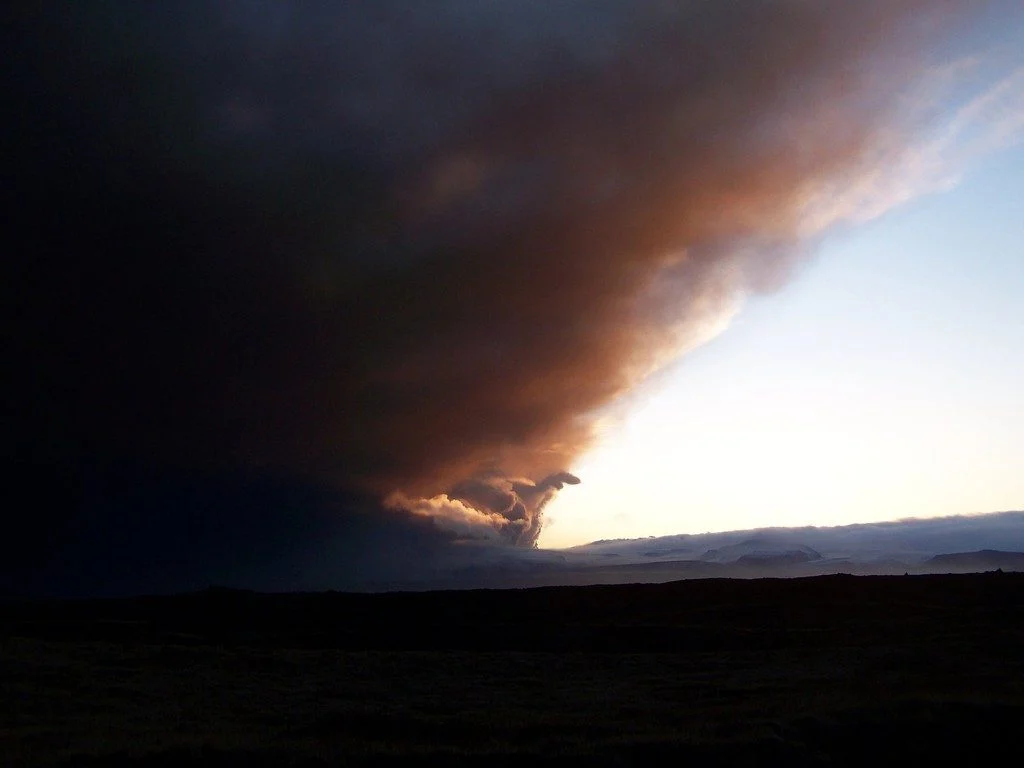
When volcanoes erupt, they can release into the atmosphere a number of different gases initially stored in their magma, such as carbon dioxide, hydrogen sulfide, and sulfur dioxide. These kinds of gases can have a big influence on Earth’s atmosphere, even at distances hundreds to thousands of kilometres away. A team of researchers have found evidence that sulfur emissions from volcanic eruptions i ...[Read More]
Natural Hazards
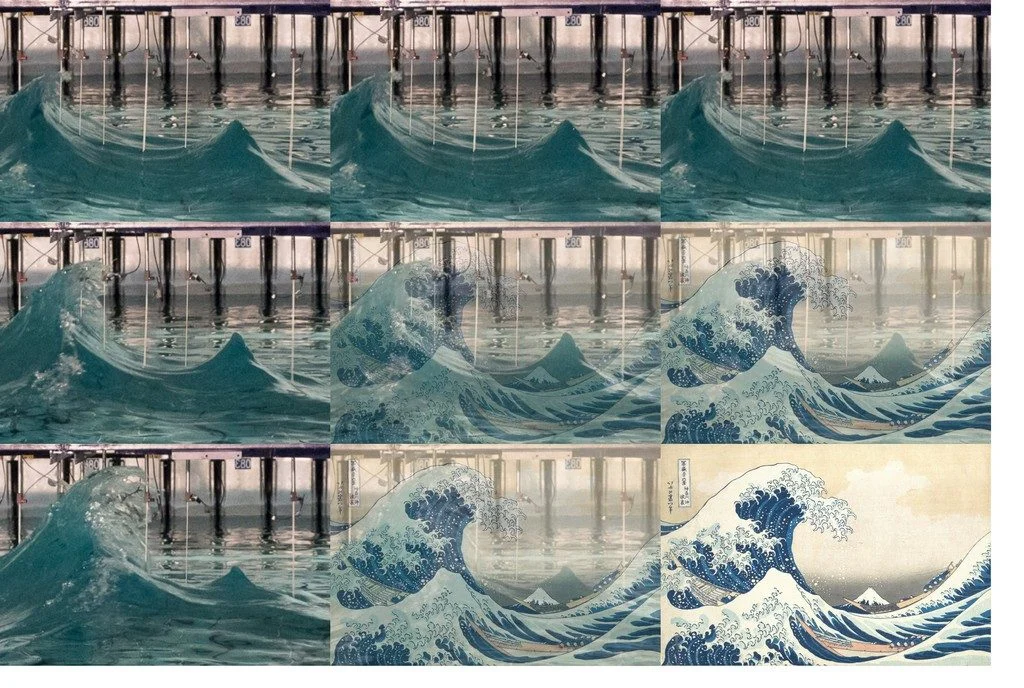
Imaggeo on Mondays: Recreating monster waves in art and science
Featured in this blog post is a collection of images that gives a picture-perfect example of life imitating art. The photos in the left column are three consecutive still frames of a breaking wave that scientists generated in a lab environment at the University of Edinburgh in the UK. The pictures in the centre and right columns show the same wave images, but now superimposed with the famous 19th ...[Read More]
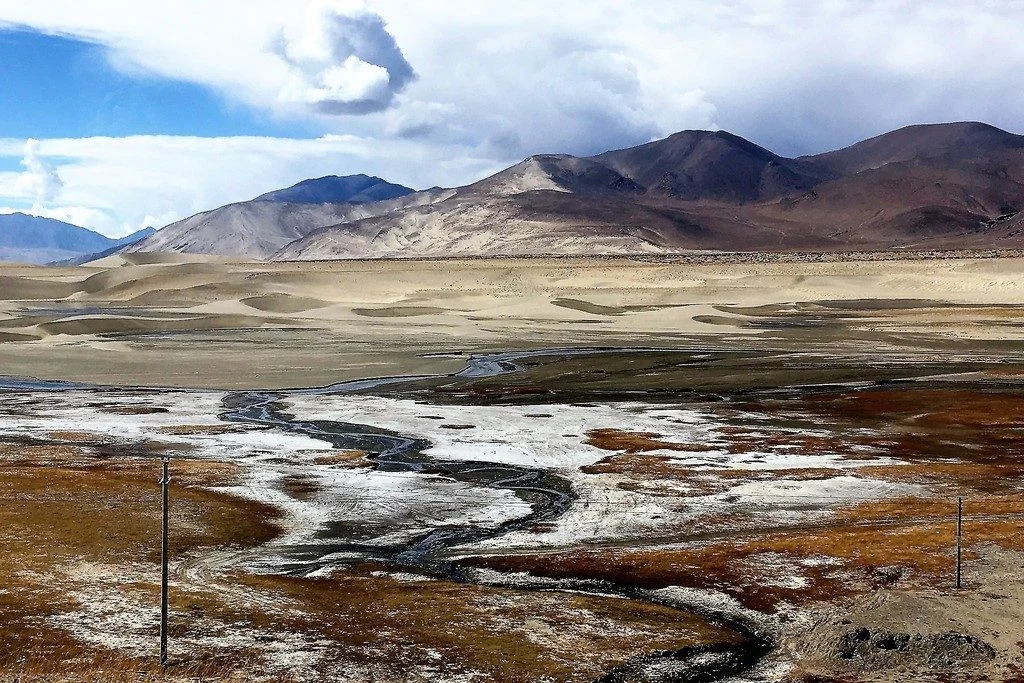
Imaggeo on Mondays: Sand and snow on the Tibetan Plateau
Roughly 50 million years ago, the Eurasian and Indian continental plates began to crash into each other, dramatically changing the landscape of modern-day Asia. The force of the collision caused the Earth to scrunch together at the zone of impact, subsequently forming the Himalayan mountain range. However, to the north of the crash, a stretch of the Earth uplifted without bunching up or wrinkling; ...[Read More]
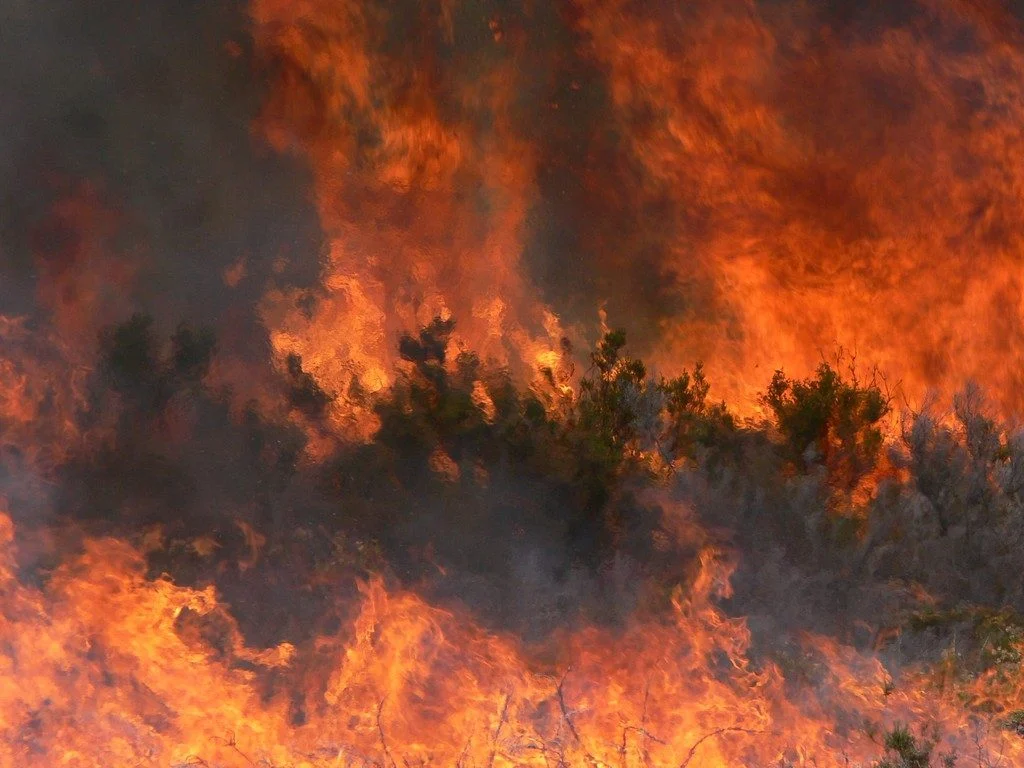
Imaggeo on Mondays: A painted forest fire
This week’s featured image may appear to be a painted landscape, but the picture is in fact a photo, taken ten years ago by Victoria Arcenegui, an associate professor at Miguel Hernández University in Spain, during a controlled forest fire in northern Portugal. The blaze is actually hot enough to distort the image, making some of the flames appear as brush strokes, beautifully blurring together th ...[Read More]
April GeoRoundUp: the best of the Earth sciences from the 2019 General Assembly
The EGU General Assembly 2019 took place in Vienna last month, drawing more than 16,000 participants from 113 countries. This month’s GeoRoundUp will focus on some of the unique and interesting stories that came out of research presented at the Assembly! Major Stories Glacial disappearing act in the European Alps New research from a team of scientists estimated the future of all glaciers within th ...[Read More]
Groundwater springs harbour hidden viruses
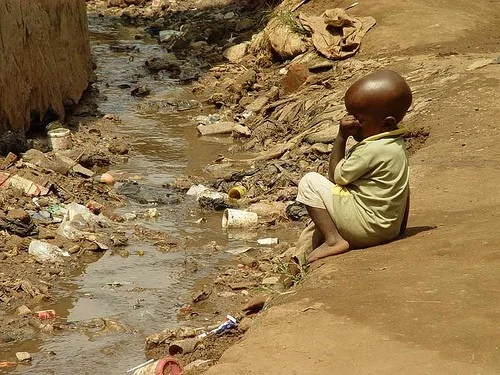
In many parts of Sub-Saharan Africa, groundwater springs are a vital, precious source of water. They are also a reservoir of disease. Research presented at the European Geosciences Union General Assembly in Vienna reveals that groundwater reservoirs in Ghana, Tanzania and Uganda contain diverse communities of viruses – including those that present a risk to human health. The work, carried out by I ...[Read More]
GeoPolicy: Science for Policy at the 2019 General Assembly!
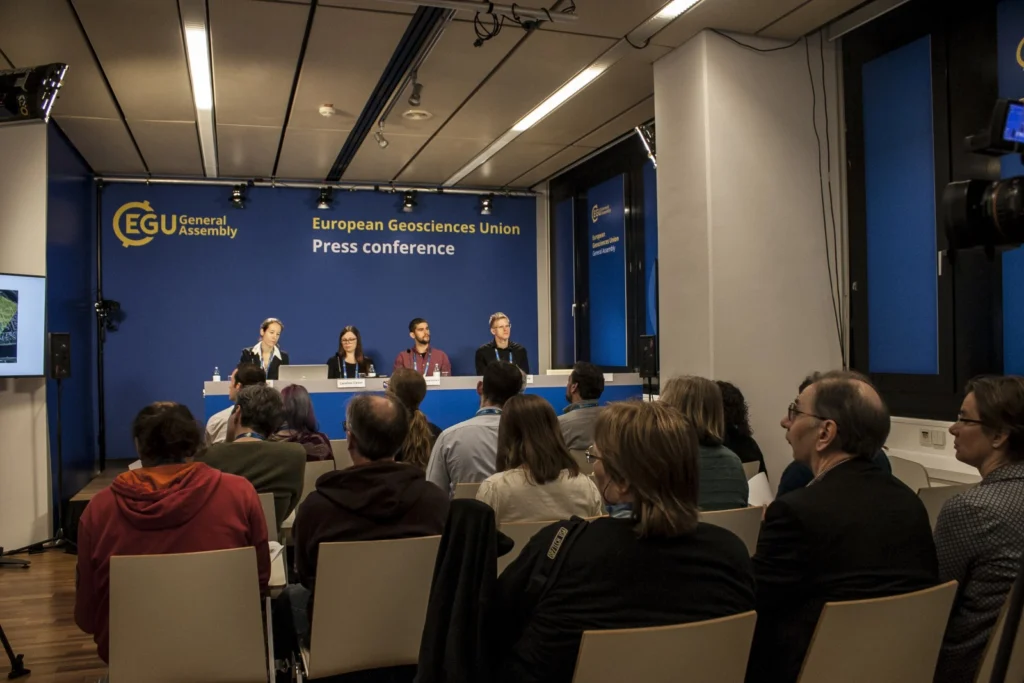
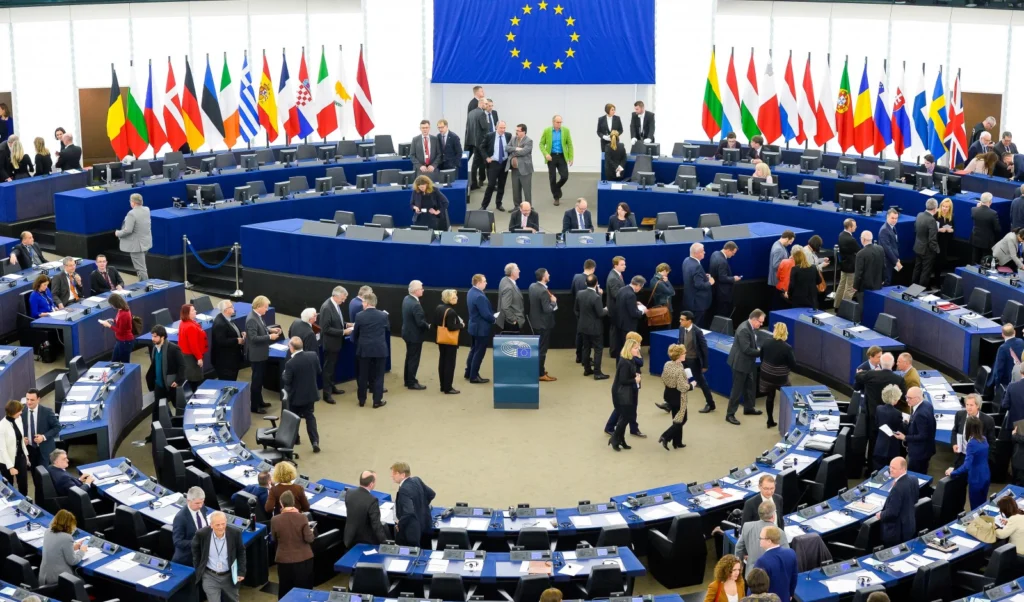
The EGU General Assembly is the largest geoscience meeting in Europe. Not only does it have a diverse array of sessions that you can attend within your own area of expertise but there are also thousands of sessions that will be outside of your research field, as well as sessions on topics that can be applied to a wide range of scientific divisions, jobs and industries – such as science for p ...[Read More]
GeoPolicy: COP24 – key outcomes and what it’s like to attend
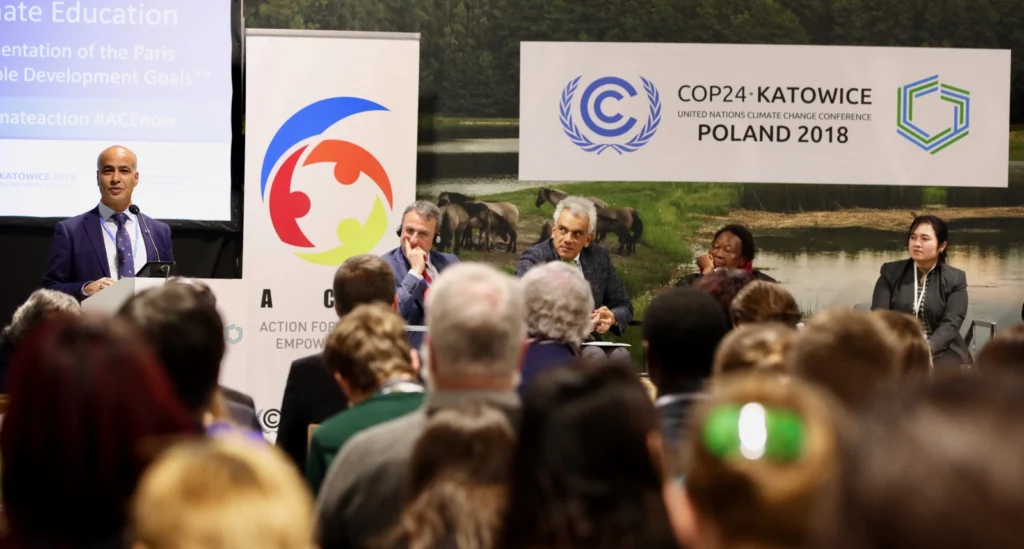
Earlier this month, the 24th Conference of the Parties (COP24), was held in Katowice, Poland. COPs are held annually and provide world leaders, policy workers, scientists and industry leaders with the opportunity to negotiate and determine how best to tackle climate change and reduce emissions on a global level. With so much at stake, these negotiations can be tense. Some COPs see more action tha ...[Read More]
Looking back at the EGU Blogs in 2018: a competition
The past 12 months has seen an impressive 382 posts published across the EGU’s official blog, GeoLog, as well as the network and division blogs. From an Easter-themed post on the convection of eggs, features on mental health in academia, commentary on the pros and cons of artificial coral reefs, advice on presenting research at conferences, through to a three-part “live-series” on the ...[Read More]
Imaggeo on Mondays: The ash cloud of Eyjafjallajökull approaches
This photo depicts the famous ash cloud of the Icelandic volcano Eyjafjallajökull, which disrupted air traffic in Europe and over the North Atlantic Ocean for several days in spring 2010. The picture was taken during the initial phase of the eruption south of the town of Kirjubæjarklaustur, at the end of a long field work day. Visibility inside the ash cloud was within only a few metres. The erupt ...[Read More]