Geotalk is a regular feature highlighting early career researchers and their work. In this interview we speak to Matthias Vanmaercke, an associate professor at the University of Liège in Belgium who studies soil erosion and land degradation across Europe and Africa. At the EGU General Assembly he received the 2018 Soil System Sciences Division Outstanding Early Career Scientists Award. Thanks for ...[Read More]
Natural Hazards
June GeoRoundUp: the best of the Earth sciences from around the web
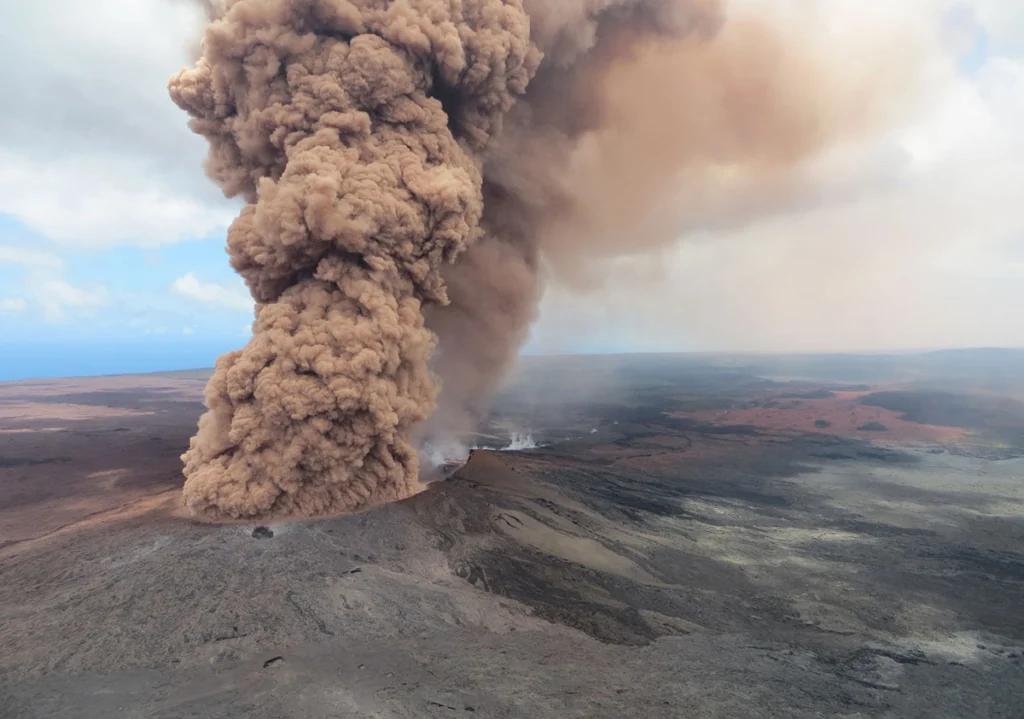
Drawing inspiration from popular stories on our social media channels, as well as unique and quirky research news, this monthly column aims to bring you the best of the Earth and planetary sciences from around the web. Major story While May’s headlines may have been dominated by the Kilauea Volcano’s recent eruption in Hawaii, the science news world directed its attention to another volcanic ev ...[Read More]
Geosciences Column: Landslide risk in a changing climate, and what that means for Europe’s roads
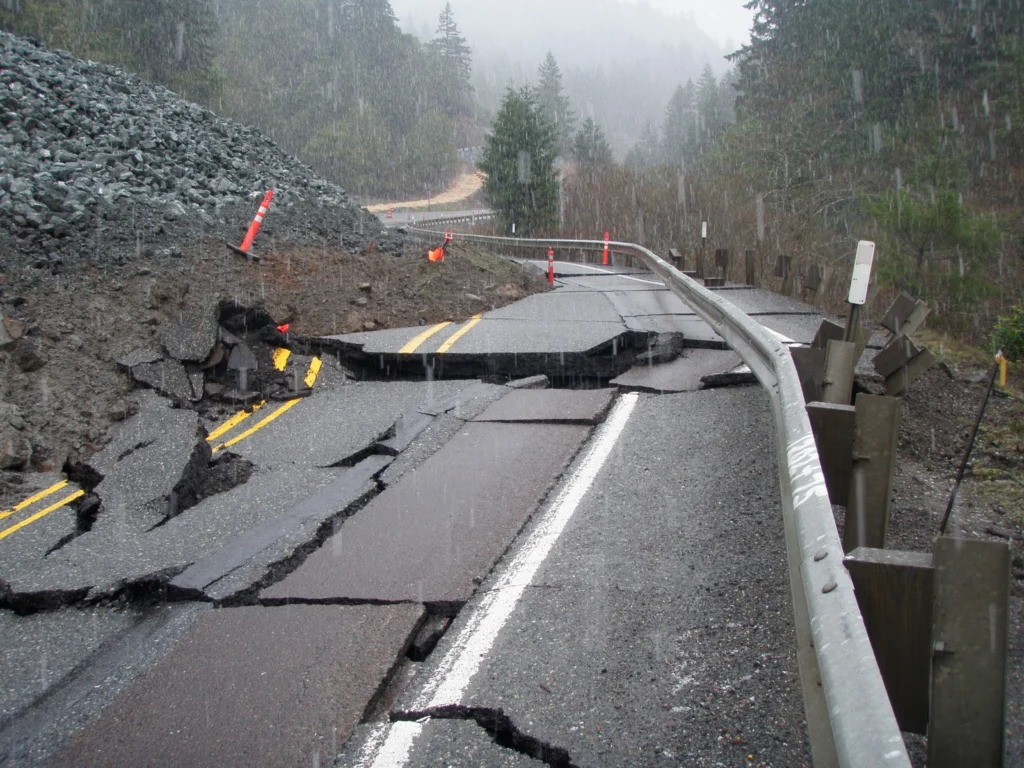
If your morning commute is already frustrating, get ready to buckle up. Our climate is changing, and that may increasingly affect some of central Europe’s major roads and railways, according to new research published in the EGU’s open access journal Natural Hazards and Earth System Sciences. The study found that, in the face of climate change, landslide-inducing rainfall events will increase in fr ...[Read More]
Imaggeo on Mondays: Hints of an eruption
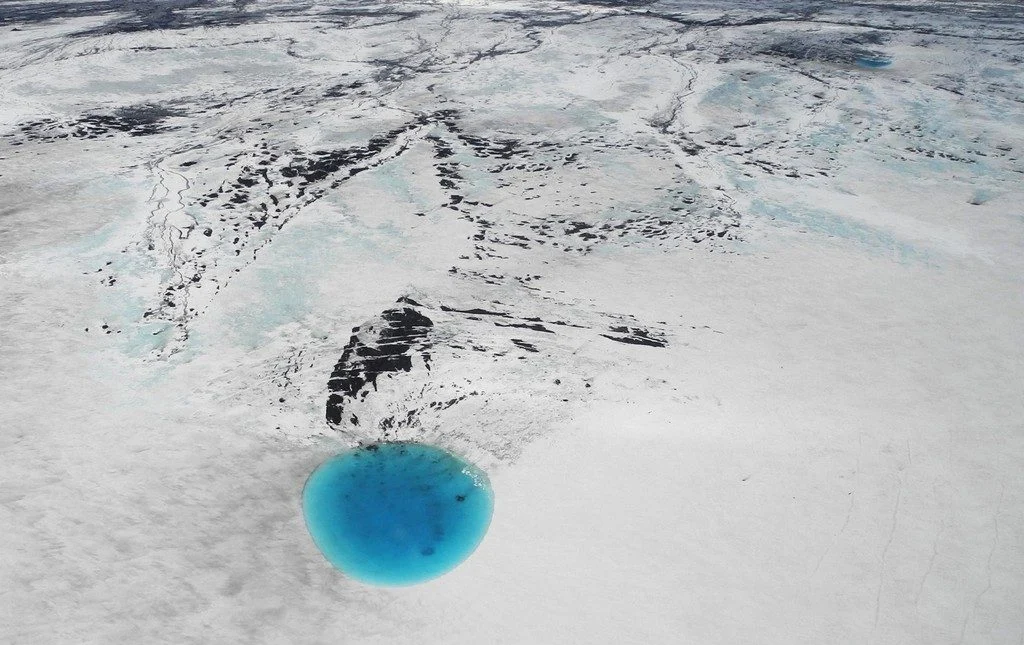
The photograph shows water that accumulated in a depression on the ice surface of Vatnajökull glacier in southeastern Iceland. This 700m wide and 30m deep depression [1], scientifically called an ‘ice cauldron’, is surrounded by circular crevasses on the ice surface and is located on the glacier tongue Dyngjujökull, an outlet glacier of Vatnajökull. The photo was taken on 4 June 2016, less than 22 ...[Read More]
May GeoRoundUp: the best of the Earth sciences from around the web
Drawing inspiration from popular stories on our social media channels, as well as unique and quirky research news, this monthly column aims to bring you the best of the Earth and planetary sciences from around the web. Major Story This month the Earth science media has directed its attention towards a pacific island with a particularly volcanic condition. The Kilauea Volcano, an active shield volc ...[Read More]
Imaggeo On Mondays: Reservoir in the Italian Alps
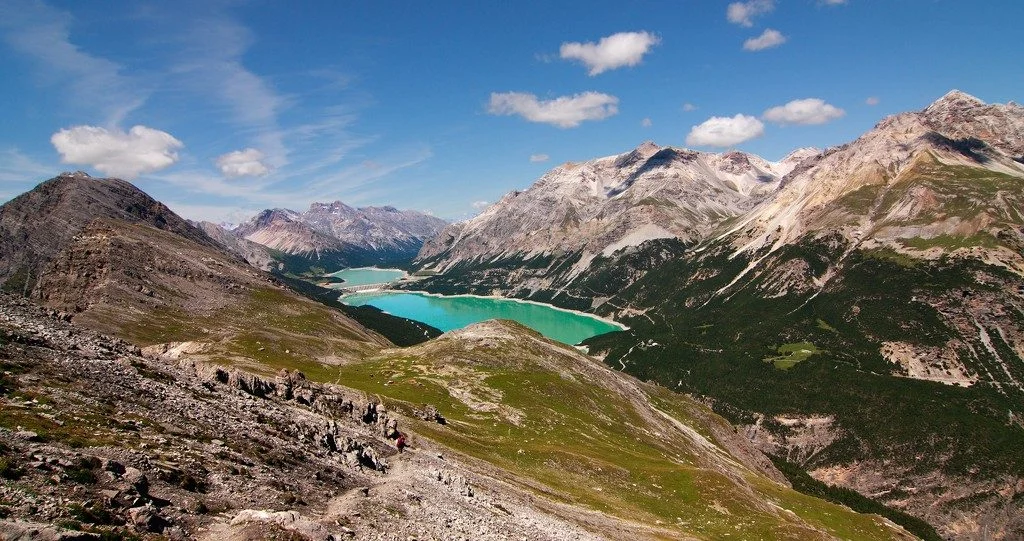
Mountain natural streams and reservoirs have a relevant hydrological and ecological importance since they represent reliable sources of freshwater supply to lowland regions and high-quality habitats for fish and cold-water communities. Moreover, streams in mountain environments are of significant importance for users in several socio-economic sectors, such as agriculture, tourism and hydropower. G ...[Read More]
Top ten tourist beaches threatened by tsunamis
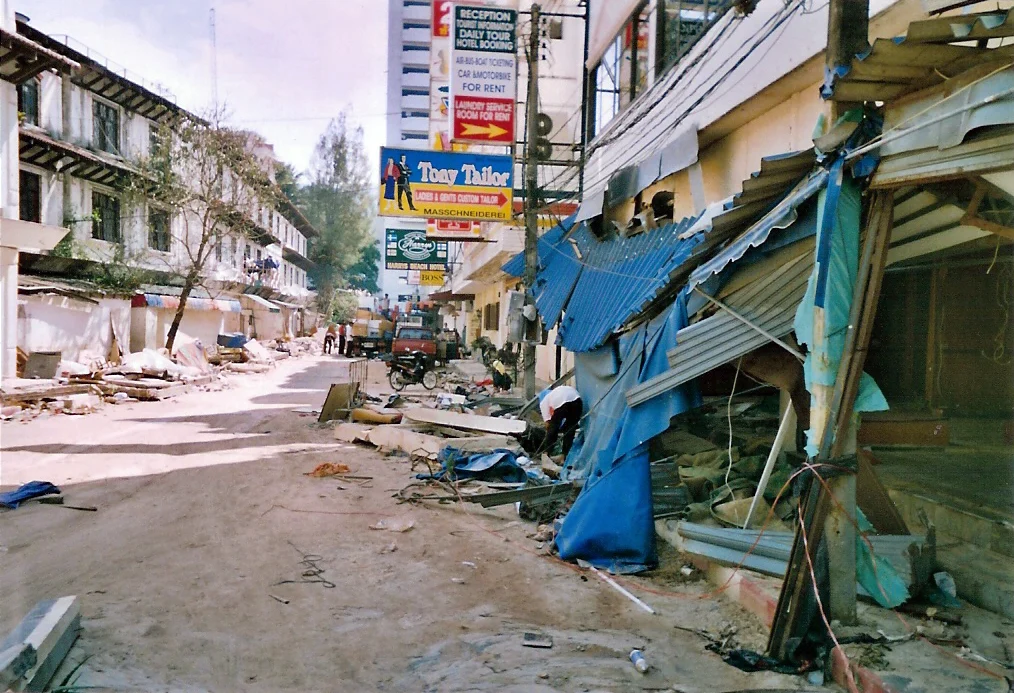
December 2004 saw one of the deadliest natural disasters in recorded history. 228,000 people were killed when an earthquake off the coast of the Indonesian island of Sumatra triggered tsunami waves up to 30 m high. The destruction was extreme as the waves hit 14 different countries around the Indian Ocean. Economic losses totalled over 10 billion US dollars. The tourism industry in particular suff ...[Read More]
Geosciences Column: Extreme snowfall potentially worsened Nepal’s 2015 earthquake-triggered avalanche
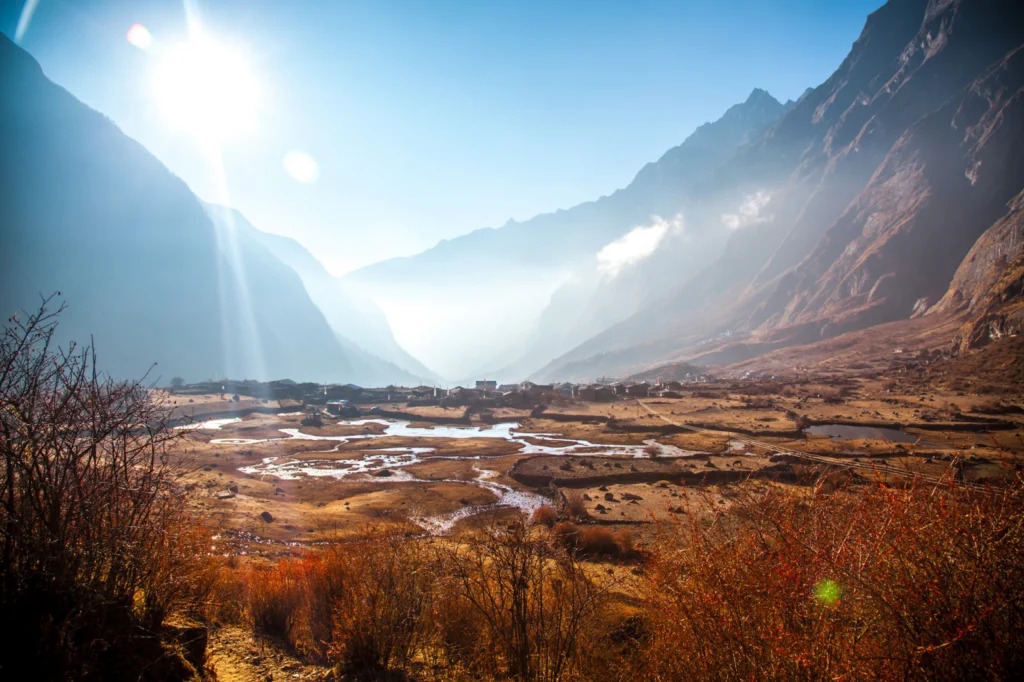
Three years ago, an earthquake-induced avalanche and rockfalls buried an entire Nepalese village in ice, stone, and snow. Researchers now think the region’s heavy snowfall from the preceding winter may have intensified the avalanche’s disastrous effect. The Langtang village, just 70 kilometres from Nepal’s capital Kathmandu, is nestled within a valley under the shadow of the Himalayas. The town wa ...[Read More]
Wildfires in the wake of climate change
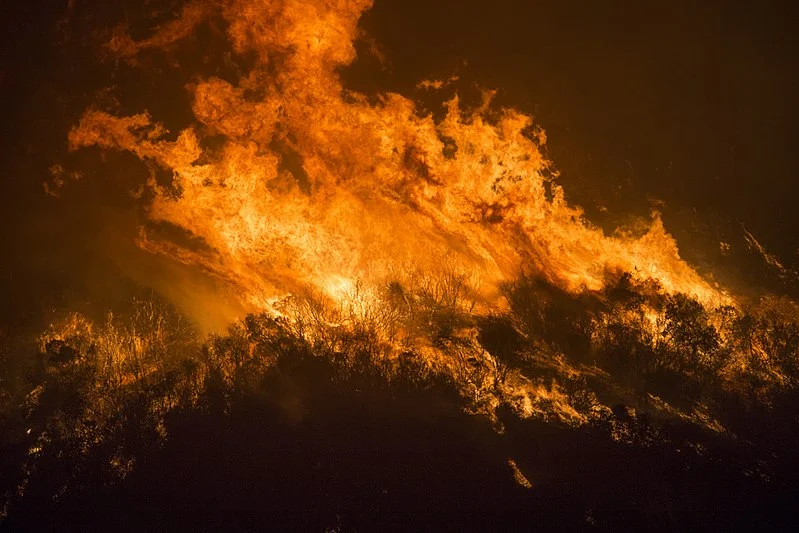
Last year saw some of the biggest blazes in history, and may be a sign of things to come. 2017 was a record year for wildfires. California and neighboring western states saw the most destructive fire in US history, with an estimated 18 billion dollars worth of damage over the season. In central Portugal, fires caused 115 deaths over the same period. Researchers presenting at a press conference at ...[Read More]
A flood of attention: extreme weather and digital media
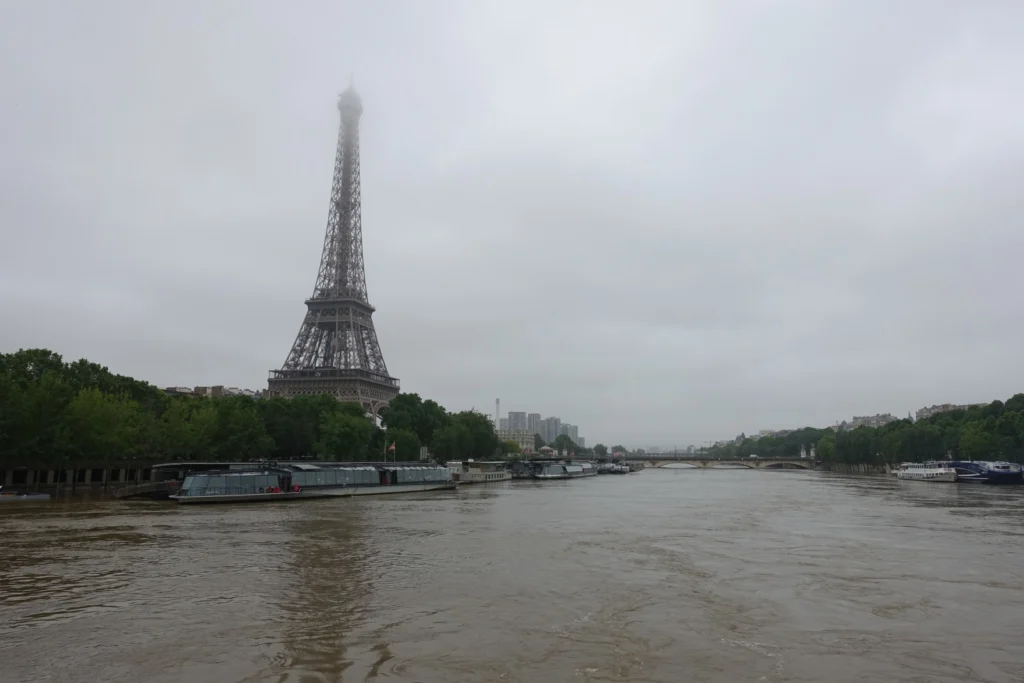
In June 2016, Paris was transformed. The River Seine burst its banks, submerging some of the nearby roads; floodwater lapped at the tops of street lamps and traffic lights. The event marked the the worst flooding in Paris for more than 30 years. When a flood event hits a major city, numerous researchers are keen to collect data for their work. However, Rosa Vicari, a PhD student at the the École d ...[Read More]