GeoLog

Natural Hazards

GeoPolicy: COP23 – key updates and outcomes
GeoPolicy: COP23 – key updates and outcomes
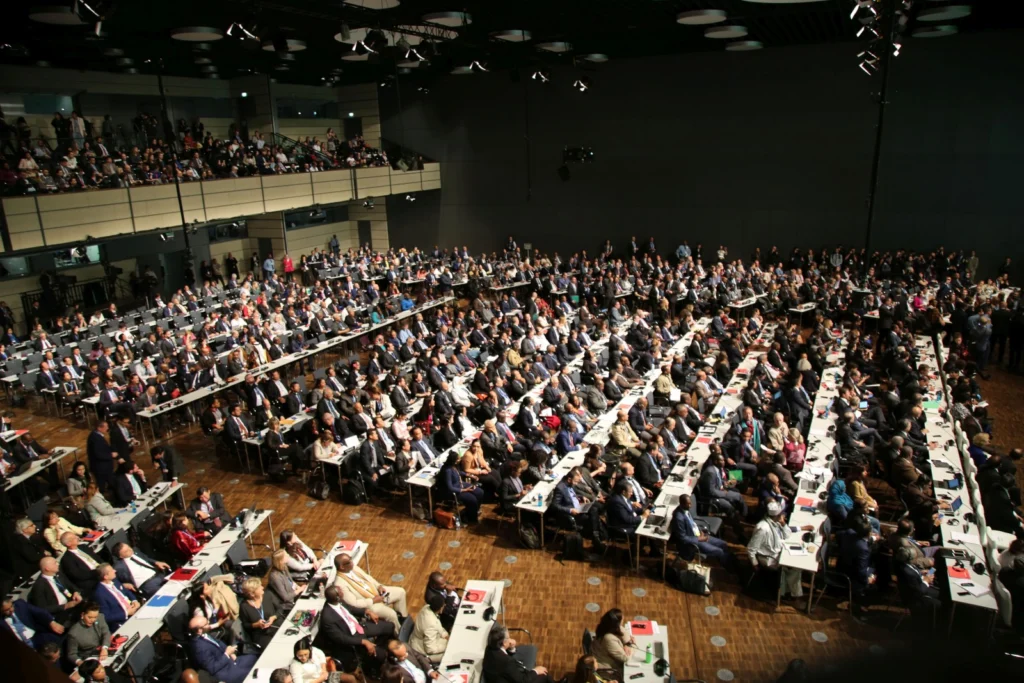
What is COP23? Anthropogenic climate change is threatening life on this planet as we know it. It’s a global issue… and not one that is easily solved. The Conference of the Parties (COP) provides world leaders, policy workers, scientists and industry leaders with the space to share ideas and decide on how to tackle climate change and generate global transformative change. COP23 will predominantly f ...[Read More]

October GeoRoundUp: the best of the Earth sciences from around the web

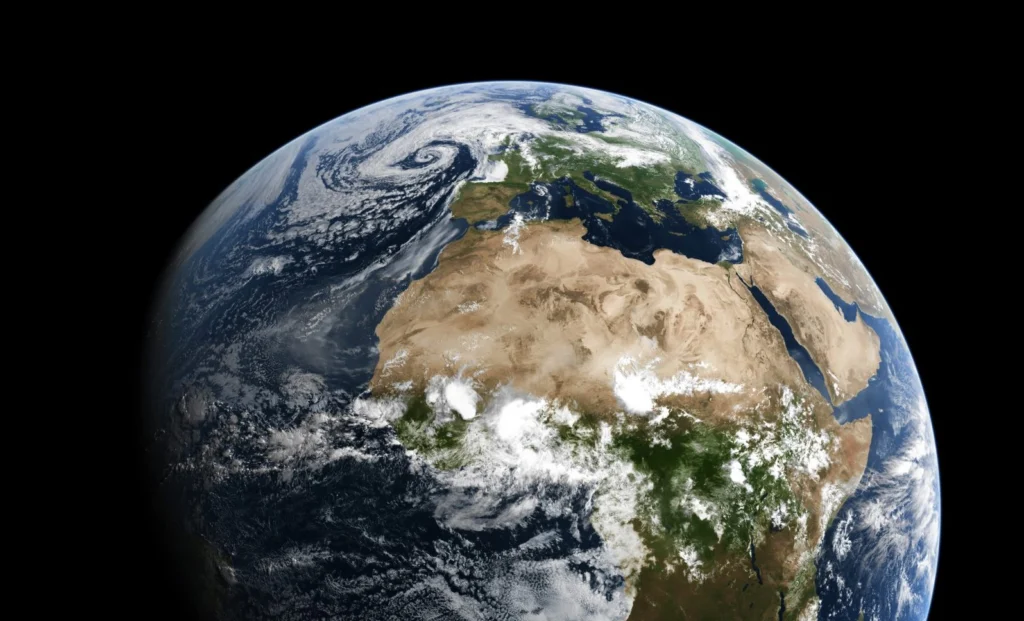
Display "Following Carbon Dioxide Through the Atmosphere" from YouTube Click here to display content from YouTube. Learn more in YouTube’s privacy policy (opens in a new tab). Please enable JavaScript in your browser to load this content. Always display content from YouTube Open "Following Carbon Dioxide Through the Atmosphere" directly Carbon dioxide plays a significant role i ...[Read More]

Imaggeo on Mondays: Magnetic interaction

Imaggeo on Mondays: Magnetic interaction

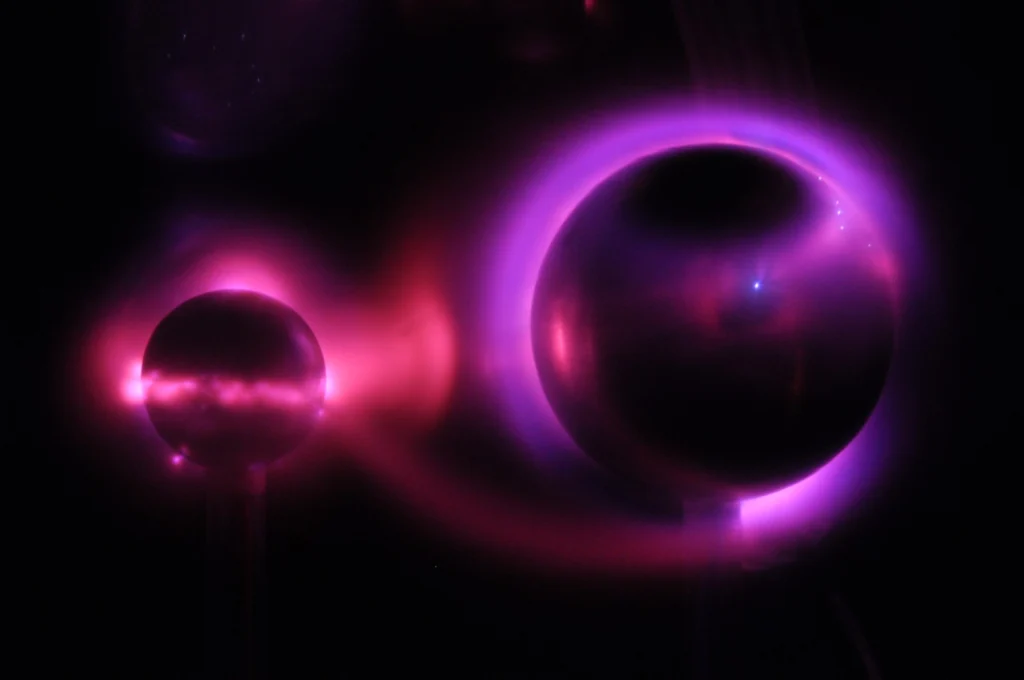
Space weather is a ubiquitous, but little known, natural hazard. Though not as tangible as a volcanic eruption, storm or tsunami wave, space weather has the potenital to cause huge economic losses across the globe. In Europe alone, the interaction of solar wind with our planet’s magnetosphere, ionosphere and thermosphere, could lead to disrutions to space-based telecommunications, broadcasti ...[Read More]

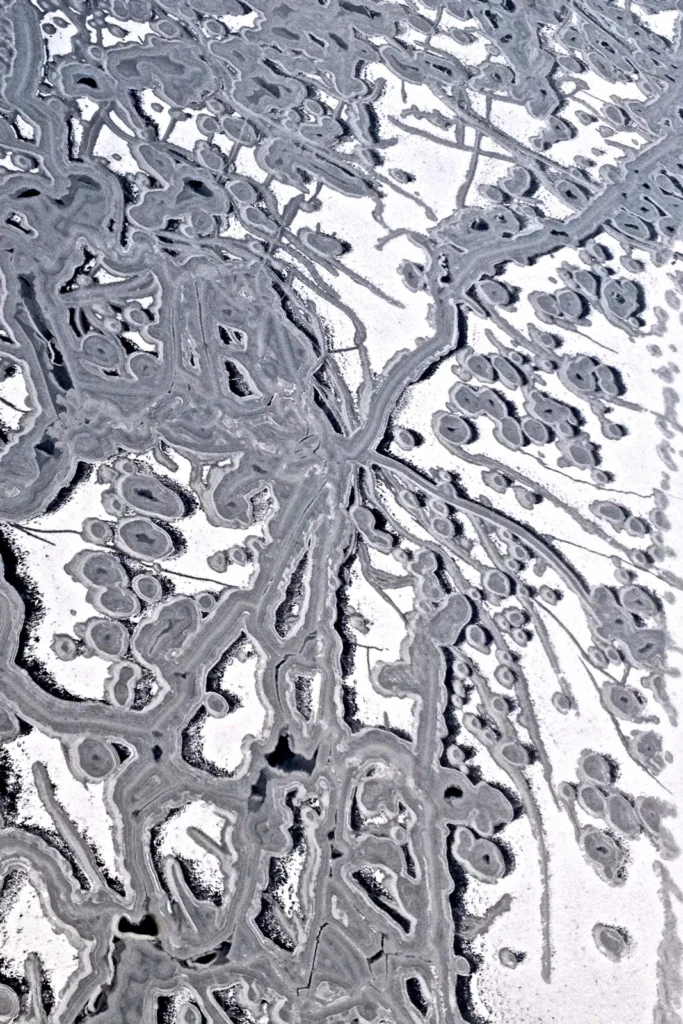
Imaggeo on Mondays: Ice forming on Chesapeake Bay

Imaggeo on Mondays: Ice forming on Chesapeake Bay

Sandwiched between the U.S states of Mayland, Delaware, Pennsylvania, New York State, the District of Columbia and Virginia, lies Chesapeake Bay, the largest estuary in North America. It is of huge ecological importance: “the bay, its rivers, wetlands and forests provide homes, food and protection for countless animals and plants”, says the Chesapeake Bay Program. Up to 150 major rivers and stream ...[Read More]

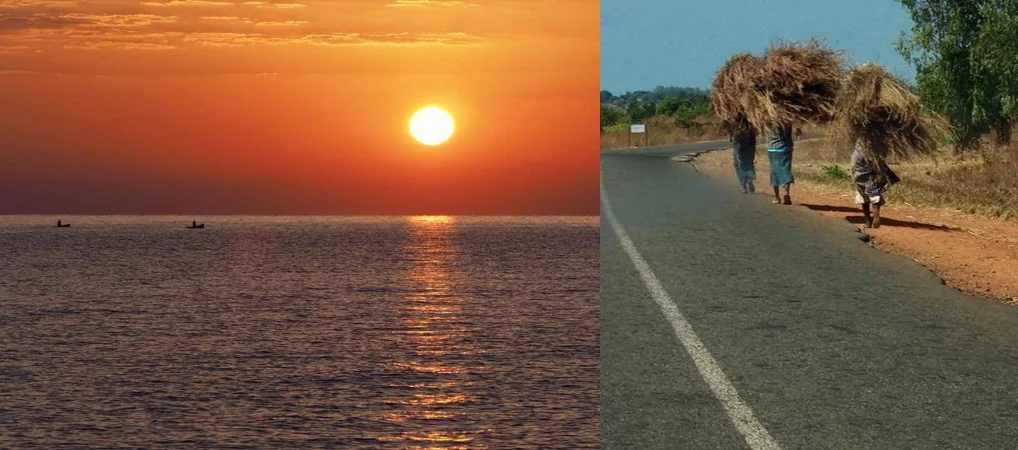
Malawi High School Teacher’s Workshop on Natural Hazards

Malawi High School Teacher’s Workshop on Natural Hazards

In July 2017, Professor Bruce Malamud and Dr Faith Taylor from King’s College London travelled to Mzuzu, Malawi to work in collaboration with Mr James Kushe from Mzuzu University, Malawi. They delivered an EGU funded workshop at Mzuzu University to high school teachers on natural hazards, with major funding provided by EGU, and also supported by Urban ARK and Mzuzu University. Faith and Bruce expl ...[Read More]

September GeoRoundUp: the best of the Earth sciences from around the web

September GeoRoundUp: the best of the Earth sciences from around the web

Drawing inspiration from popular stories on our social media channels, as well as unique and quirky research news, this monthly column aims to bring you the best of the Earth and planetary sciences from around the web. Major story and what you might have missed This month has been an onslaught of  Earth and space science news; the majority focusing on natural hazards. Hurricanes, earthquakes and v ...[Read More]

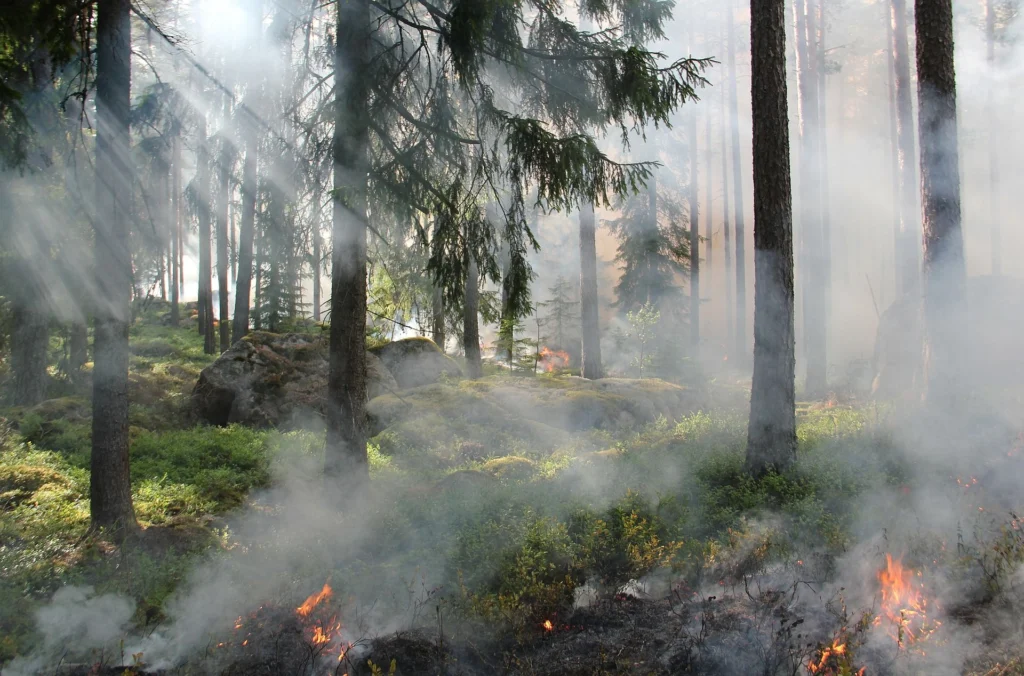
Record-setting forest fires in 2017 – what is to blame?

Record-setting forest fires in 2017 – what is to blame?

Forest fires have once again seized the public consciousness in both Europe and North America. Extreme drought and temperatures contributed to a tinderbox in many forests, and have led to deadly fires across Europe and record-breaking, highly disruptive fires in the USA and Canada, from where I’m currently writing. A simple way to understand fire is by thinking about the fire triangle – the three ...[Read More]

GeoTalk: The anomaly in the Earth’s magnetic field which has geophysicists abuzz

GeoTalk: The anomaly in the Earth’s magnetic field which has geophysicists abuzz

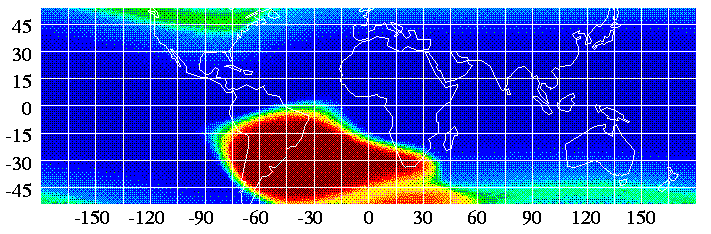
Geotalk is a regular feature highlighting early career researchers and their work. In this interview we speak to Jay Shah, a PhD student at Imperial College London, who is investigating the South Atlantic Anomaly, a patch over the South Atlantic where the Earth’s magnetic field is weaker than elsewhere on the globe. He presented some of his recent findings at the 2017 General Assembly. First, coul ...[Read More]

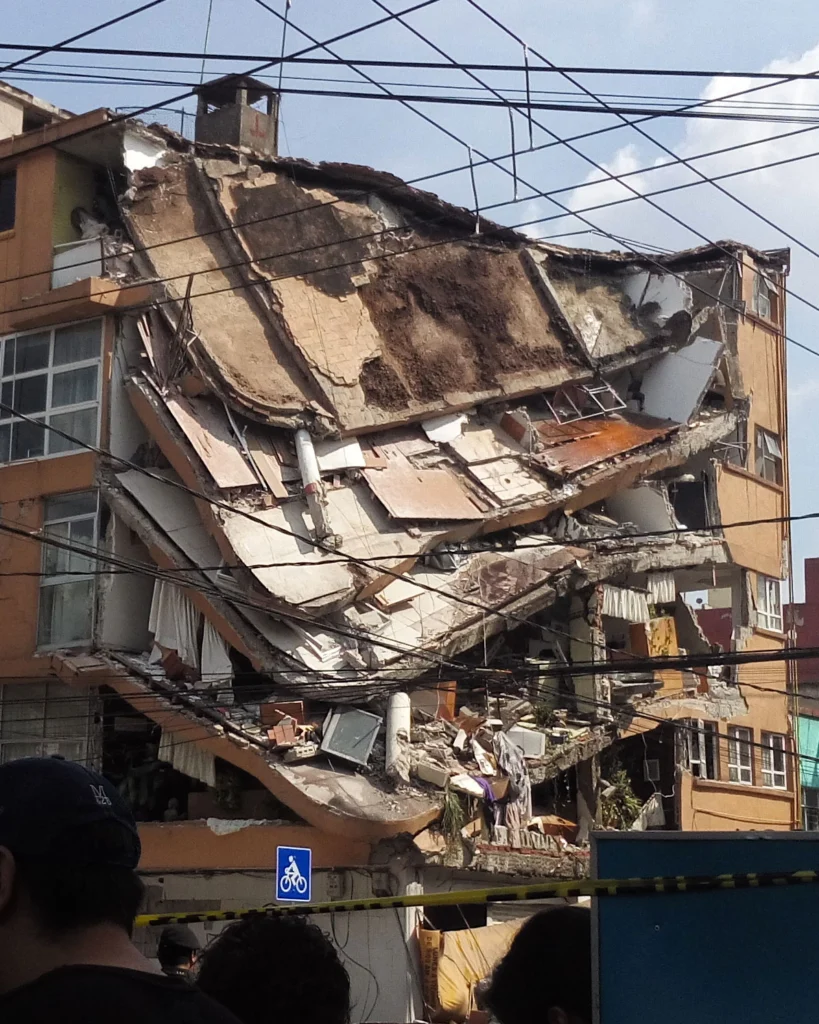
Mexico earthquakes: What we know so far

Mexico earthquakes: What we know so far

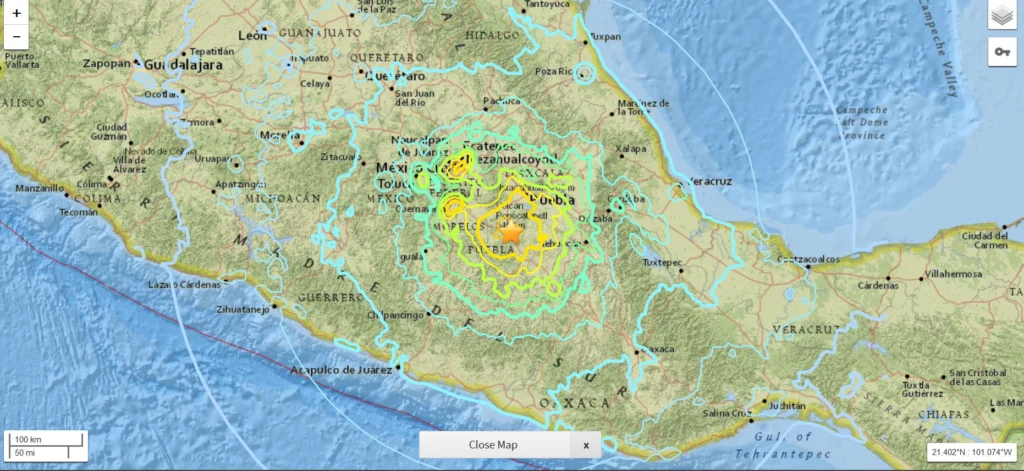
On Friday 8 September 2017 at 04:49 am UTC, a magnitude 8.1 earthquake hit off the coast of Mexico, 87 km SW of Pijijiapan. According to the U.S. Geological Survey, the epicentre was at 15.07 N, 93.72 W at a depth of about 69.7 km. Yesterday, another strong (magnitude 7.1) earthquake hit central Mexico, 55 km SSW of the city of Puebla and 120 km south of Mexico City. Despite the lower magnitude, y ...[Read More]

Educators: apply now to take part in the 2018 GIFT workshop!

Educators: apply now to take part in the 2018 GIFT workshop!

The General Assembly is not only for researchers but for teachers and educators with an interest in the geosciences also. Every year the Geosciences Information For Teachers (GIFT) is organised by the EGU Committee on Education to bring first class science closer to primary and high school teachers. The topic of the 2018 edition of GIFT is ‘Major events that shaped the Earth’. This year’s workshop ...[Read More]