GeoLog

Cryospheric Sciences

A chunk of ice the size of Amsterdam: how the calving of Greenland’s glaciers has changed since the 2010 Petermann Glacier event
A chunk of ice the size of Amsterdam: how the calving of Greenland’s glaciers has changed since the 2010 Petermann Glacier event
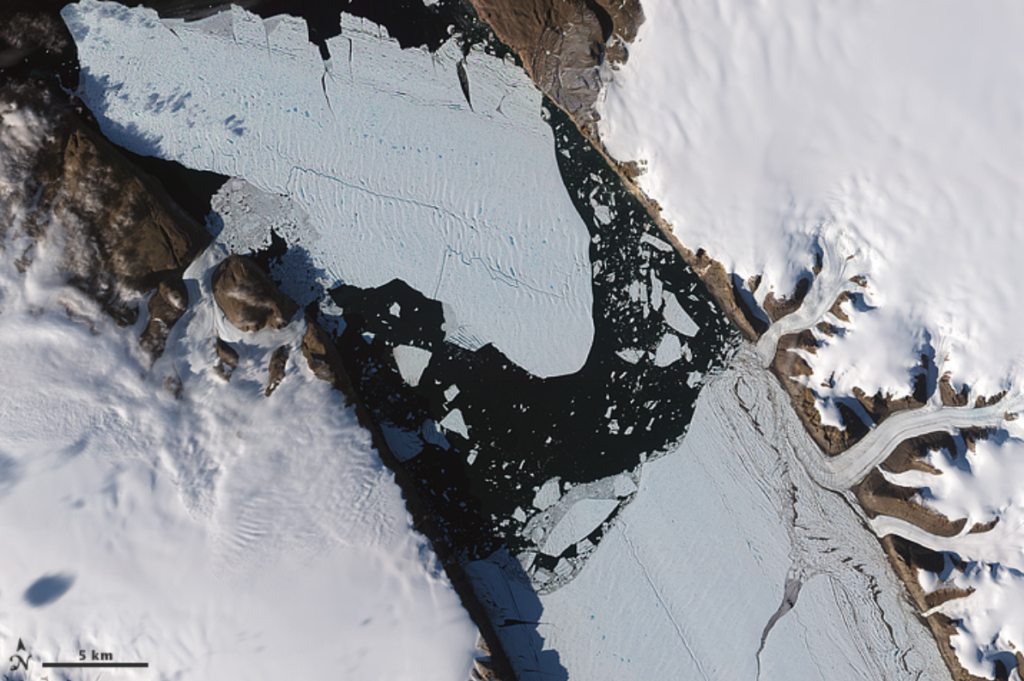
Thirteen years ago, a roughly 251 km2 chunk of ice (or 97 miles2) broke off Greenland’s Petermann Glacier. This Amsterdam-sized piece of ice was the largest to calve in the Arctic since 1962. The massive iceberg traversed the Nares Strait, which lies between Canada’s Ellesmere Island and Greenland, and into the northern part of Baffin Bay—the northwestern-most arm of the Atlantic Ocean, before eve ...[Read More]

Winners announced: Here are the best EGU Blog Posts of 2022!

Winners announced: Here are the best EGU Blog Posts of 2022!

As future-focused as we like to be at EGU, we sometimes pause to look back at the year gone by – just a brief glimpse to appreciate all the good work of 2022! As always, we had so many inspiring and thought-provoking blog posts published this year across the EGU’s official blog GeoLog and division blogs. Thank you to each of you for your writing contribution! To continue our annual appreciation fo ...[Read More]

GeoTalk: meet Francesco Avanzi, researcher in meltwater security!

Francesco Avanzi

Hi Francesco. Thanks for agreeing to this interview! To break the ice, could you tell our readers a bit about yourself and your research? Hey Simon! I’m an Italian hydrologist and earned a PhD at Politecnico di Milano with a dissertation on how snowmelt contributes to seasonal runoff. I then did a postdoc at UC Berkeley, California, where I collaborated with a major US hydropower company to improv ...[Read More]

GeoTalk: meet Céline Heuzé, award-winning Early Career Ocean Scientist!

GeoTalk: meet Céline Heuzé, award-winning Early Career Ocean Scientist!

Hi Céline. Thank you for joining us today. Congratulations on winning the 2022 Ocean Sciences Division Outstanding Early Career Scientist Award! Could you tell our readers a bit about yourself and your research? As of just a few months ago, I am tenured! My exact job title is “Senior Lecturer in climatology” at the University of Gothenburg, in southwest Sweden. Originally I am from France, and I a ...[Read More]

Congratulations to the winners of the EGU Best Blog Posts of 2021

Congratulations to the winners of the EGU Best Blog Posts of 2021

At EGU, we like to believe that a new year is more meaningful when we pause to look back at the year gone by – just a brief glimpse to appreciate all our good work and progress! 2021 was certainly an excellent year for our blogging network at EGU. Across the EGU’s official blog, GeoLog and division blogs we had so many inspiring, thought-provoking and even entertaining posts this year. Thank you t ...[Read More]

Imaggeo On Monday: A meander in the meltwater valley

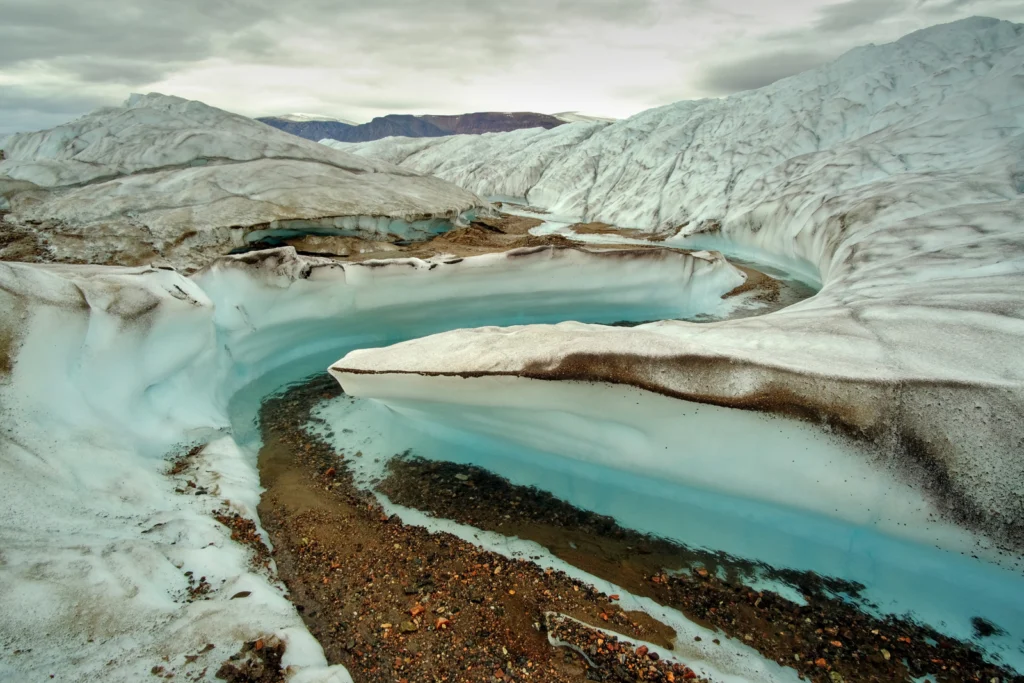
Imaggeo On Monday: A meander in the meltwater valley

At the edge of the Greenland Ice Sheet, surface melt releases old layers of dust, that have travelled thousands of years into the ice. Under sunny weather, the dust heats up with radiation, melts the ice underneath, and thus accumulates in tiny potholes and meltwater creeks. However, this photo was taken after a rainy day. The rain triggered increased melt on the surface of the ice irrelevant of i ...[Read More]

Imaggeo On Monday: Contorted Streams on the Gates Glacier

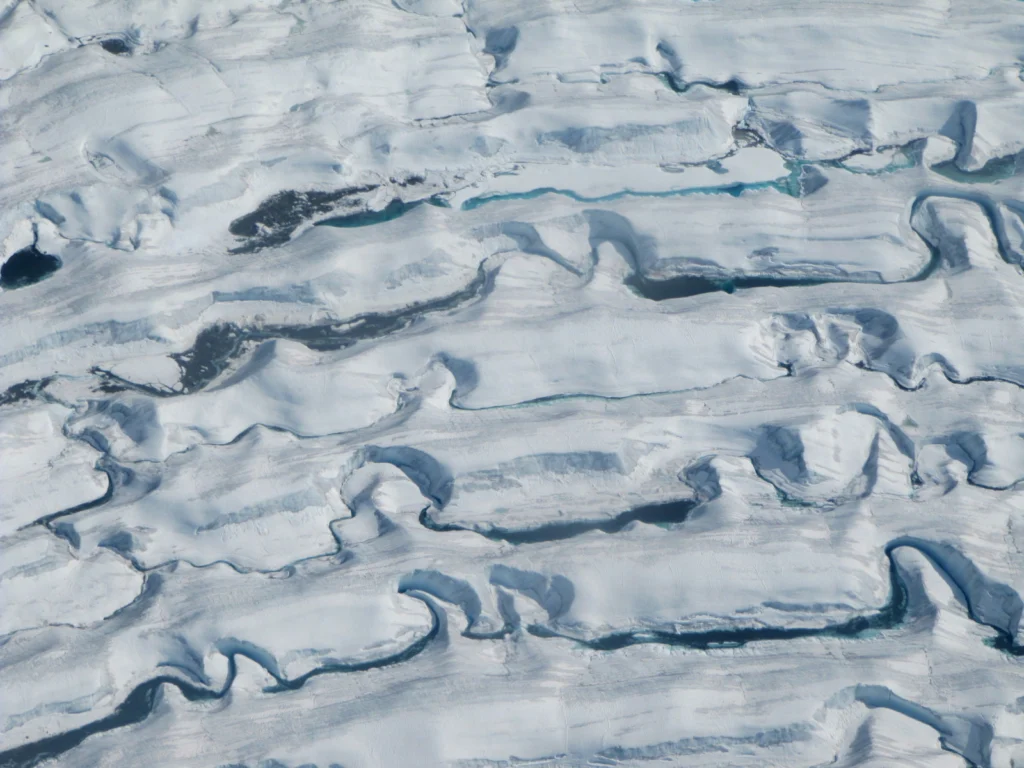
Imaggeo On Monday: Contorted Streams on the Gates Glacier

Annual ridges and troughs (called wave ogives) are formed as the ice of the Gates Glacier (in Alaska’s Wrangell Mountains) flows through a steep icefall. Down-glacier, as the ice melts, the rushing meltwater is funnelled into streams, carving ice canyons as it flows, but ultimately directed by these topographic constraints.   Description by Allen Pope, after the description on imaggeo.e ...[Read More]

GeoTalk: Meet Larissa van der Laan, glaciologist and science-artist!

GeoTalk: Meet Larissa van der Laan, glaciologist and science-artist!

Hi Larissa, thankyou for spending time with us today! To break the ice, could you tell us a little about yourself and your research? Ha, I see what you did there. I’m Larissa, she/her, 29, and a PhD candidate at the Institute of Hydrology and Water Resources Management in Hannover, Germany. I’ve been fascinated by snow and ice since I was little, writing my first ever school report and ...[Read More]

Imaggeo On Monday: Ice caves in high altitude karstic areas

Imaggeo On Monday: Ice caves in high altitude karstic areas

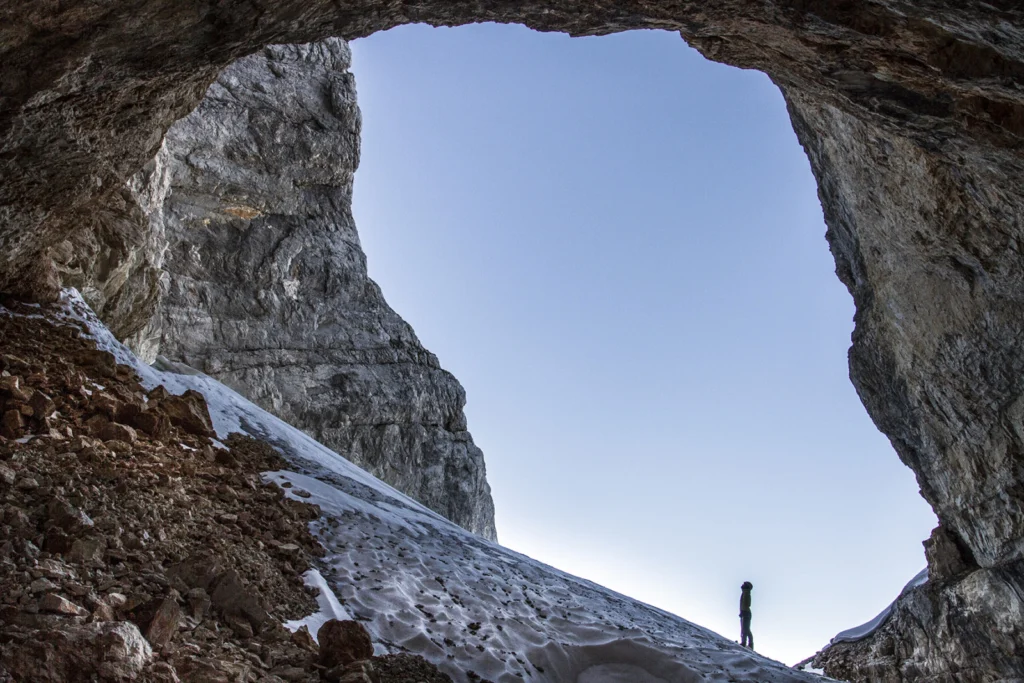
High altitude karstic environments often preserve permanent ice deposits within caves, representing a lesser-known portion of the cryosphere. Despite being not so widespread and easily reachable as mountain glaciers and ice caps, ice-caves preserve a great deal of information about past environmental changes and paleoclimatic evolution. Since one of their main characteristics is to have ground-ice ...[Read More]

#vEGU21: #EGUartKIDS Hall of Fame – Extreme e-ART-h!

#vEGU21: #EGUartKIDS Hall of Fame – Extreme e-ART-h!

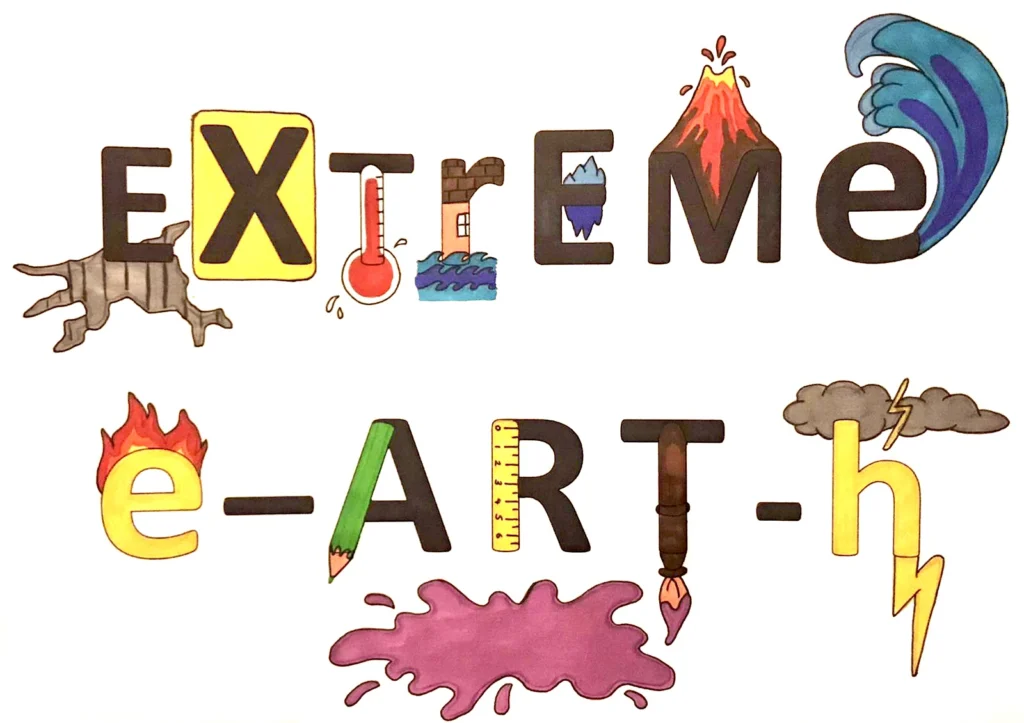
The EGU Kids Art activity normally happens in person in the creche at the conference centre during the General Assembly, but first last year and now this year we have had to move all our activities online instead. Working together – two of our Division Early Career Scientist teams, one from Natural Hazards and one from Cryospheric Sciences came up with this year’s theme ‘Extreme ...[Read More]