GeoLog

Cryospheric Sciences

Winners of the EGU Best Blog Posts of 2020 Competition
Winners of the EGU Best Blog Posts of 2020 Competition
2020 was a brilliant year for our blogging network here at EGU. Across the EGU’s official blog, GeoLog, as well as the network and division blogs there were so many interesting, educational and just downright entertaining posts this year it was hard to get the blog editors to choose their favourites! Nevertheless at the beginning of January, to celebrate the excellent display of science writing ac ...[Read More]

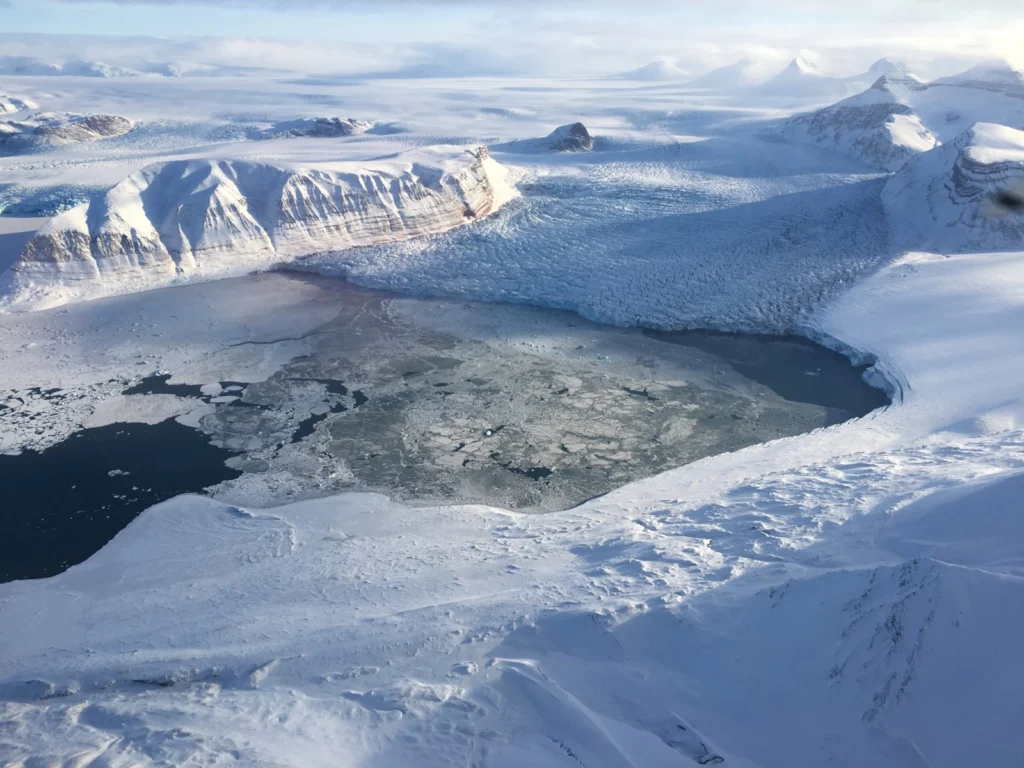
Imaggeo On Monday: Konsfjorden and Kronebreen glacier

Imaggeo On Monday: Konsfjorden and Kronebreen glacier

Taken shortly after our departure from Ny-Ålesund after our first “Lost Meteorites” field trial in Greenland testing new equipment that can be used to discover ‘missing’ iron meteorites in Antarctica, the return flight gave incredible views of the surrounding landscape. This photo was taken looking down to the icy waters of Kongsfjorden on the west coast of Svalbard and the ...[Read More]

Imaggeo On Monday: Nature of ice crystals

Imaggeo On Monday: Nature of ice crystals

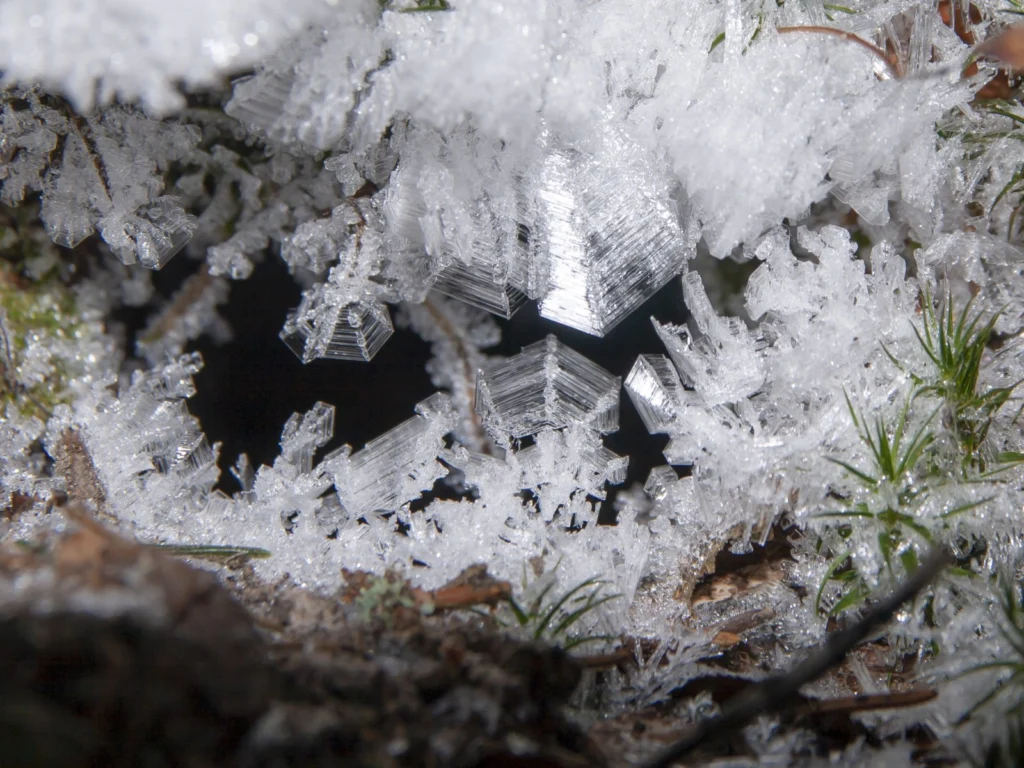
Moisture coming from the ground is freezing at the entrances of small ground pockets, shaping wonderful natural ice crystals, during a very cold and dry winter in Poland in 2019. Description by Katarzyna Walczak, after the description on imaggeo.egu.eu.   Imaggeo is the EGU’s online open access geosciences image repository. All geoscientists (and others) can submit their photographs and video ...[Read More]

Imaggeo On Monday: Ice-coated roots at sunset

Imaggeo On Monday: Ice-coated roots at sunset

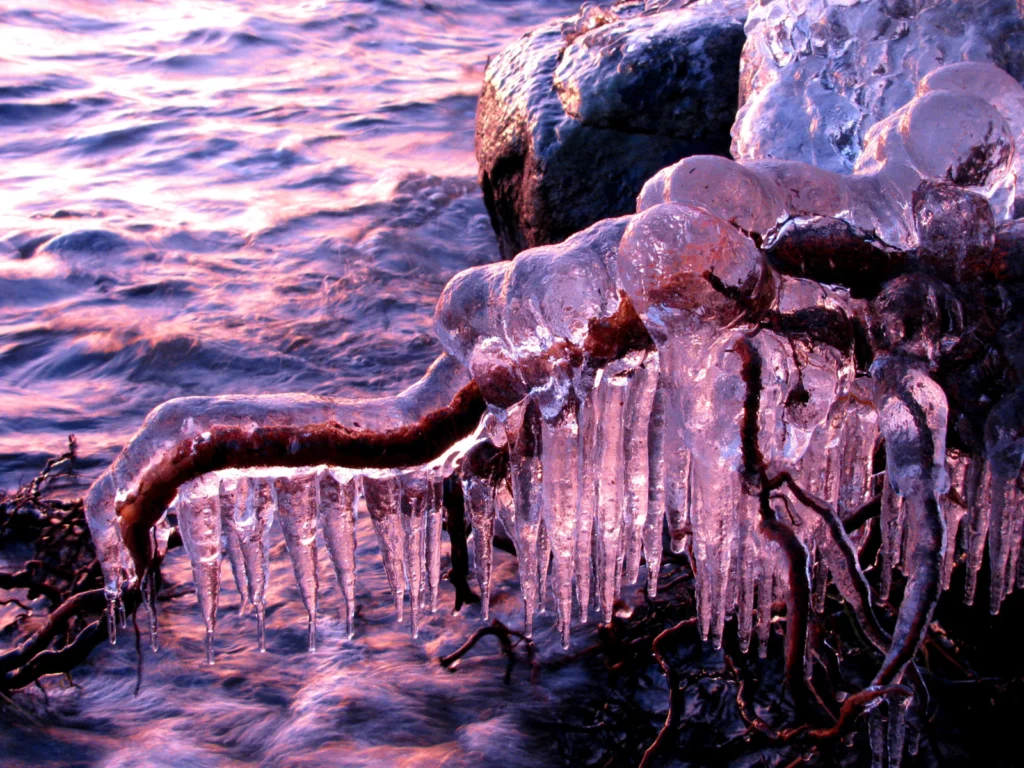
The coating by the ice and the icicles are created through the interplay of wave action and the simultaneous freezing of the water around the exposed tree roots. The reason for the exposed tree roots is increased bank erosion due to a rather unusual circumstance. The combination of the lake not yet being frozen in early winter, and strong winter storms, make it very easy for the waves to erode the ...[Read More]

Imaggeo On Monday: A science outpost in midnight sun

Imaggeo On Monday: A science outpost in midnight sun

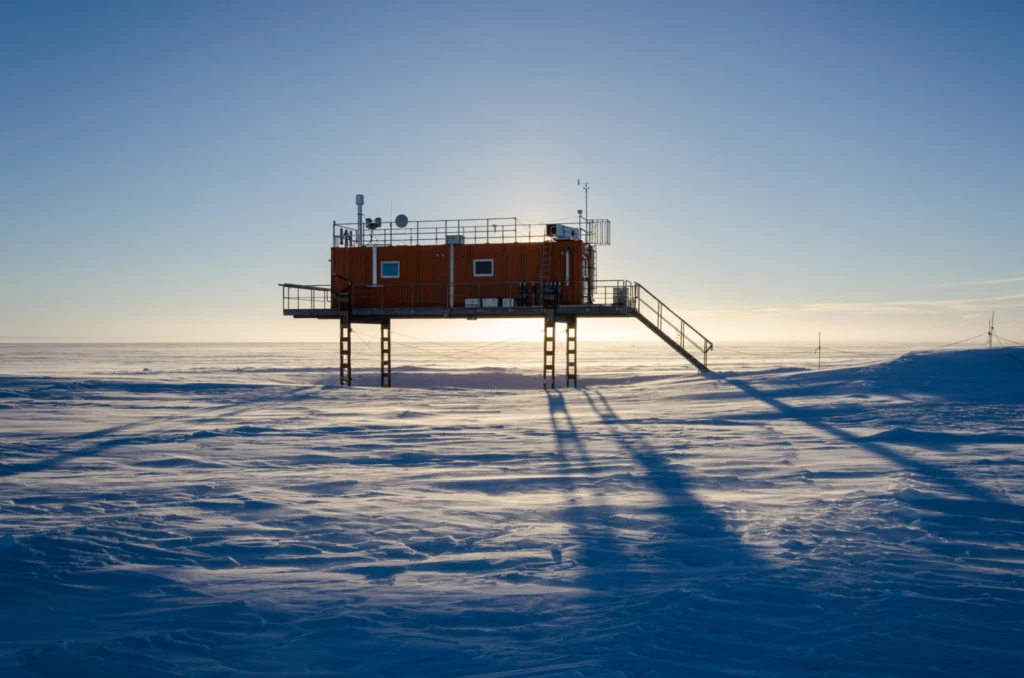
Photo of the air chemistry observatory of the German Neumayer III Antarctic station during Polar Day 2017. Located in a clean air sector south of the station, the observatory’s main purpose is to record continuous, year-round data records of relevant particulate and gaseous trace components of the troposphere. As one of only few stations located in the very clean troposphere of Antarctica, i ...[Read More]

Why is research in Antarctica so important?

Why is research in Antarctica so important?

On the 1st December 1959 the Antarctic Treaty was signed by 12 nations, setting aside nearly 10% of the Earth “forever to be used exclusively for peaceful purposes… in the interests of all mankind.” In the years that followed more and more countries signed the agreement, until today when the agreement has been signed by 54 countries around the globe.  In 2010, the Foundation for ...[Read More]

Imaggeo On Monday: Desert Varnish, Antarctica Style

Imaggeo On Monday: Desert Varnish, Antarctica Style

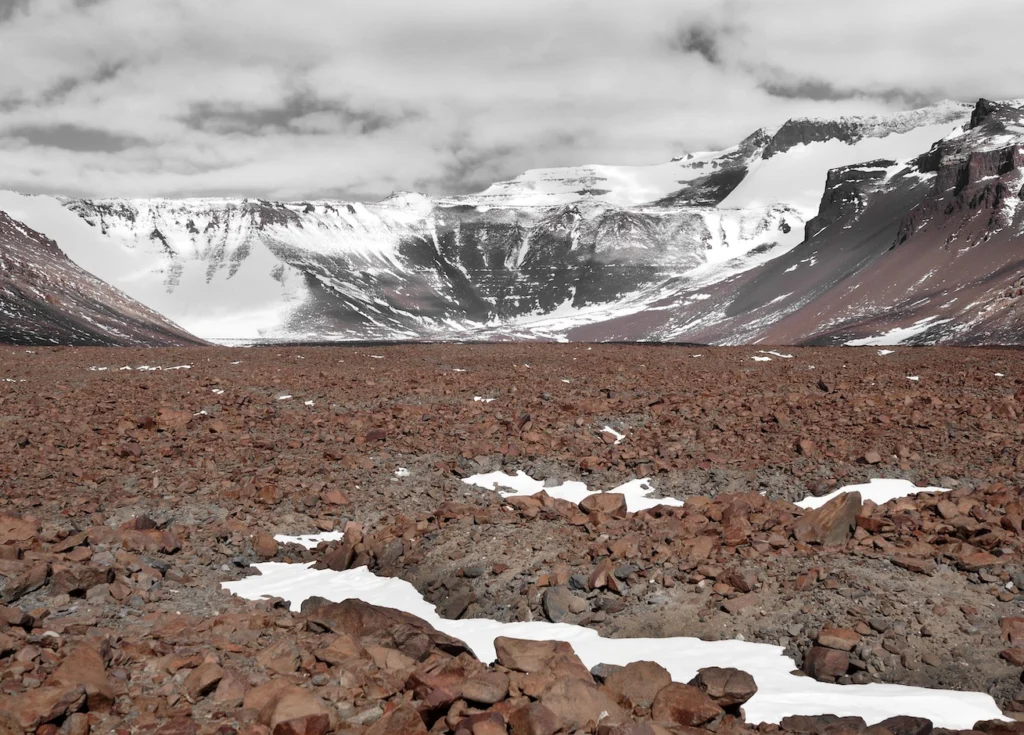
This photograph highlights the oxidized surface of diorite boulders, which fall from the ice at the base of the Mullins Glacier in Beacon Valley, Antarctica when the ice moves directly from a solid state into a gas state, without becoming a liquid in between (a process called sublimation). The particular features (morphology) of the varnish and the desert pavement of this unique environment are re ...[Read More]

Imaggeo on Monday: Time-proven shelter in drifting snow

Imaggeo on Monday: Time-proven shelter in drifting snow

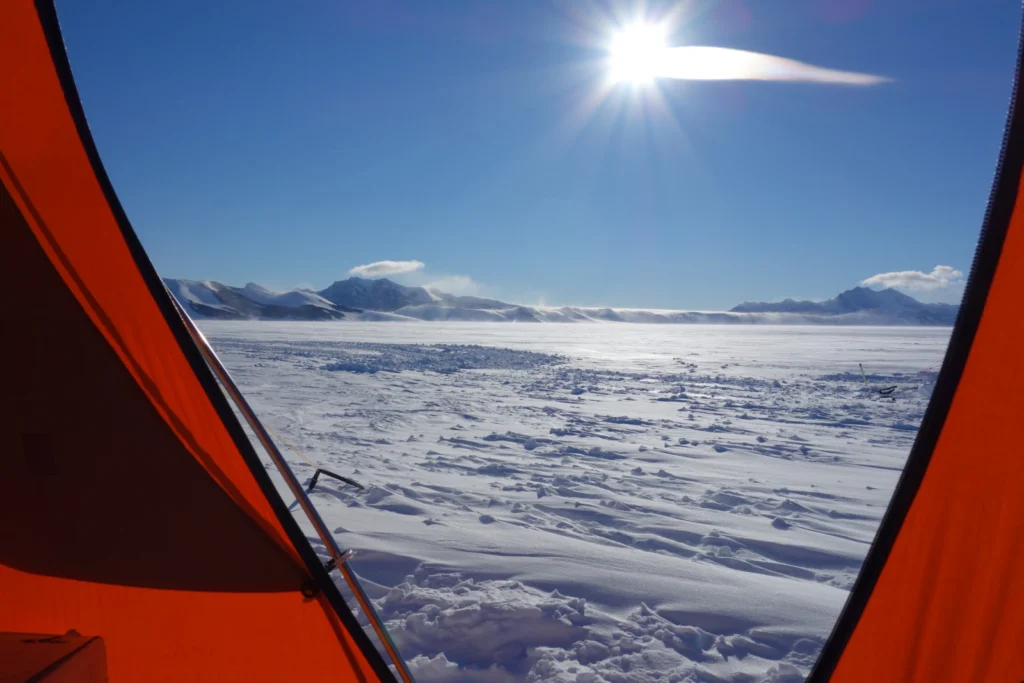
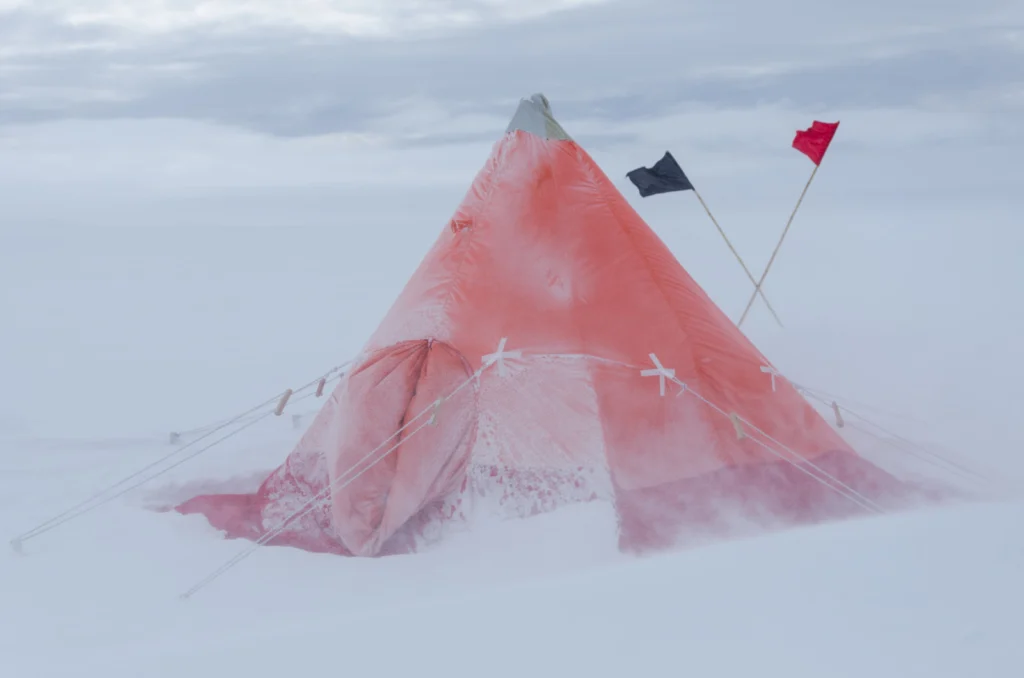
During my PhD I was working at the German Neumayer III station in Antarctica for my research on polar atmospheric chemistry. Since my instrument was set up on an observatory south of the main station, every day I would walk past a Scott pyramid tent to go and do my research. One day, in the midst of an Antarctic storm, I caught sight of the tent deep in the drifting snow, and took this picture. Th ...[Read More]

Winners of the EGU Best Blog Posts of 2019 Competition

Winners of the EGU Best Blog Posts of 2019 Competition

2019 was a brilliant year for our blogging network here at EGU. Across the EGU’s official blog, GeoLog, as well as the network and division blogs there were so many interesting, educational and just downright entertaining posts this year it was hard to get the blog editors to choose their favourites! Nevertheless in December, to celebrate the excellent display of science writing across the network ...[Read More]

Imaggeo on Mondays: When boulders hitch a ride from glaciers

Imaggeo on Mondays: When boulders hitch a ride from glaciers

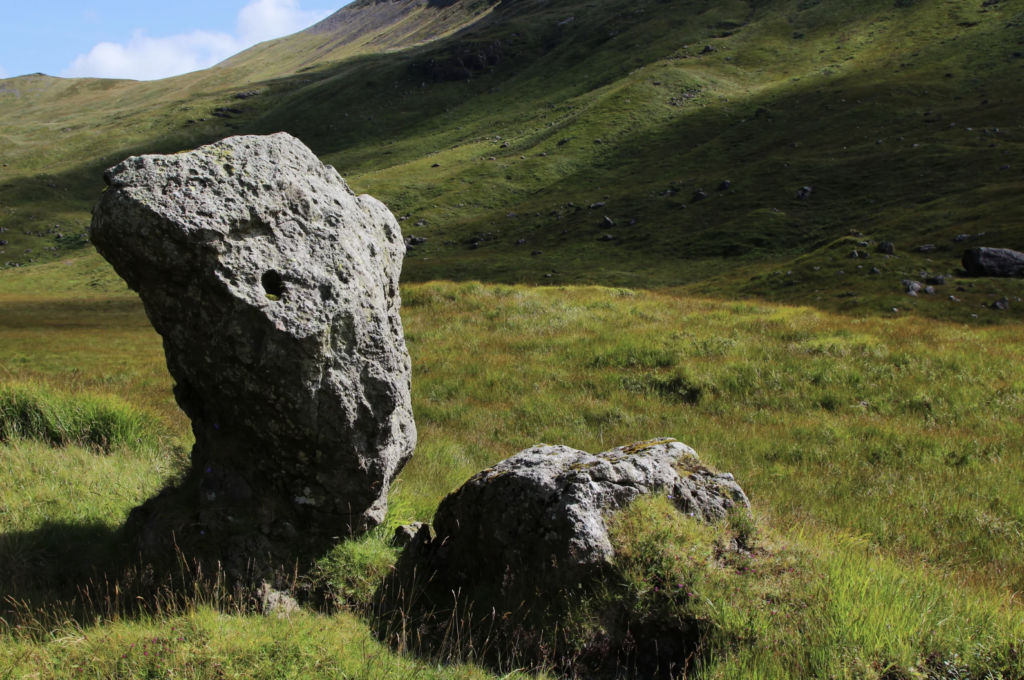
Glen More, on the Isle of Mull, Scotland, is a classic locality for studying glacial landforms and sediments. Here, two prominent ice-transported boulders stand guard at the head of the valley, left behind after the Loch Lomond Readvance (Younger Dryas stade), the final pulse of Quaternary glaciation in Scotland. Behind them in the characteristic U-shaped valley, hummocky morraines are littered wi ...[Read More]