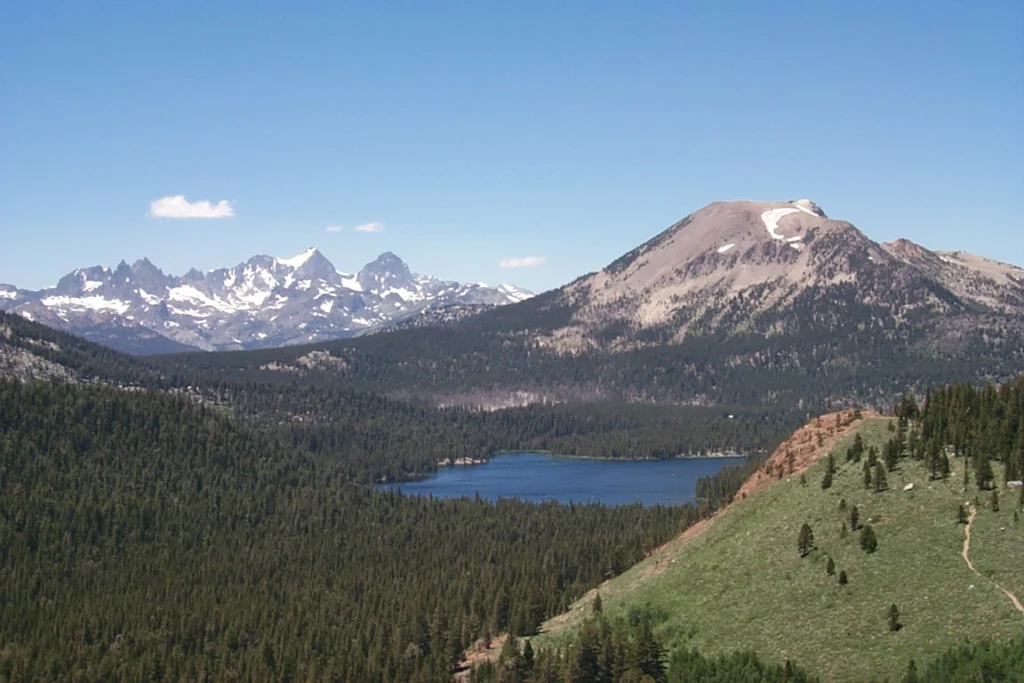
In a world where carbon dioxide levels are rapidly rising, how do you study the long-term effect of carbon emissions? To answer this question, some scientists have turned to Mammoth Mountain, a volcano in California that’s been releasing carbon dioxide for years. Recently, a team of researchers found that this volcanic ecosystem could give clues to how plants respond to elevated levels of carbon d ...[Read More]
Biogeosciences
Imaggeo on Mondays: The best of imaggeo in 2018
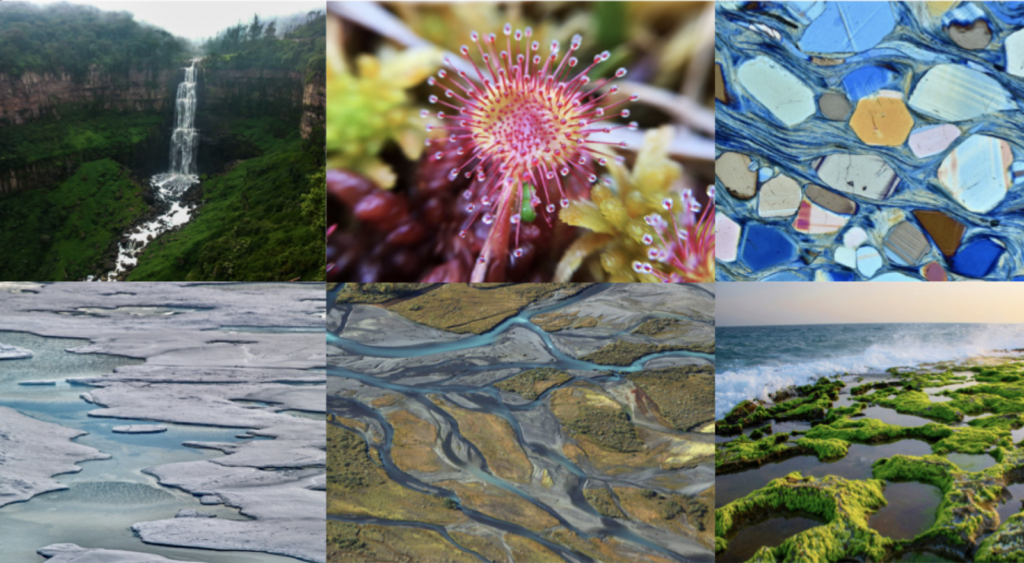
Imaggeo, our open access image repository, is packed with beautiful images showcasing the best of the Earth, space and planetary sciences. Throughout the year we use the photographs submitted to the repository to illustrate our social media and blog posts. For the past few years we’ve celebrated the end of the year by rounding-up some of the best Imaggeo images. But it’s no easy task to pick which ...[Read More]
Looking back at the EGU Blogs in 2018: a competition
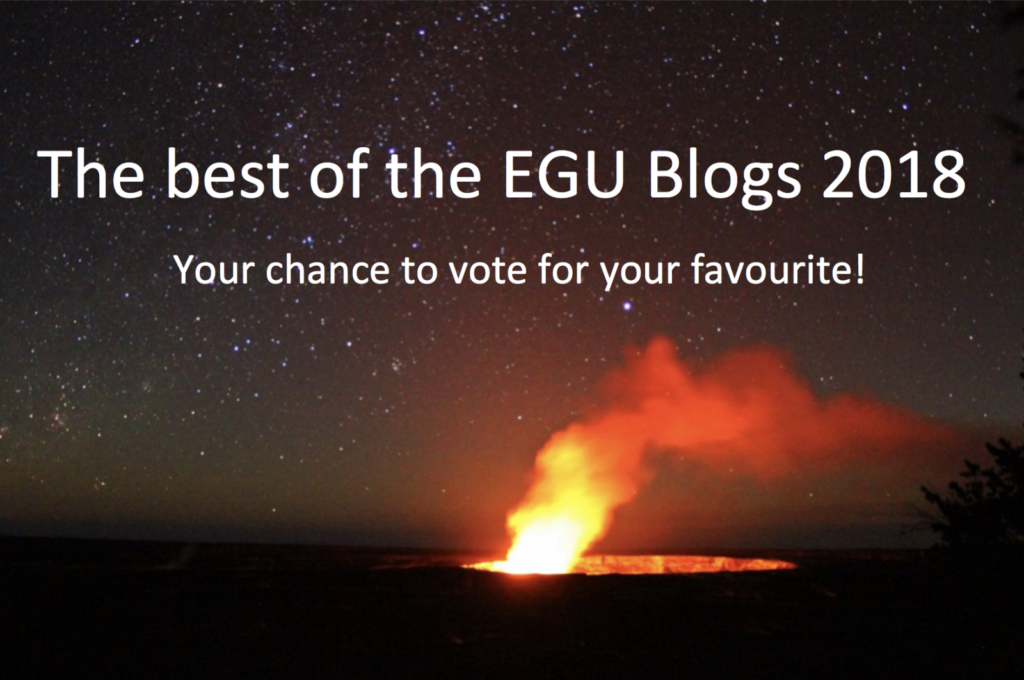
The past 12 months has seen an impressive 382 posts published across the EGU’s official blog, GeoLog, as well as the network and division blogs. From an Easter-themed post on the convection of eggs, features on mental health in academia, commentary on the pros and cons of artificial coral reefs, advice on presenting research at conferences, through to a three-part “live-series” on the ...[Read More]
GeoPolicy: the EU’s Bioeconomy Strategy – what is it and how is it linked with geoscience?
What is the bioeconomy? Global threats such as climate change, ocean acidification, land degradation and an ever-expanding population means that it’s essential for us to reduce our environmental impact while still meetings our demand for food, resources and energy. The bioeconomy covers all sectors and systems that rely on biological resources and their functions including renewable biological re ...[Read More]
Imaggeo on Mondays: The ancient guard of Altai
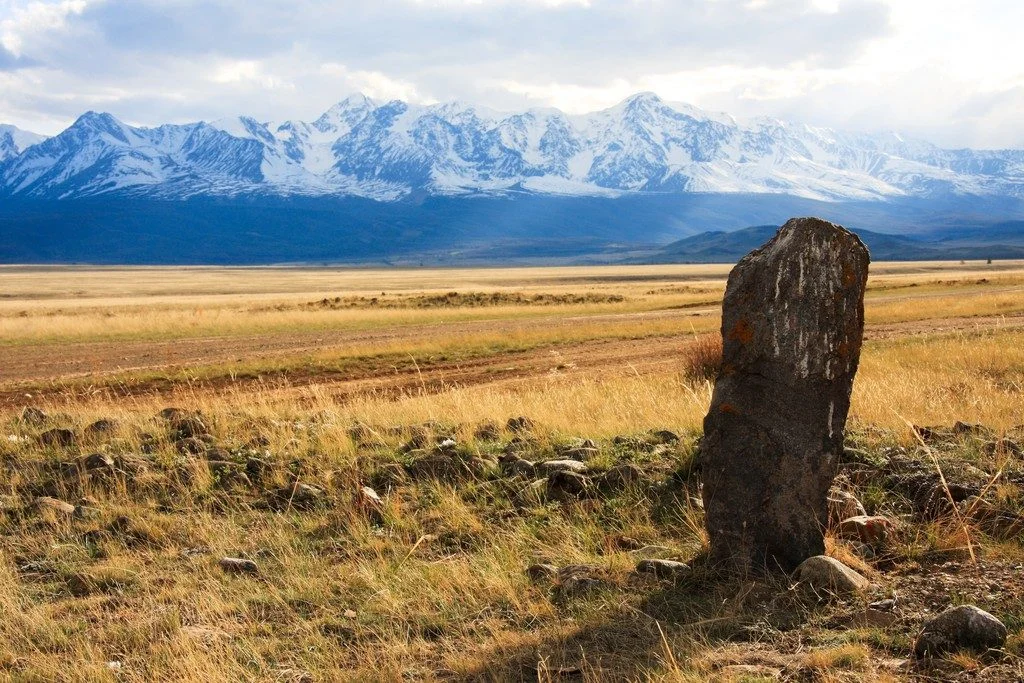
In the heart of Eurasia, an ancient stone statue overlooks the expanse of the Kurai Valley and the Altai Mountains in Russia. This relic was crafted more than a thousand years ago, sometime during the 6th or 7th century. A Turkish clan that inhabited the region, known as the First Turkic Khaganat, would often erect stones as monuments of funeral rituals. Natalia Rudaya, who took this photograph, i ...[Read More]
Imaggeo on Mondays: Bristlecone pines, some of Earth’s oldest living life forms
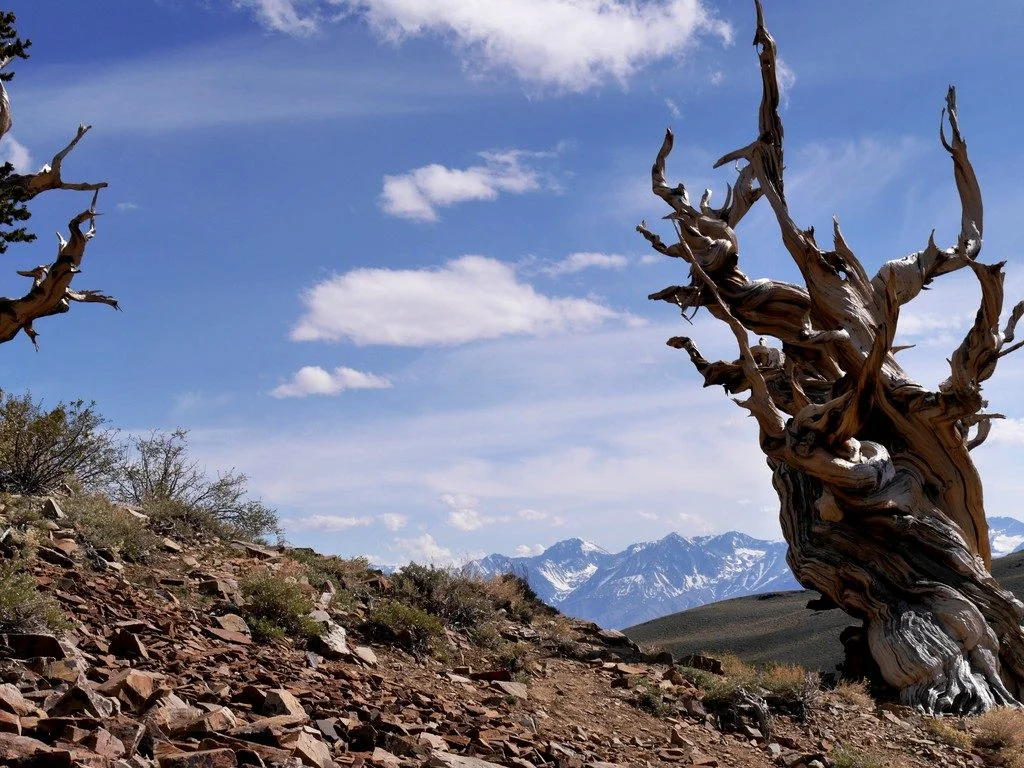
About 5,000 years ago, the ancient city Troy was founded, Stonehenge was under construction, and in the rugged Sierra Nevada mountain range, groves of bristlecone pine seedlings began to take root. Many of these pines are still alive today, making them the world’s oldest known living non-clonal life forms. Raphael Knevels, a PhD student from the Friedrich-Schiller-University’s Department of Geogra ...[Read More]
Imaggeo on Mondays: Namibia’s mysterious fairy circles
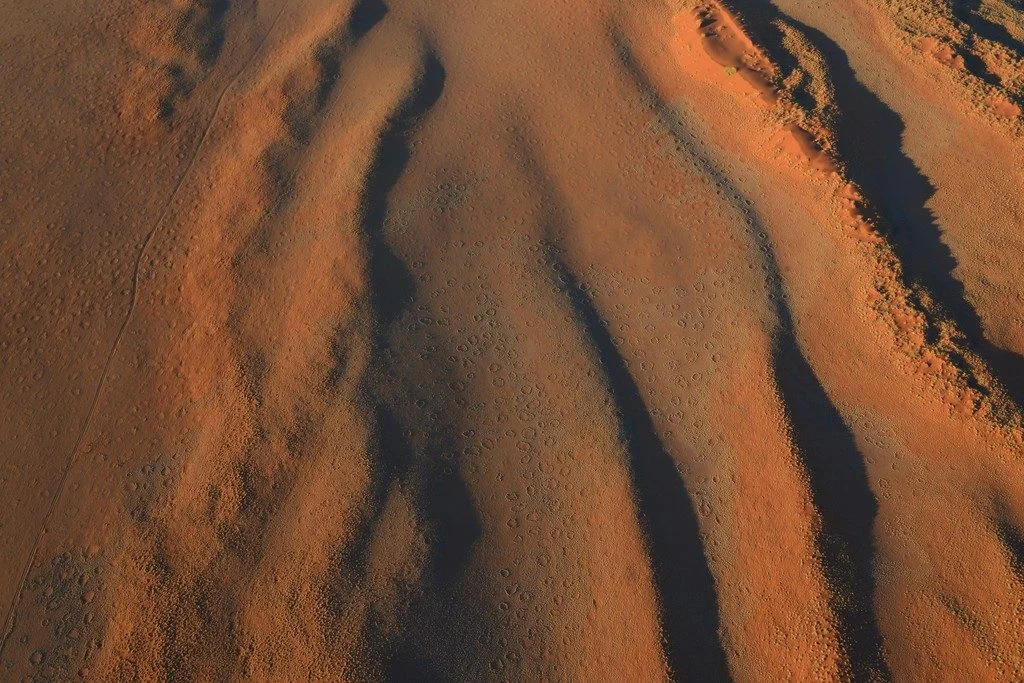
The grassy Namibian desert is pock-marked with millions of circular patches of bare earth just like these shown in the picture between linear dunes. Viewed from a balloon, they make the ground look like a moonscape. Commonly known as fairy circles, the patches range from two to 12 metres across and appear in a 2000 kilometre strip that stretches from Angola to South Africa. For many decades, the f ...[Read More]
Imaggeo on Mondays: Arctic cottongrass in Svalbard
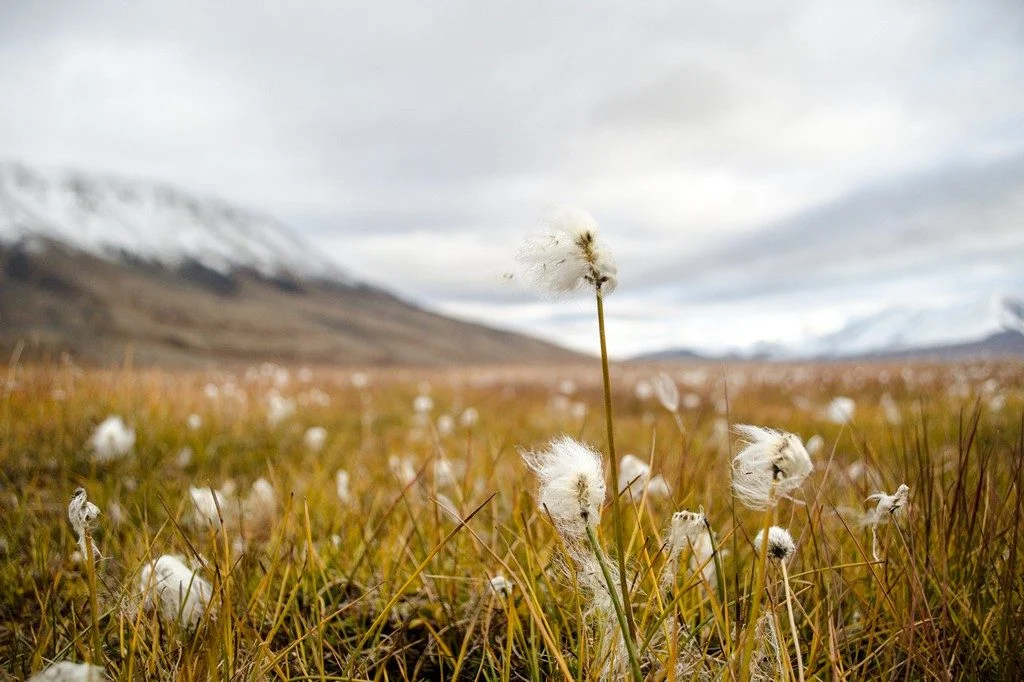
In the High Arctic, where vegetation is limited in height, cottongrass stands out as some of the tallest plant species around. This photo shows a wispy white patch of Arctic cottongrass growing amongst other tundra vegetation in the Advent river floodplain of Adventdalen, a valley on the Norwegian archipelago island Svalbard. Svalbard is of particular scientific interest as it is a relatively warm ...[Read More]
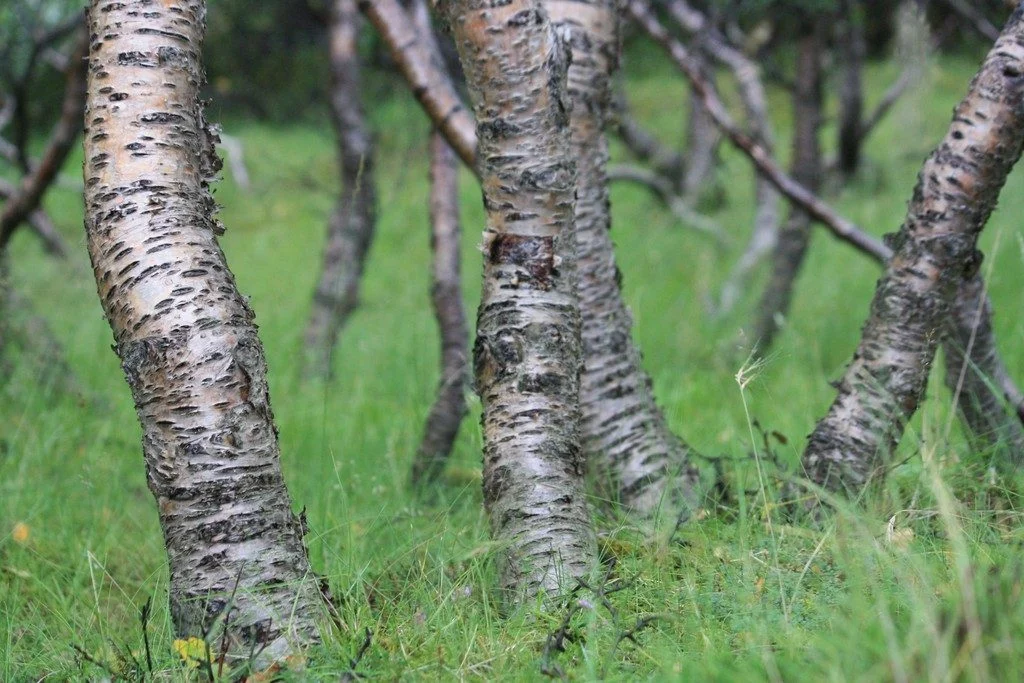
Imaggeo on Mondays: Iceland’s original birch forest
Iceland is a country of dramatically rugged landscapes. The region is home to sweeping valleys and mountain ranges, dotted with lava fields, large glaciers, hot springs and impressive waterfalls. The territory is also notoriously treeless. As of 2016, forests only made up 1.9 percent of Iceland, according to the Icelandic Forest Service. However, about a thousand years ago the country’s landscape ...[Read More]
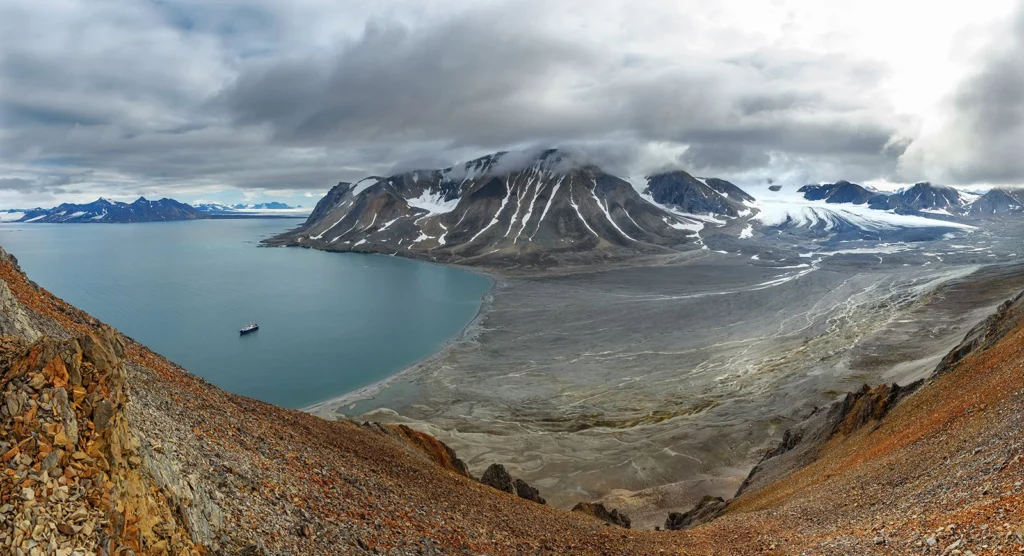
Communicating Antarctic science…in the Antarctic
Communicating the fragility of one of Earth’s remotest environments is hugely difficult, precisely due to the location of the poles. Jon Fuhrmann, a freelance science writer and guide on Antarctic cruises, discusses the potential benefits of taking tourists to these once inaccessible locations, especially when it comes to making members of the public aware of the challenges faced by the Eart ...[Read More]