GeoLog

Biogeosciences

More than meets the eye: What can we learn from non-visual science

More than meets the eye: What can we learn from non-visual science

Many people exhibit a strong visual orientation, as a significant portion of human neurobiology is dedicated to processing light; however, this reliance is usually as much a product of our visually-centered environments as it is our biology. Science, however, reminds us that important information can come from different senses as well: sound, smell and tactile information all have something to say ...[Read More]

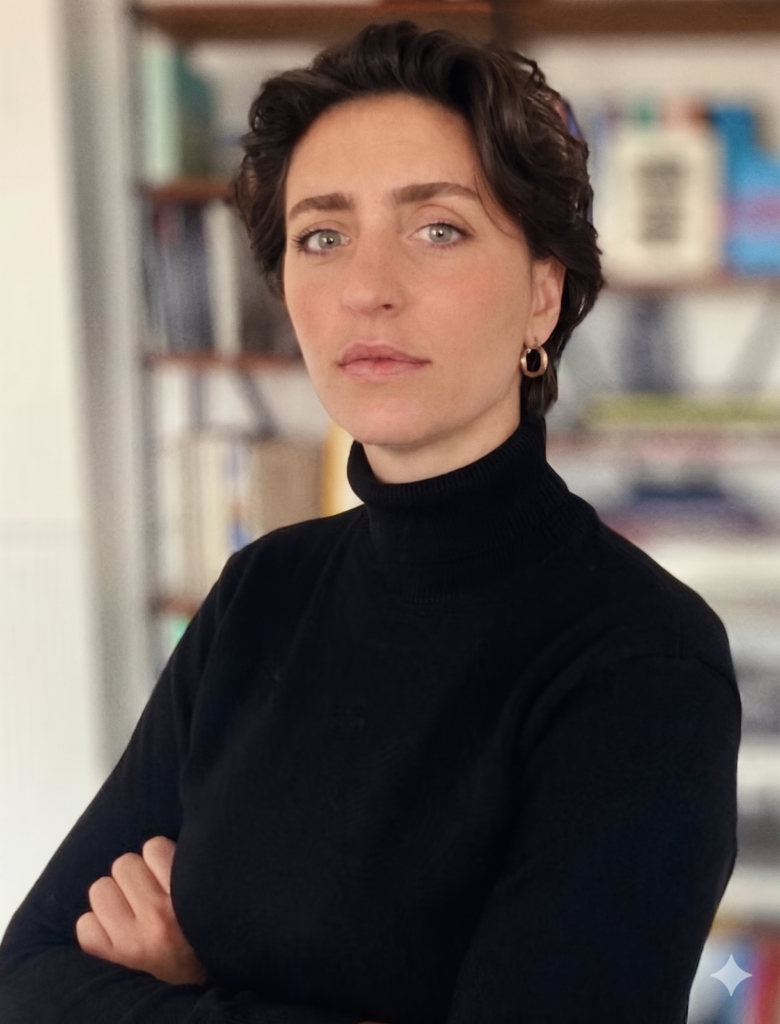
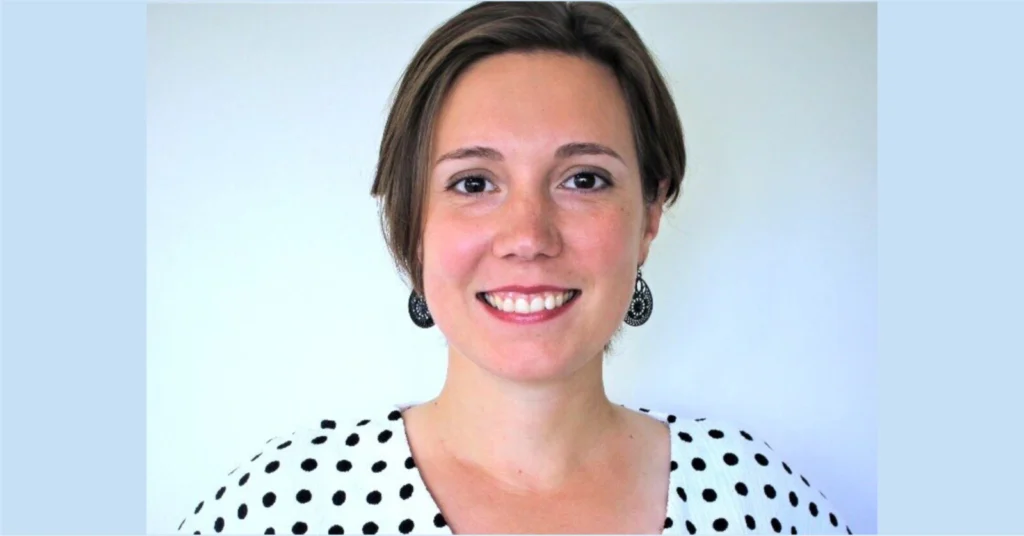
GeoTalk: Meet Soil Microbiologist and Early Career Scientist Biogeosceinces Representative, Elsa Abs!

Elsa Abs

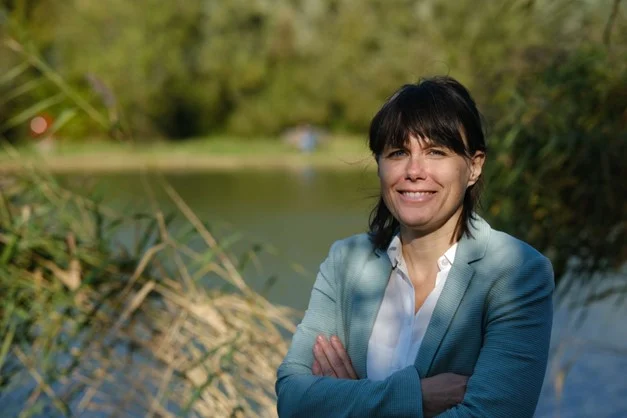
Hello Elsa & welcome to GeoTalk! Before we dig deeper, could you introduce yourself to our readers? Hi! I’m Elsa (they/them). I’m a microbiologist/biogeochemist, and I just started a permanent position at the French National Centre for Scientific Research (CNRS) one month ago. I work with one PhD student, Elisa Richard, and two postdocs, Mathilde Bourreau and Thomas Cortier, on my ERC Starting ...[Read More]

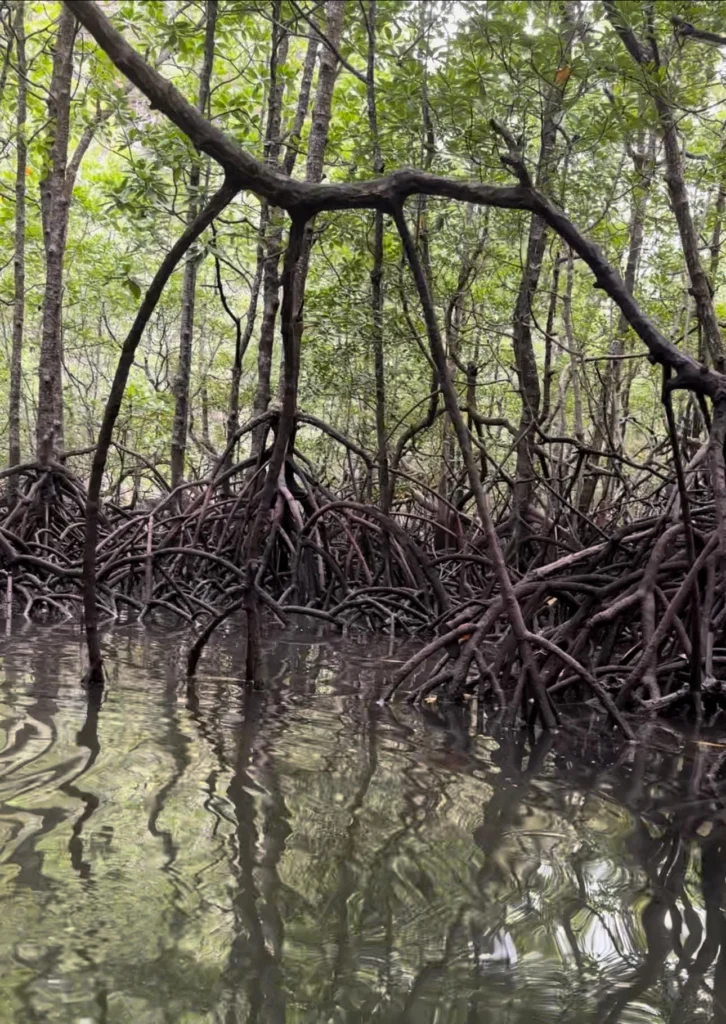
Geoscientific perspectives on global wetland systems: Between traditional knowledge and cultural heritage

Geoscientific perspectives on global wetland systems: Between traditional knowledge and cultural heritage

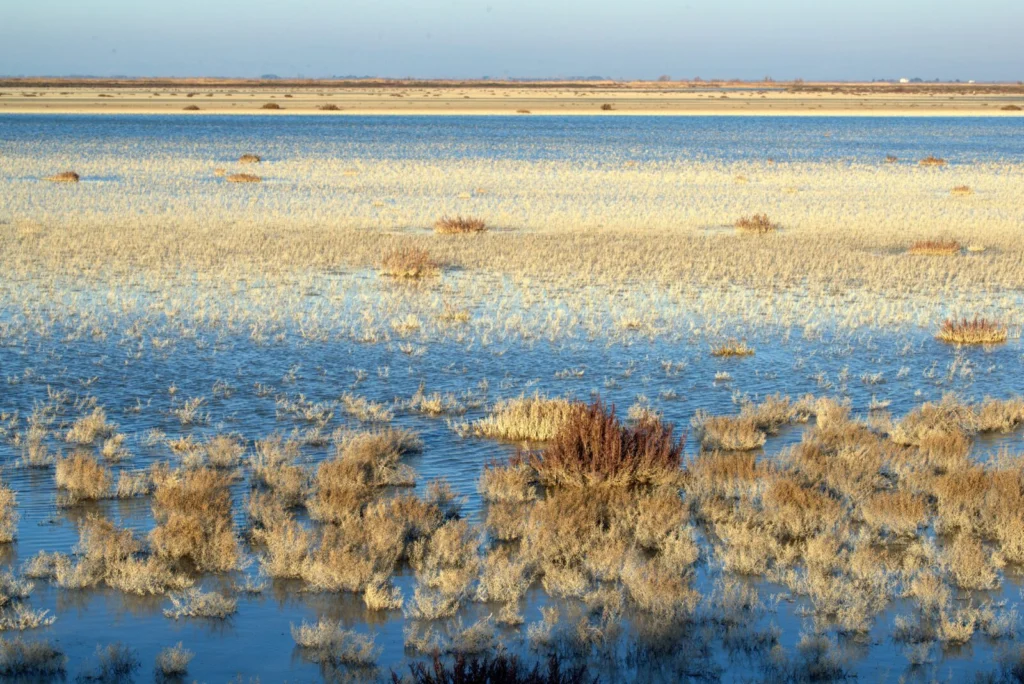
Today marks World Wetlands Day, and this year, the theme is Wetlands and traditional knowledge: Celebrating cultural heritage. Each year, February 2 is a day dedicated to recognising wetlands as places that store carbon, protect water, and hold complex cultural meaning. Wetlands such as mangroves, salt marshes, seagrass beds, peatlands, and floodplains are extremely good at taking carbon out of th ...[Read More]

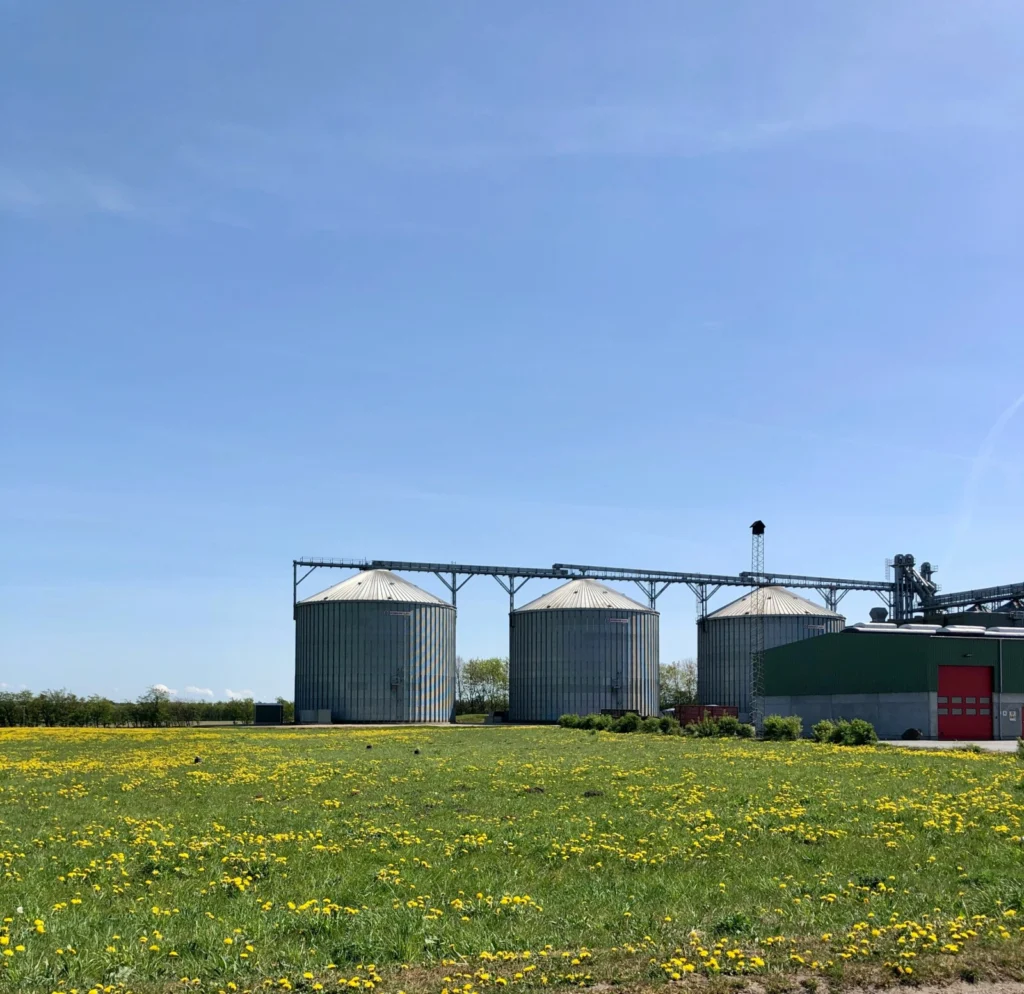
The living skin of our planet: Why a world soil health index is our next great global scorecard

The living skin of our planet: Why a world soil health index is our next great global scorecard

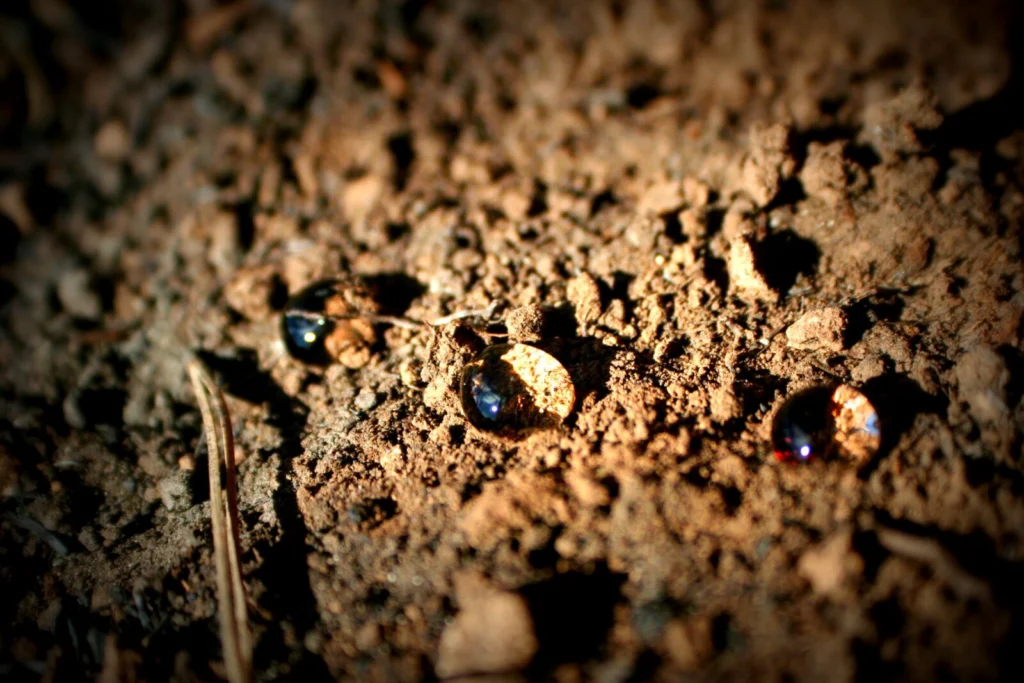
Next time you’re outdoors, in a park or anywhere where there is no pavement, look down at the patch of earth beneath your feet. To many people, it’s just mud, dirt, or maybe soil, something passive that things grow in. But to a soil scientist, that handful of soil represents a dynamic ecosystem that supports an incredible 95% of all the food we eat, filters every drop of our drinking water, ...[Read More]