For the third year in a row we’re running the EGU Communicate Your Science Video Competition – the aim being for early career scientists to communicate their research in a short, sweet and public-friendly video. Our judges have now selected 3 fantastic finalists from the excellent entries we received this year and it’s time to …[Read More]
Education
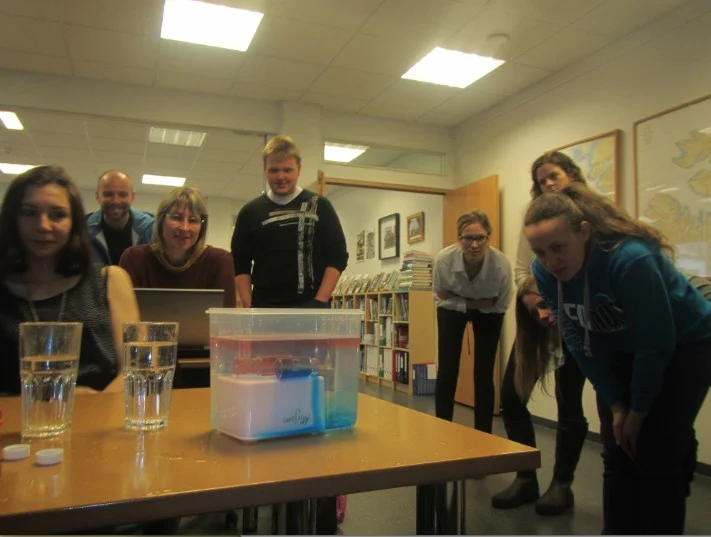
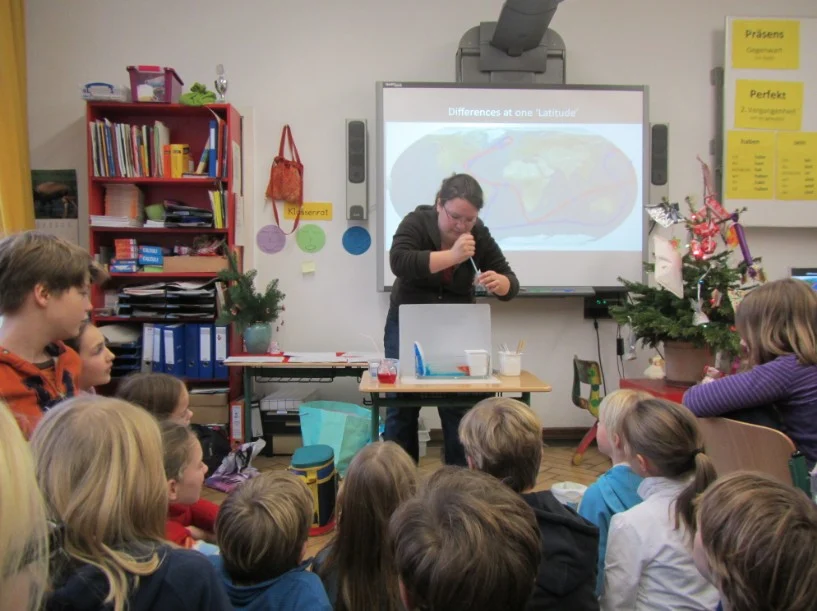
GeoEd: One example of how playing works in outreach activities!
This month’s GeoEd post is brought to you by Dr. Mirjam S. Glessmer. Mirjam, is a physical oceanographer and now works as Coordinator of Teaching Innovation at Hamburg University of Technology. Mirjam blogs about her “Adventures in Teaching and Oceanography” and tweets as @meermini. Get in touch if you are interested in talking about teaching …[Read More]
GeoEd: For the best hands-on outreach experiences, just provide opportunities for playing!
This month’s GeoEd post is brought to you by Dr. Mirjam S. Glessmer. Mirjam, is a physical oceanographer and now works as Coordinator of Teaching Innovation at Hamburg University of Technology. Mirjam blogs about her “Adventures in Teaching and Oceanography” and tweets as @meermini. Get in touch if you are interested in talking about teaching …[Read More]
GeoTalk: Meet Zakaria Ghazoui, winner of the Communicate your Science Video Competition in 2015!
If you’ve not heard about our Communicate Your Science Video Competition before it gives early career scientists the chance to produce a video up-to-three-minutes long to share their research with the general public. The winning entry receives a free registration to the General Assembly the following year. In this GeoTalk interview, Laura Roberts talks to Zakaria …[Read More]
A Challenge to communicate
In this guest post, Sam Illingworth, regular contributor to GeoLog on all things science communication and education, discusses whether it is the responsibility of all geoscientists to communicate their science and research and challenges you to make some time to get involved in public engagement in 2016. As researchers it is very easy to get …[Read More]
GeoPolicy: What was decided from the Paris COP21?
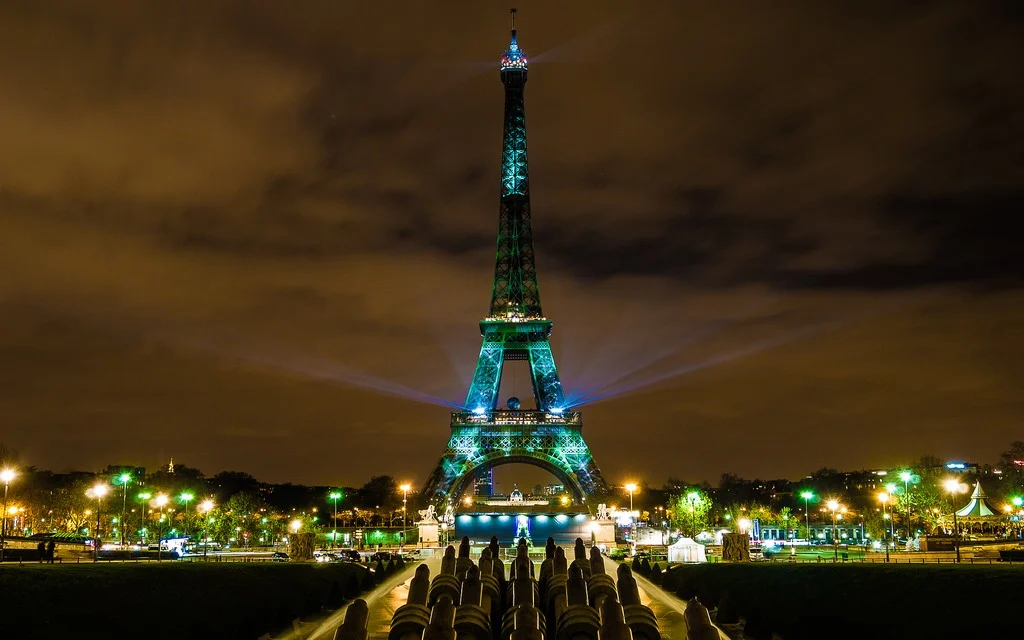
Last week saw the world’s leaders come together in Paris for the 21st ‘Conference of the Parties’ (aka COP21) to discuss climate change. The 12 day meeting saw over 50,000 participants (half of which from Government organisations) come to reach an agreement on limiting greenhouse gas (GHG) production. Background Manmade climate change, resulting from the …[Read More]
GeoEd: How do we make climate predictions – An idea for an outreach activity
This month’s GeoEd post is brought to you by Dr. Mirjam S. Glessmer. Mirjam is a physical oceanographer, who during her PhD at GEOMAR Kiel, Germany, became more and more interested in understanding how people learn and hence did a Masters of Higher Education in parallel to her PhD. During her PostDoc at the University …[Read More]
Mars Rocks – introducing a citizen science project
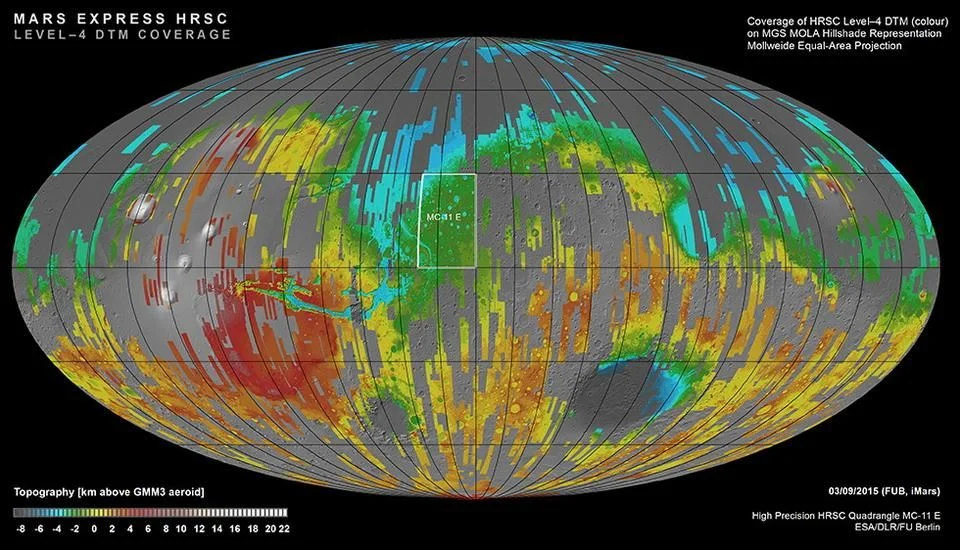
GeoLog followers will remember our previous report on Citizen Geoscience: the exciting possibilities it presents for the acquisition of data, whilst cautioning against the exploitation of volunteered labour. This blog presents a Citizen Science platform that goes beyond data collection to analysis, specifically for geological changes in remote sensing imagery of Mars. Jessica Wardlaw, a Postdoctoral Research Associate …[Read More]
GeoEd: Geoscience teaching resources
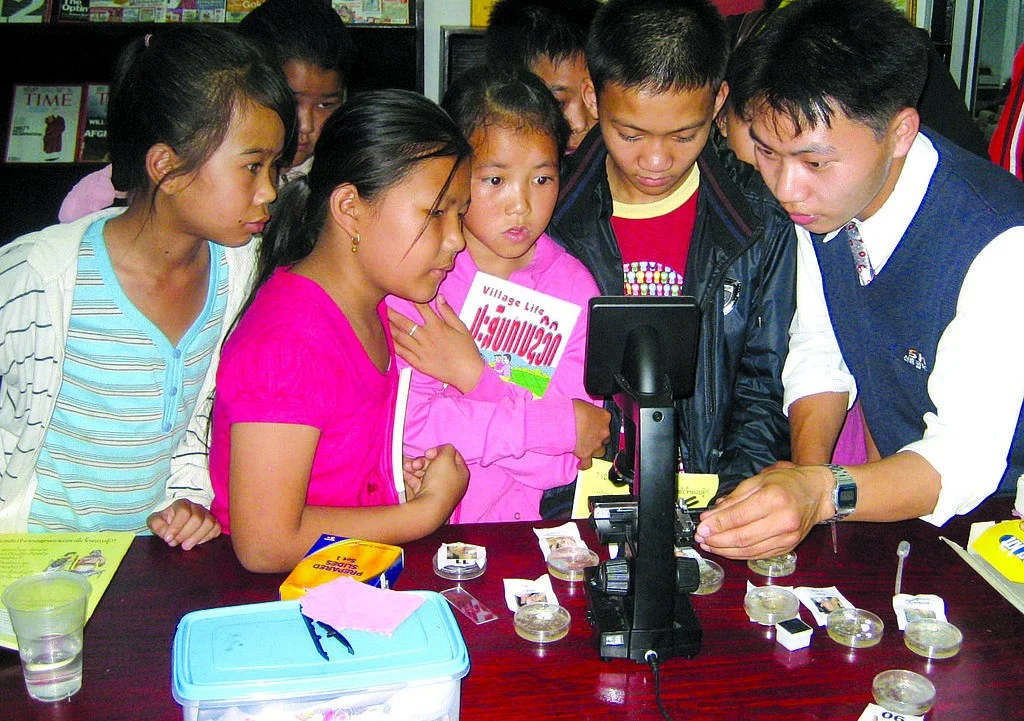
Engaging students (regardless of age) during lessons can be difficult with a whole host of factors influencing their disposition to listen and learn. The same is true when carrying out public outreach and engagement activities. In both instances the key is to captivate the full attention of the audience and make the subject you are …[Read More]
Cruising the Mediterranean: a first-hand account of a month at sea – Part 2
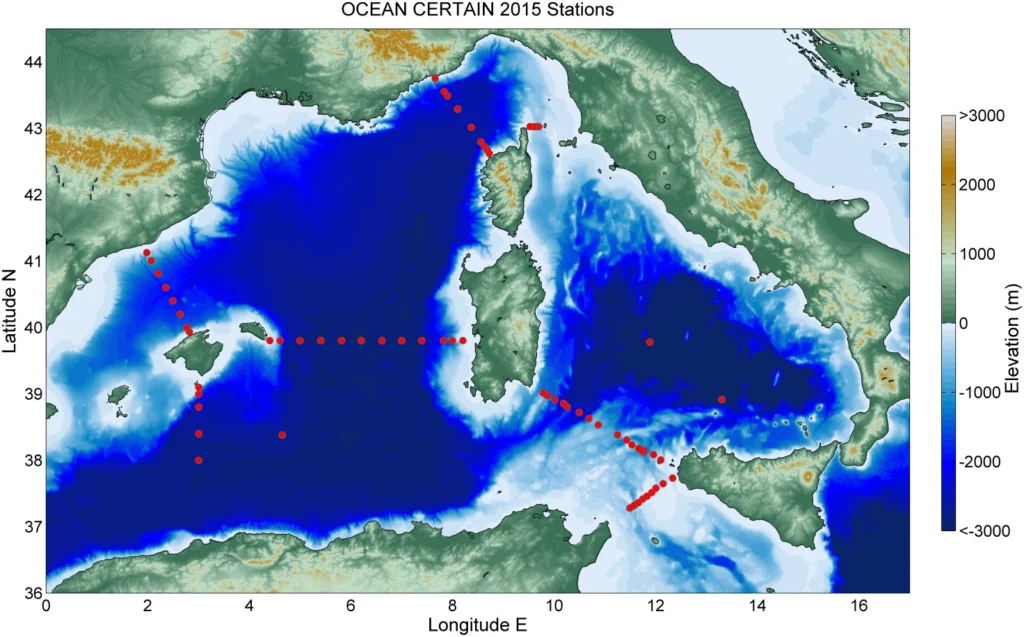
This week we feature the second instalment in this series, which follows the adventures of Simona Aracri, a PhD student at University of Southampton, and her colleagues. as they spent a month aboard a research vessel, cruising the Mediterranean Sea. Simona and the team of scientists aboard the boat documented their experiences via a blog. …[Read More]