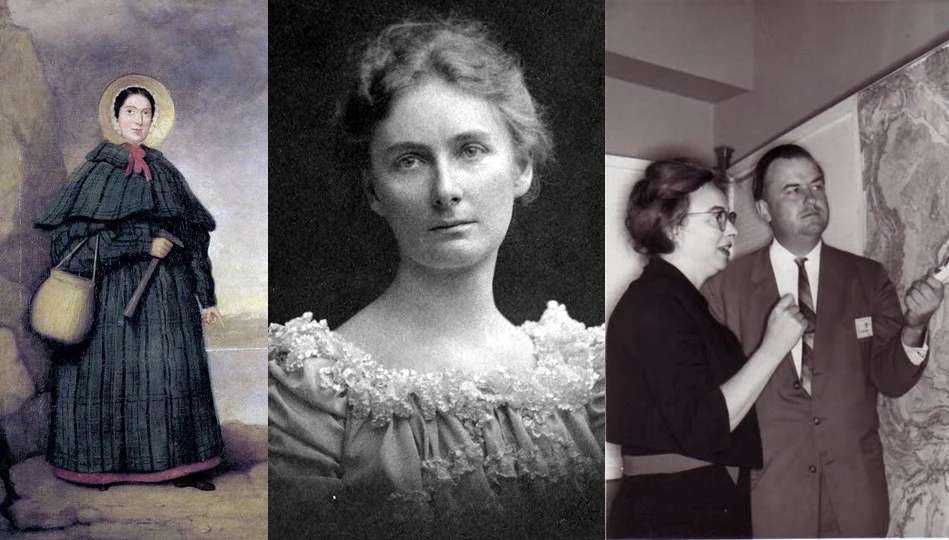
Much ink is spilled hailing the work of the early fathers of geology – and rightly so! James Hutton is the mind behind the theory of uniformitarianism, which underpins almost every aspect of geology and argues that processes operating at present operated in the same manner over geological time, while Sir Charles Lyell furthered the idea of geological time. William Smith, the coal miner and canal b ...[Read More]
Education
My film is ready, now what?
It’s no secret that at EGU we believe using film as a medium to communicate science and engage the public with research is a great tool! So much so that we organise an annual competition for early career scientists (ECS) to produce a three-minute video to share their research with the general public, as well as publishing film how-to-guides on our blog and organising film-making workshops at our G ...[Read More]
Geosciences Column: The World’s soils are under threat
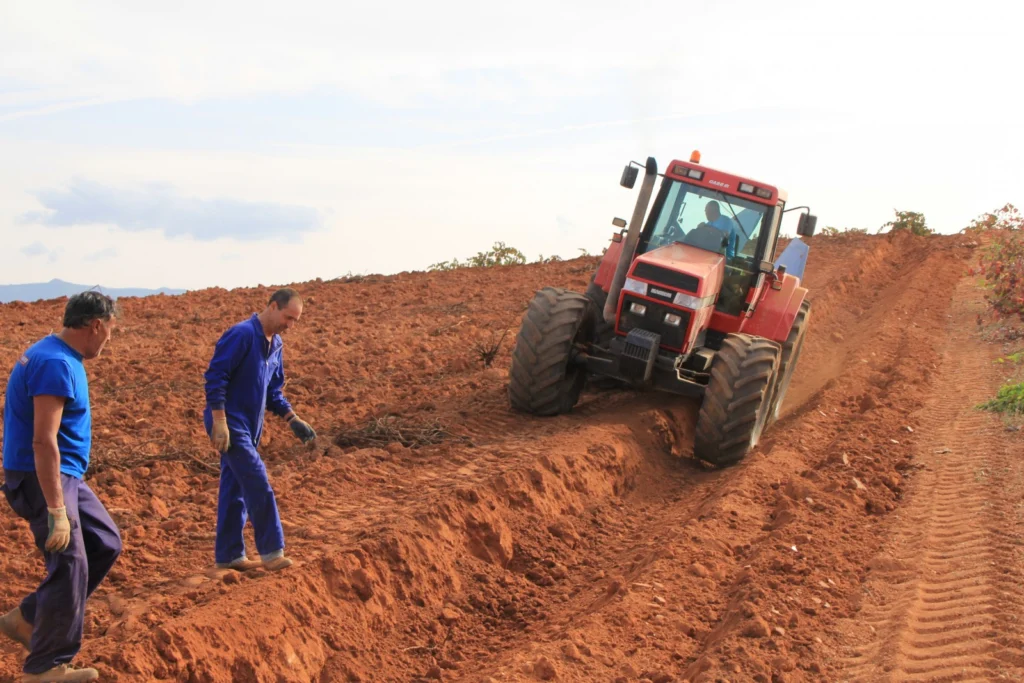
An increasing global population means that we are more dependant than ever on soils. Soils are crucial to securing our future supplies of water, food, as well as aiding adaptation to climate change and sustaining the planet’s biosphere; yet with the decrease in human labour dedicated to working the land, never have we been more out of touch with the vital importance of this natural resource. Now, ...[Read More]
GeoTalk: Matt Taylor of ESA’s Rosetta mission
In November 2014, space exploration history was made. Millions of kilometres away, orbiting a piece of ice and rock, the European Space Agency’s (ESA) Rosetta mission sent its probe Philae to become the first spacecraft to soft-land on a comet. After the tense 7-hour wait that followed the separation from the main orbiter, a tweet confirmed that the little lander had successfully completed the fir ...[Read More]
Gender equality in the geosciences: is it a numbers game?
Here’s a tricky question for you. Try and name a woman in geoscience who has won an award for their studies in the last 5 years? How about a man? Chances are it is much easier to think of a male geoscientist who has won an award than a female one, but is that because more men win awards in geoscience than women (compared to the number of male and female geoscientists)? This was the question that w ...[Read More]
GeoEd: Planet Press – geoscience news for children
Inspiring children to be interested in the geosciences isn’t always an easy task. While dinosaurs, volcanoes and earthquakes are a sure hook (rightly so!), there is also much more to the Earth, ocean and planetary sciences! Not only that, but new developments happen much more quickly than the lifetime of a textbook, meaning that breaking science is often underreported in the classroom. However, ...[Read More]
Great walls of fire – Vitrification and thermal engineering in the British Iron Age
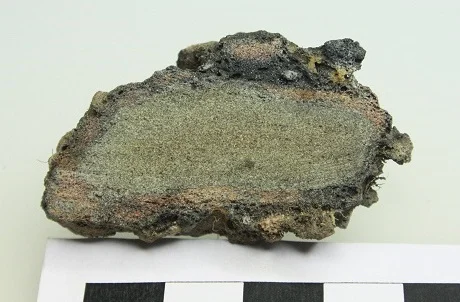
It’s long been recognised the peoples of European prehistory occasionally, and quite deliberately, melted the rocks from which their hilltop enclosures were made. But why did they do it? In today’s blog post Fabian Wadsworth and Rebecca Hearne explore this question. Burning questions Throughout the European Bronze and Iron Ages (spanning 2600 years from 3200 BC to 600 BC), people constructed stone ...[Read More]
Geo Talk: One of the youngest EGU 2016 General Assembly delegates sends sensor to space
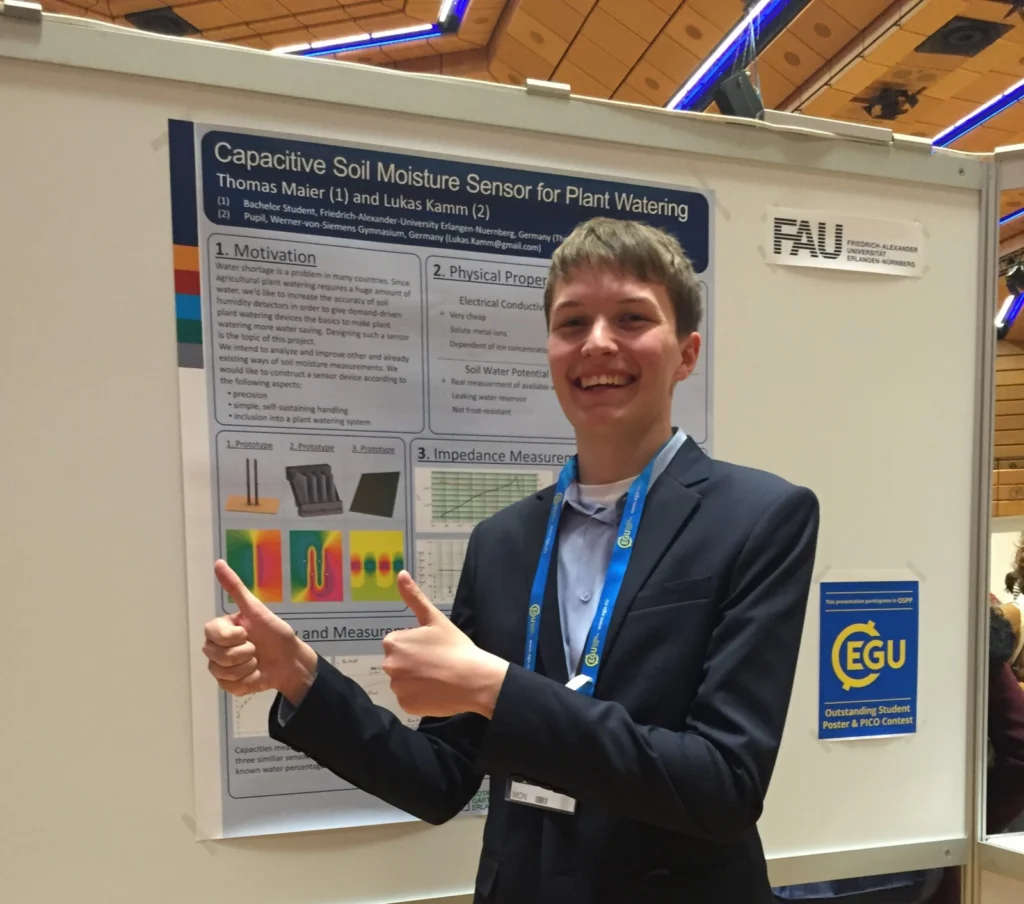
Presenting at an international conference is daunting, even for the most seasoned of scientists; not so for Thomas Maier (a second year university student) who took his research (co-authored by Lukas Kamm, a high-school student) to the EGU 2016 General Assembly! Not only was their work on developing a moisture sensor impressive, so was Thomas’ enthusiasm and confidence when presenting his r ...[Read More]
GeoSciences Column: Hazagora – will you survive the next disaster?
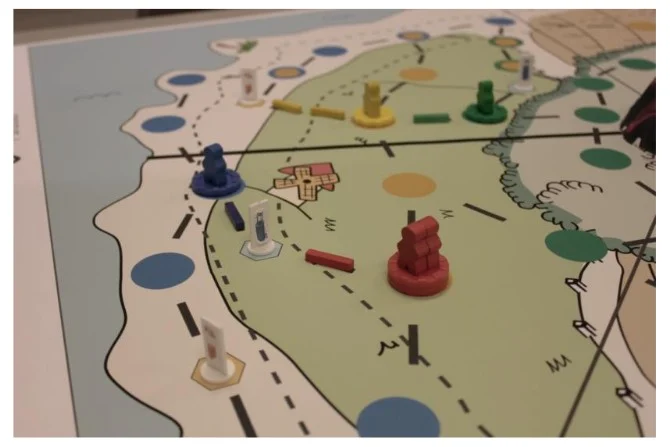
There is no better thing, on a cold and stormy winter’s evening, than to gather your friends for a night of games / board games. Fire blazing (if you have one), tasty snacks laid out and drinks poured, you are all set to indulge in a night of scheming (if you are playing battle ship), deceit (Cluedo), or even all out comedy (think Pictionary or Charades). The main purpose of the games you are like ...[Read More]
GeoTalk: A smart way to map earthquake impact
Last week at the 2016 General Assembly Sara, one of the EGU’s press assistants, had the opportunity to speak to Koen Van Noten about his research into how crowdsourcing can be used to find out more about where earthquakes have the biggest impact at the surface. Firstly, can you tell me a little about yourself? I did a PhD in structural geology at KULeuven and, after I finished, I started to ...[Read More]