
Hello! My name is Erika Palmerio and I am a newly qualified Dr in space physics from the University of Helsinki, Finland. In this blog post I will talk about my PhD research and my future career plans. The title of my PhD dissertation is “Magnetic structure and geoeffectiveness of coronal mass ejections”. Coronal mass …[Read More]
Solar-Terrestrial Sciences
New insights to the north-south asymmetries of auroral features
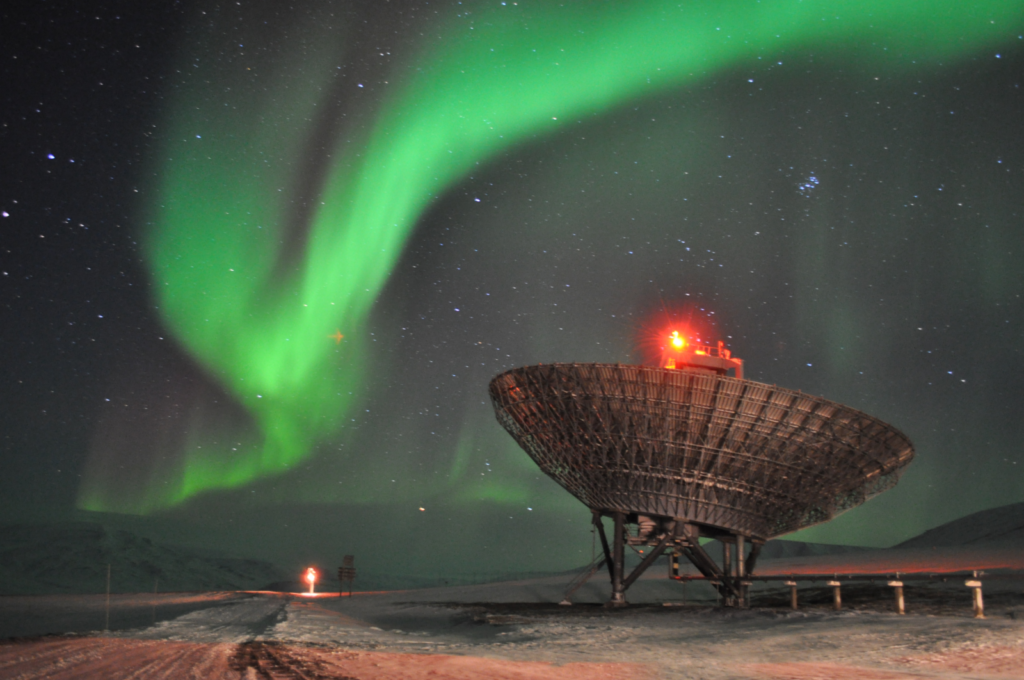
Recent research on the simultaneous displays of aurora in both hemispheres have lead to new knowledge of how large-scale asymmetries in the global magnetic field configuration can arise and be mitigated. This new understanding is contrary to what has been the consensus in the field, and was recently highlighted in a press release from the …[Read More]
Web-based Tools for Forecasting Solar Particle Events and Flares
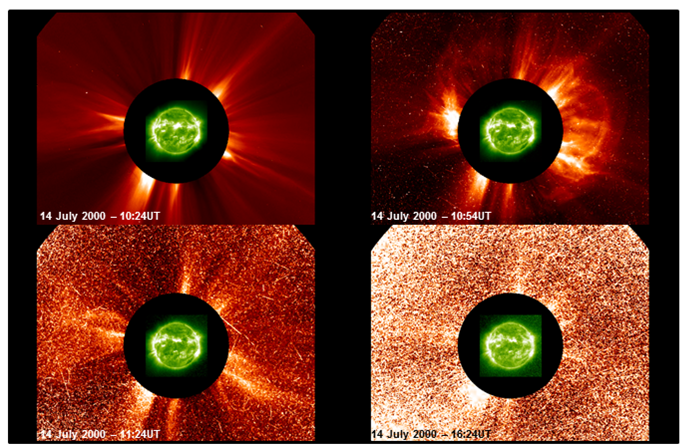
The presence of Solar Energetic Particles (SEPs) poses a serious health risk to humans in space, can result in increased radiation doses for high-latitude aircraft flights and constitutes a serious hazard for the micro-electronics and other hardware elements of satellites, aircraft and launchers. These groups of end users need reliable forecasts of possible enhancements in …[Read More]
FOXSI: The NASA mission that combines rockets, flares, and X-rays
For decades, high-energy aspects of the Sun have been studied using indirect imaging and spectroscopy in hard X-rays (HXR) by the pioneering RHESSI spacecraft. However, advanced understanding of small-scale energy releases and particle acceleration in the outermost layer of the Sun require better sensitivity and dynamic range, which can be achieved by using direct focusing …[Read More]
EGU for Early Career Scientists
This months post is written by the ST Divisions Early Career Scientist representative, Theresa Rexer. Are you ready for the EGU general assembly 2019? Got your abstract ready and submitted? No, what? Too early you say? No funds? As your Early Career Scientist Representative, let me tell you why now is the perfect time to start …[Read More]
A close-up journey to the Sun: The Parker Solar Probe Mission
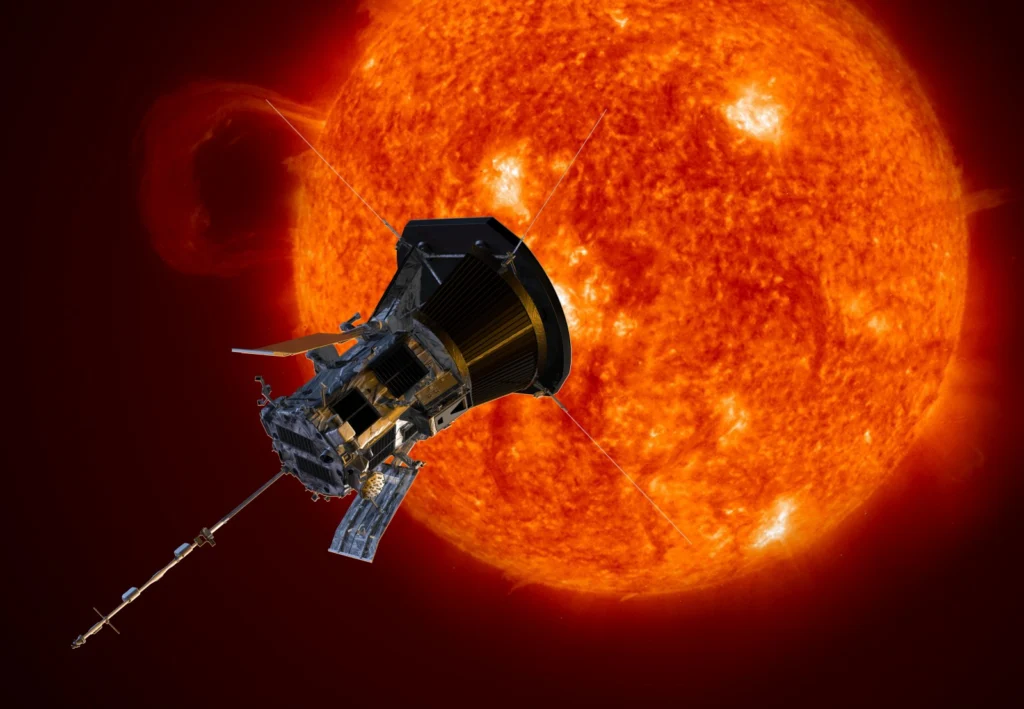
Almost two months ago, in August 12, 2018 Parker Solar Probe (PSP) launched by NASA on a Delta IV Heavy rocket from Cape Canaveral, Florida. This is a long-awaited mission from the Heliospheric community. The first to explore the Sun within distances of ~0.167 AU (or 25 million kilometers) at its perihelia. Its ancestors were …[Read More]
Cosmogenic Radionuclides – The quest of studying the solar activity of thousands of years
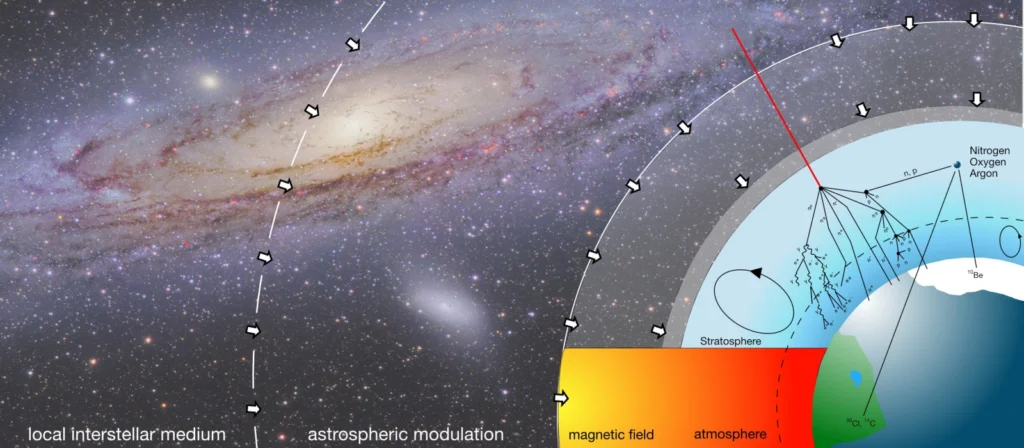
Thanks to the invention of the Neutron Monitor in 1948 and multiple spacecraft which monitor the cosmic ray environment since 1970’s we now have a constant record of the solar activity over almost 70 years. Information prior to this space era, however, are rare and take us back in time only to the late 1930s, when …[Read More]
SunPy: a Python solar data analysis environment
Introduction For many years now we know that our star the Sun influences the Earth in many different ways, via the total solar irradiance, solar energetic particles and coronal mass ejections. Understanding the influence of the Sun on the Earth requires many different types of measurements. For example, NASA’s Solar Dynamics Observatory (SDO) spacecraft, produces …[Read More]
Jaime de la Cruz Rodriguez – ERC success in the field of solar physics
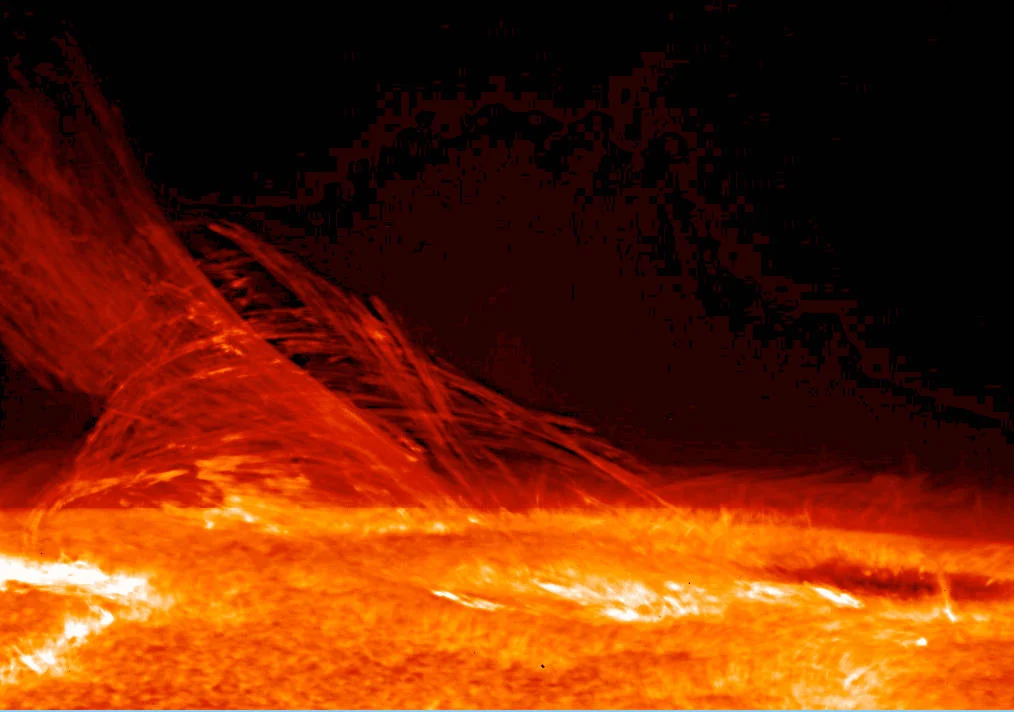
Coronal Heating Problem is one of the Sun’s unsolved mysteries where the corona is heated to over a million degrees and scientists have not figured out where the energy is coming from. Dr Jaime de la Cruz Rodriguez is tackling this 70 year old puzzle by first understanding the layer of the Sun below the …[Read More]
The average magnetic field and polar current system (AMPS) model
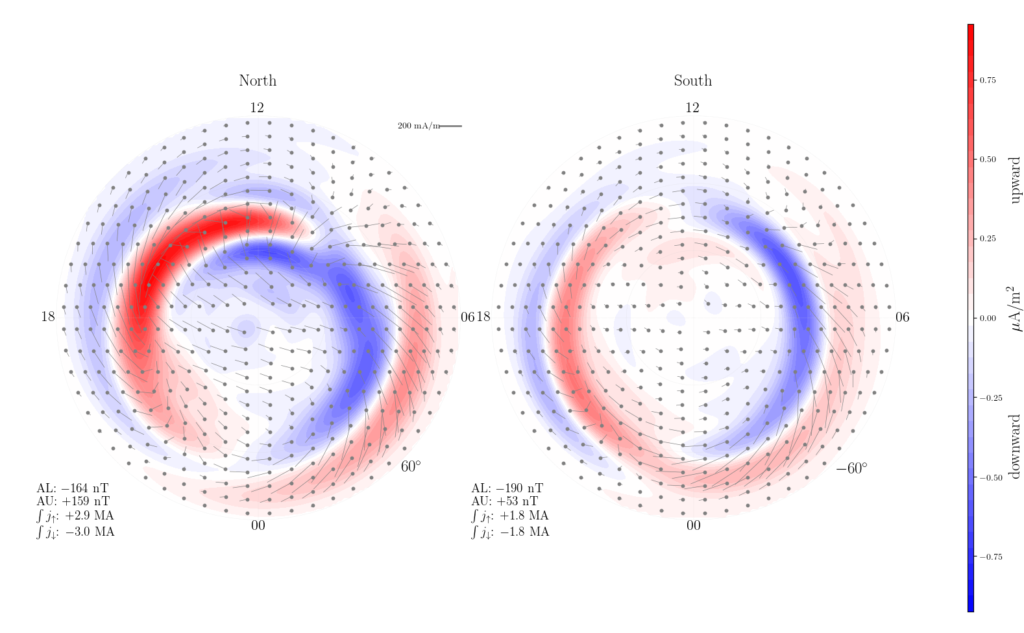
In this month’s post, Karl Magnus Laundal explains a newly developed empirical model for the full high latitude current system of the Earth’s ionosphere, AMPS (Average Magnetic field and Polar Current System). The model is available and documented in python code, published under the acronym pyAMPS. The community is invited to download and explore the …[Read More]