
ST
Solar-Terrestrial Sciences
Avatar photo

Jone Peter Reistad

New insights to the north-south asymmetries of auroral features
New insights to the north-south asymmetries of auroral features

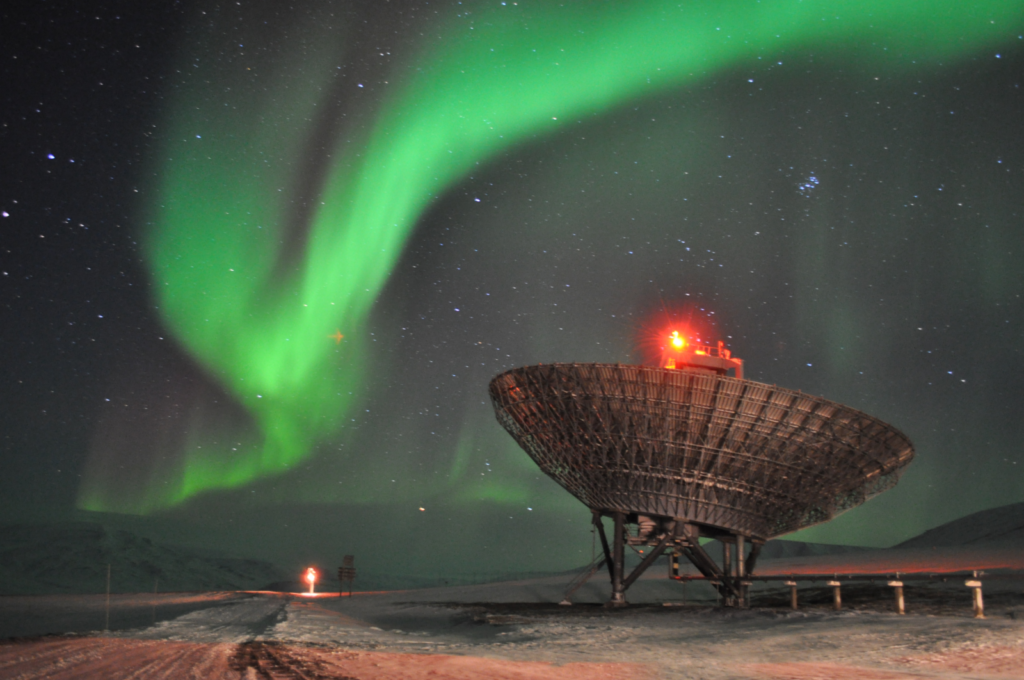
Recent research on the simultaneous displays of aurora in both hemispheres have lead to new knowledge of how large-scale asymmetries in the global magnetic field configuration can arise and be mitigated. This new understanding is contrary to what has been the consensus in the field, and was recently highlighted in a press release from the American Geophysical Union, followed by attention from nume ...[Read More]

EGU for Early Career Scientists

EGU for Early Career Scientists

This months post is written by the ST Divisions Early Career Scientist representative, Theresa Rexer. Are you ready for the EGU general assembly 2019? Got your abstract ready and submitted? No, what? Too early you say? No funds? As your Early Career Scientist Representative, let me tell you why now is the perfect time to start planning your trip to Vienna in April next year. Especially if you are ...[Read More]

The average magnetic field and polar current system (AMPS) model

The average magnetic field and polar current system (AMPS) model

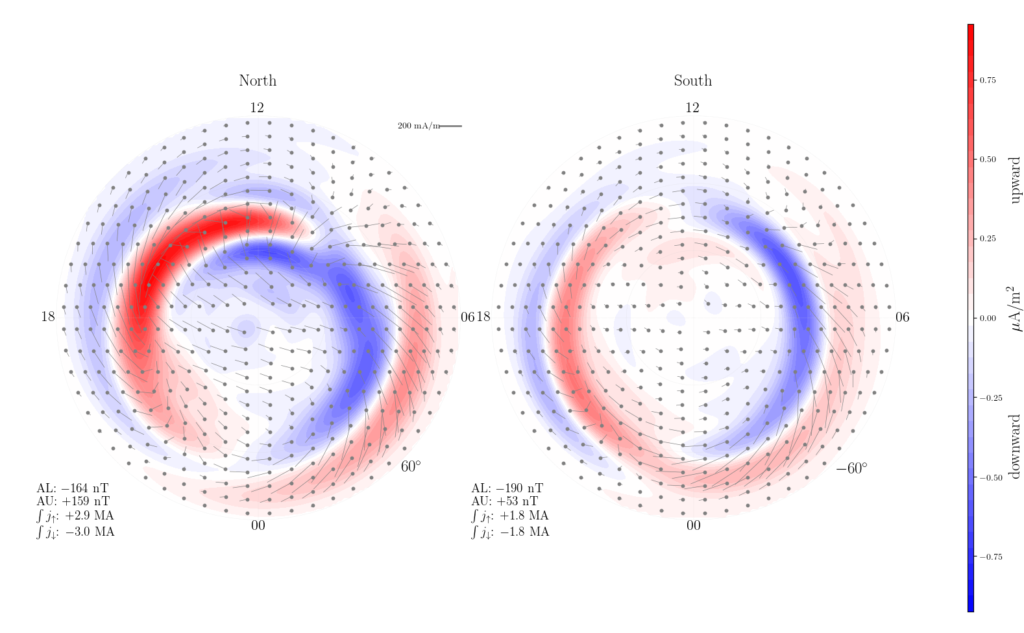
In this month’s post, Karl Magnus Laundal explains a newly developed empirical model for the full high latitude current system of the Earth’s ionosphere, AMPS (Average Magnetic field and Polar Current System). The model is available and documented in python code, published under the acronym pyAMPS. The community is invited to download and explore the electric currents and magentic fiel ...[Read More]

Report from the 2018 EGU General Assembly

Report from the 2018 EGU General Assembly

Last week the 2018 General Assembly were held in Vienna. Gathering 15 075 scientists from 106 countries, this is the most important EGU event throughout the year. Summarizing what happened during the week is an impossible task, as a meeting like this is way more than the 666 individual sessions convened and the 11 128 posters presented during the week. However, in this post I will point to some of ...[Read More]

Social media response to geomagnetic activity

Social media response to geomagnetic activity

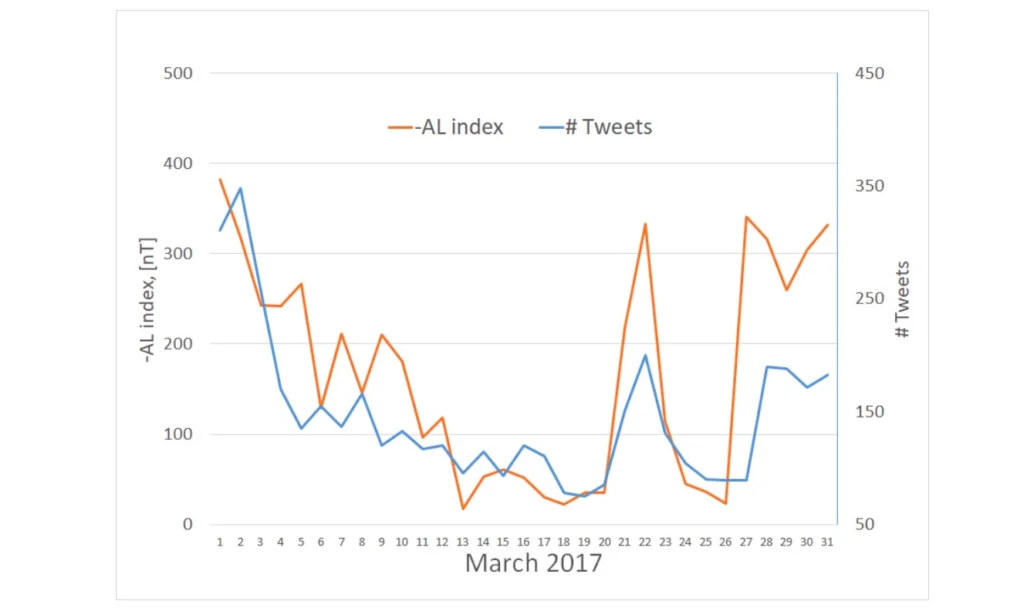
Social media platforms offer every person with internet access the possibility to share content of various kind. The recent increase in social media use globally give birth to new tools and insights, from a different perspective. The size of, and the global nature of the user driven social media, makes one expect it to include information also about geomagnetic activity related to posts of visual ...[Read More]

How do we study the magnetosphere?

How do we study the magnetosphere?

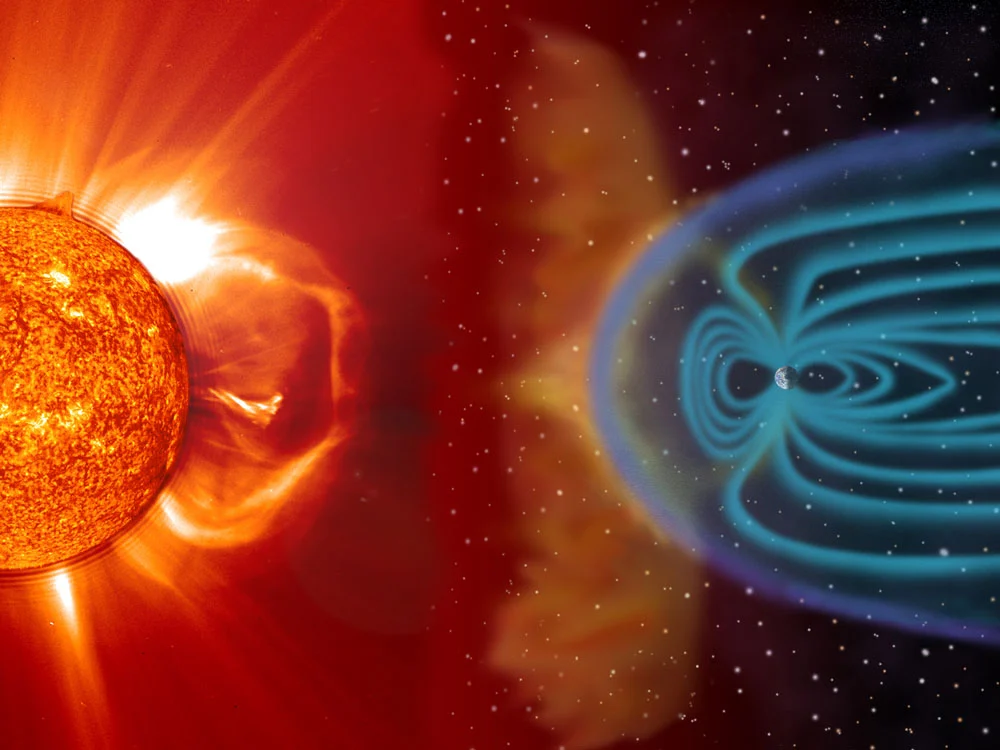
Our closest star, the Sun, is constantly emitting hot gas in all directions as its upper atmosphere, the corona, expands. This is known as the Solar Wind, also carrying with it an embedded magnetic field, the Interplanetary Magnetic Field (IMF).  The IMF originates  at the Sun and forms an enormous spiral throughout the solar system as the solar wind escapes radially, while the magnetic field-line ...[Read More]

EGU for Early Career Scientists

EGU for Early Career Scientists

Are you a student, or have obtained a MSc or PhD degree within the past 7 years? If yes, you are an Early Career Scientist! In the EGU we take great care of the young scientists, and offer a wide range of opportunities, mostly associated with the General Assembly. My name is Jone Peter Reistad and I am the Early Career Scientist (ECS) representative in the Solar-Terrestrial division. My role is to ...[Read More]