
ST
Solar-Terrestrial Sciences
Avatar photo

Athanasios Papaioannou

Athanasios Papaioannou is an Associate Researcher at the National Observatory of Athens (NOA). He works on low energy cosmic rays (CRs) of both galactic (GCRs) and solar (SCRs) origin and uses in-situ plasma measurements to identify the evolution of large scale structures (Interplanetary Coronal Mass Ejections - ICMEs) within the heliosphere, their interaction with GCRs and the resulting Forbush decreases (FDs). Additionally, he analyses and interprets Solar Energetic Particle (SEP) events using both spacecraft and ground based observations. He develops forecasting systems focused on Space Storms and Space Weather with an emphasis on data driven models.

Web-based Tools for Forecasting Solar Particle Events and Flares
Web-based Tools for Forecasting Solar Particle Events and Flares
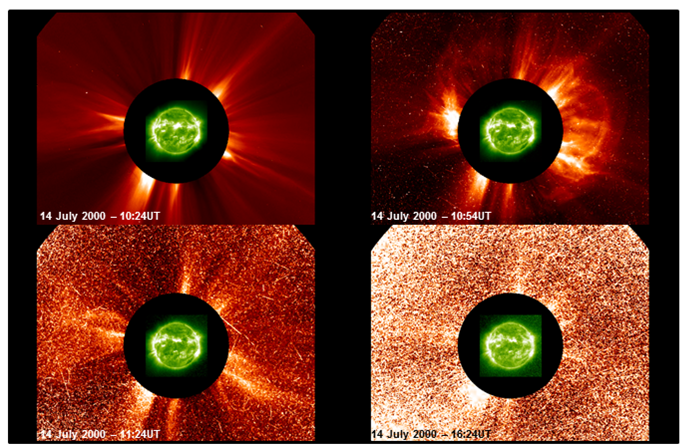
The presence of Solar Energetic Particles (SEPs) poses a serious health risk to humans in space, can result in increased radiation doses for high-latitude aircraft flights and constitutes a serious hazard for the micro-electronics and other hardware elements of satellites, aircraft and launchers. These groups of end users need reliable forecasts of possible enhancements in the radiation flux level ...[Read More]

A close-up journey to the Sun: The Parker Solar Probe Mission

A close-up journey to the Sun: The Parker Solar Probe Mission

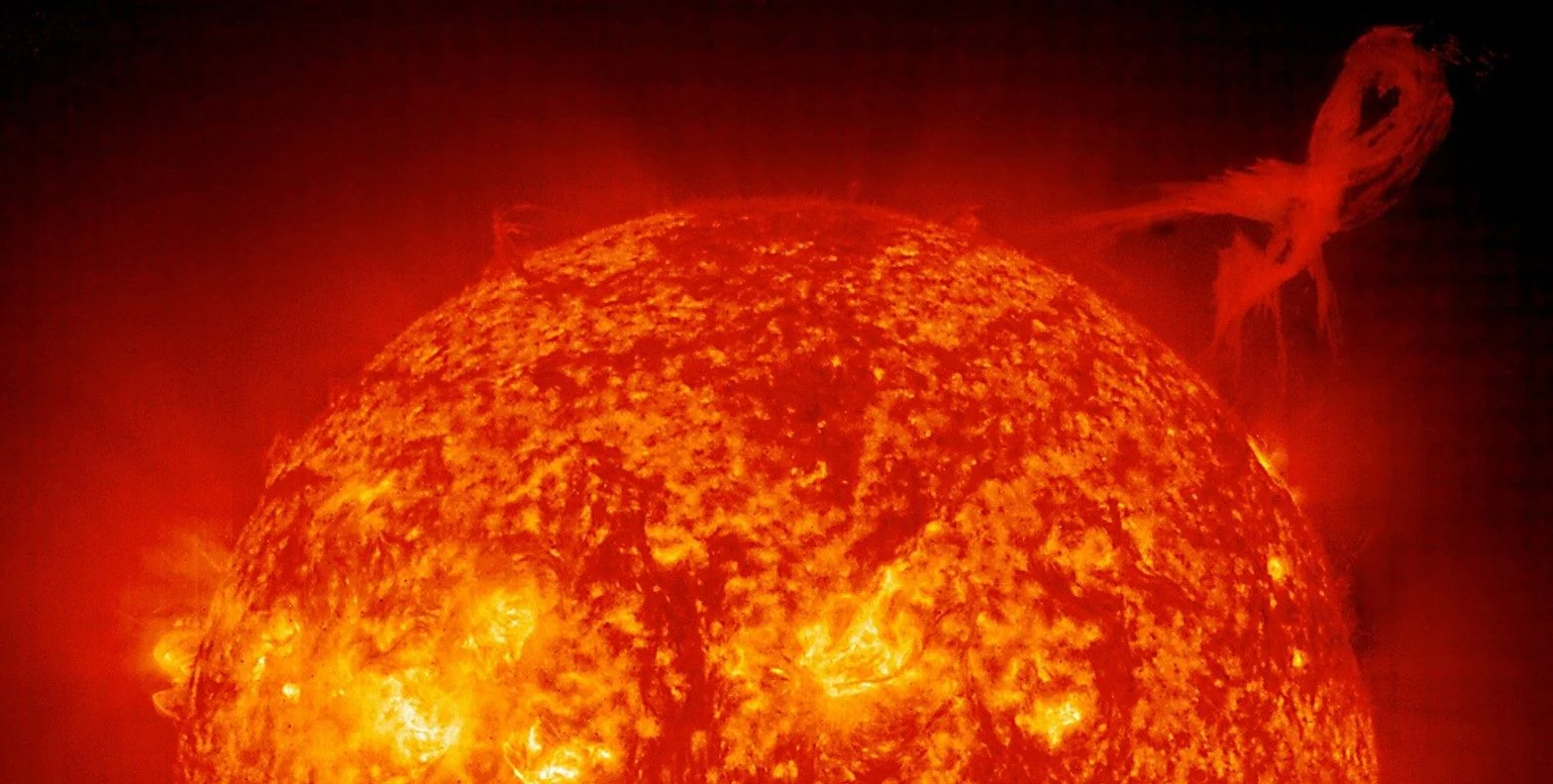
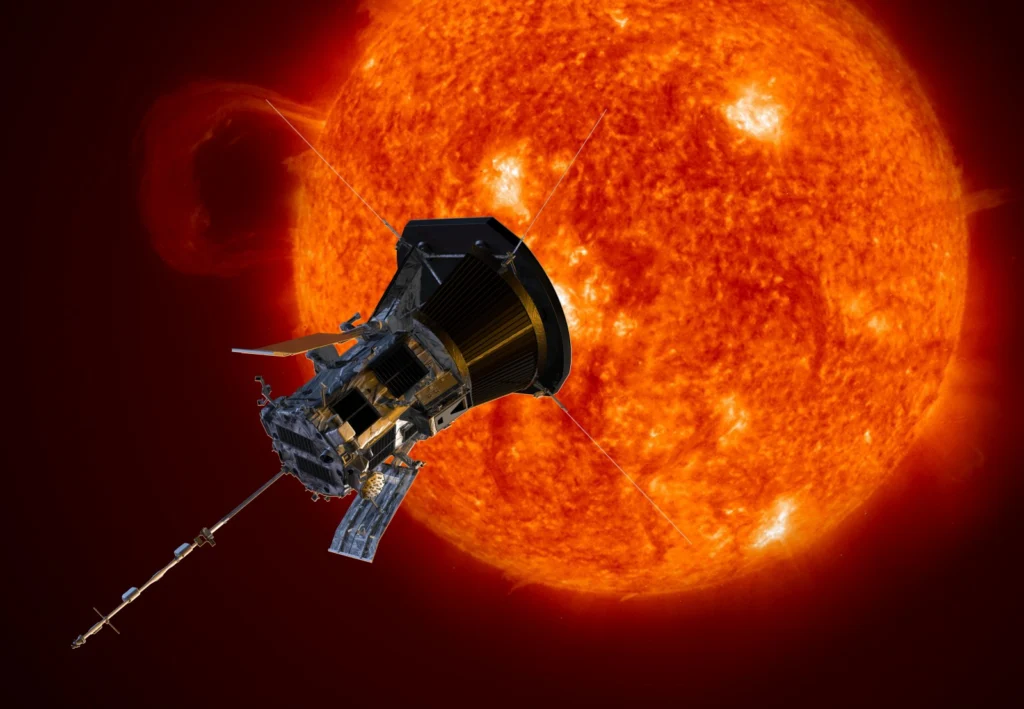
Almost two months ago, in August 12, 2018 Parker Solar Probe (PSP) launched by NASA on a Delta IV Heavy rocket from Cape Canaveral, Florida. This is a long-awaited mission from the Heliospheric community. The first to explore the Sun within distances of ~0.167 AU (or 25 million kilometers) at its perihelia. Its ancestors were the successful Helios -A and -B spacecraft, a pair of probes launched in ...[Read More]

Cosmogenic Radionuclides – The quest of studying the solar activity of thousands of years

Cosmogenic Radionuclides – The quest of studying the solar activity of thousands of years

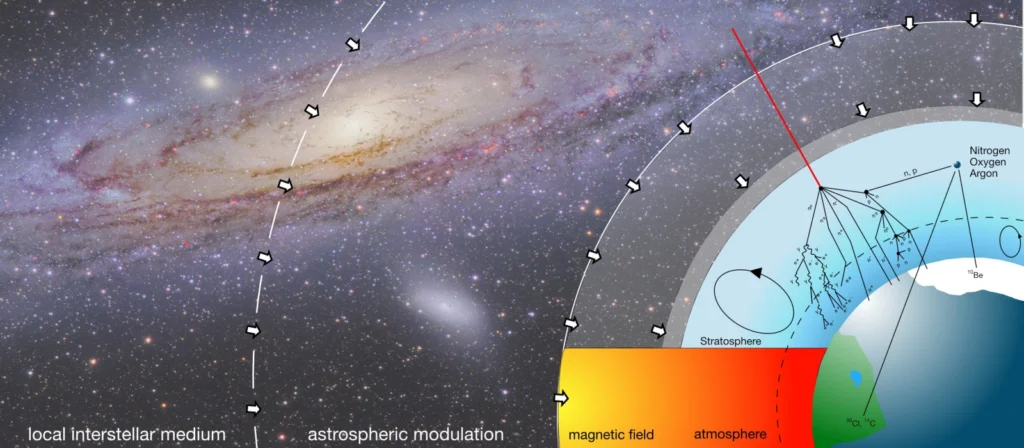
Thanks to the invention of the Neutron Monitor in 1948 and multiple spacecraft which monitor the cosmic ray environment since 1970’s we now have a constant record of the solar activity over almost 70 years. Information prior to this space era, however, are rare and take us back in time only to the late 1930s, when ionization chambers have been introduced. This of course allows us only a narr ...[Read More]

Prof. Ilya Usoskin – A discussion with an inquiry mind

Prof. Ilya Usoskin – A discussion with an inquiry mind

In the May issue of the Life of a Scientist we have the pleasure to talk to Prof. Ilya Usoskin from the Univeristy of Oulu, Finland. Among numerous things, he is the head of the Oulu Cosmic Ray station and receipent of this year’s Julius Bartels EGU Medal; a decision that was based:  “on his contributions to the understanding of the heliosphere, long-term changes in the solar activity ...[Read More]

Cosmic rays – messengers from space

Cosmic rays – messengers from space

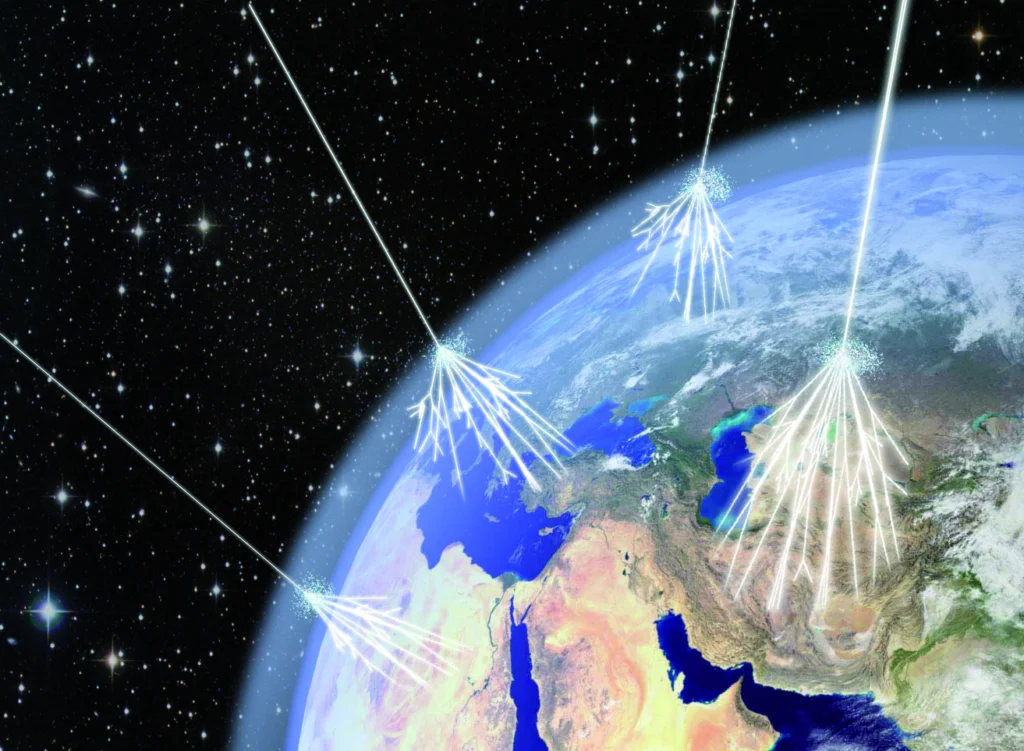
Cosmic rays (CRs), are not actually rays, but highly energetic charged particles of extraterrestrial origin. The life cycle of a cosmic ray particle starts with its birth at some point in the Universe, its travel at nearly the speed of light and finally with its death ( e.g. at a detector). These highly energetic particles strike our planet from all directions and thus provide a constant backgroun ...[Read More]

Miho Janvier – The Quest for Solar Storms

Miho Janvier – The Quest for Solar Storms

In this month’s (first ever for our blog) Life of a Scientist interview, we are very happy to talk to Dr Miho Janvier, a Researcher at the Institut d’Astrophysique Spatiale in Orsay (France), whose work has shed some light on the understanding of solar eruptions and coronal mass ejections  (or solar storms) from their birth in the Sun’s corona to their evolution in interplanetary space ...[Read More]

Welcome

Welcome to the ST division blog! The Solar-Terrestrial (ST) Division of European Geosciences Union (EGU) is starting its own blog! The blog is an initiative by a group of enthusiasts who met during the EGU’s General Assembly in April 2017. We are thrilled to set up this blog that will keep our readers informed about a range of topics relevant to the science of the division. The influence of the Su ...[Read More]