
ST
Solar-Terrestrial Sciences
Avatar photo

Kamalam

Kamalam Vanninathan has a PhD in Solar Physics and has done a post-doc at the University of Graz. She has shifted focus from research to scientific funding and currently works for STFC. She is also an aspiring science communicator and loves nothing more than to be able to share the latest and greatest science has to offer! She tweets as @DrKamalamV.

FOXSI: The NASA mission that combines rockets, flares, and X-rays
FOXSI: The NASA mission that combines rockets, flares, and X-rays

For decades, high-energy aspects of the Sun have been studied using indirect imaging and spectroscopy in hard X-rays (HXR) by the pioneering RHESSI spacecraft. However, advanced understanding of small-scale energy releases and particle acceleration in the outermost layer of the Sun require better sensitivity and dynamic range, which can be achieved by using direct focusing …[Read More]

SunPy: a Python solar data analysis environment

SunPy: a Python solar data analysis environment

Introduction For many years now we know that our star the Sun influences the Earth in many different ways, via the total solar irradiance, solar energetic particles and coronal mass ejections. Understanding the influence of the Sun on the Earth requires many different types of measurements. For example, NASA’s Solar Dynamics Observatory (SDO) spacecraft, produces …[Read More]

Dr. Helen Mason – Solar space missions: a life with the Sun

Dr. Helen Mason – Solar space missions: a life with the Sun

In the December issue of Life of a Scientist we have an interview of Dr. Helen Mason. She was working at the Department of Applied Mathematics and Theoretical Physics at the University of Cambridge, UK until recently when she retired. Her research interests include UV and X-Ray spectrum of the Sun. She has also devoted …[Read More]

Eyes on the Sun

Eyes on the Sun

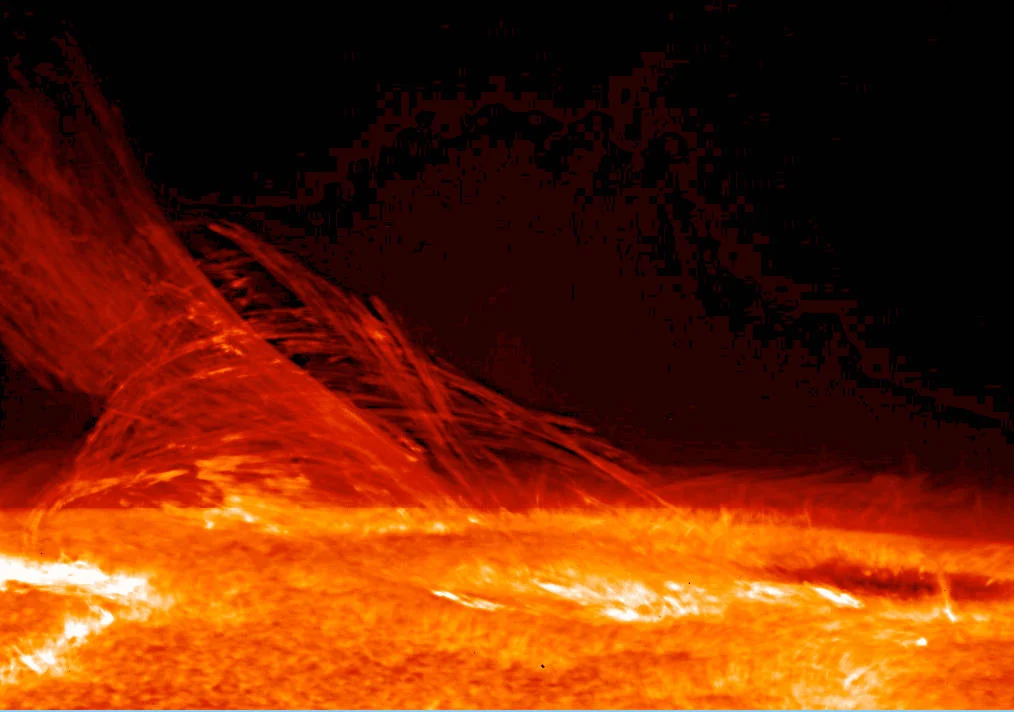
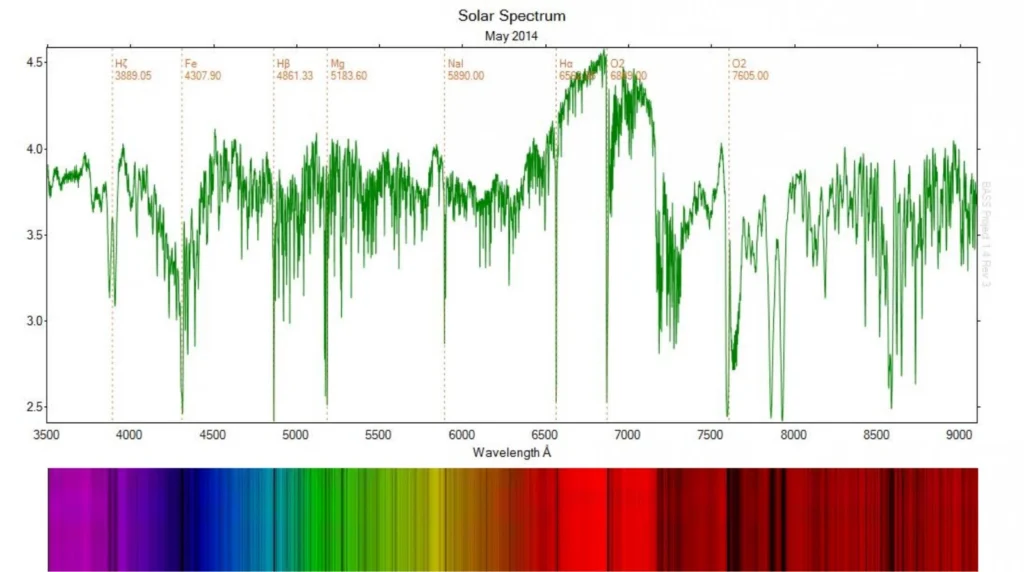
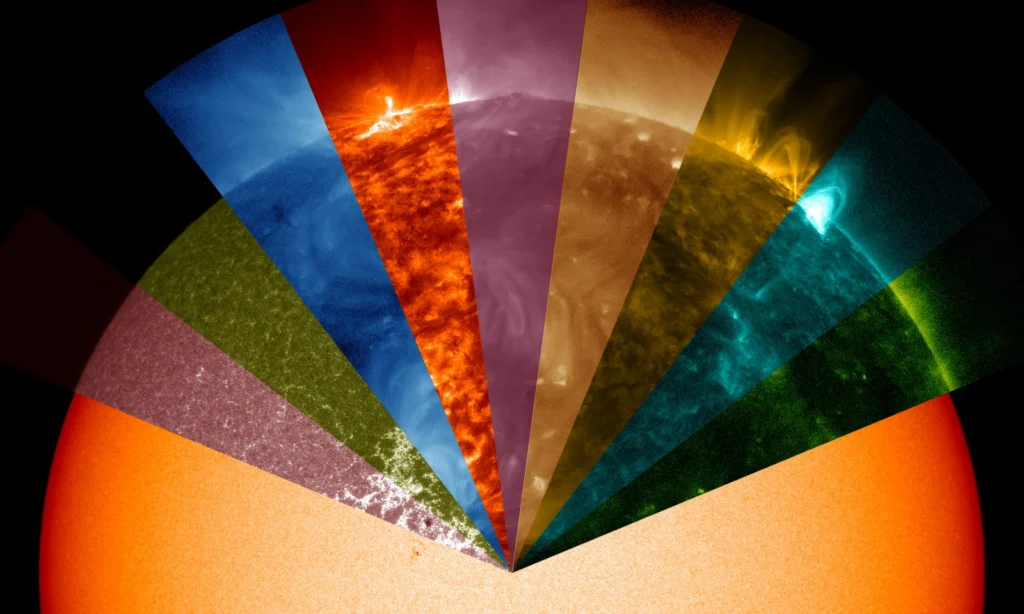
The Sun is a complex, dynamic ball of plasma which influences our lives. Studying the Sun is challenging because each of its layers have different composition, physics and wavelengths of emssion. Moving outwards from the photosphere (visible surface of the Sun), we have the chromosphere and the corona (hottest outermost layer). The solar plasma is …[Read More]