SSP
Stratigraphy, Sedimentology and Palaeontology

Uncategorized

County Clare, Ireland: A World-Class Geological Locality
County Clare, Ireland: A World-Class Geological Locality
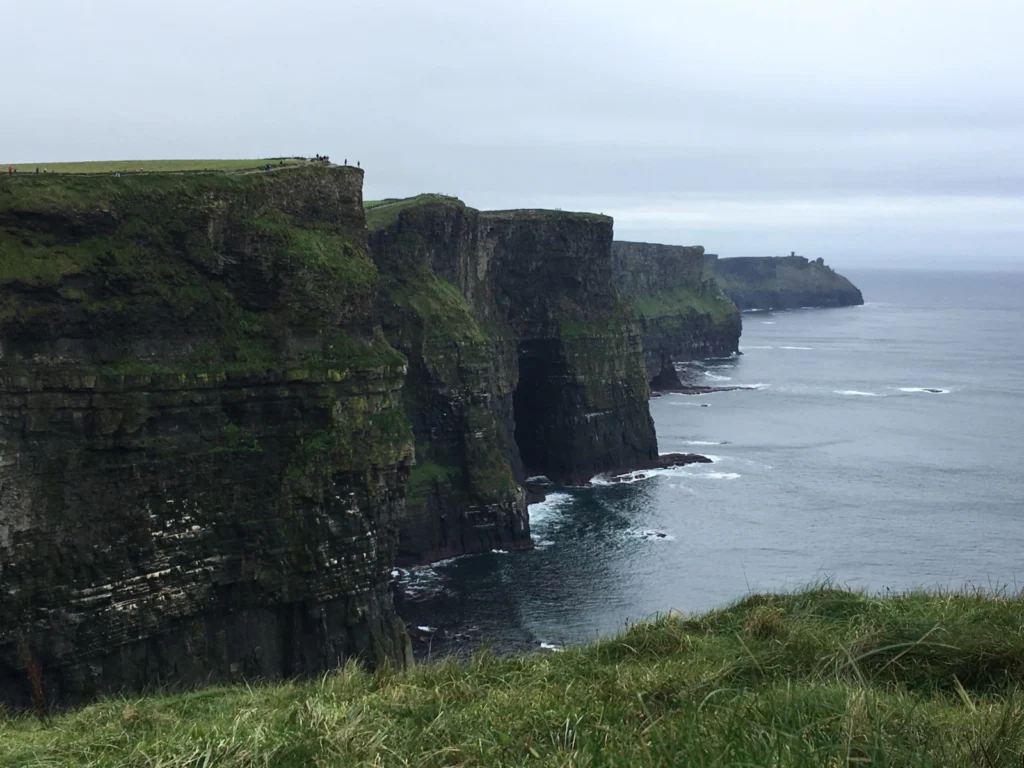
By John Counts and Emma Morris. Europe has a wide variety of interesting sites for geologists, including areas with scientifically interesting formations, amazing scenery, and classic outcrops, many of which are recognized for their international geological significance and are designated as UNESCO Global Geoparks. Rarely, however, do all of these factors come together in such a spectacular way as ...[Read More]

Congo Canyon: A Chat with Dr Steve Simmons

Congo Canyon: A Chat with Dr Steve Simmons

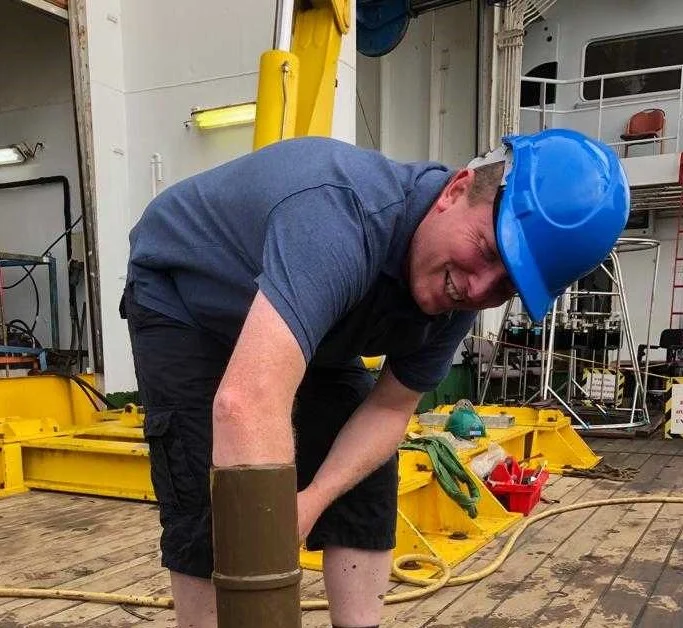
It is always an interesting period when the time comes around for me to write my blog for the SSP page. My research is predominantly in numerical modelling, which would be interesting if I was modelling awesome natural phenomena, but I don’t. I general assess the sensitivities of the numerical models to different sorts of uncertainty and whilst this is important work for understanding the outputs ...[Read More]

Workshop on planning of the Weihe Basin Drilling Project: Cenozoic tectonic-climate interactions – in Xi’an, China

Workshop on planning of the Weihe Basin Drilling Project: Cenozoic tectonic-climate interactions – in Xi’an, China

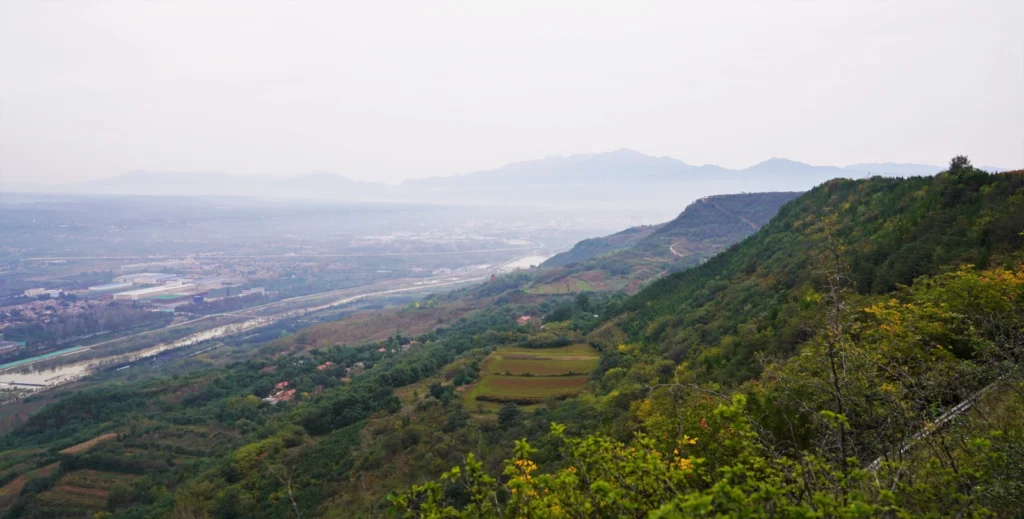
From climate to drilling technology – international participants of the workshop for planning the ‘Weihe Basin Drilling Project: Cenozoic tectonic-climate interactions’ covered a wide range of topics. In Xi’an, Institute of Earth Environment, Chinese Academy of Sciences (IEECAS) invited an international team of researchers to discuss a possible International Continental Scientific Drilling Program ...[Read More]

Use of Ultraviolet Light in Plattenkalk Research

By Jack Wilkin. One of the techniques used to examine fossils in the laboratory is photography with the aid of UV light. Ultraviolet light causes minerals in the fossils to fluoresce creating a clearer contrast between the fossil and the surrounding matrix. Ultraviolet photography is a cost-effective laboratory technique that can be readily applied to a wide range of strata types and taxonomic gro ...[Read More]

Architecture and sediments, heritage and future

As geoscientists in Europe, we should consider ourselves to be very lucky to have a rich architectural heritage. The first insights we gain about the geology of an area can be read in beautiful historic buildings. For centuries, construction and architecture have been driven by two constraints: adapt to the local environment, and use locally available materials. Heritage buildings thus represent v ...[Read More]

The hard part of life: the secrets of biomineralization

Biomineralization is a fascinating natural process by which living organisms produce hierarchical mineral structures with diverse functions. The “secrets” of biomineralization are explored by the scientists since decades but there are still open questions regarding its function, the regulating mechanisms and why and when biomineralization started.This process occurs through self-organization of or ...[Read More]

Investigating the climate history of Central Asia in Kashmir/India

As in most arid areas, dust storms are quite common in India. Repeatedly, the wind carries large quantities of dust from the Thar Desert in the south-west into the Asian country, sometimes across long distances. There have also been dust storms in India in the past, making geoarchives of aeolian dust a suitable recorder of the past local climate- and dust history. When the climate was rather warm ...[Read More]

Slimy Landscapes 2: This time it’s Precambrian

Slimy Landscapes 2: This time it’s Precambrian

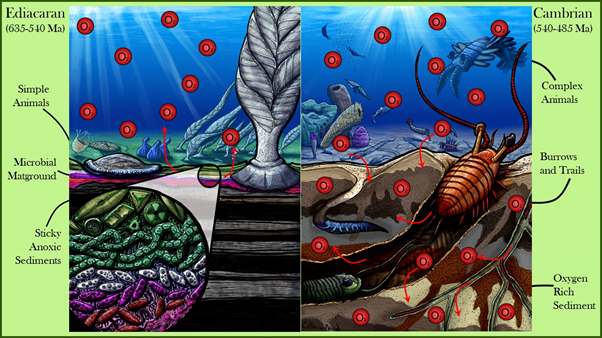
Slime is important to the developments of Earth’s landscapes – I have already explored this in a previous post where I learnt how Extracellular Polymeric Substances (EPS), a fancy phrase for a slime produced by organisms, can bind sediments together and making them resistant to erosion. This has impacts on the development of landscapes, from the types of bedforms forming below flows, the rate at w ...[Read More]

DeepDust ICDP workshop in Norman, Oklahoma, USA discussed drilling the equatorial terrestrial Permian

From microbiology to geophysics – more than 50 international participants of the first DeepDust Workshop covered a wide range of topics. In Oklahoma researchers exchanged views on a possible international drilling project to study the continental geology of the Permian. During a change from the cold to a warm period, large ice masses melted. This may provide interesting insights into current and f ...[Read More]

EGU goes greener, let’s go greener to EGU

For those in a rush, here is the conclusion already: EGU is doing great efforts to become more environmentally friendly, but the huge issue of any conference lies in one aspect: participants flying there… Could we, participants, rush into the train next year? I would not have realized all the evolutions of this year’s EGU2019 General Assembly if they had not been told to me. And that w ...[Read More]