
Oceans are “populated” by millions of specimens of microscopic organisms which constitute the phytoplanktonic communities (e.g. diatoms, dinoflagellates, cyanobacteria and coccolithophorids). These tiny organisms are important indicators of the “health” of present oceans and their remains constitute important tracers of past paleoenvironmental conditions. The ocean is in fact the oldest and largest ecosystem on Earth …[Read More]
Uncategorized
When lava meets water…
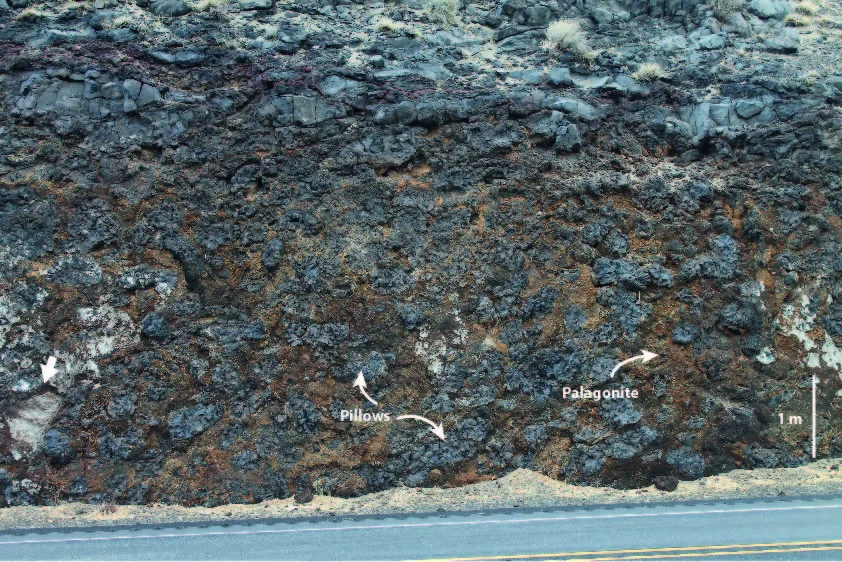
Pillow-palagonite complex forming as a result of hot lava entering a former river channel or lake in the Columbia River Flood Basalt Province, Washington State, USA (c. 15 My). Individual sediment packages were picked up from the bottom of the water body and trapped within the lava complex (see white arrow). Orange-brown palagonite is a …[Read More]
EGU’s lost strata… what happens to conference carpets?
Being a stratigrapher or not, there’s one stratum you have all trod upon if you ever went to the General Assembly (GA), without probably noticing it. The uppermost unit of EGU’s GA floor, a ca. 5 mm thick layer with a soft rubbery texture and peculiar light-grey colour, outcropping over the whole poster halls: Carpet! …[Read More]
Famous geological sites: Delicate Arch, Utah
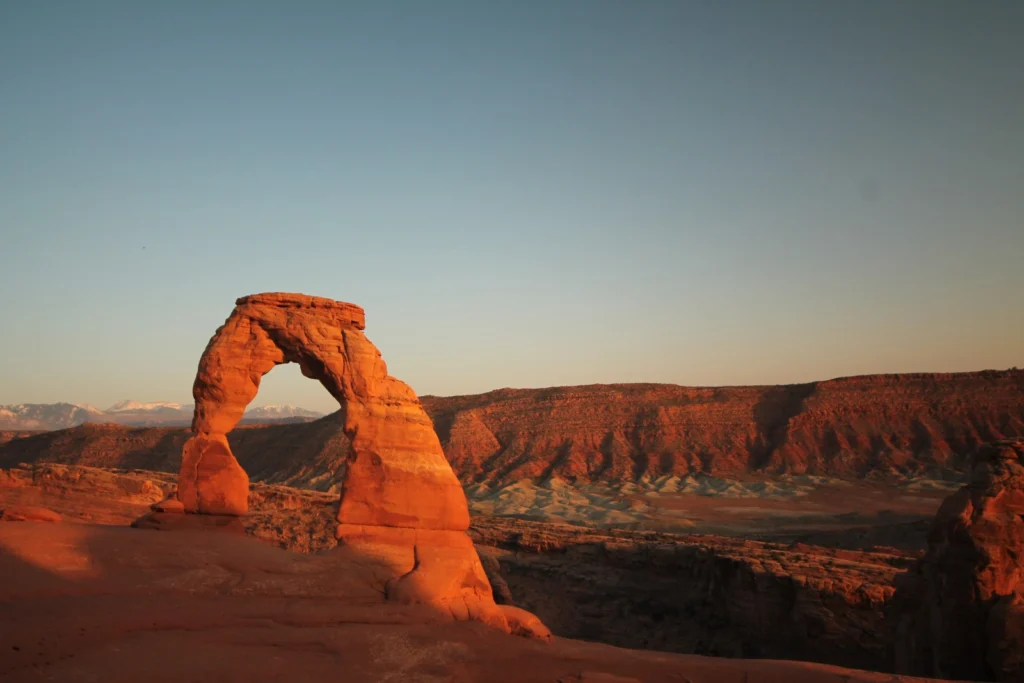
Delicate Arch is probably the most spectacular natural arch in Arches National Park, Utah. Delicate Arch is made of the Middle Jurassic Entrada Sandstone, which was deposited in various environmental settings, particularly beaches, tidal mudflats and deserts. Arches National Park attracts more than 1.5 million visitors per year.
The world about pollen
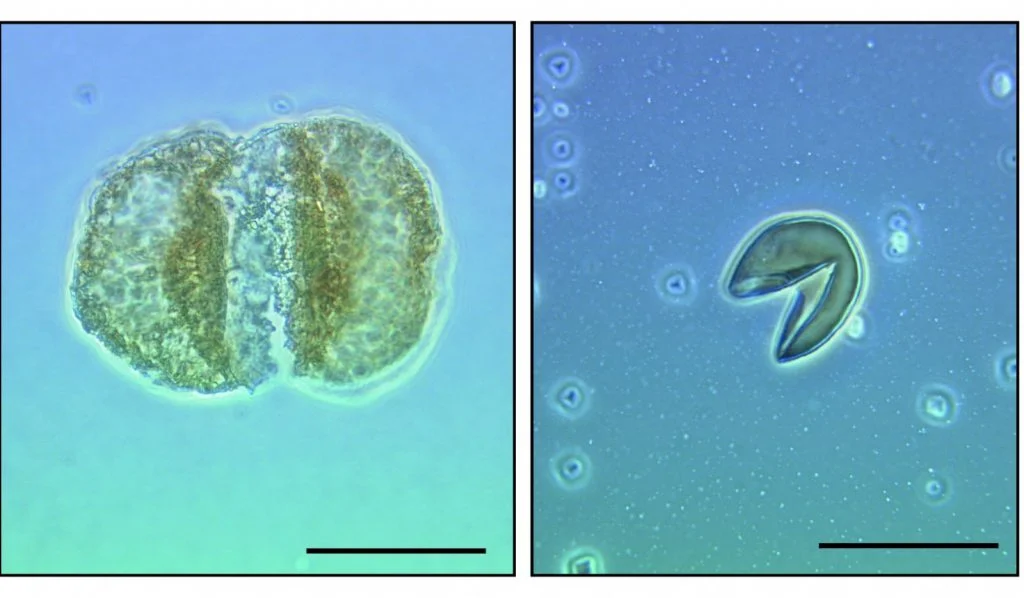
Pollen – for many people rather an irritant across spring, summer and autumn when trees and flowers are in bloom. Individual pollen grains are between a few µm (micrometre, which is one thousandth of an mm) and >130 µm in diameter. This size range is impossible to see with the naked eye unless the pollen …[Read More]
Blame it on the Weatherman
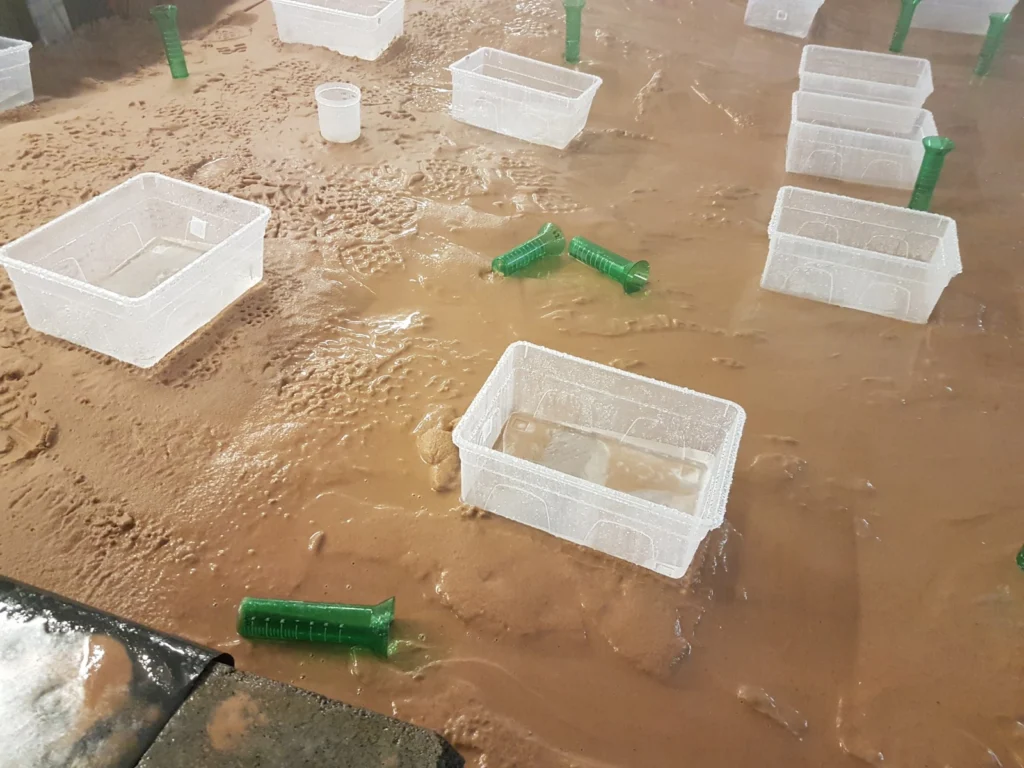
I like rain. Being British, this is a useful trait. It’s also what led me to do a PhD in Hydrometeorology. Since then, I have researched in hydrology, hydraulics, geomorphology, and more recently I have dabbled in sedimentology. Yet, the common theme through all of my research has been rain. I think it’s often underappreciated …[Read More]
Picture of March
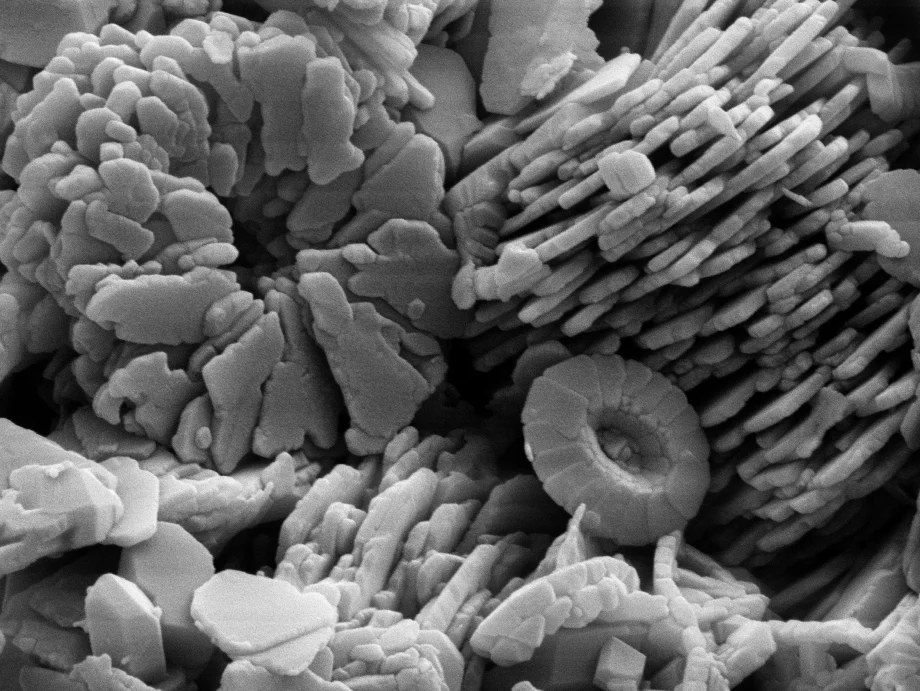
Ocean drilling: 50 years of explorations
After 50 years of ocean explorations, scientists continue to rely on cored material from beneath the ocean floor. The material recovered during oceanographic expeditions constitutes, in fact, a great archive where to look for answers to unravel the Earth’s system history. Over the last decades, subsequent scientific ocean drilling programs (Deep Sea Drilling Project, Ocean …[Read More]
SSP blog goes live!
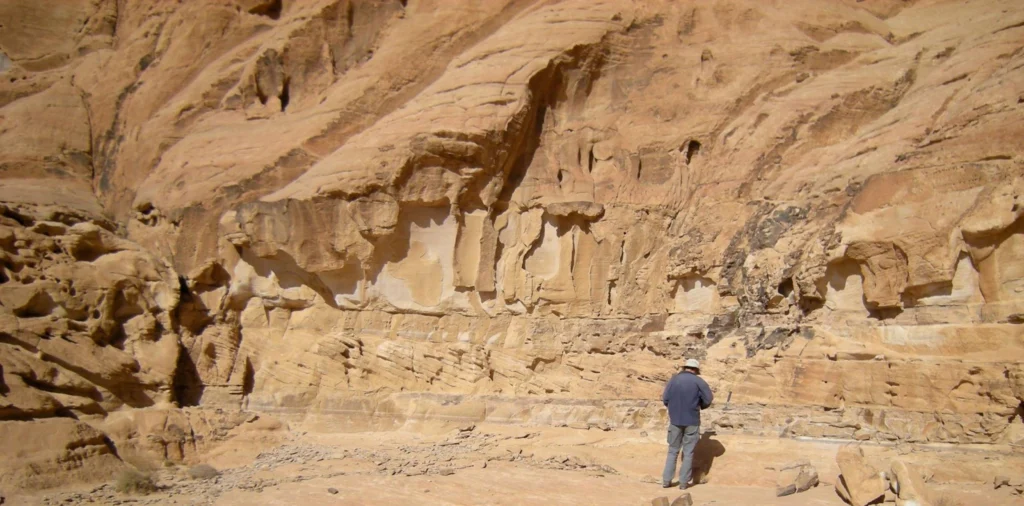
We are delighted to officially launch the blog of the Stratigraphy, Sedimentology and Palaeontology (SSP) division of the EGU! Our community is broad and interdisciplinary, and we hope to establish a platform for sharing up-to-date information on SSP related topics such as (but not limited to): Latest news, publications and reviews in SSP academic and …[Read More]
Xenoconformity! Welcome to the new-born in the stratigraphy family
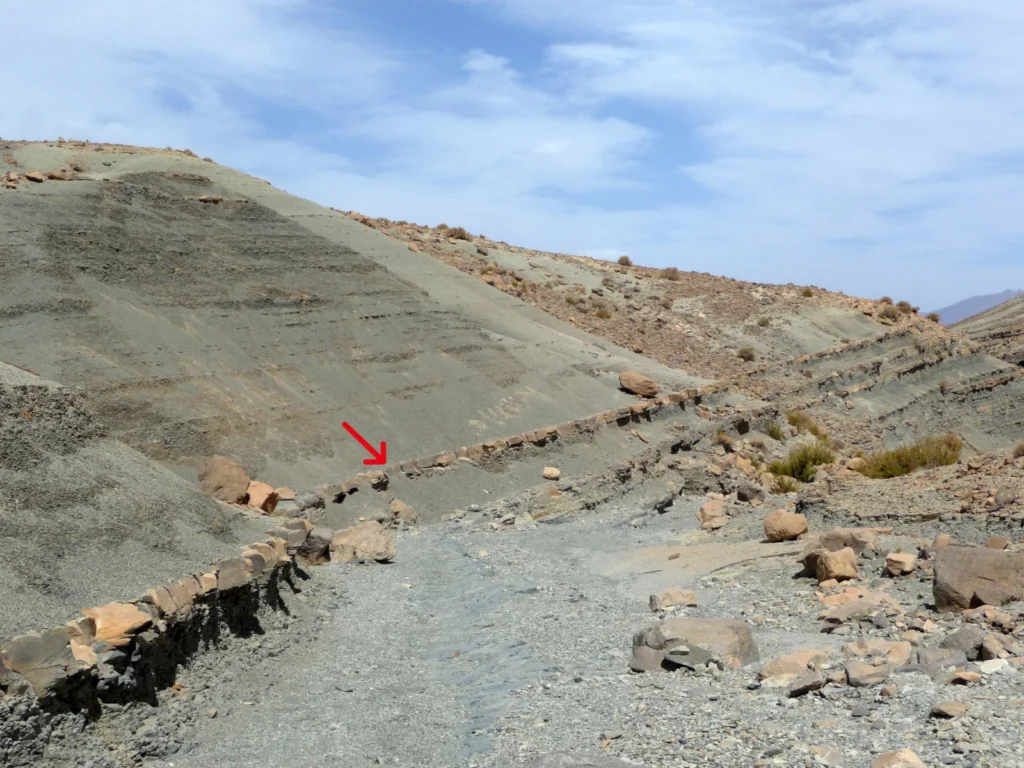
Every geologist has heard at least once in his career the term unconformity and all its different flavours (e.g. disconformity, paraconformity, angular unconformity, etc…). These terms are part of the basic learning in geology, often taught during first year classes in Stratigraphy. Well, it seems we’ll have to add one term in these lectures: Xenoconformity! …[Read More]