SSP
Stratigraphy, Sedimentology and Palaeontology

Uncategorized

Sediment in the deep ocean, Part 1: flows that shape the seafloor.
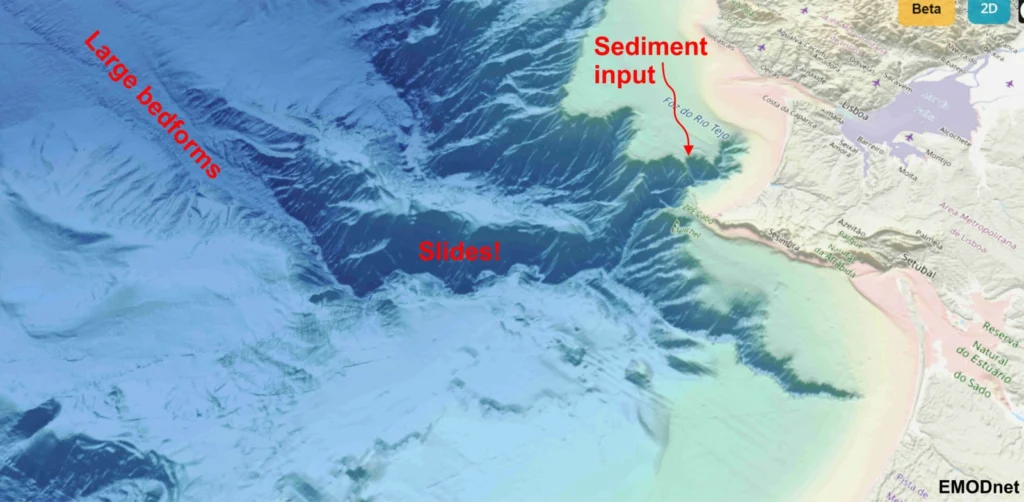
Sediment in the deep ocean, Part 1: flows that shape the seafloor.
Most of us know about the existence of waves and tides. We can see them along our coasts and, even if we do not pay much attention, we also know that waves and tides move sediment that rests on the seafloor: sand, mud, shells and…plastics. We all can see ripples and small channels on beaches or estuaries created by the movement of water from waves and tides. If we scuba dive down to a few tens of ...[Read More]

What’s my age again? Comparing dating methods in loess

What’s my age again? Comparing dating methods in loess

As you have learned from our previous posts, loess is a widespread terrestrial sediment, known to be an important archive for the changes of past environmental and climatic conditions. In order to use loess as a proxy, we first need to investigate the age of the sediments. In loess, different dating methods can be used, such as luminescence dating, radiocarbon dating, magnetic stratigraphy, and or ...[Read More]

Geoscience for the Future with Dr Natasha Dowey

Geoscience for the Future with Dr Natasha Dowey

The Geosciences are at the forefront of the fight against climate change. It is Geoscientists who discovered it and explained it, and it is Geoscientists who work to understand it and its consequences. Geoscientists undoubtedly will be amongst those who will lead us to the solutions. However, it often seems that Geoscientists are solely associated with the extractive industries, a damaging false p ...[Read More]

Fossils on screen

In these days fossils are becoming the new Hollywood stars as we are more and more pushed to use new -or sort of new- approaches for disseminating paleontology which pass through a screen. Technology is providing us with several ways to reach homes, colleagues throughout the world, or classrooms to share our research. The EGU General Assembly meeting itself will be online in 2021. Popular museums ...[Read More]

What do (Consulting) Sedimentologists do all day?

What do (Consulting) Sedimentologists do all day?

When I graduated in the 80’s, a job in oil and gas was seen as a glamorous and exciting career for a geoscientist. Even some dramatic falls in the oil price could not dent the optimism within the industry, and oil cities like Calgary thrived. However, life for geologists working in our city has changed dramatically over the last few years. A peak oil price of around $106 per barrel in June 2014 wa ...[Read More]

When huge masses of salt move underground: lessons from outcrops that go beyond the table salt

When huge masses of salt move underground: lessons from outcrops that go beyond the table salt

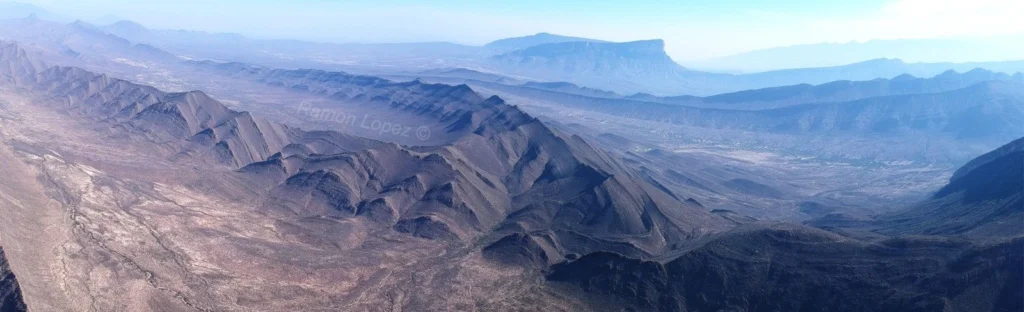
There is a place in the NE of Mexico where anyone can learn heaps about the dynamics of the ground beneath our feet while enjoying the wonders of the desert. Geologists call the area ‘La Popa Basin’. La Popa means “The Bow”, a name that comes from the shape of one of the mountains in this area, which resembles the front part of a very large boat. This place is a perfect training field for ge ...[Read More]

Tips for presenting a Webinar

Tips for presenting a Webinar

While many of us are experienced in giving presentations before a variety of audiences, for some, the switch to a remote presentation format can be daunting. With this in mind, and based on our experiences at sedsonline.com I have put together the following tips for our community – these are in no way exhaustive, but I do hope that you find them useful and I welcome any feedback or comments. Happy ...[Read More]

Desert loess: formation, distribution, geoscientific value

Desert loess: formation, distribution, geoscientific value

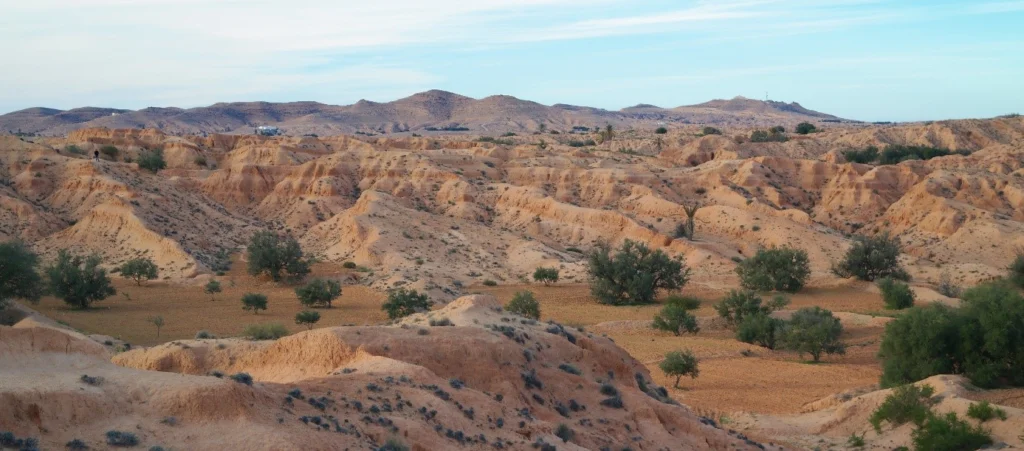
Loess is an aeolian (wind-driven) silty sediment covering over 10% of the Earth’s land surface; it occurs predominantly in the mid-latitudes. On a global scale, loess is among the most widespread unconsolidated sediments, and of crucial importance for agricultural regions where loess deposits are known to form fertile soils because of its ability to store water and retain nutrients. Loess is compr ...[Read More]

Who needs stratigraphers, sedimentologists and palaeontologists? Evolving roles through the energy transition.

Who needs stratigraphers, sedimentologists and palaeontologists? Evolving roles through the energy transition.

By Mike Simmons and Andy Davies. It seems that geoscience is facing something of an existential crisis. The September 2020 issue of Geoscientist, the magazine of the Geological Society of London, contains a number of articles on the future of geoscience and its relevance to society. At the heart of the concerns are a drop in student numbers, with total 2019 undergraduate student enrolments down by ...[Read More]

Adaptation and inheritance in the geosciences

Every year, the Stratigraphy, Sedimentology and Paleontology Division awards one scientist for their outstanding contribution to stratigraphy, sedimentology or paleontology with the Lamarck medal in recognition of the scientific achievements of Jean-Baptiste Lamarck (Bazentin-le-Petit, 1-02-1744 – Paris, 18-12-1829). It was the 11 May 1800 when Jean Baptiste Lamarck presented a lecture at the Musé ...[Read More]