SSP
Stratigraphy, Sedimentology and Palaeontology

Uncategorized

Mass Transport Deposits – The smoking gun of submarine landslides
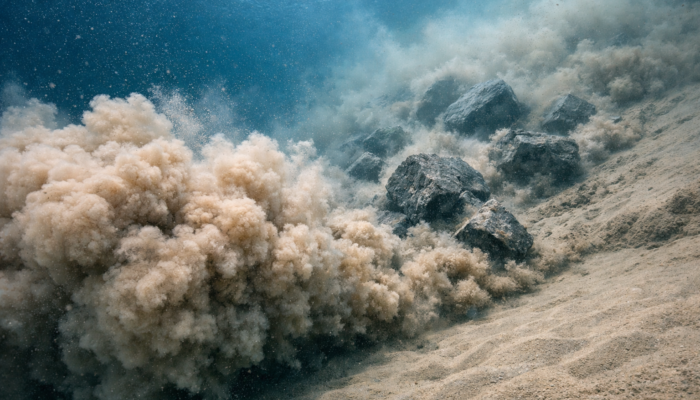
Mass Transport Deposits – The smoking gun of submarine landslides
When we think about landslides, we usually picture mountain slopes collapsing after heavy rain or earthquakes. Similar phenomena, often much larger, also occur beneath the sea along continental margins and across the deep ocean floor. Geologists refer to the deposits left behind by these collapses as Mass Transport Deposits, commonly abbreviated as MTDs. When several of these deposits form part of ...[Read More]

Insight into paleo-environmental and -climatic conditions during the Pleistocene period in Kashmir – An understudied and poorly understood puzzle-piece in the interaction-sphere of the Indian Monsoon and Westerly climate-systems

Insight into paleo-environmental and -climatic conditions during the Pleistocene period in Kashmir – An understudied and poorly understood puzzle-piece in the interaction-sphere of the Indian Monsoon and Westerly climate-systems

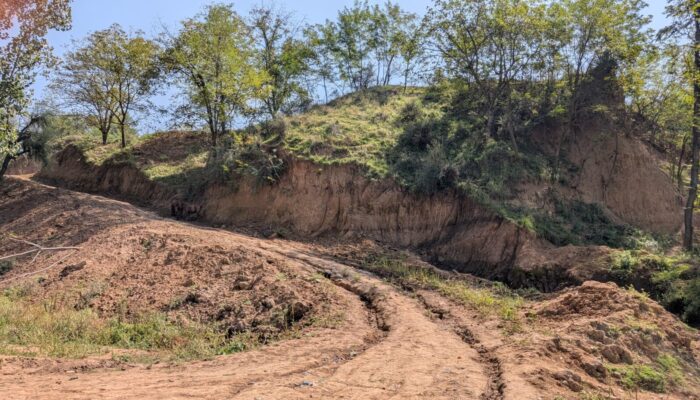
The Indian subcontinent is situated in Southern Asia, where it projects southwards from the Himalayas into the Indian Ocean. Along the northern border of this subcontinent, the Himalayas – home to the earth’s highest mountains on land – stretch with a length of ~2500 km and a width of 300 km. The stunning mountain ranges of the Himalayas provide a considerable physical barrier for air masses from/ ...[Read More]

SEDIMENTARY BASINS OF ALGERIA: THEIR ROLE IN EUROPE’S ENERGY SECURITY AND EMERGING GREEN HYDROGEN FUTURE

SEDIMENTARY BASINS OF ALGERIA: THEIR ROLE IN EUROPE’S ENERGY SECURITY AND EMERGING GREEN HYDROGEN FUTURE

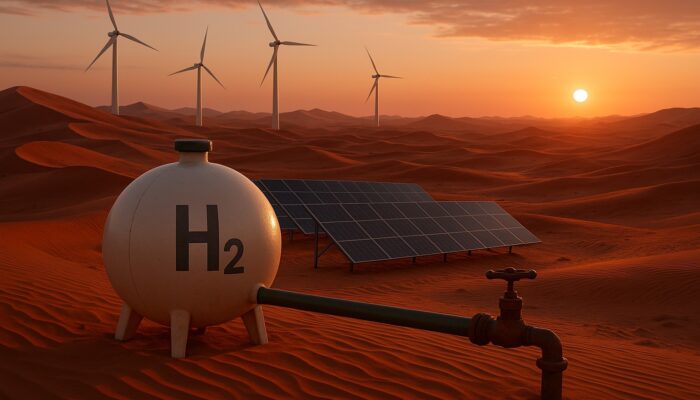
Algeria is often described as one of the great energy engines of Africa and the Mediterranean, and with good reason. Its proven oil and gas reserves are impressive, but what truly sets the country apart is the extraordinary complexity of its geological history. Over more than two billion years, tectonics, climate shifts and sedimentation created a series of basins that today host some of North Afr ...[Read More]

The Guinness Book of Sedimentology: your guide to the world’s largest EVER sedimentary landforms

The Guinness Book of Sedimentology: your guide to the world’s largest EVER sedimentary landforms

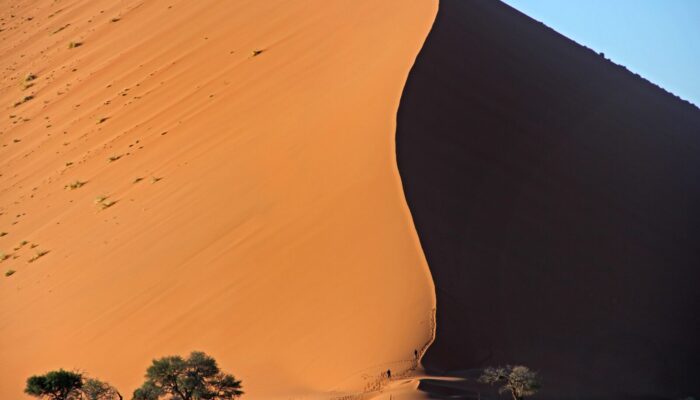
There is something about really BIG things that always grabs people’s attention – look at dinosaurs for example. The geological record is littered with the extreme and today we will explore the biggest, the tallest, the deepest and steepest sedimentary structures and landforms ever to grace our planet. Depositional environments ranging from fluvio-lacustrine and aeolian, coastal environments ...[Read More]

Introducing the TIMES initiative

Introducing the TIMES initiative

TIMES is the acronym of a large-scale international science initiative “Time Integrated Matrix for Earth Sciences” (Link: https://www.codd-home.net/times/). The idea is to launch a global program with the aim of synchronizing age models for particularly important geological climate records from the past 100 million years. The motivation for this program is given in a white paper published in the j ...[Read More]

Tracing temperatures in tropical Lake Petén Itzá over the last 24,000 years

Tracing temperatures in tropical Lake Petén Itzá over the last 24,000 years

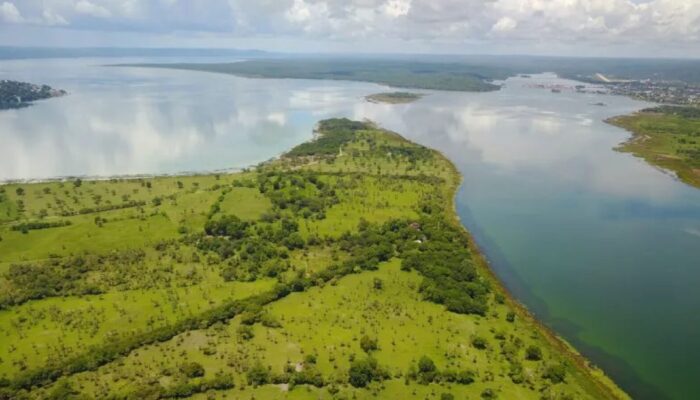
  Past and present global warming: its effect on the tropics According to meteorological data and climate models, global temperatures have increased by up to 1.1 °C since 1960 because of rising atmospheric greenhouse gas concentrations, including an increase in CO₂ concentrations by up to 200 ppm. In some regions, such as the tropics, home to over 40% of the world’s population, warming has re ...[Read More]

Unlocking the Secrets of Ancient Estuarine Deposits

Unlocking the Secrets of Ancient Estuarine Deposits

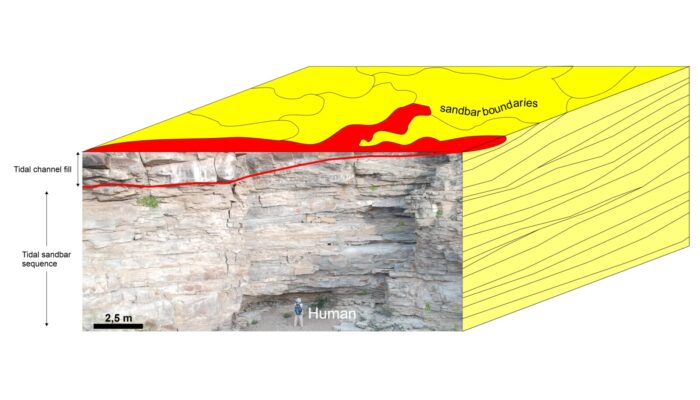
In recent months, I had the opportunity to work on a project analysing subsurface data from a rock sequence previously interpreted as the product of an estuarine depositional environment. The client sought subsurface maps to characterize the spatial distribution of various geobodies associated with sedimentary deposits typically found in modern estuaries. In other words, the goal was to reconstruc ...[Read More]

Broadening our Understanding of Bird Ichnology through Neoichnology

Broadening our Understanding of Bird Ichnology through Neoichnology

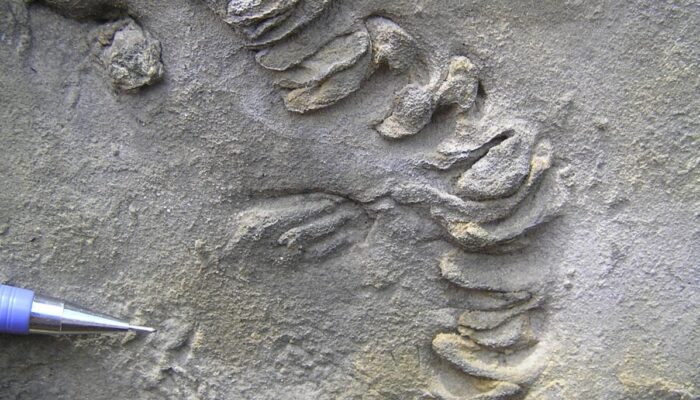
Introduction Bird footprints are some of the most recognizable traces in the fossil record. Yet birds exhibit a wide variety of behaviours which may be preserved as ancient traces. Records include feeding traces like probing, nesting structures and possibly coprolites, but the study of the traces left by modern birds extends their scope to courtship-related scrapes, swimming and diving traces, bir ...[Read More]

Drilling on world’s rooftop – the Nam Co-ICDP campaign on the Tibetan Plateau

Drilling on world’s rooftop – the Nam Co-ICDP campaign on the Tibetan Plateau

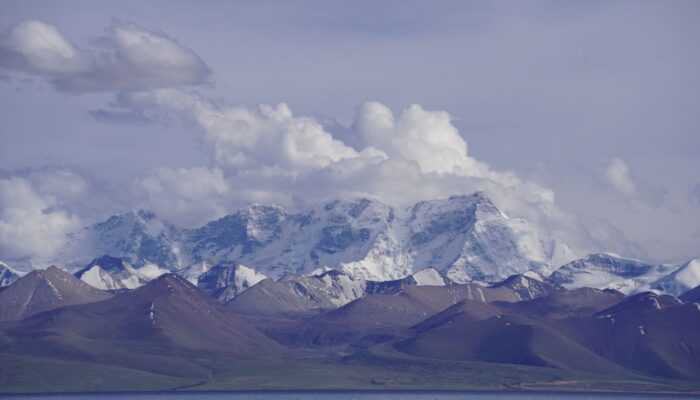
International Scientific Continental Drilling Program (ICDP) campaigns may lead scientists from all over the world to most exciting places that are often of extraordinary beauty and remoteness. All these attributes certainly apply to Lake Nam Co situated at an altitude of 4700 m above sea level on the Tibetan Plateau in the Himalayas. Today this area supplies one third of the humankind with fresh ...[Read More]