
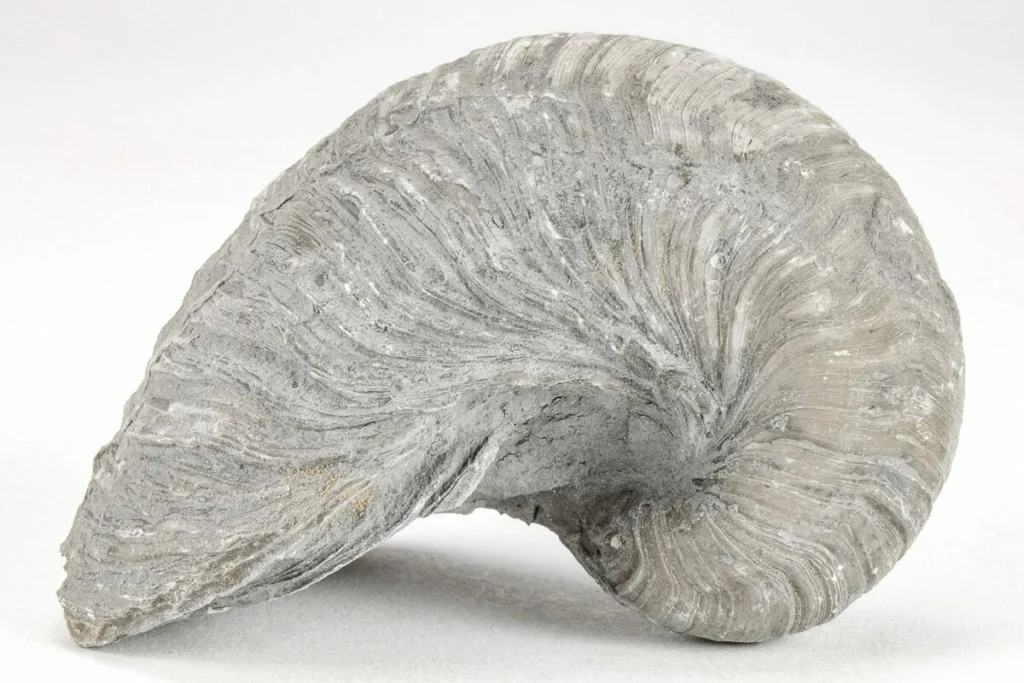
Introduction – a little Shellfish
Our story starts in Springbank, where the discovery of an anomalous oyster bed, slap bang in the middle of more than a kilometre of Cretaceous terrestrial deposits, led me (as so often happens) on a fascinating voyage of discovery exploring the origins of fossil oyster beds, focusing on Alberta. This resulted in the development of a new classification scheme for these surprisingly common fossil features.
Oysters are marine bivalve molluscs with irregular, often rugose shells, famous for being an edible treat. They occur worldwide and their robust, thick shells make them very resistant to erosion. They live only in turbid marine conditions, meaning that their presence is usually an indicator of a coastal (intertidal or shallow subtidal) setting. They feed by filtering microscopic plankton and algae from the water column, helping to clean coastal waters.
Oysters evolved in the early Triassic and may exceed a foot in size (Figure 1), though most are only a few centimetres in diameter. There are more than 600 species of oyster, many of which fall under the Ostreoidea superfamily, and there are other associated bivalves, such as the spiny spondylids, that are not true oysters. They are known for their ability to produce pearls, a skill that has been taken advantage of by farmers who introduce a nucleus (usually a piece of mussel shell) inside their shells, an irritation that leads the oyster to cover it with layers of nacre to form a cultured pearl over a few years.
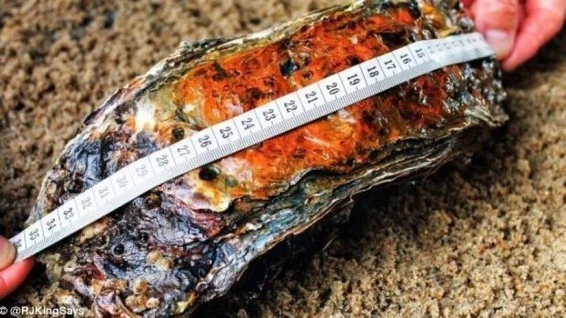
Figure 1. The world’s largest oyster hails from the Wadden Zee in the Netherlands (@RJKingSays)
Banking on Success
Oysters can live in isolation, but more commonly occur in banks, which may reach kilometres in length. They thrive in estuaries, bays, tidal creeks and shallow seas (bold text denotes depositional settings which oysters inhabit), forming colonies growing shell upon shell, and they are a keystone species. Oysters typically occur as dense accumulations of monospecific assemblages and their shells reflect the depositional water depth, with bored shells indicating a subtidal setting (Figure 2).
-
- Figure 2. Bored oyster shell from the Miocene of Carboneras, SE Spain
-
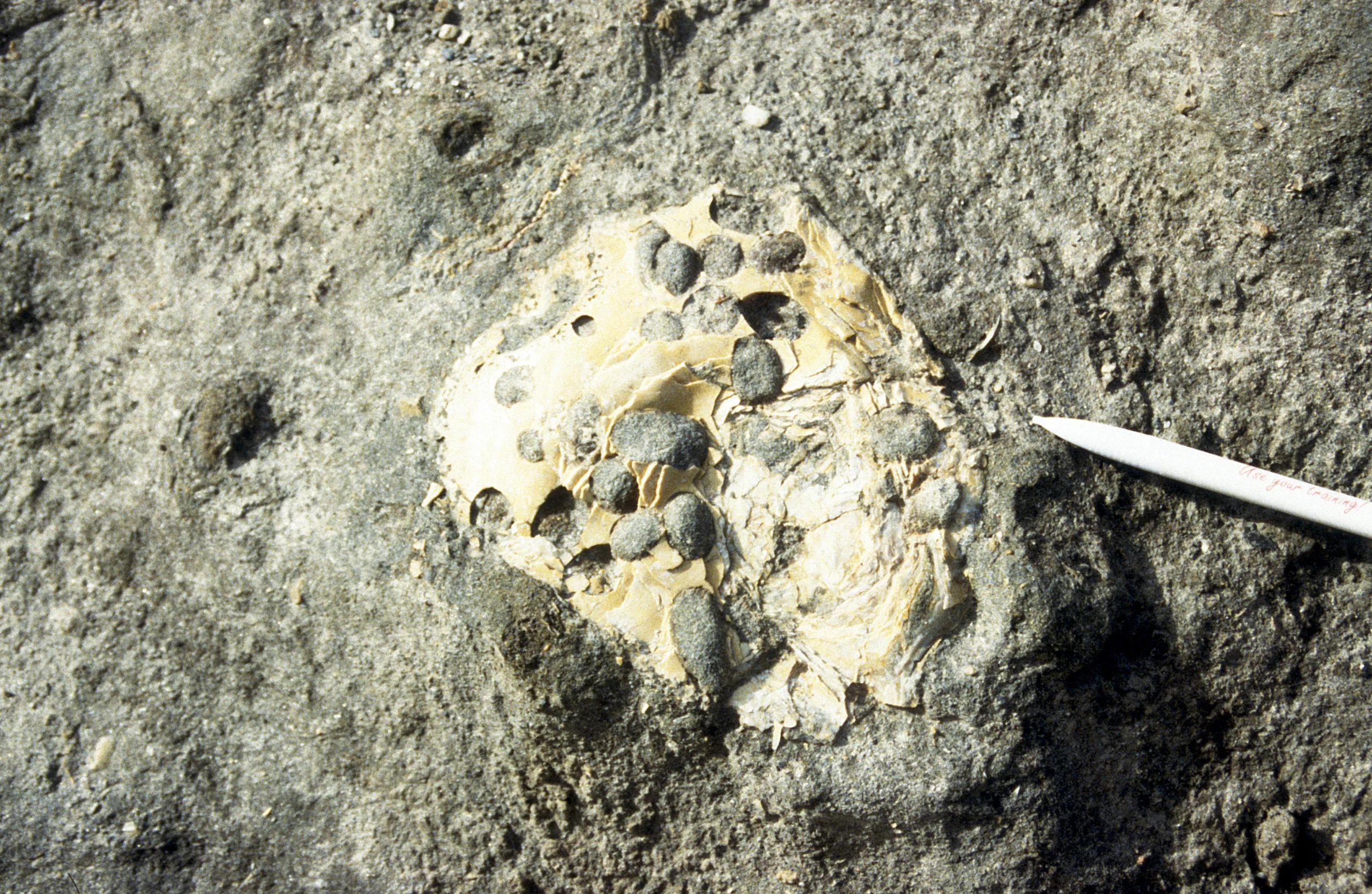
- Figure 3. Oyster bank at Cape Barrier Island, South Carolina
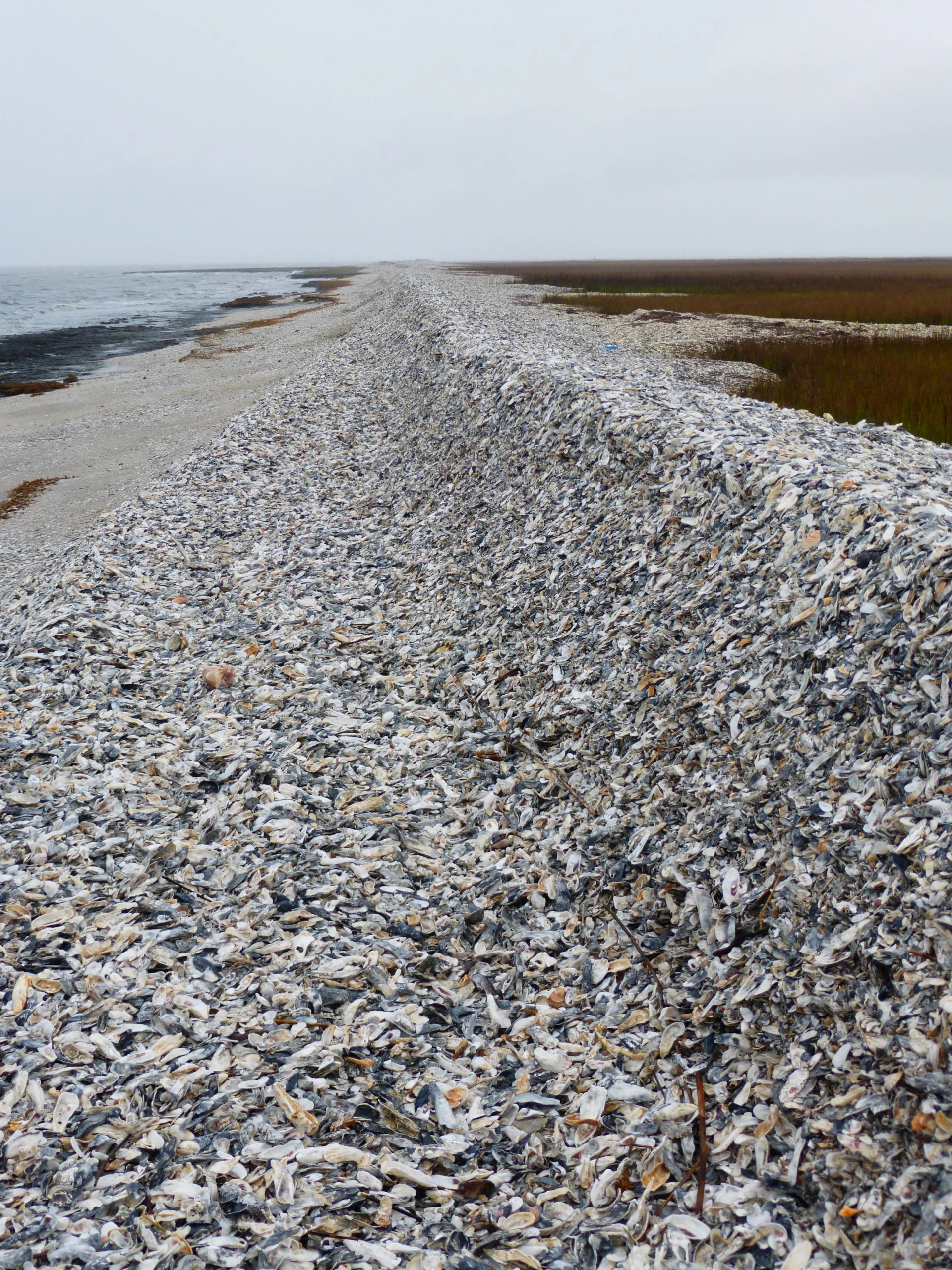
A variety of modern environments hosting oysters can be found around the world, for example in coastal South Carolina. These include oyster banks lining tidal inlets, isolated clumps on sandy delta tops and striking strandline ridges along barrier islands (Figure 3) composed entirely of their shells. Oysters also occur on rocky coastlines, clinging to the bedrock in often turbulent conditions.
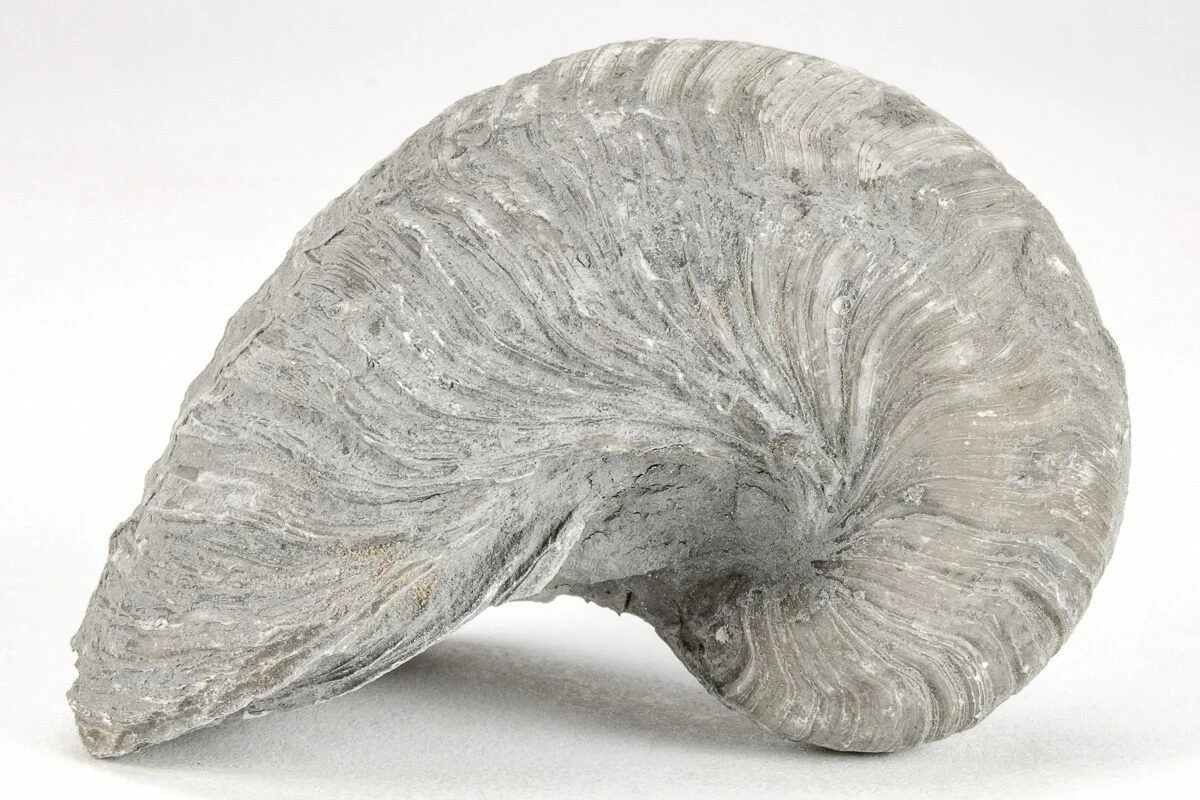
As we shall see, they are also common in the fossil record. One species, Gryphaea (Figure 4), entered urban folklore in the UK and was nicknamed the Devil’s Toenail. These are Triassic to Jurassic in age with a thick, robust, calcite shell, commonly occurring as reworked fossils in glacial drift. They lived on the seabed in shallow waters, likely in large colonies with their rounded valves resting on the seabed. Scunthorpe’s coat of arms features this fossil (Figure 5) which occurs in the local Frodingham Ironstone (Figure 6). Gryphaea oysters can also be found in a highly fossiliferous (coquina) layer in shallow, muddy marine deposits in the Middle Jurassic Fernie Group around Blairmore, Alberta.
-
- Figure 4. A Jurassic Gryphea (devil’s toenail) from Oxfordshire, UK (photo: FossilEra)
-

- Figure 5. The coat of arms of Scunthorpe, UK, features fossil Gryphea oysters (photo: Civic Heraldry)

-
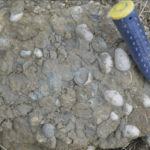
- Figure 6. The Frodingham Ironstone with fossil oysters (photo from the Yorkshire Geol Soc)
Springbank Oyster Bed
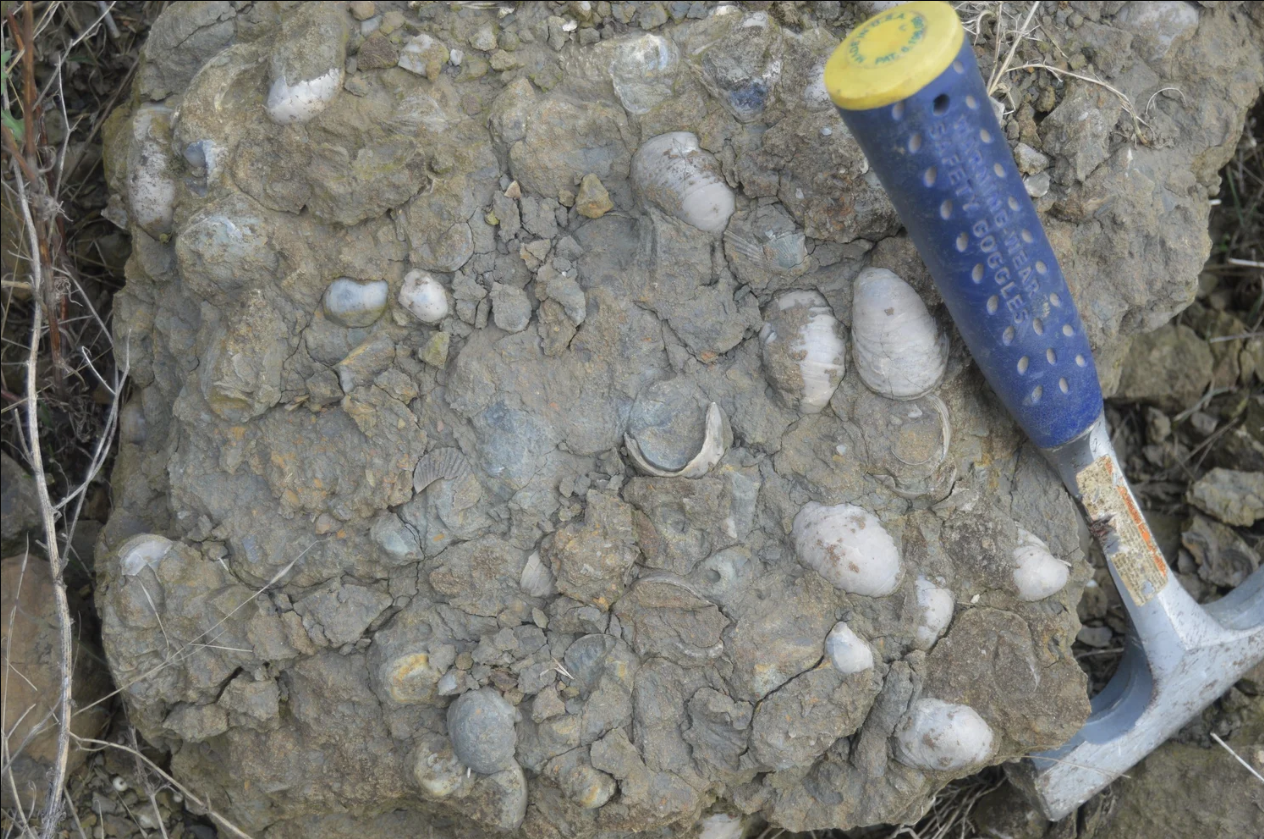
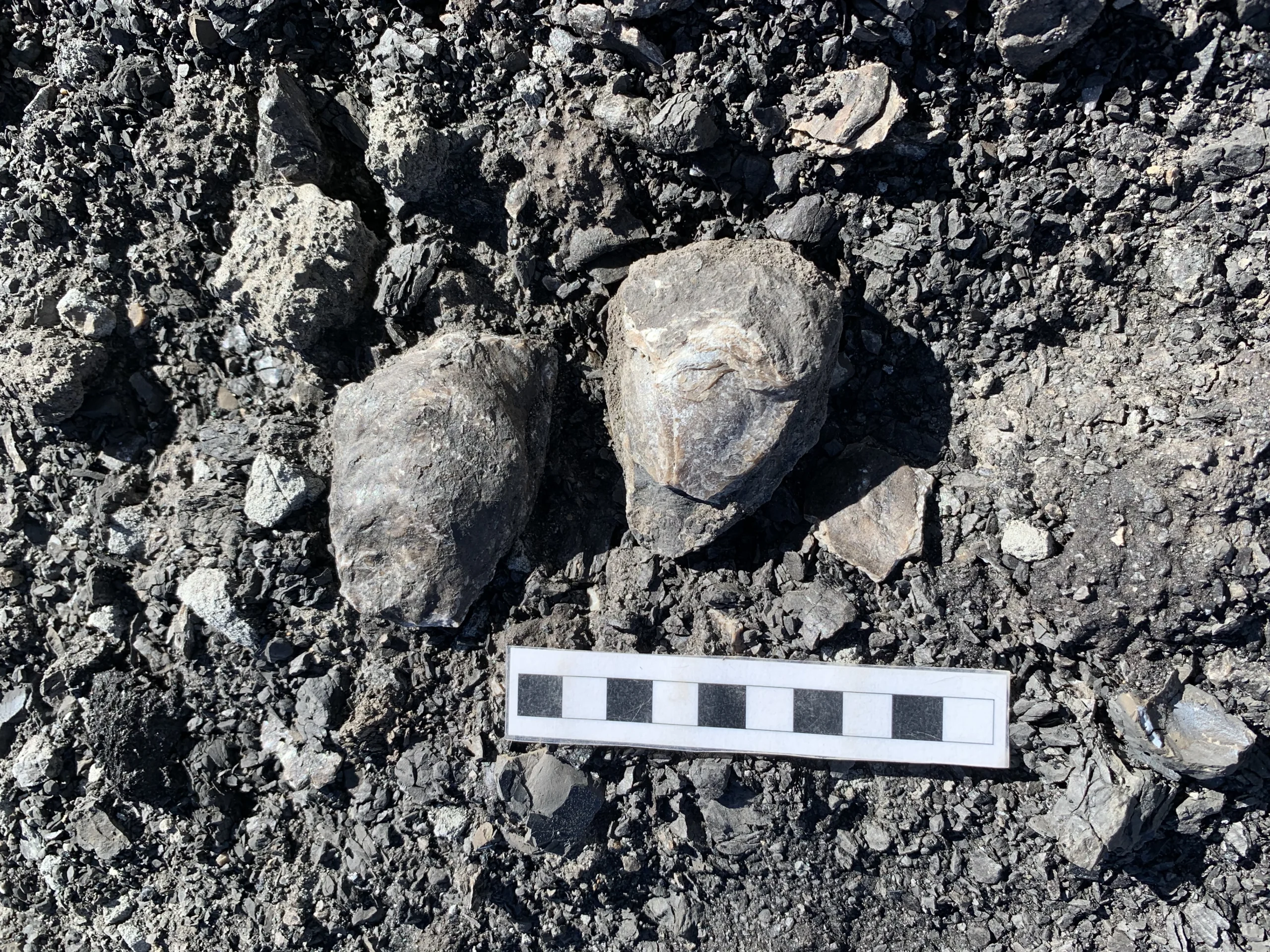
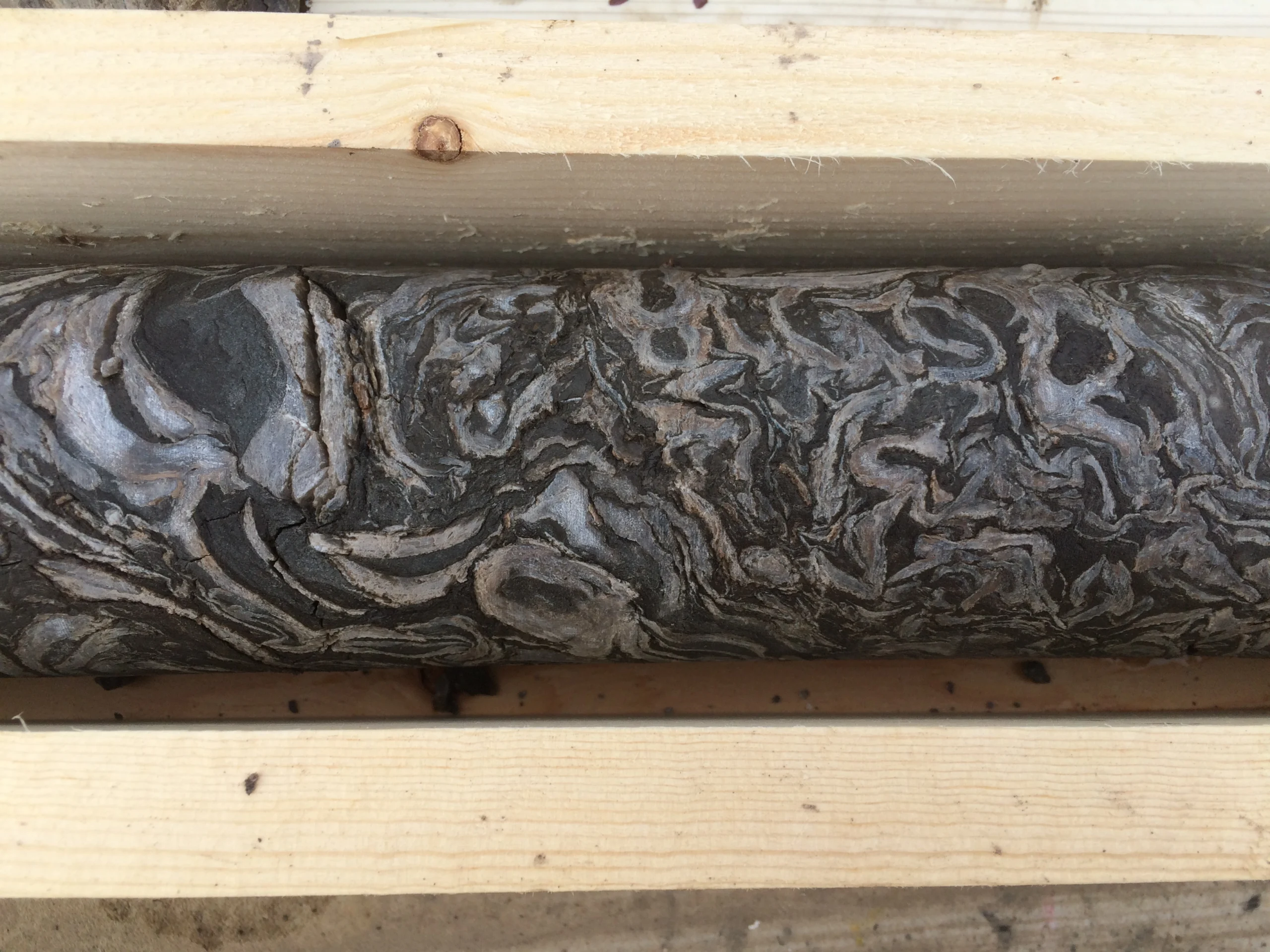
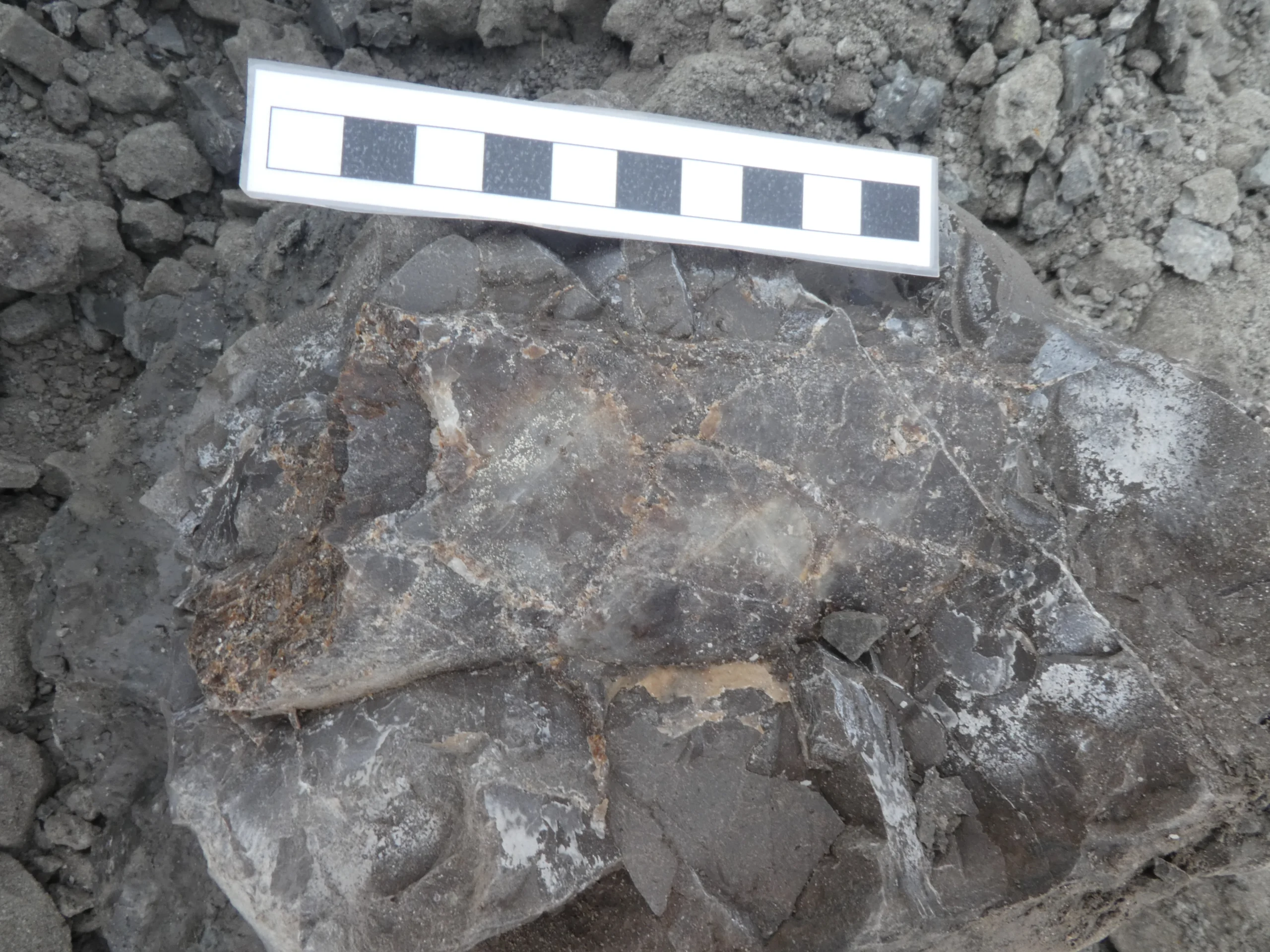
The Springbank Off-Stream Reservoir Project (SR1), located 15 km west of Calgary, has yielded a host of geological treasures. One of these, seen in both outcrop and geotechnical core (Figures 7a and 7b) from the upper portion of the terrestrial Brazeau Formation, is a sub-vertically dipping, previously unreported oyster bed. The heavily cemented, monospecific “Springbank Oyster Bed” (SOB) is more than 2 m in thickness, interbedded with grey mudstone beds, dominantly plant-rich, overbank deposits but with one bed yielding a single, heavily recrystallized, marine ammonite, Baculites (Figure 8). The oysters are Crassatella sp. (Paul Johnston, pers. comm. 2022) and are extremely abundant and are not bored.
-
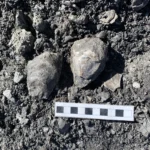
- Figure 7a. Cretaceous fossil oysters from Springbank, Alberta
-
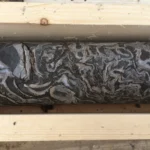
- Figure 7b. Fossil oysters in core, Springbank, Alberta
-
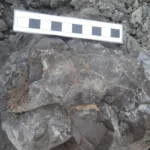
- Figure 8. Recrystallized Baculites ammonite from the Springbank Oyster Bed
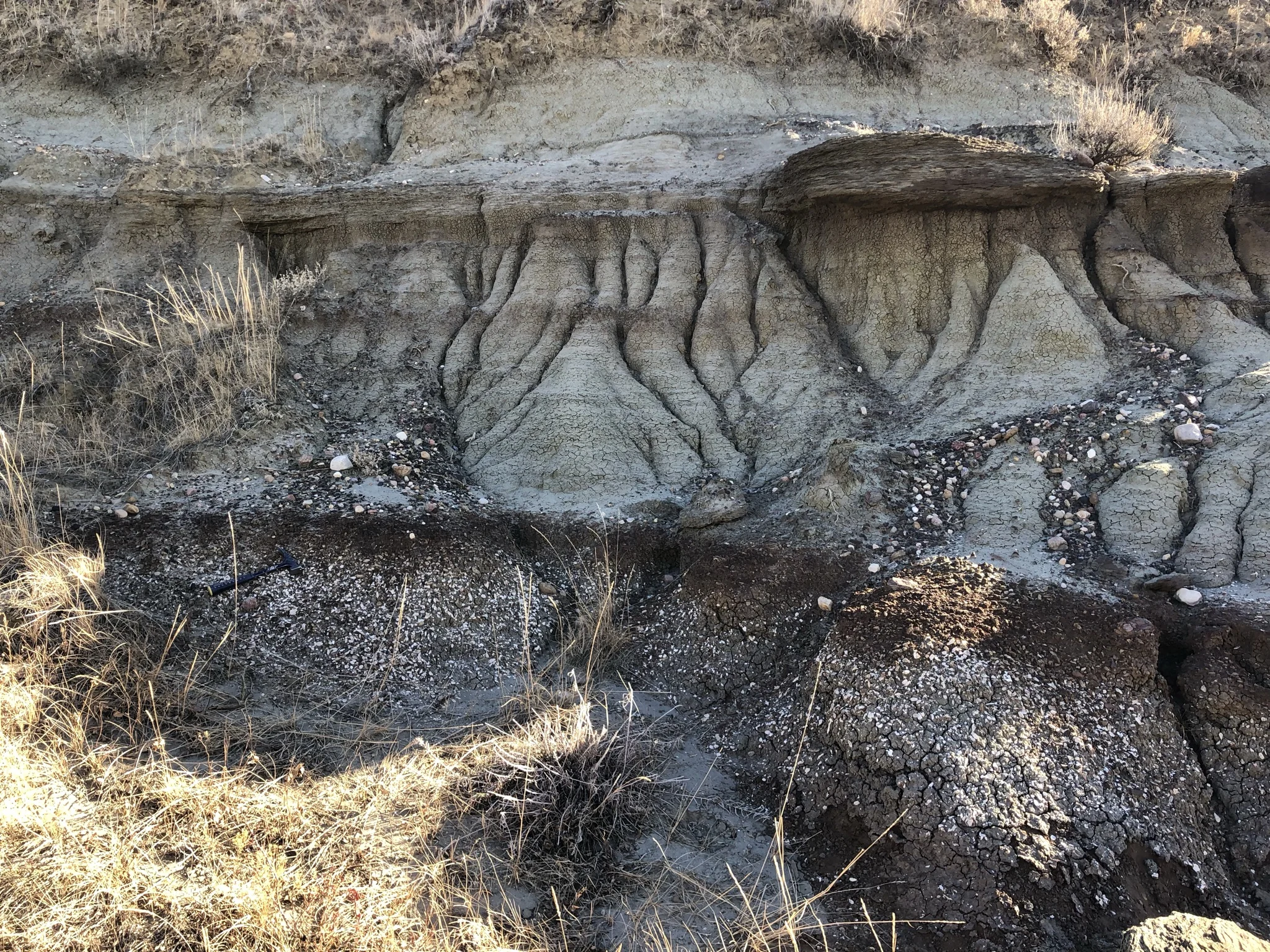
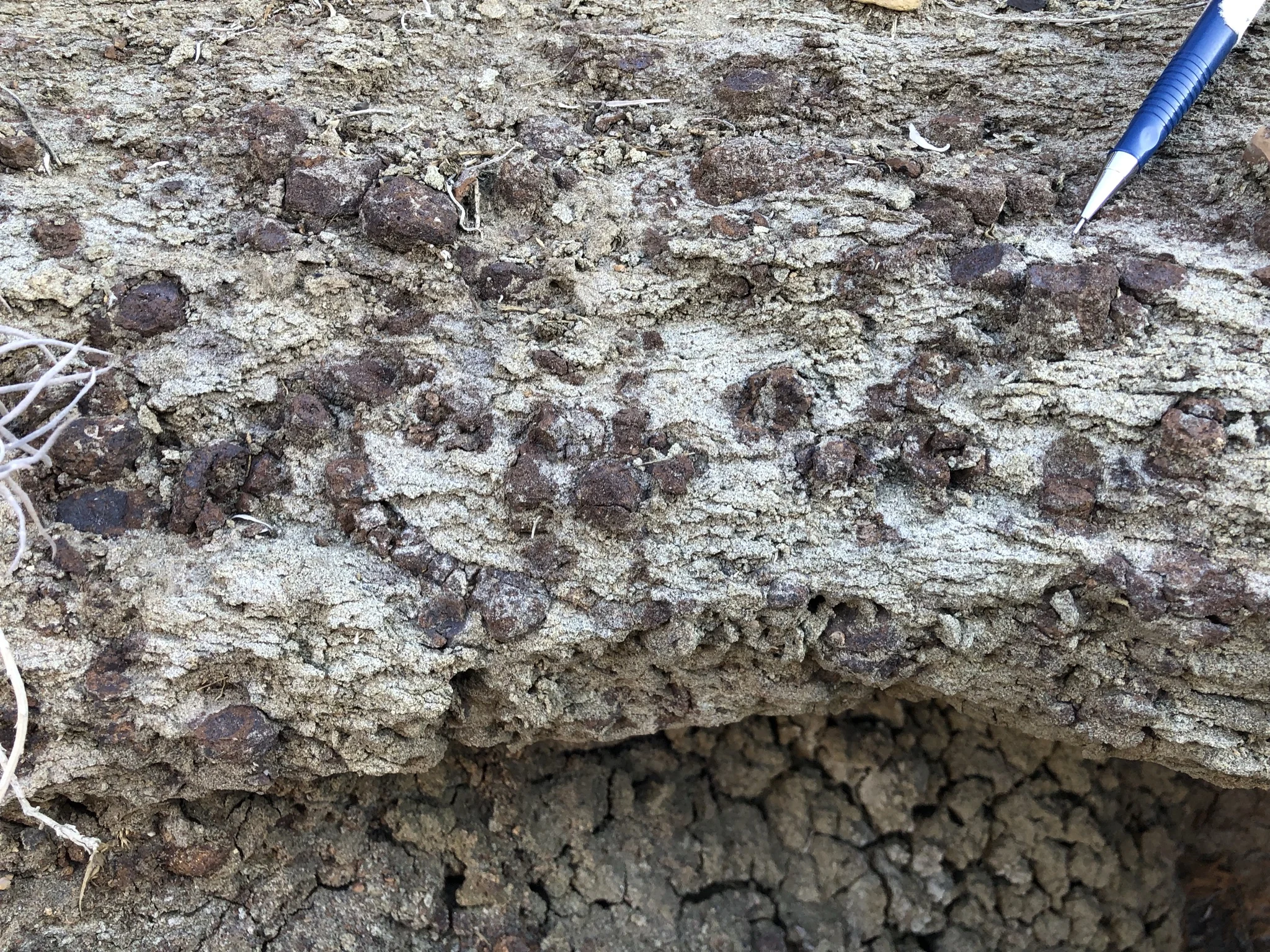
Using subsurface borehole data, it is possible to correlate this oyster bed to another oyster bed, immediately overlying the Lethbridge Coal Zone, at the top of the Dinosaur Park Formation in Princess, just south of Dinosaur Provincial Park. This bed also contains (bored) Crassatella subtrigonalis (the lower bed in Figure 9), immediately underlying a heavily bioturbated bed (Figure 10). A second oyster bed was observed a couple of metres deeper in the section. These beds are interpreted as a marine incursion, a precursor to a major transgression into the overlying marine Bearpaw Shale. By analogy, this suggests that the SOB also represents a marine tongue, possibly the most landward (westward) extent of the Bearpaw Sea.
-
- Figure 9. Oyster bed at Princess, Alberta
-
- Figure 10. Bioturbated bed overlying the oyster bed at Princess, Alberta
This correlation dates the SOB to around 74 million years, similar in age to the Horseshoe Canyon Formation of Drumheller and beyond. A section through part of this formation at Willow Creek, a few kilometres west of Drumheller, exposes the 2 m thick “Gryphaea Bed” (incorrectly named as the oysters are actually Crassostrea subtrigonalis) in deposits representing a dynamic coastline of estuaries, bays, lagoons and barrier bars. Slightly younger than the SOB, this marine tongue is interpreted as a second brief transgression of the Bearpaw Sea onto coastal plain, with storm activity reworking the oysters to form coquinas.
Industrial Oysters – Merrill Ranch
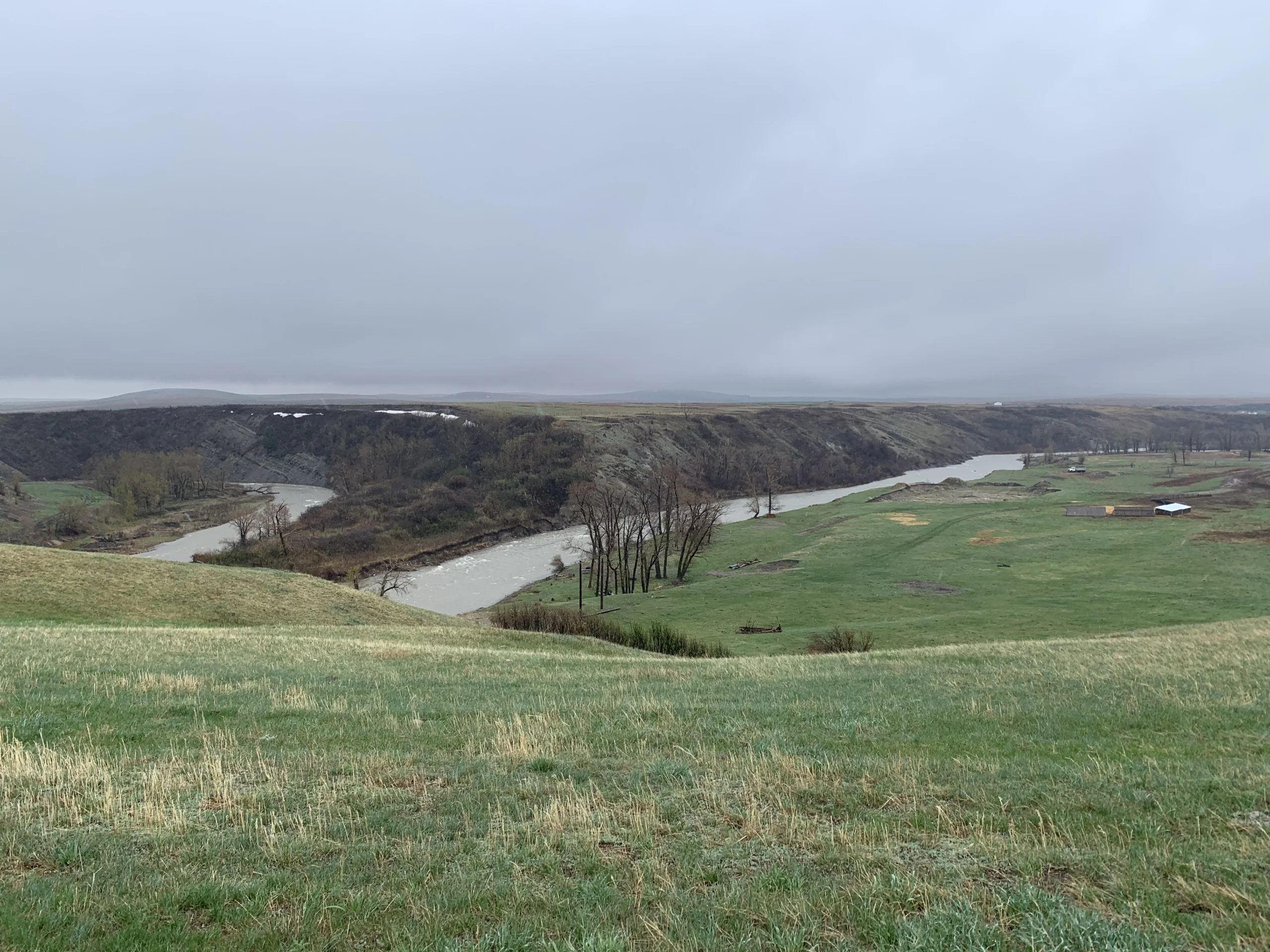
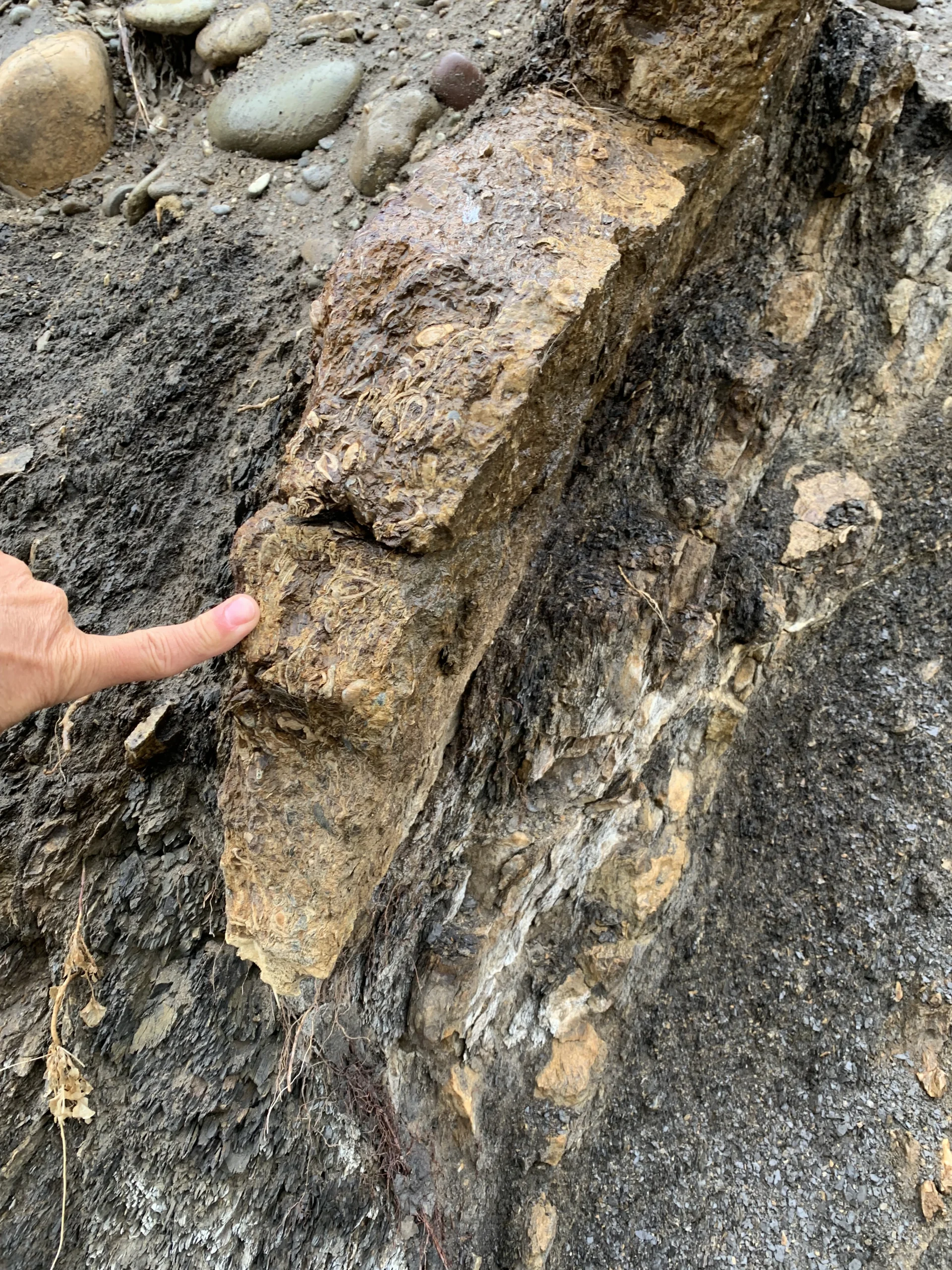
What better way to spend a (very) wet April birthday weekend in 2023 than tracking down oyster beds in southern Alberta? My path led to Merrill Ranch near the village of Hillspring near Lethbridge, which was tricky to find as none of the locals seemed to have heard of it. I eventually tracked it down and introduced myself to the ranch owner before heading down to the Oldman River (Figure 11, outcrop middle right of photo). The Upper Cretaceous St. Mary River Formation exposes a series of six thin oyster beds here, encased in lagoonal shale (Figure 12), representing storm lags in muddy estuarine deposits.
-
- Figure 11. The oyster quarry at Merrill Ranch, Alberta
-
- Figure 12. One of the oyster beds at Merrill Ranch
A 1995 venture mined the oyster beds which were ground up in a plant at Granum and used as a supplement for chicken feed. A tonne of oyster grit will apparently provide 3500 chickens with 6 weeks of calcium supplement. As a result, the oysters were classified as an Industrial Mineral (AGS), a somewhat unique designation for bivalves.
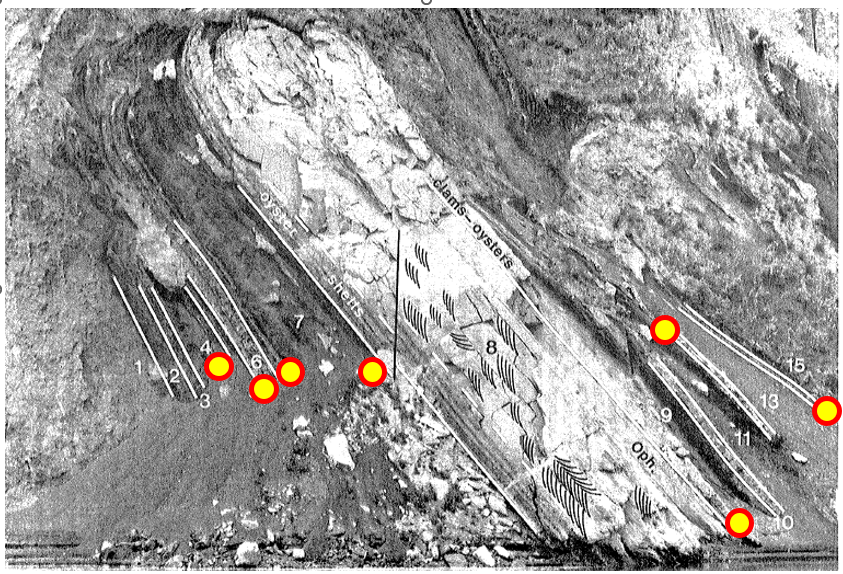
Figure 13. Outcrop of oyster coquinas (yellow dots) from Monarch, Alberta
Another outcrop on the Oldman River at Monarch, 15 km NW of Lethbridge, exposes a series of coquinas in back barrier tidal or estuarine channel sands of the lower Blood Reserve Formation (Figure 13). The outcrops are deformed by numerous high angle thrust faults. The oyster beds were deposited in the estuary as a natural build up. The Connelly Delta, part of the lower Belly River Formation exposed on the Crowsnest River, near Lundbreck Falls, provides a depositional analogue with tidally modified distributary channels.
Hastings Ridge
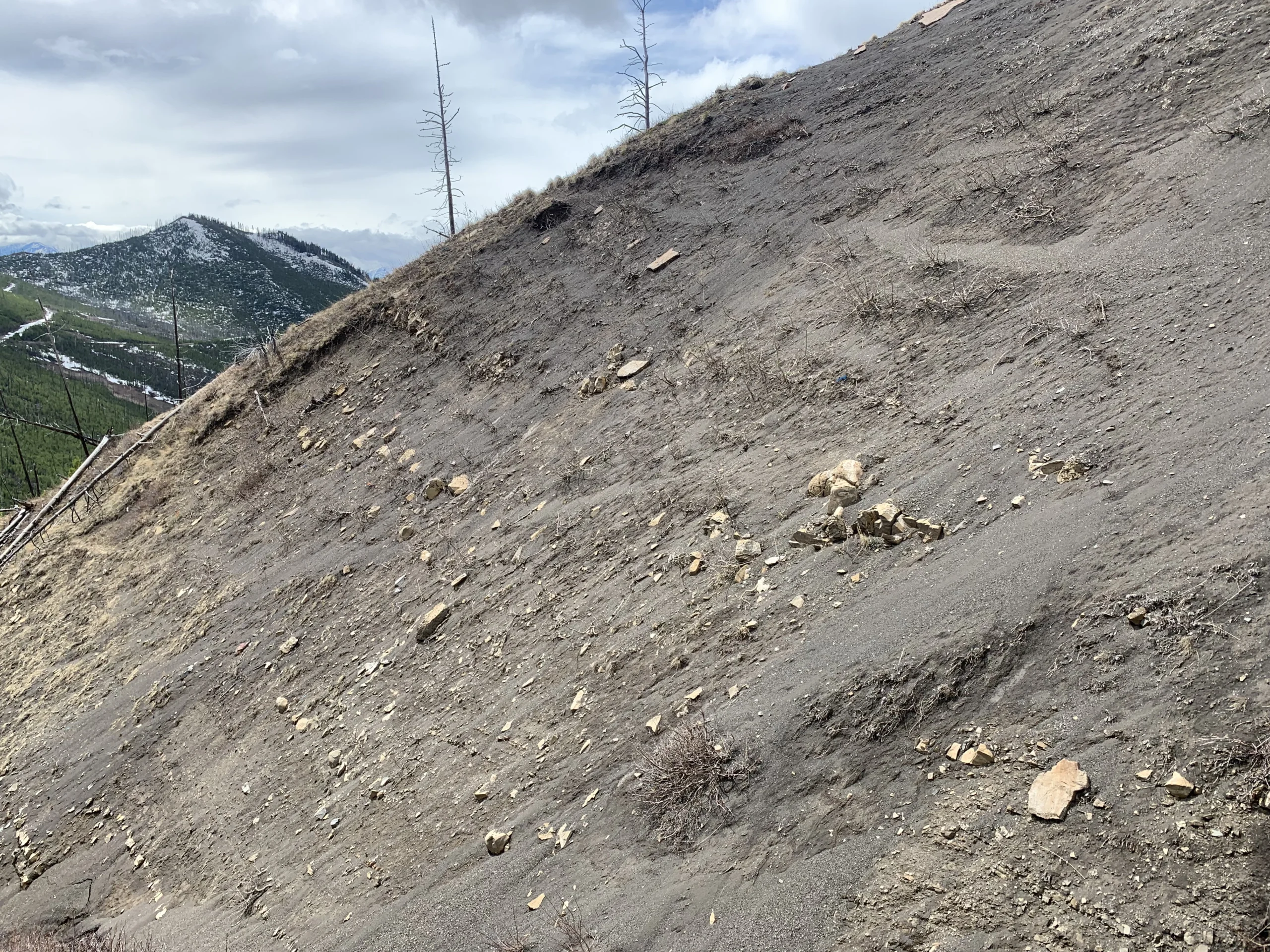
Figure 14. Outcrop at Hastings, Alberta
A striking coarsening and shallowing upward, progradational sequence is exposed in the lower Callovian Fernie Group, on a bleak slope south of Hillcrest, Alberta. Thick basal mudstone beds are overlain by thin siltstones with hummocky cross-stratification (HCS) and thin micrites, passing up into thicker HCS sandstone beds, with the sedimentary structures showing storm related deposition. These are capped by upper shoreface, trough cross-bedded sandstones capped by conglomerates. The oyster beds occur in thin micritic beds (Figure 14), which are interbedded with thin HCS siltstones in the lower shoreface deposits. These are interpreted as calciturbidites. Unusually, multiple species of bivalve are preserved, presumably because the fauna has been transported downslope.
Bearpaw Outcrops
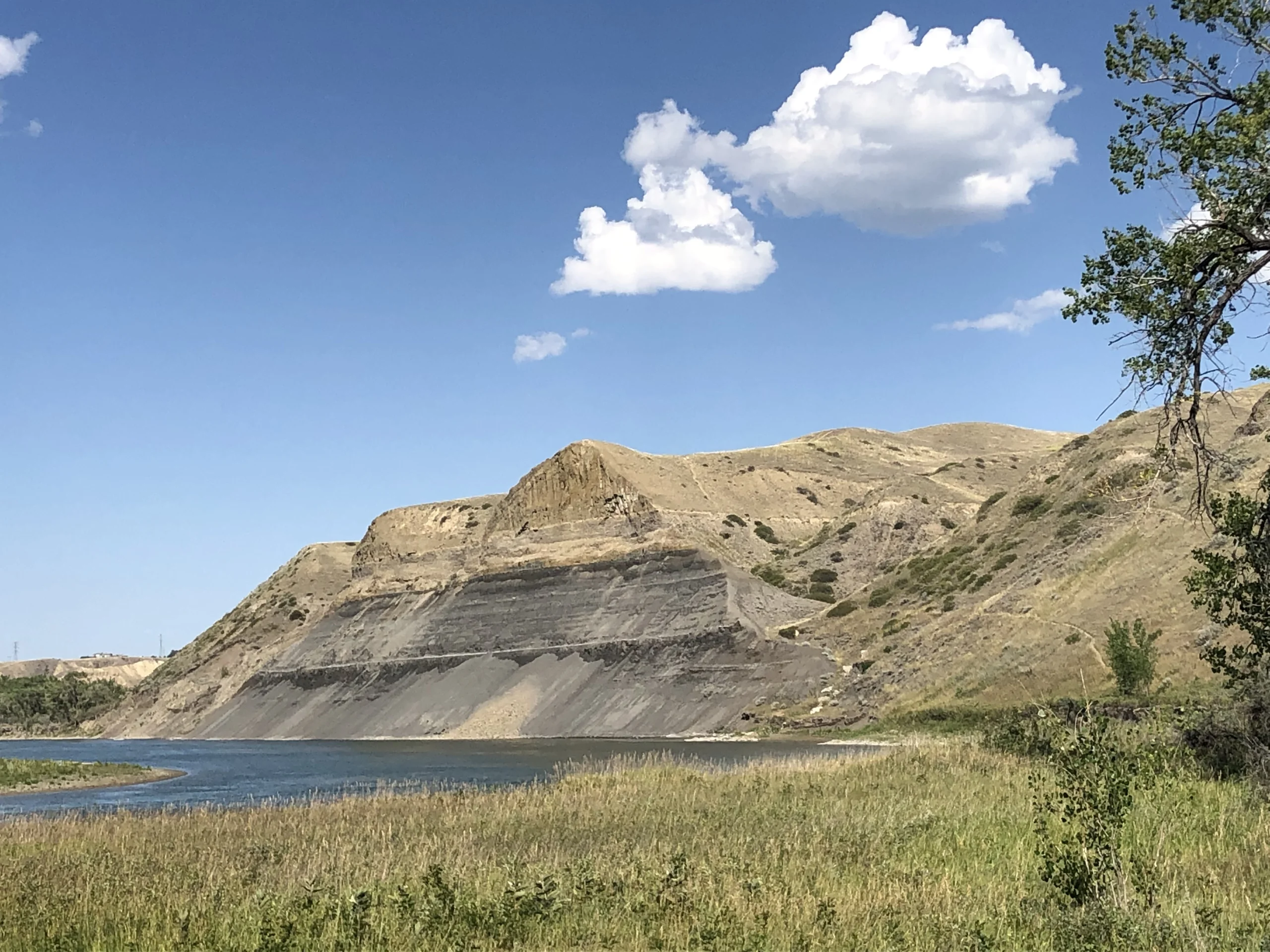
Figure 15. Outcropping, oyster-bearing shales from Lethbridge, Alberta
The Bearpaw Shale is interpreted to have been deposited in open marine conditions, with deposition dominated by marine shales. Many outcrops of the Bearpaw expose oysters, including cliff sections at Lethbridge (Figure 15); the Korite Mine (most famous for ammolite); Snake Lake near Bassano and at Beaver Mines Lake (this last outcrop was not seen by the author). Some of these mudstones host scattered oysters, while in others they are encased in cemented nodules. The interpreted depositional setting is open marine, low energy conditions. Water depths may have exceeded 200 m. The Upper Cretaceous Chalk in the UK was deposited in a similar setting and is rich in thick shelled inoceramid bivalves (Figure 16).
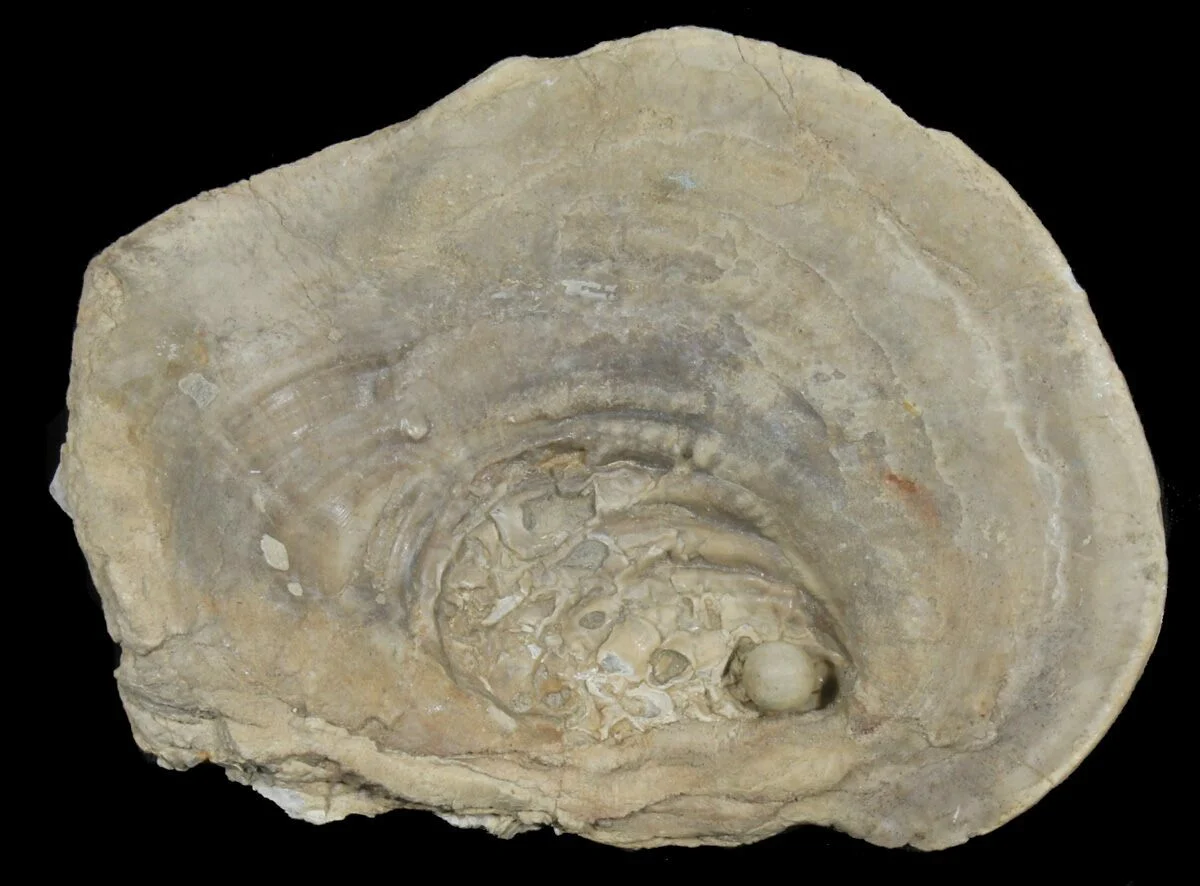
Figure 16. Inoceramid bivalve (oyster analogue) with pearl from the Upper Cretaceous Chalk, UK
Pearls of Wisdom: Summary
Table 1 summarizes fossil oyster deposits from around the world. These include rocky coastlines, shallow marine carbonate lagoons, clastic delta tops and muddy open marine settings. The impact of reworking due to storms and relative sea level changes can also act to winnow and concentrate oyster beds. The growing database of outcrops (currently 32) with oyster beds has been used to construct a pie chart (Figure 17) subdivided into five classes of oyster bed using the data summarized in this article. The five classes are: estuarine to shallow marine (both clastic and carbonate); muddy, open marine settings; oyster accumulations related to relative sea level change; storm and turbidite related deposits; and rocky coasts. The first four categories have similar numbers, with estuarine and beach settings the most common. Geographically it is estimated that the muddy, open marine settings are most prevalent.
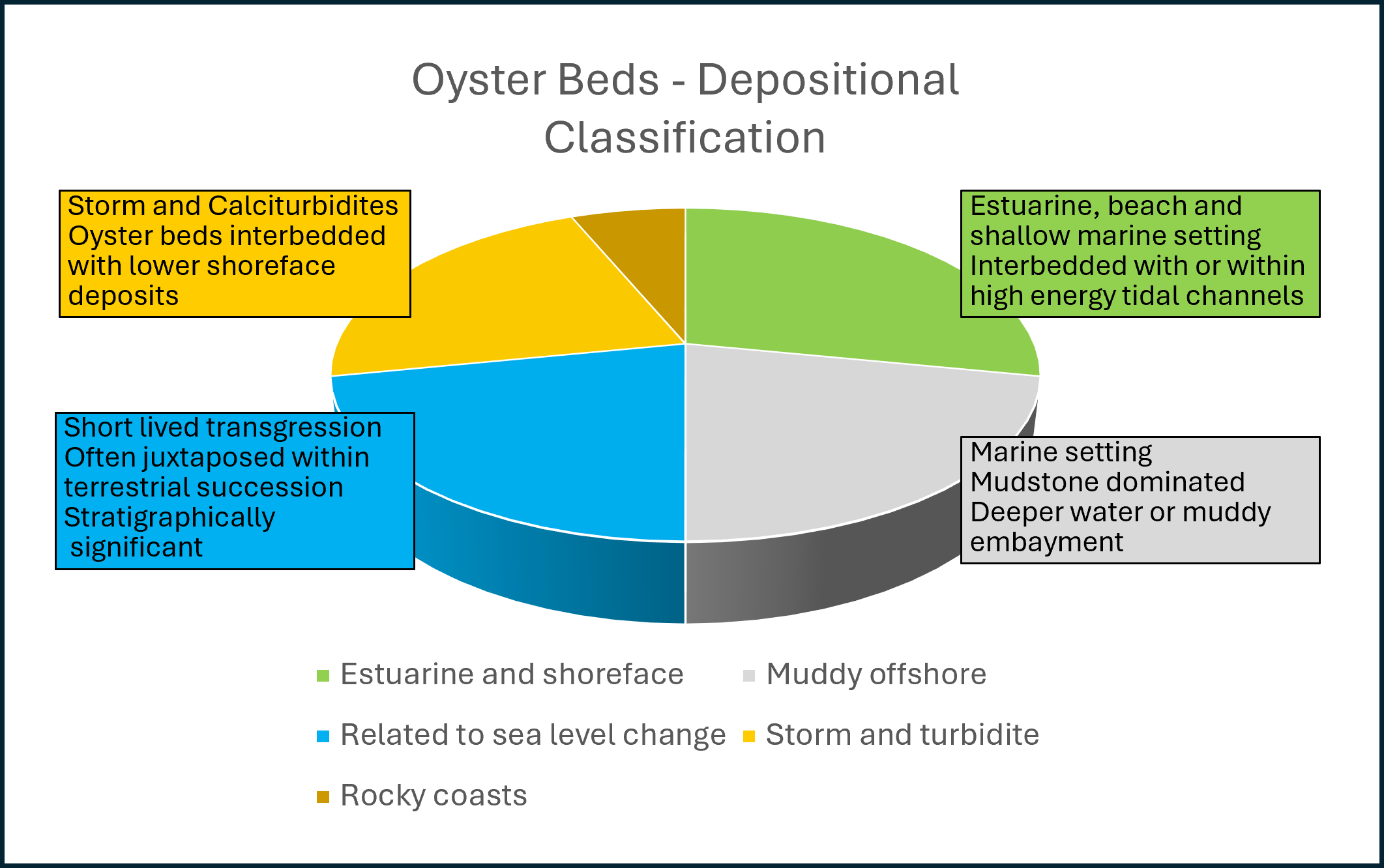
Figure 17. Pie chart showing depositional setting data from 34 oyster beds around the world
However, it is the marine incursions, the brief transgressive events like the one responsible for depositing the Springbank Oyster Bed, that are the most significant as a potential tool. As demonstrated in Springbank, oyster beds related to relative sea level change can be correlated over at least 250 km and provide “spikes” (specific marker beds), in this case at around 74 million years. Without a doubt, oyster beds in the fossil record are well worth a second look – they are not just chicken feed.
I want to finish by thanking my collaborator, Paul Johnston of Mount Royal University
Oyster bed Database
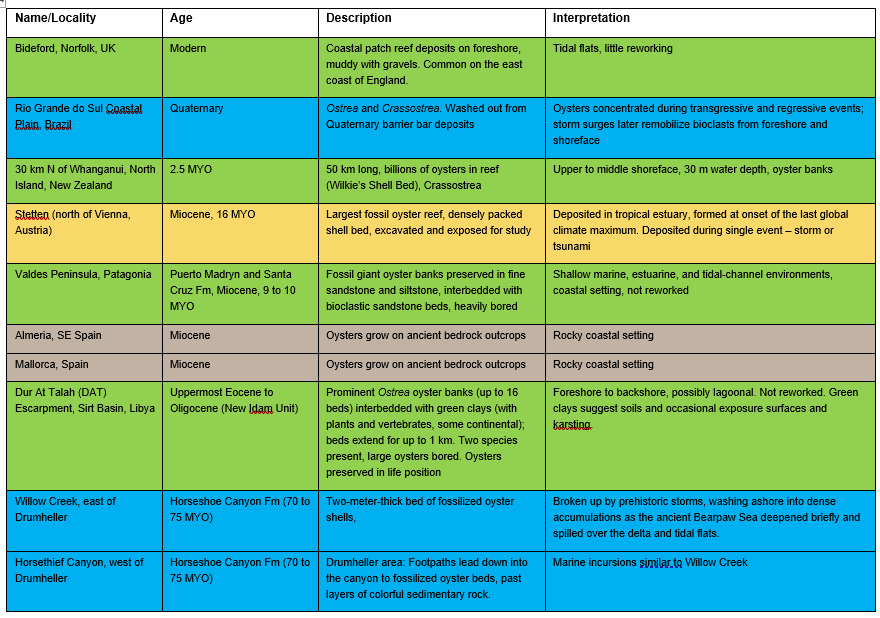
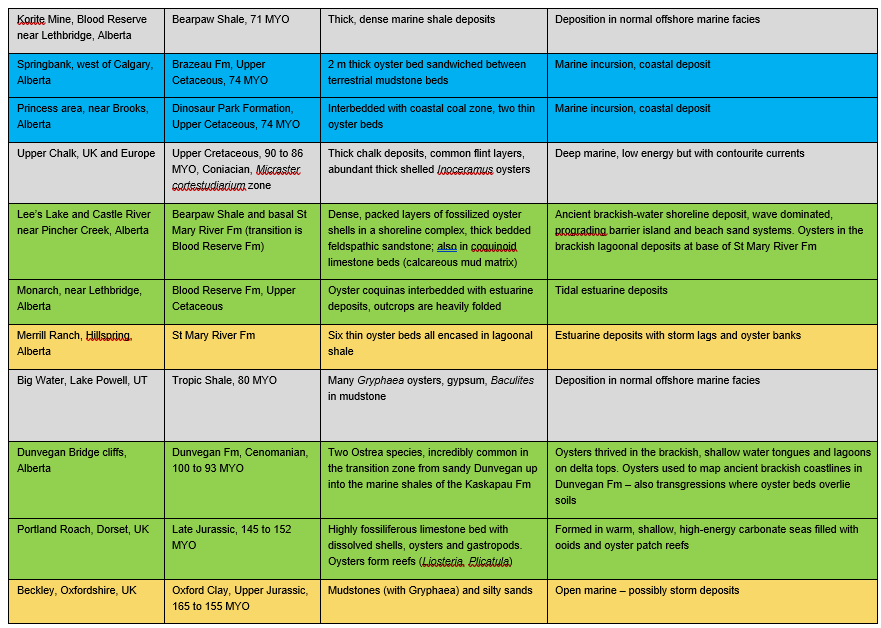
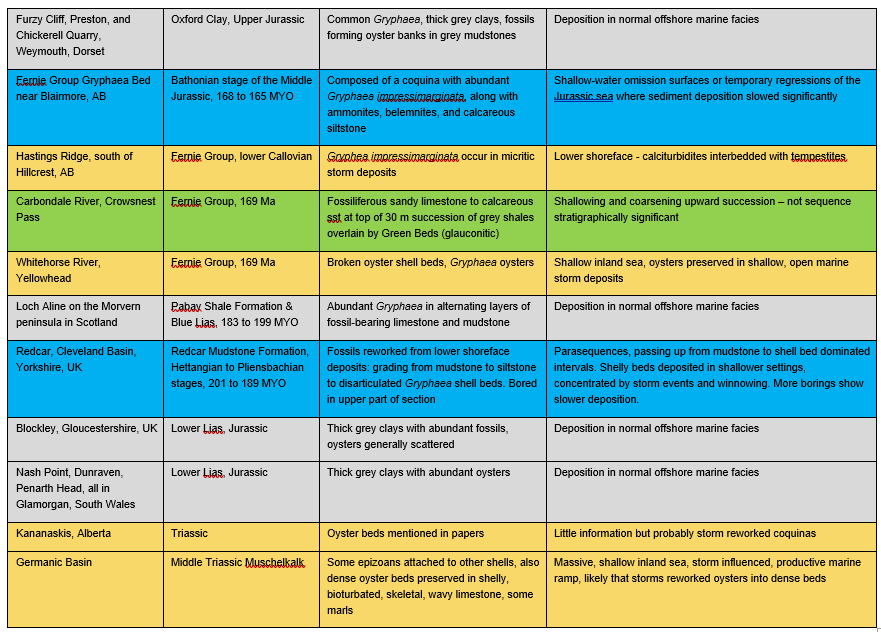
Table 1. Summary of fossil oyster bed deposits. Colour coding: Estuarine and Upper shoreface – maroon; Muddy offshore – grey; Sea level change – blue; Storm-related and turbidites – yellow; Rocky coast – brown.
References
Abouessa, A. et al. 2012. New insight into the sedimentology and stratigraphy of the Dur At Talah tidal-fluvial transition sequence (Eocene–Oligocene, Sirt Basin, Libya). Journal of African Earth Sciences 65 (2012) 72–90.
Atkinson, J.W. et al. 2020. The Hettangian–Sinemurian (Lower Jurassic) strata of Redcar, Cleveland Basin, NE England: facies and palaeoecology. Proceedings of the Yorkshire Geological Society, 63 (2). pp. 77-87. ISSN: 0044-0604.
Djuricic, A., Dorninger, P., Nothegger, C., Harzhauser, M., Székely, B., Rasztovits, S., Mandic, O., Molnár, G., and Pfeifer, N., 2016, High-resolution 3D surface modeling of a fossil oyster reef: Geosphere, v. 12, no. 5, p. 1457–1477, doi: 10 .1130
Hamilton, W.N. 1972. Industrial minerals and their utilization in Alberta. Open file report 1972-19. Economic Minerals, Research Council of Alberta.
GES01282.1. Geological Conservation Review. 2007. Blockley Station Quarry. Chapter 12: British Jurassic fossil fishes sites.
Marquez-Aliaga, A. et al. 2005. Early oysters and their supposed Permian ancestors. Palaeogeography, Palaeoclimatology, Palaeoecology 229 (2005) 127– 136
Meloche, J.D. 2011. How deep is shallow? Re-evaluation of depositional models for the Jurassic Nordegg and Rock Creek Members of the Fernie Group. Geoconvention abstract, Calgary, Alberta
https://www.wildardnamurchan.com/ardnamurchan-rocks/lochaline-sand-rocks-and-fossils
Note: Further references available upon request
