Apart from our own planet Earth, there are a lot of Peculiar Planets out there! In this series we take a look at a planetary body or system worthy of our geodynamic attention, and this week we move back to our own solar system. Many of us will clearly remember the downgrading of Pluto as a planet …[Read More]
Division blogs
Image of the Week – The future of Antarctic ice shelves
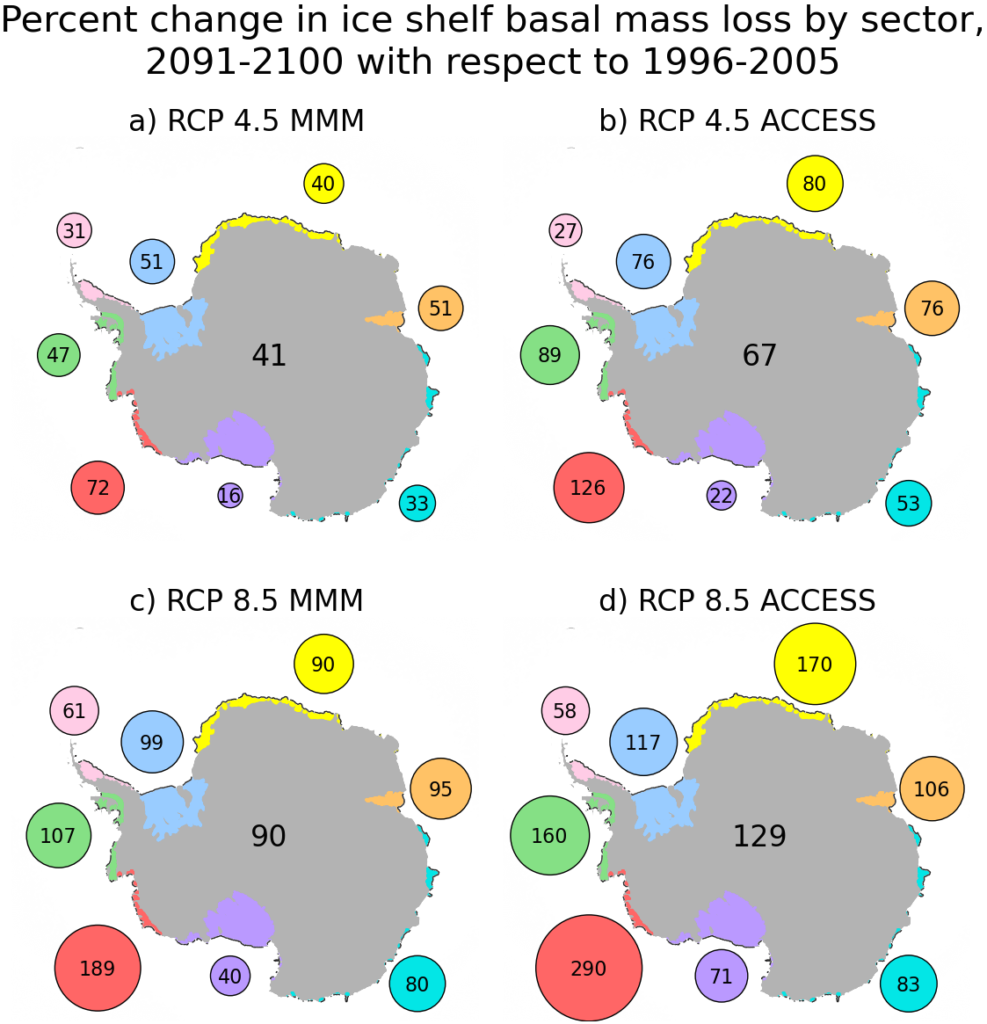
Climate change will increase ice shelf melting around Antarctica. That’s the not-very-surprising conclusion of a recent modelling study, resulting from a collaboration between Australian and German researchers. Here’s the less intuitive result: much of the projected melting is actually linked to a decrease in sea ice formation. Learn why in our Image of the Week… …[Read More]
The rock whisperers…
The Geodynamics 101 series serves to showcase the diversity of research topics and methods in the geodynamics community in an understandable manner. We welcome all researchers – PhD students to professors – to introduce their area of expertise in a lighthearted, entertaining manner and touch upon some of the outstanding questions and problems related to …[Read More]
Jaime de la Cruz Rodriguez – ERC success in the field of solar physics
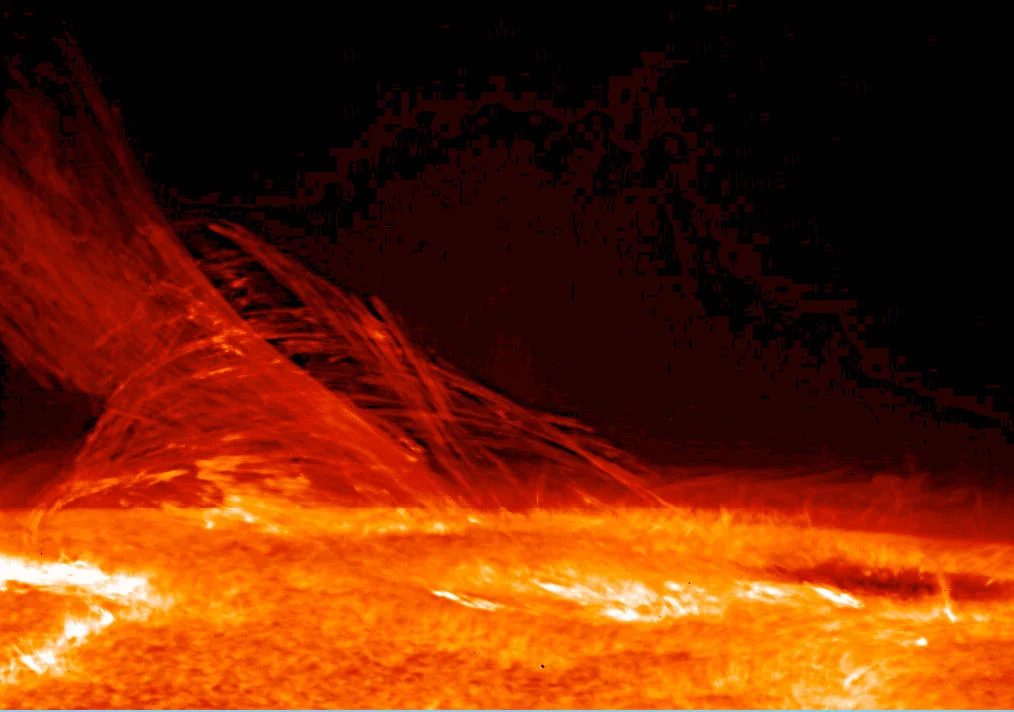
Coronal Heating Problem is one of the Sun’s unsolved mysteries where the corona is heated to over a million degrees and scientists have not figured out where the energy is coming from. Dr Jaime de la Cruz Rodriguez is tackling this 70 year old puzzle by first understanding the layer of the Sun below the …[Read More]
How to study Mega-earthquakes? By generating them!
Francesca Funiciello is an Associated Professor at Roma Tre University (Rome, Italy). Her research interests are, among others, geodynamics, seismotectonics, rheology of analogue materials and science communication. She leads an active and young research group composed by Fabio Corbi, Silvia Brizzi and Elenora van Rijsingen, and collaborates with many other young and experienced researchers in …[Read More]
Image of the Week – Making waves: assessing supraglacial water storage for debris-covered glaciers
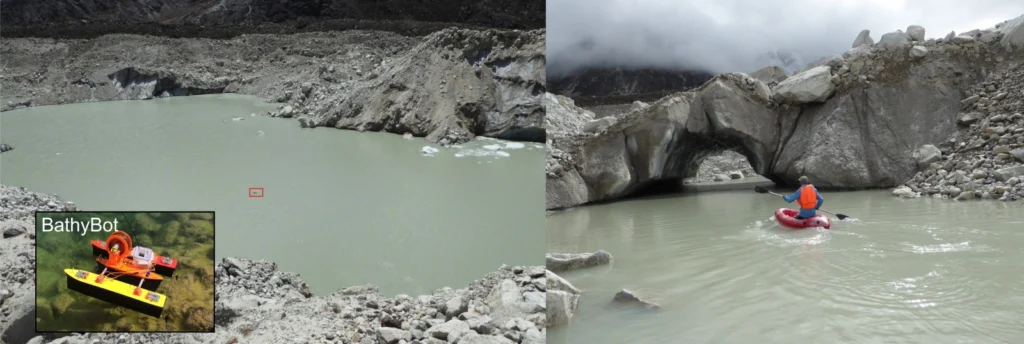
A creeping flux of ice descends Everest, creating the dynamic environment of Khumbu Glacier. Ice and snow tumble, debris slumps, ice cliffs melt, englacial cavities collapse, ponds form and drain, all responding to a variable energy balance. Indeed, Khumbu Glacier is a debris-covered glacier, meaning it features a layer of sediment, rocks and house-sized boulders …[Read More]
Mind your head #3: A healthy relationship with your advisor
Mind Your Head is a blog series dedicated towards addressing mental health in the academic environment and highlighting solutions relieving stress in daily academic life. Besides the professional environment in general, the relationship between early career researchers and their advisors also plays an important role in the degree of stress researchers might experience. This relationship …[Read More]
50 years of plate tectonics: then, now, and beyond
Even if we cannot attend all conferences ourselves, your EGU GD Blog Team has reporters that make sure all significant geodynamics events are covered. Today, Marie Bocher, postdoc at the Seismology and Wave Physics group of ETH Zürich, touches upon a recent symposium in Paris that covered one of the most important milestones of geodynamics. …[Read More]
Image of the Week – Climate feedbacks demystified in polar regions
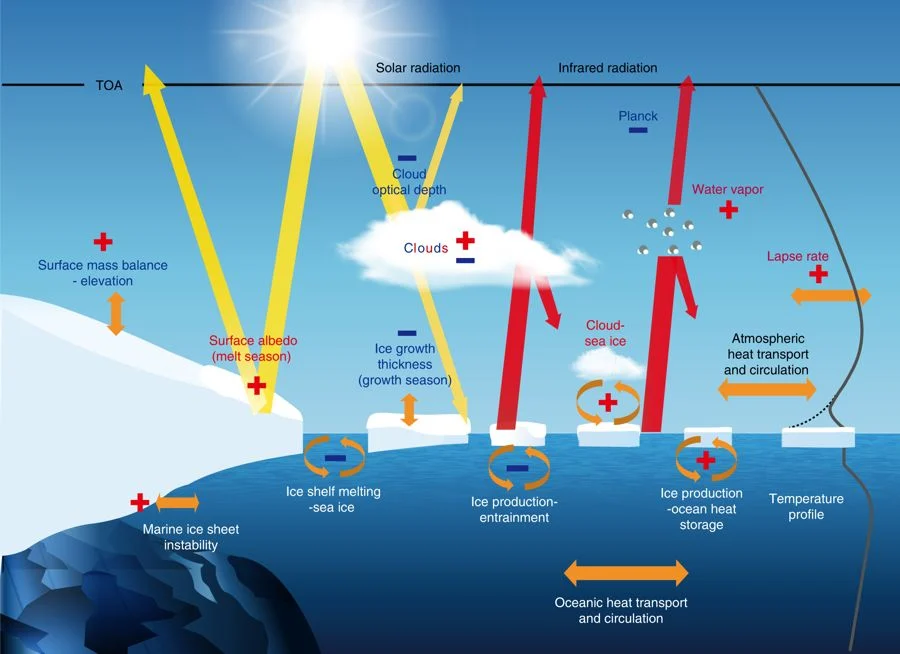
Over the recent decades, the Arctic has warmed twice as fast as the whole globe. This stronger warming, called “Arctic Amplification“, especially occurs in the Arctic because ice, ocean and atmosphere interact strongly, sometimes amplifying the warming, sometimes reducing it. These interactions are called “feedbacks” and are illustrated in our Image of the Week. Let’s …[Read More]
Tiny but powerful
Oceans are “populated” by millions of specimens of microscopic organisms which constitute the phytoplanktonic communities (e.g. diatoms, dinoflagellates, cyanobacteria and coccolithophorids). These tiny organisms are important indicators of the “health” of present oceans and their remains constitute important tracers of past paleoenvironmental conditions. The ocean is in fact the oldest and largest ecosystem on Earth …[Read More]