
AS
Atmospheric Sciences
Avatar photo

Dasaraden Mauree

Dasaraden Mauree is a scientist at the EPFL. He has a Ph. D. in Earth and Universe Sciences from Université de Strasbourg. His uses computer models for his research work which is now focused on urban climate, building energy simulation, energy efficiency at the urban scale and urban energy systems. He still has a strong interest in climate modeling particularly with respect to land use changes. He strongly believes in open research and in supporting outreach programmes. Dasaraden tweets at @D_Mauree.

A brighter future for the Arctic

A brighter future for the Arctic

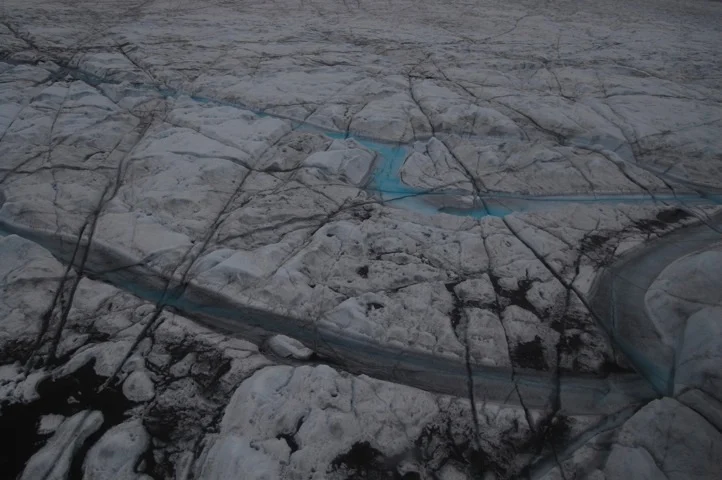
This is a follow-up from a previous publication. Recently, a new analysis of the impact of Black Carbon in the Arctic was conducted within a European Union Action. “Difficulty in evaluating, or even discerning, a particular landscape is related to the distance a culture has traveled from its own ancestral landscape. As temperate-zone people, we …[Read More]

The perfect ice floe

The perfect ice floe

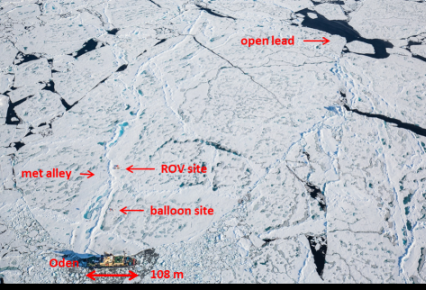
Current position: 89°31.85 N, 62°0.45 E, drifting with a multi-year ice floe (24th August 2018) With a little more than three weeks into the Arctic Ocean 2018 Expedition, the team has found the right ice floe and settled down to routine operations. Finding the perfect ice floe for an interdisciplinary science cruise is not an …[Read More]

June 2017 Newsletter

June 2017 Newsletter

The blog will now also host a newsletter specially dedicated to Early Career Scientists of the Atmospheric Sciences Divisions. ECS – AS News – Issue 1 – June 2017 FROM THE PRESIDENT Dear Early Career Atmospheric Scientists, I hope that you by now have digested all the excellent science and events that took place during …[Read More]

Do you want to establish a career in the atmospheric sciences? Interview with the Presidents of the AMS and the EGU-AS Division.

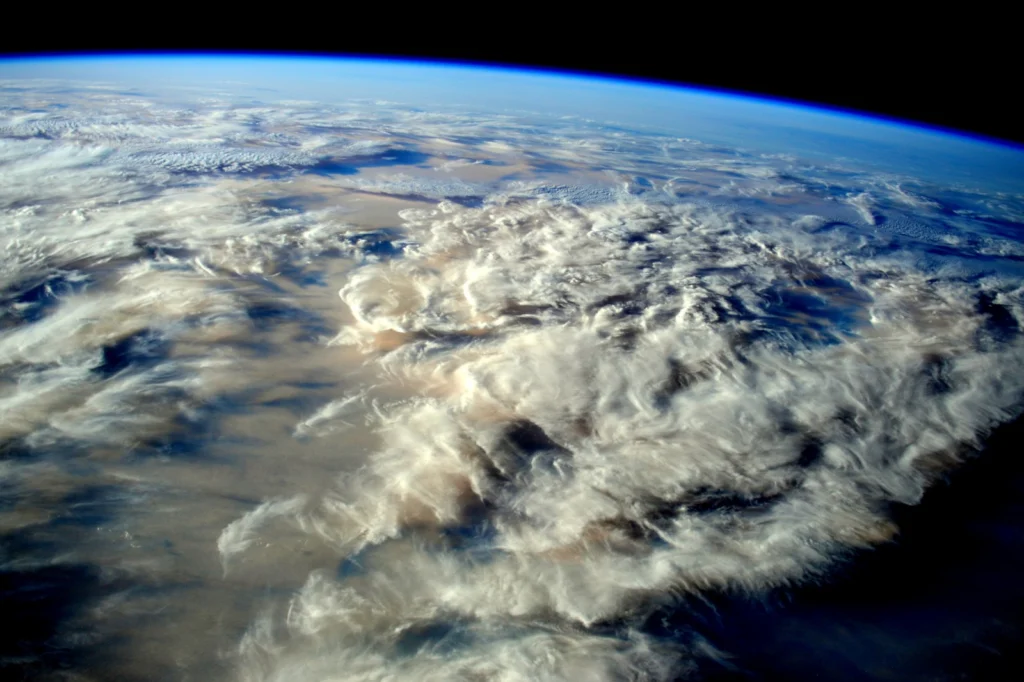
http://www.esa.int/spaceinimages/Images/2015/01/Ecosystem_Earth

Establishing a career in the atmospheric sciences can be challenging. There are many paths to take and open questions. Fortunately, those paths and questions have been thoroughly explored by members of our community and their experiences can provide guidance. In light of this, in September 2016 Ali Hoshyaripour [Early Career Scientists (ECS) representative of the …[Read More]

When cooling causes heating

When cooling causes heating

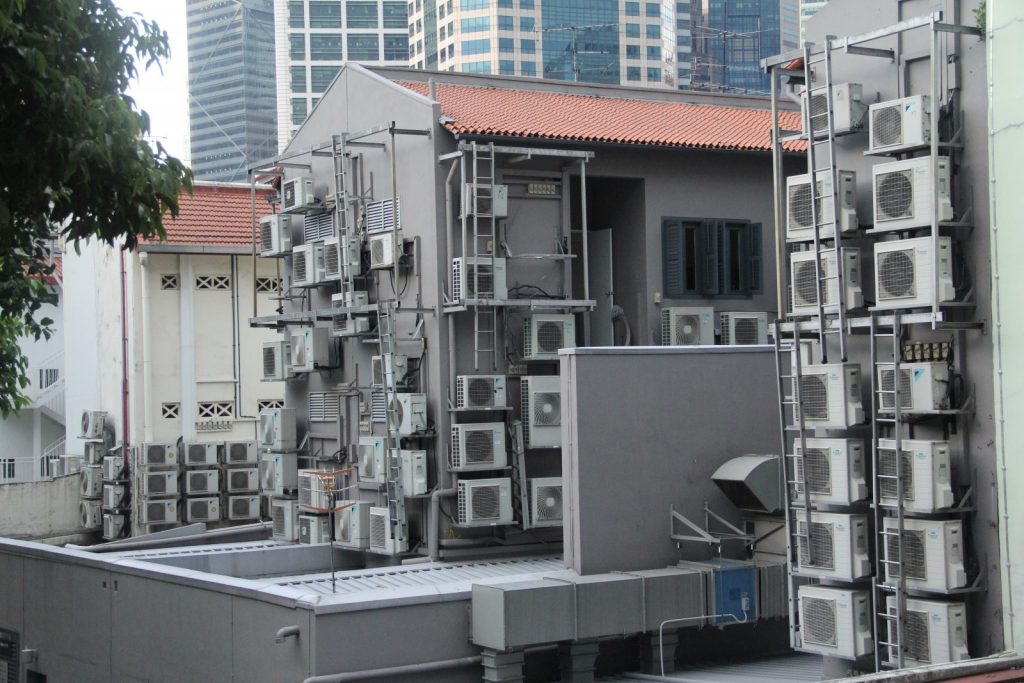
                          Following the Montreal Protocol in the late 1980s, CFC (chlorofluorocarbon) were replaced by hydrofluorocarbons (HFC) as a refrigerant. Unfortunately, the HFC’s have a global warming potential (GWP) far greater than the well-known greenhouse gas (GHG), carbon dioxide. Apart from the fact that …[Read More]

Why should we care about a building’s energy consumption?

Why should we care about a building’s energy consumption?

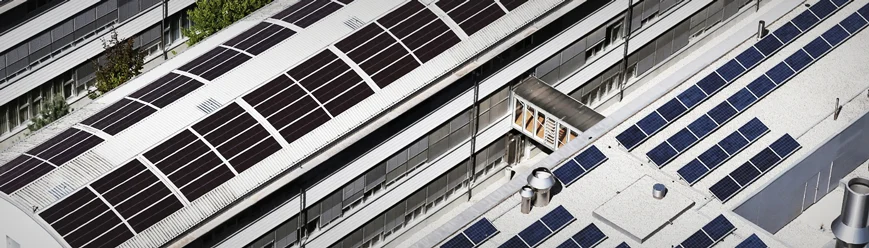
From the 9th to the 11th of September the Solar Energy and Buildings Physics laboratory is hosting the CISBAT conference. This international meeting is seen as a leading platform for interdisciplinary dialog in the field of sustainability in the built environment. More than 250 scientists and people from the industry will be at EPFL in …[Read More]

Urban Climate

Urban Climate

The 9th International Conference on Urban Climate and the 12th Urban Environment Symposium are taking place this week in the “Pink City” Toulouse. With the 21st Conference of Parties (COP21) which will be held in December in Paris, the obvious focus topic for the urban climate conference is the mitigation and adaptation to climate change …[Read More]