OS
Ocean Sciences

OS Research

More Than a Rain Gauge: When Salt Starts Steering the Sea

More Than a Rain Gauge: When Salt Starts Steering the Sea

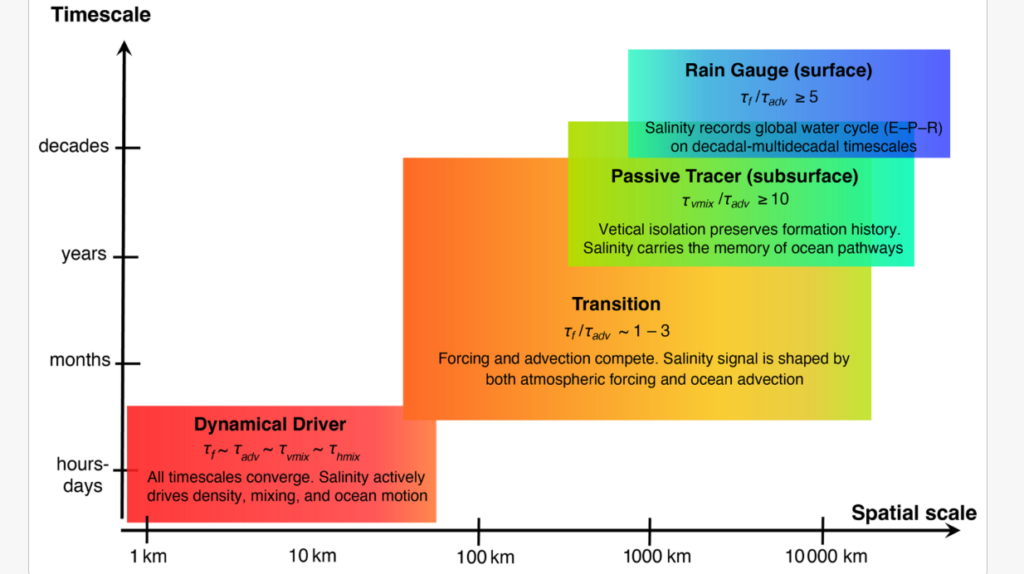
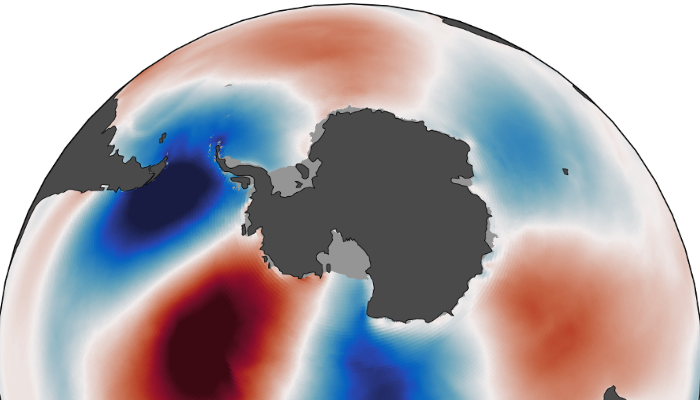
Posted in: Ocean Sciences | Reviews & Perspectives | Ocean Science Jubilee Special Issue We usually think of ocean salinity as the ocean’s rain gauge. Rain, rivers, and melting ice freshen the surface; evaporation leaves it saltier. Seen from space, these changing patterns reveal how Earth’s water cycle is evolving, with wet regions generally becoming fresher and dry regions saltier as the cli ...[Read More]

Can the Ocean Explain Why Climate Models Struggle with the Indian Monsoon?

Can the Ocean Explain Why Climate Models Struggle with the Indian Monsoon?

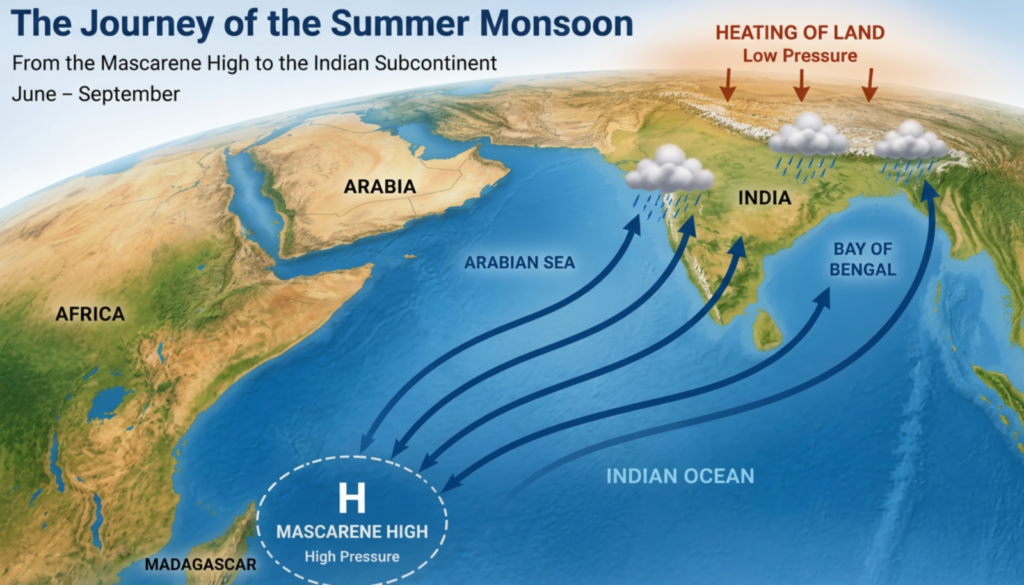
Few climate phenomena affect as many people as the Indian Summer Monsoon (ISM). Between June and September, it delivers most of the annual rainfall over the Indian subcontinent, supporting agriculture, water resources, and livelihoods for more than a billion people. Yet predicting how the monsoon will respond to climate change remains a major scientific challenge because it is shaped by complex in ...[Read More]

Meet Tillys Petit, EGU Ocean Sciences’ 2026 Outstanding Early Career Scientist Award Winner!

Meet Tillys Petit, EGU Ocean Sciences’ 2026 Outstanding Early Career Scientist Award Winner!

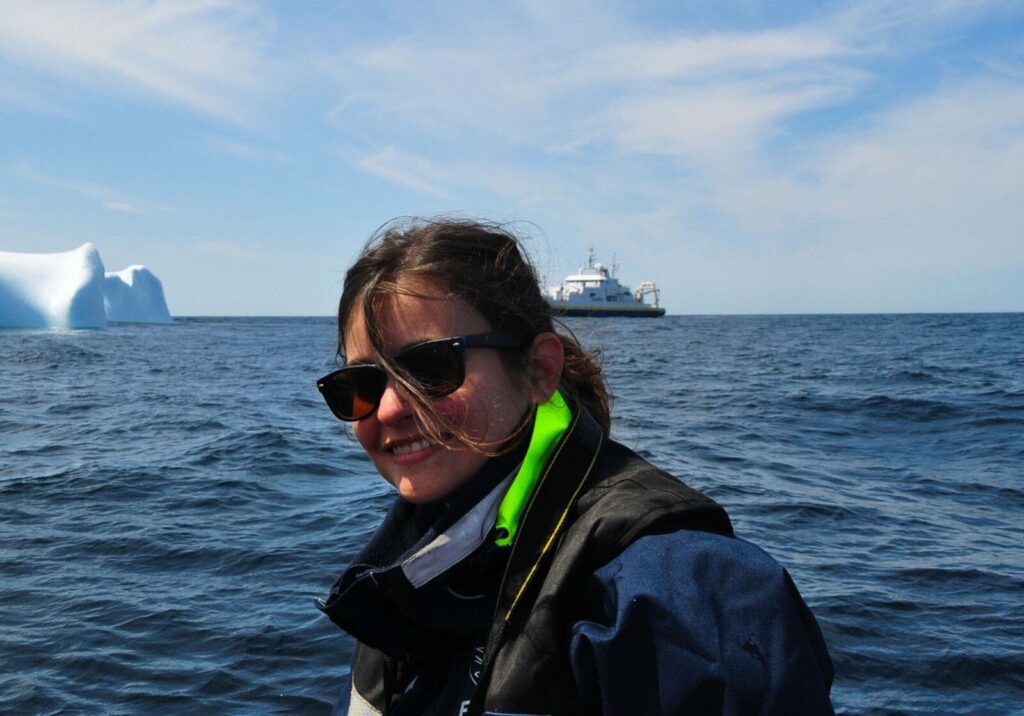
On Monday 4 May, Tillys Petit delivered the OS Division Outstanding Early Career Scientist Award Lecture at EGU 2026 in Vienna. We chatted with her about the hidden engines driving the Atlantic Meridional Overturning Circulation, and why that matters for the future of our climate. Spoiler: it’s not just about the Labrador Sea! 🌊 Can you share your career journey with us? Did you always dream ...[Read More]

Beyond wind speed: what really controls air-sea gas exchange?

Beyond wind speed: what really controls air-sea gas exchange?

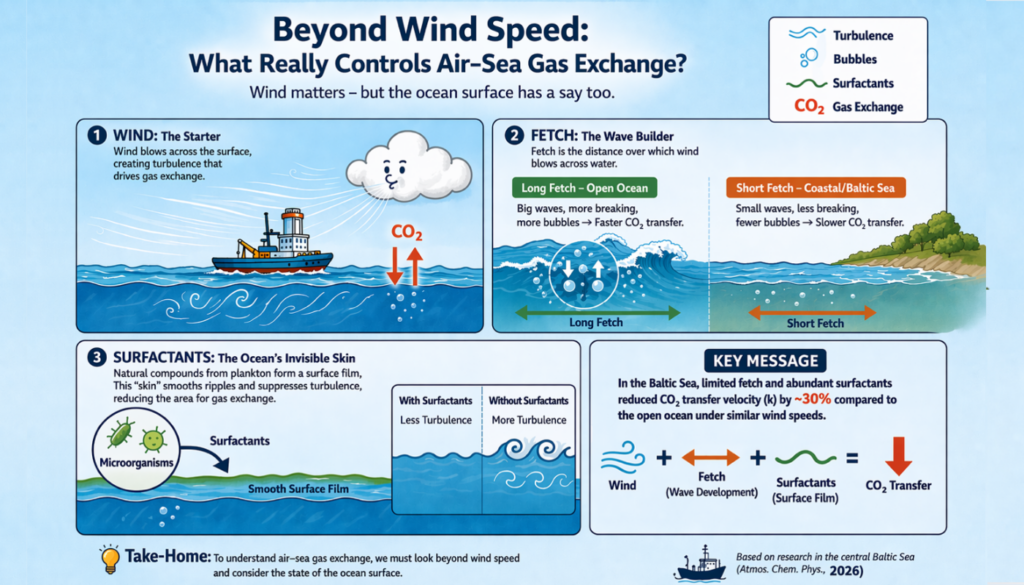
When we think about what drives air-sea gas exchange (such as CO2), wind usually gets all the credit. Strong winds stir the surface, enhance turbulence, and speed up gas transfer. But a new study in Atmospheric Chemistry and Physics shows there is more to the story: CO2 exchange does not just follow the wind, it is also directly affected by surface conditions (Fig. 1). Using the eddy covariance te ...[Read More]