OS
Ocean Sciences

OS Research

A Record-Breaking Indian Ocean Dipole: What Happened in 2021–2022?
A Record-Breaking Indian Ocean Dipole: What Happened in 2021–2022?
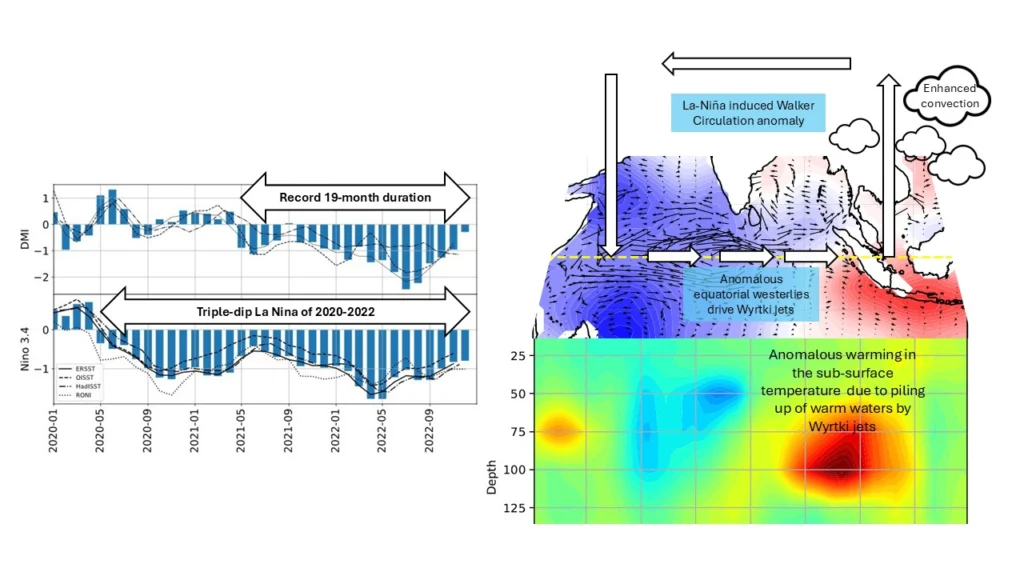
The Indian Ocean Dipole (IOD) is generally considered a seasonal mode of variability, developing and decaying within a single year. During 2021–2022, however, negative IOD conditions persisted for approximately 19 months (Figure 1, top left), making this event the longest—and among the strongest—observed since reliable records began. This unusual persistence highlights important aspects of ocean–a ...[Read More]

How do mesoscale eddies modulate CO2 fluxes in the Southern Ocean?

How do mesoscale eddies modulate CO2 fluxes in the Southern Ocean?

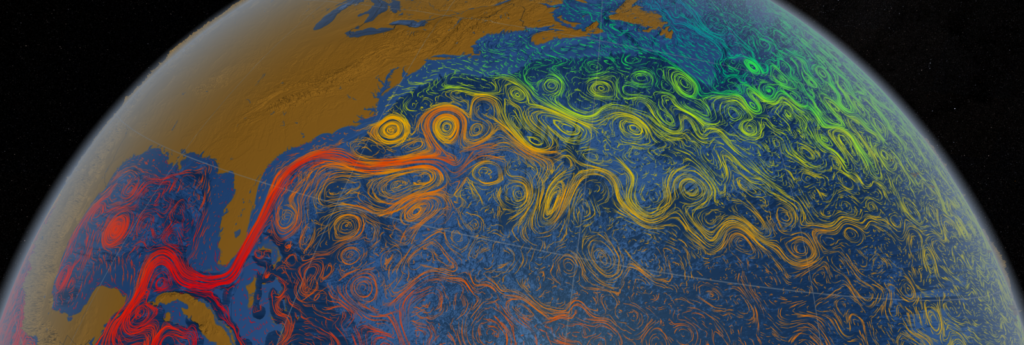
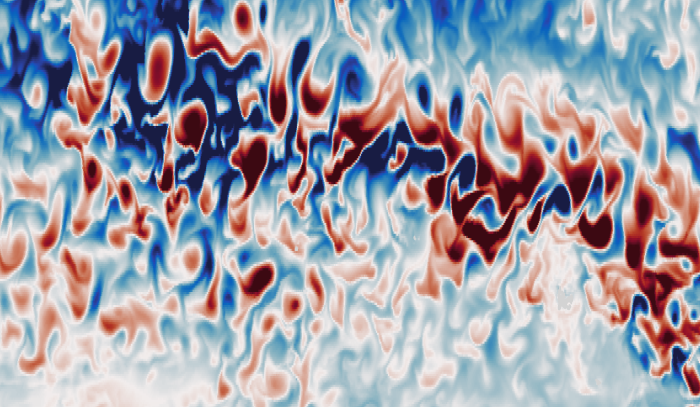
Mesoscale eddies and Southern Ocean carbon sink The Southern Ocean takes up more than a quarter of the anthropogenic CO₂. Its powerful westerly winds, deep overturning circulation, and intense mixing make it a major player in Earth’s climate system. But beneath this large-scale picture lies a world of swirling, dynamic structures that constantly reshape the ocean’s physical and biogeochemical prop ...[Read More]

Monitoring the Ocean’s Green Pulse: A New Global Dataset for Phytoplankton Phenology

Monitoring the Ocean’s Green Pulse: A New Global Dataset for Phytoplankton Phenology

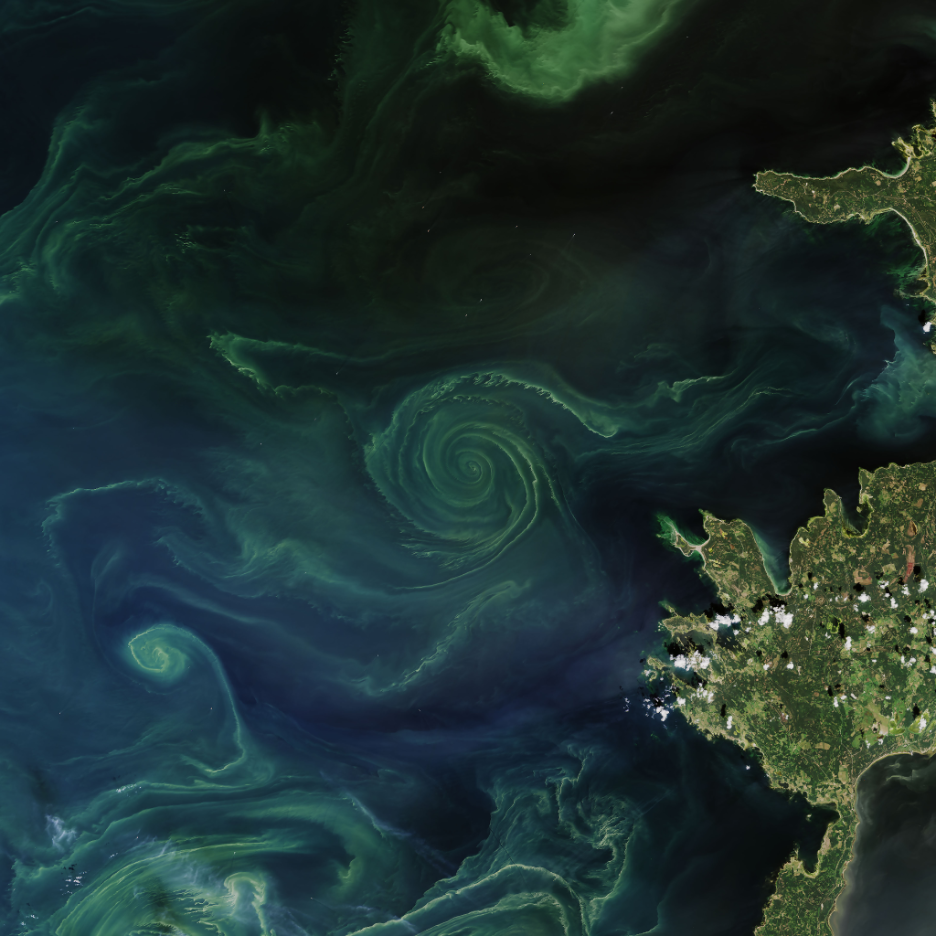
Phytoplankton are tiny, single-celled organisms mainly found in the ocean’s sunlit surface, where they grow through photosynthesis, forming the marine food web’s base and regulating Earth’s climate by absorbing carbon dioxide. Their seasonal growth cycles—known as “blooms”—drive marine productivity and influence everything from carbon uptake to food security. But how can we track ...[Read More]

Sailing for Science: How Data from Sailing Races Advances Ocean Research

Sailing for Science: How Data from Sailing Races Advances Ocean Research

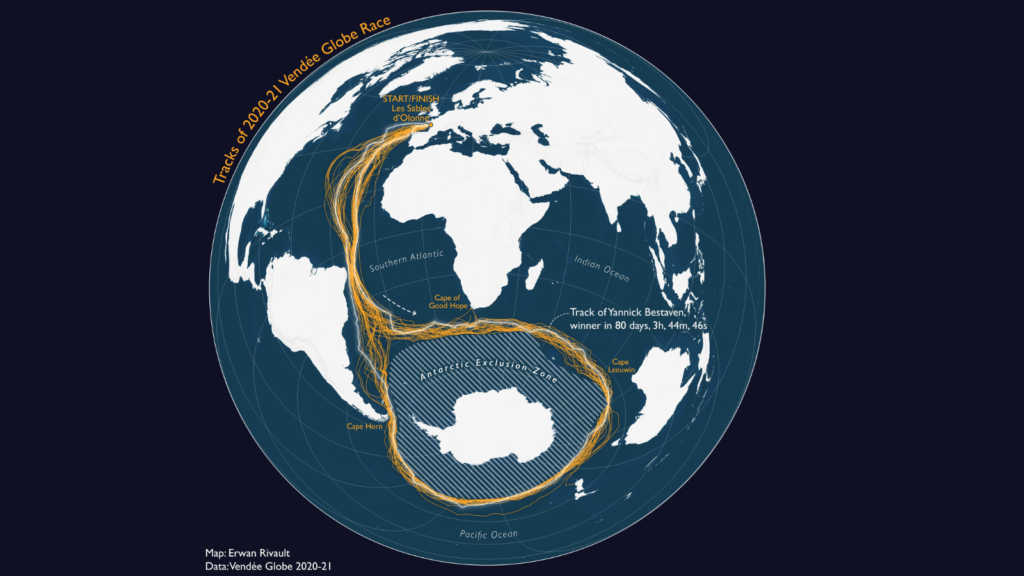
The Vendée Globe began on November 10th, with 44 participants embarking on the world’s toughest sailing race. This non-stop, single-handed round-the-world yacht race challenges skippers to circumnavigate the Southern Ocean. The race starts in France, traverses the North Atlantic, and heads directly into the Southern Ocean. Despite taking place during the austral summer, the conditions remain ...[Read More]

The Alarming Decline in Ocean CO2 Observations

The Alarming Decline in Ocean CO2 Observations

„observations not taken today are lost forever.“ (Wunsch et al., 2013) The Critical Need for CO2 Measurements Imagine the ocean as a giant lung, breathing in carbon dioxide (CO2) and helping to keep our planet cool. It absorbs about 25% of the CO2 emissions from human activities, playing a crucial role in mitigating the pace of climate change. But what happens when we lose sight of this process? B ...[Read More]

Life as a “dry” oceanographer – studying Earth’s oceans from your laptop

Life as a “dry” oceanographer – studying Earth’s oceans from your laptop

I didn’t always know that I would become an oceanographer when I grew up, but I knew I would be doing ‘Science’. I was born and raised in Paris, France. While growing up, I was always interested in Science, from watching documentaries about the universe or nature, to attending science events at museums. While Science is very wide and encompasses many fields of research, I wasn’t too cl ...[Read More]

Career Progression – from Academia to Industry

Photo credit: Maria Tsekhmistrenko, Imaggeo

During the summer Liam Brannigan contributed to an EGU careers workshop. Liam has had a diverse career, following his masters in maths at Edinburgh University he worked for several years as an investment consultant. In 2010 however, he fancied a change and embarked on a career in physical oceanography, completing his MSc at Bangor University and his PhD at the University of Oxford. A few post-docs ...[Read More]

Why you (yes, you!) should take part in a hackathon

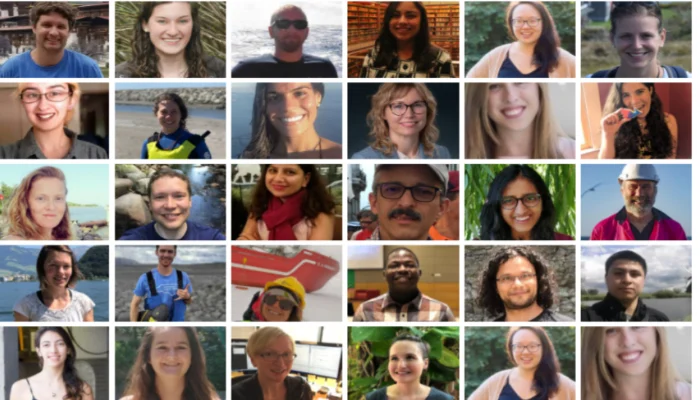
Collage of Oceanhackweek attendees

Back in August, I attended Oceanhackweek 2020. As an oceanographer by trade and free software nerd by heart, I loved the idea of an event that combined the two. I looked forward to learning from other oceanographers and coders, and perhaps giving something back to the free software community. What is a hackweek/hackathon? If you have yet to dip your toes in the wonderful world of free software, th ...[Read More]

Satellite data for ocean reanalysis

Satellite data for ocean reanalysis

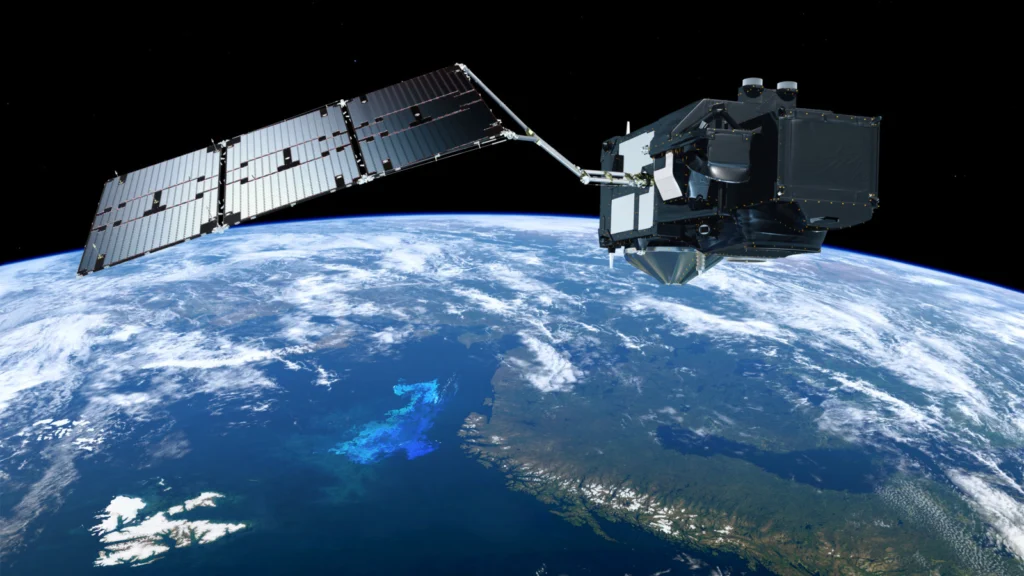
To understand the fundamental behaviour of the ocean, and any changes it’s undergoing, we need to know what the ocean is doing today, and on each day in the recent past. We can do this by creating reanalyses, which use data assimilation to combine state-of-the-art models with observations. The focus is often on ocean physics, but we also need to know about the marine ecosystem and carbon cycle. As ...[Read More]

Eurec4a: Tales from the Tropics

Eurec4a: Tales from the Tropics

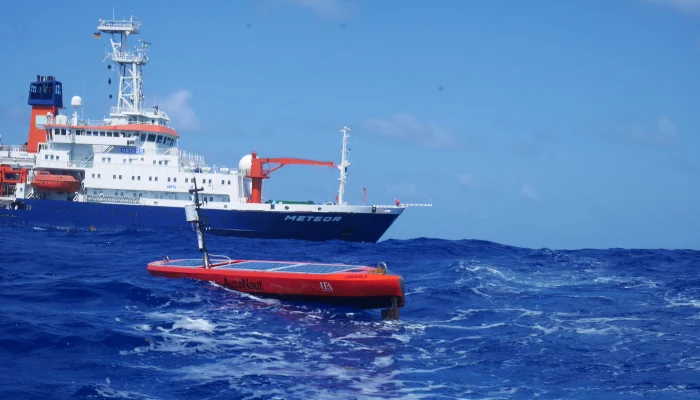
As many seagoing oceanographers find themselves on land for the foreseeable future, we’ve decided to share a tale of a research cruise to fill that ship-shaped void. Back in January 2020, four research vessels ventured out into the Tropical North Atlantic as part of the Eurec4a and ATOMIC campaigns. Eurec4a’s aim: to investigate the couplings between clouds, circulation and convection ...[Read More]